Samsung Is Pulling the Plug on the Samsung News App in Yet Another Software Reversal

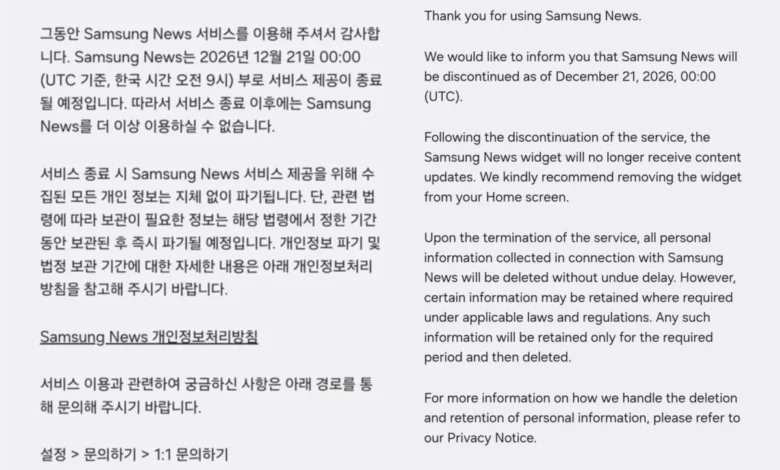
Samsung Electronics is once again trimming the fat from its One UI ecosystem, confirming plans to permanently shut down the Samsung News application. The decision marks the end of an era for a native content aggregation service that has undergone multiple iterations over the years. According to official notices dispatched to regional markets, the dedicated news feed—alongside its associated home screen widgets and the left-swipe media panel—will cease operations globally on December 21, 2026, at 00:00 UTC.
While the announcement currently impacts users primarily in regions like South Korea and India where early notifications have rolled out, the sunsetting of the application signals a broader strategy shift for the South Korean tech giant. Galaxy smartphone and tablet owners worldwide will soon need to adapt to a landscape devoid of Samsung’s proprietary news aggregator, turning the page on a feature that has been a staple of the mobile interface for years.
The Scope of the Shutdown
The discontinuation of Samsung News goes far deeper than the retirement of a standalone application icon. When the December 2026 deadline arrives, the entire ecosystem supporting the service will be dismantled. This includes the dedicated Samsung News home screen widget, which will freeze and cease updating with fresh content, as well as the media discovery page integrated directly into the device’s launcher.
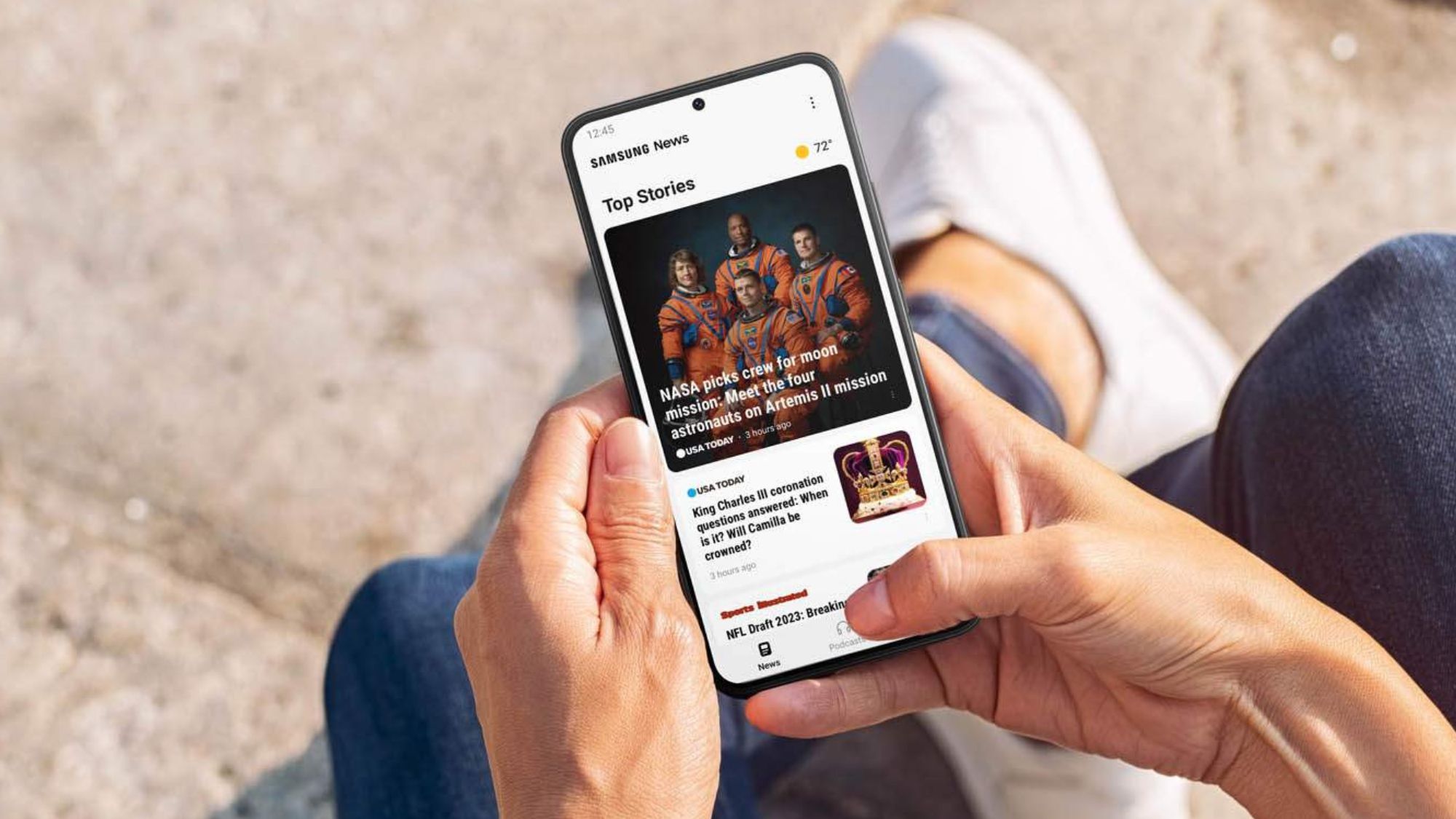
For years, Samsung users have been accustomed to swiping right from the primary home screen to access a curated feed of daily headlines, entertainment news, and articles. With this upcoming update, that real-time feed will vanish entirely.
Furthermore, Samsung has outlined a strict data purge policy in tandem with the shutdown. Following the termination of the service, the company will permanently erase all associated user data, including personal information, reading history, account profiles, and personalization preferences. While certain data points may be retained temporarily to comply with regional consumer data protection laws and regulatory mandates, Samsung has affirmed that even these vestiges will be systematically deleted once legal retention periods expire.
A Chronology of Constant Flux: The Evolution of Samsung’s Feed
The death of Samsung News is just the latest chapter in a surprisingly turbulent history of native content delivery systems on Galaxy devices. For over half a decade, Samsung has continuously rebranded, redesigned, and restructured its zero-screen content feeds, searching for a formula that resonates with consumers without draining system resources or drawing user ire.
The timeline of these frequent software pivots illustrates a pattern of ongoing experimentation:
- 2019 (Bixby Home): Samsung introduced Bixby Home as the default leftmost home screen panel, replacing the older Upday integration in some markets. It served as an early aggregator combining smart assistant cards, weather widgets, and news snippets.
- 2020 (Samsung Daily): Seeking a cleaner, more responsive user interface, Samsung retired Bixby Home in favor of Samsung Daily. This iteration focused more heavily on curated content, quick tools, and contextual recommendations.
- 2021 (Samsung Free): In a major rebranding effort, Samsung Daily was transformed into Samsung Free. This version cleanly separated content into distinct tabs for Watch (video content), Play (instant games), and Read (articles and news feeds), attempting to position the zero-screen as an entertainment hub.
- 2023 (Samsung News): In April 2023, Samsung dropped the "Free" moniker, rebranding the service explicitly as Samsung News. The pivot narrowed the product’s scope to focus primarily on journalism and editorial content rather than gaming and streaming media.
- 2026 (The Shutdown): After less than four years under the Samsung News banner—and nearly a decade of continuous changes to its leftmost home screen panel—Samsung has chosen to abandon the concept altogether rather than initiate another rebrand.
This revolving door of software development highlights the challenges original equipment manufacturers (OEMs) face when trying to compete with established, web-scale content aggregators built directly into mobile operating systems.
Industry Context and the Alternative Landscape
Samsung’s decision to exit the native news aggregation space aligns with broader industry trends. Maintaining a dedicated, globally synchronized news curation platform requires significant ongoing investment in partnerships with publishers, content moderation, server maintenance, and localized compliance. For hardware manufacturers whose core competencies lie in mobile engineering, display technology, and silicon design, maintaining a digital media outlet often yields diminishing returns—especially when users overwhelmingly gravitate toward platform-agnostic alternatives.
As users look toward a post-Samsung News future, the question of what will occupy the leftmost home screen—or whether it will simply be left blank—remains a topic of discussion among Android analysts.
The most logical successor is Google Discover. Already deeply integrated into the Android operating system and widely utilized across the broader ecosystem, Google Discover provides a highly personalized, algorithmically driven news and interest feed. Many Galaxy devices already offer Google Discover as an optional alternative to Samsung’s native feed. Should Samsung decide to officially adopt Google Discover as the default replacement or simply clear the way for it, the transition for consumers would be virtually seamless.
Other alternatives include third-party news aggregators available on the Google Play Store, such as Microsoft Start, Apple News (though unavailable on Android), or dedicated RSS readers and media outlet applications. However, none of these options will possess the deep, out-of-the-box system integration that Samsung’s native feed once enjoyed.
Implications for Galaxy Users and Regional Rollouts
For the average consumer, the immediate impact of the December 2026 shutdown will likely be minimal. Industry data and user engagement patterns consistently show that default news feeds integrated into phone launchers—often referred to as "zero screens"—suffer from low active engagement rates, with many users opting to disable them entirely to conserve battery life, reduce visual clutter, or prevent accidental swipes.
Nevertheless, for the loyal segment of the user base that relied on the convenience of a quick morning read directly from their home screen, the removal of the feature represents a loss of customizability.
As the December 21, 2026 deadline approaches, Samsung is expected to expand its notification campaign beyond India and South Korea. Device owners in North America, Europe, and other key global markets should anticipate similar deprecation warnings as regional app support winds down.
Ultimately, Samsung’s retreat from the news aggregation space underscores a pragmatic reality: hardware manufacturers are increasingly willing to step away from proprietary software services that duplicate functions already handled more effectively by core operating system providers. As Samsung streamlines One UI for future generations of Galaxy hardware, users can expect a leaner, more focused software experience—even if it means saying goodbye to another familiar fixture of the Android interface.