Apple HomeView and new Apple TV 4K launch globally as the company concludes its busiest hardware quarter in history

The global consumer electronics landscape shifted on Friday, November 13, 2026, as Apple officially initiated the retail rollout of its long-anticipated smart home hub, HomeView, alongside a significant refresh of the Apple TV 4K. As the sun rose in Australia and New Zealand, the first units reached customers, marking the culmination of an aggressive product cycle that has seen the Cupertino-based tech giant launch over 25 distinct devices and accessories since late August. This coordinated release signals Apple’s strategic pivot toward solidifying its ecosystem presence within the residential environment, moving beyond mobile and wearable technology to capture the central command node of the modern smart home.
The HomeView: A New Pillar for the Connected Home
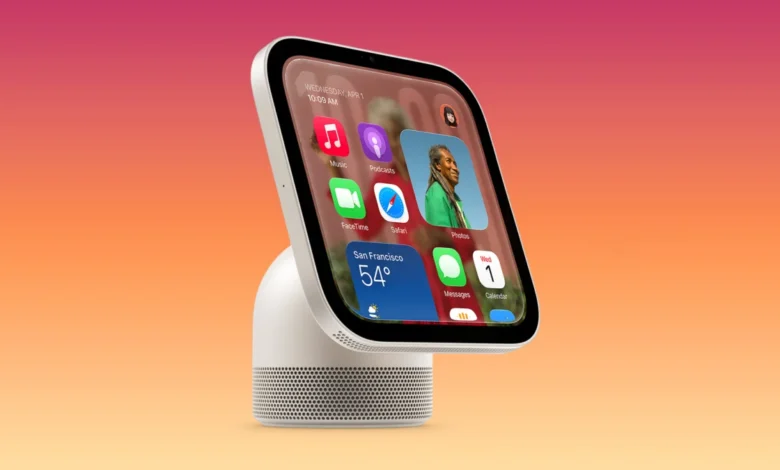
Apple has positioned the HomeView as the definitive "center of the home," a device designed to bridge the gap between personal mobile computing and stationary domestic utility. The device features a distinct 7-inch square display, providing a footprint that is both unobtrusive on a kitchen counter and sufficiently detailed for media consumption or informational glanceability. The hardware ecosystem is bifurcated to suit different living arrangements: a tabletop model equipped with a sophisticated acoustic speaker base, and a wall-mounted variant that integrates seamlessly into home infrastructure.
Functionally, the HomeView operates as a hybrid entity, blending the intuitive interface of an iPad with the ambient, always-on utility of a HomePod. At its core, the device is powered by the advanced Siri AI engine, which debuted earlier this year within the iOS 27 framework. This integration allows for a level of personalization previously unseen in Apple’s home product lineup. Through a combination of onboard camera technology and sophisticated voice recognition, the HomeView can distinguish between up to six individual household members, surfacing tailored calendars, personal media recommendations, and specific smart home control preferences based on the user identified.
While Apple has eschewed a dedicated App Store for the HomeView to maintain a curated and streamlined user experience, the device supports a robust suite of pre-installed Apple applications. Furthermore, it leverages the Continuity framework, allowing users to project widgets from their iPhones directly onto the HomeView interface. This ecosystem interoperability extends to video conferencing, smart home orchestration via HomeKit, and real-time data monitoring for weather and transit.
The Evolution of the Apple TV 4K
Coinciding with the HomeView debut is the release of the latest generation Apple TV 4K, which brings significant architectural upgrades to the living room media experience. Priced at $299, the new unit is powered by the A19 silicon chip, providing the necessary overhead to manage high-fidelity streaming, complex gaming, and the new Siri AI integration. With 128GB of internal storage and native support for Wi-Fi 7, the device is future-proofed against the increasing bandwidth demands of 8K streaming and high-frame-rate content.
A notable feature for audiophiles is the device’s enhanced surround sound capabilities, which now permit the wireless synchronization of up to four HomePods simultaneously. This setup aims to provide a theater-grade spatial audio experience without the need for traditional wired receivers or complex multi-channel cabling. Like the HomeView, the new Apple TV 4K utilizes the latest iteration of the Siri AI to provide contextual search and recommendations, refining how users navigate the increasingly fragmented landscape of streaming content.
Strategic Rollout and Global Availability
The logistical execution of this launch is as complex as the hardware itself. Given the absence of physical Apple retail locations in New Zealand, Australian customers served as the global bellwether for the launch, with early reports suggesting strong, steady demand. Market analysts have noted that Apple’s supply chain appears to have matured significantly over the last three months, with no reports of systemic inventory shortages despite the unprecedented volume of hardware releases during the autumn period.
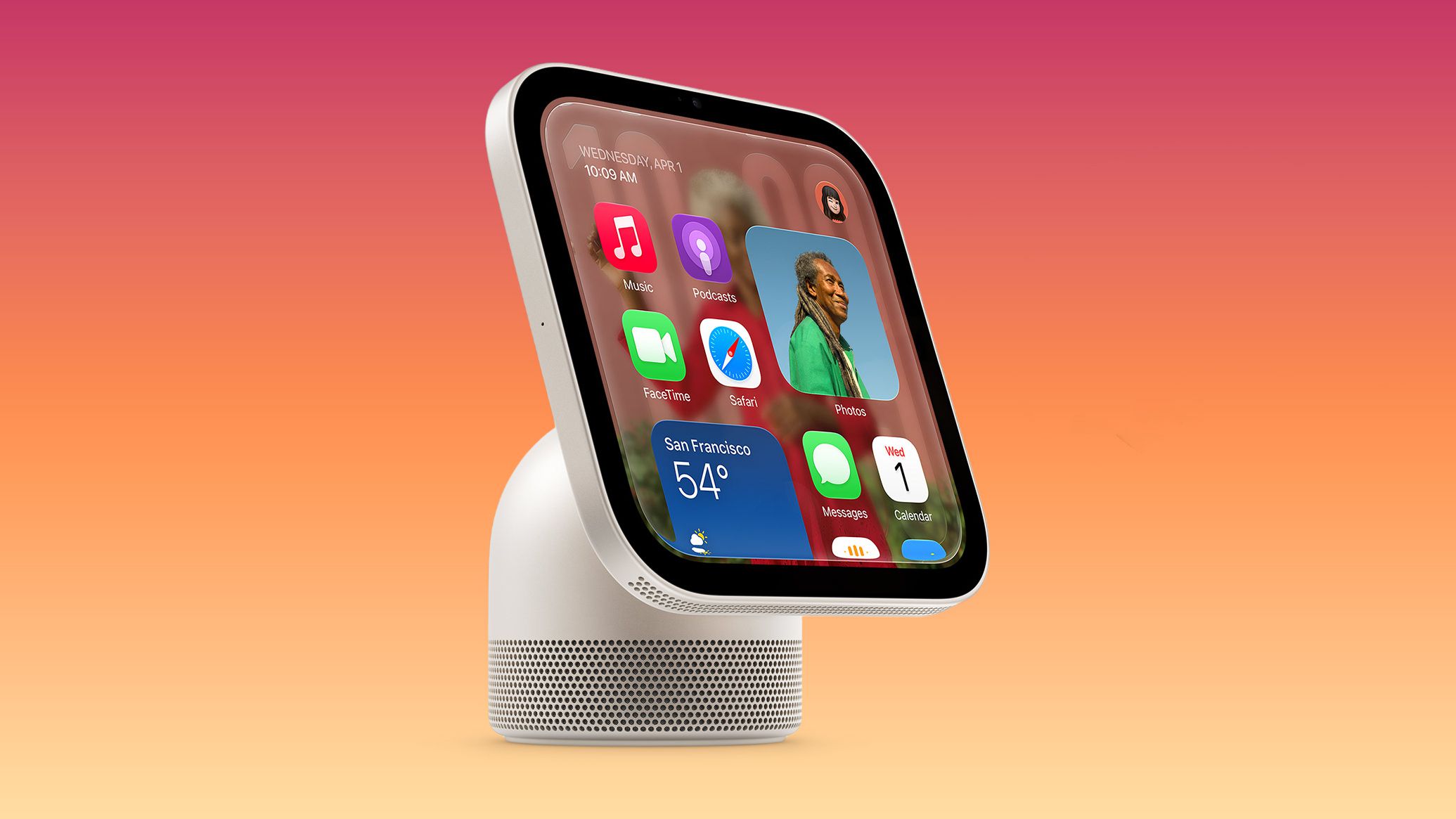
The HomeView is currently available in a targeted list of markets, including Australia, Canada, India, New Zealand, Singapore, South Africa, the United Kingdom, and the United States. A notable exception to this list is the European Union. Industry insiders suggest that the exclusion of the EU market is directly linked to the current regulatory environment regarding AI-driven data processing and the specific, highly localized requirements of the Siri AI engine. Apple has not provided a definitive timeline for when the HomeView might comply with these regional constraints, leaving a significant portion of its European customer base waiting for a localized solution.
Conversely, the new Apple TV 4K is seeing a wider, more traditional global rollout, reaching the U.S. and 29 other countries and regions, reflecting its status as a more mature product category with fewer regulatory dependencies on AI-driven personalization.
Implications of the Siri AI Integration
The introduction of Siri AI across both new devices represents the most substantial change to Apple’s software philosophy in a decade. By moving from a query-response model to an anticipatory, context-aware agent, Apple is attempting to solve the "friction" problem that has long plagued smart home adoption.
During the development phase, leaks provided by developers such as Steve Troughton-Smith offered a glimpse into the interface’s design language, which prioritizes glanceability and rapid interaction. By virtualizing the HomeView environment, researchers and early reviewers were able to confirm that the UI is built on a modular, widget-heavy architecture that minimizes the need for deep navigation menus. The device is designed to be interacted with via voice or touch, with the software automatically adjusting its brightness and content density based on ambient light and proximity sensors.
Market Context: A Busy Autumn for Apple
The arrival of the HomeView and the new Apple TV 4K concludes an intense period of hardware iteration for Apple. Starting in late August, the company embarked on what industry observers have labeled its "most aggressive product refresh in modern history." With over 25 new products reaching the market in a 12-week window, Apple has successfully updated the majority of its core product pillars, including the MacBook Pro line with OLED displays, the iMac with M6 silicon, and the iPad mini 8.
Financial analysts suggest that this strategy is intended to maximize the "halo effect" across the Apple ecosystem during the critical year-end fiscal quarter. By aligning the launch of the HomeView with the latest Apple TV and the refreshed Mac lineup, Apple is encouraging consumers to upgrade their entire digital environment simultaneously.
The Road Ahead
As the first units arrive in homes across the globe, the immediate focus shifts to user feedback and real-world performance. Early discussions on forums like MacRumors and Reddit highlight a high degree of curiosity regarding the HomeView’s privacy-centric approach to camera usage and its ability to seamlessly hand off tasks from other Apple devices.
For Apple, the success of the HomeView will not merely be measured in units sold, but in its ability to become the "sticky" centerpiece of the household. If the HomeView succeeds in becoming the primary interface for smart home management, it will secure Apple’s dominance in a sector that has historically been fragmented and plagued by interoperability issues. For now, the launch represents a pivotal moment in the company’s history—a transition from a company that makes devices we carry, to a company that powers the spaces where we live.