The Analog Revival at High Speed: Capturing the Ferrari Challenge Through a Vintage Lens

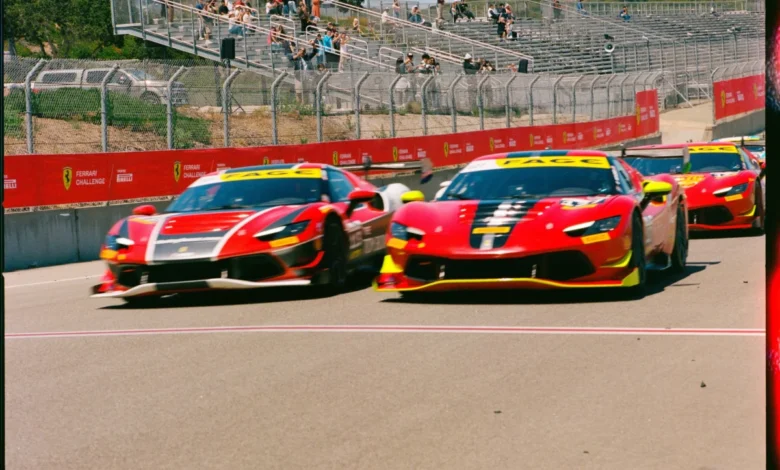
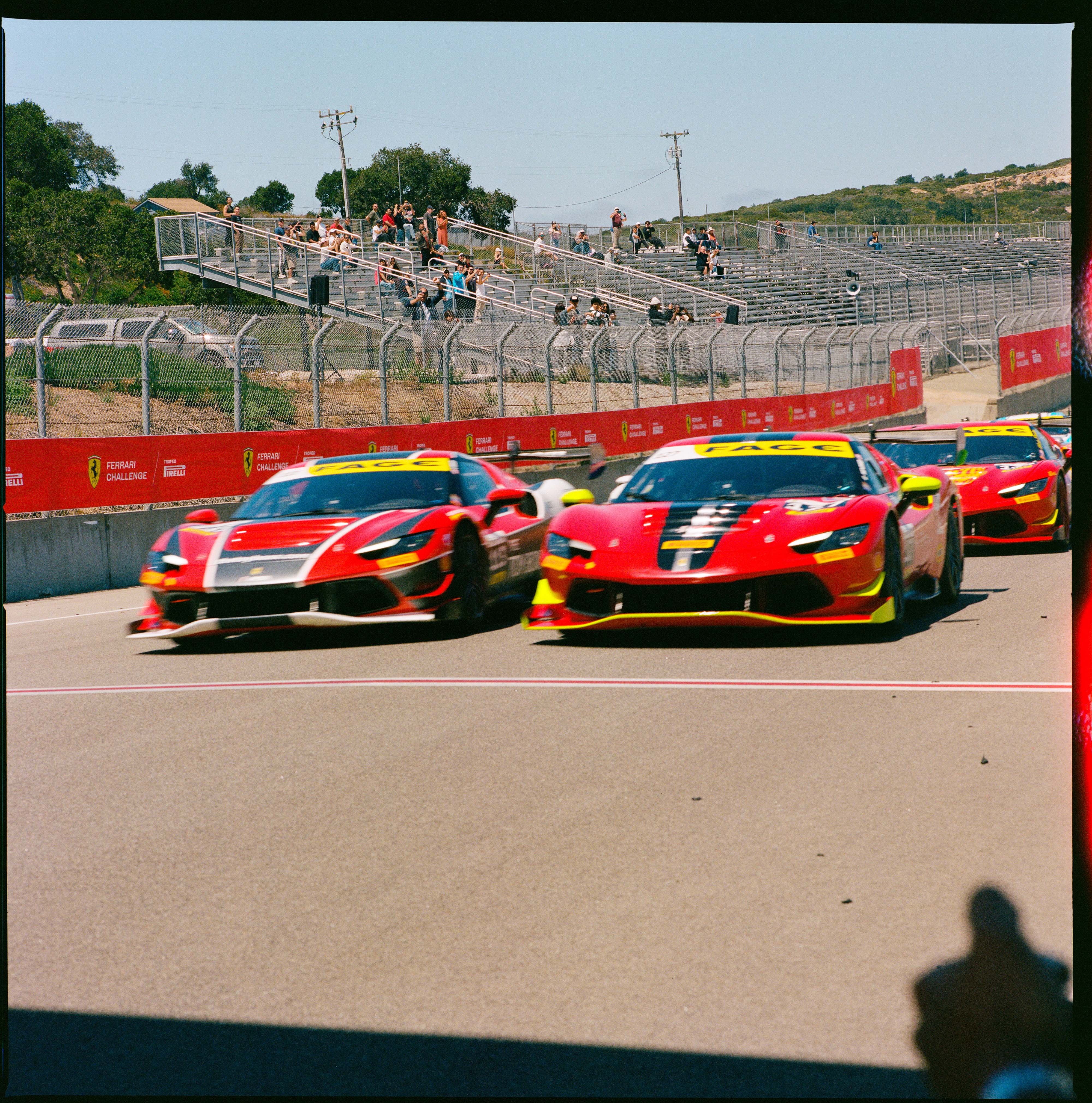
The roar of high-performance engines at WeatherTech Raceway Laguna Seca typically serves as the backdrop for the latest in digital imaging technology. Modern sports photography is dominated by cameras capable of capturing 30 frames per second with near-instantaneous, AI-driven autofocus. Yet, at a recent Ferrari Challenge North America event, a unique experiment in visual documentation took place: a photographer swapped the automated precision of the digital age for the mechanical, deliberate, and unforgiving constraints of analog film. This intersection of high-speed motorsport and mid-century camera equipment offers a compelling case study on the evolution of professional photography, the mechanics of patience, and the resurgence of film as a storytelling medium.
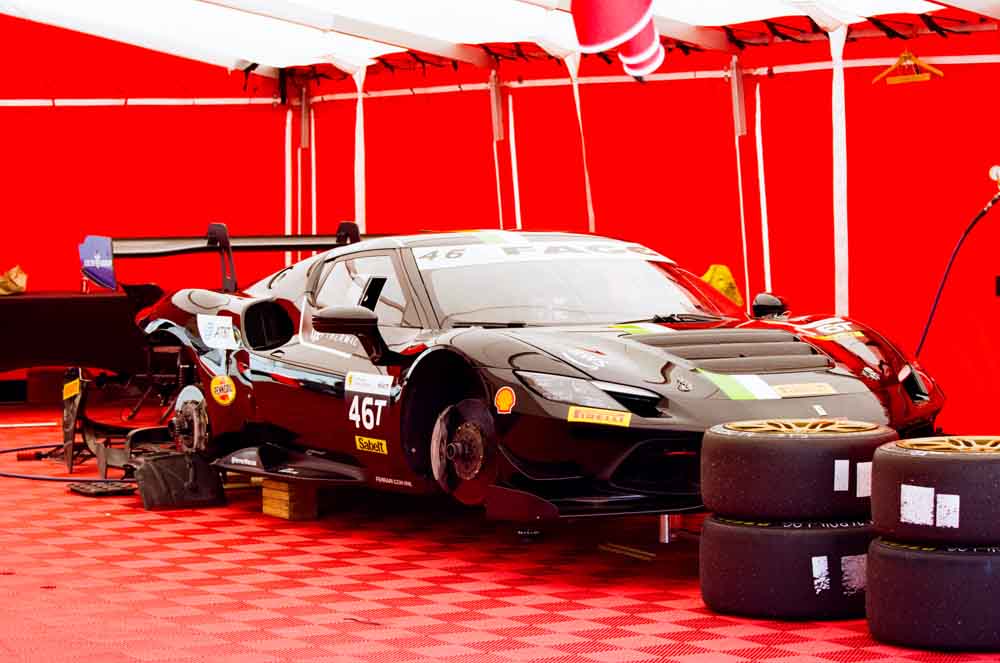
The Ferrari Challenge: A Technical Overview
The Ferrari Challenge, established in 1993, represents one of the most prestigious single-make racing series in the world. Unlike multi-manufacturer series such as Formula 1, where competitive advantage is derived from engineering disparity, the Ferrari Challenge operates as a spec series. Every entrant competes in identical Ferrari 296 Challenge or 488 Challenge Evo machinery. This leveling of the playing field shifts the focus entirely to driver skill, race strategy, and team coordination.
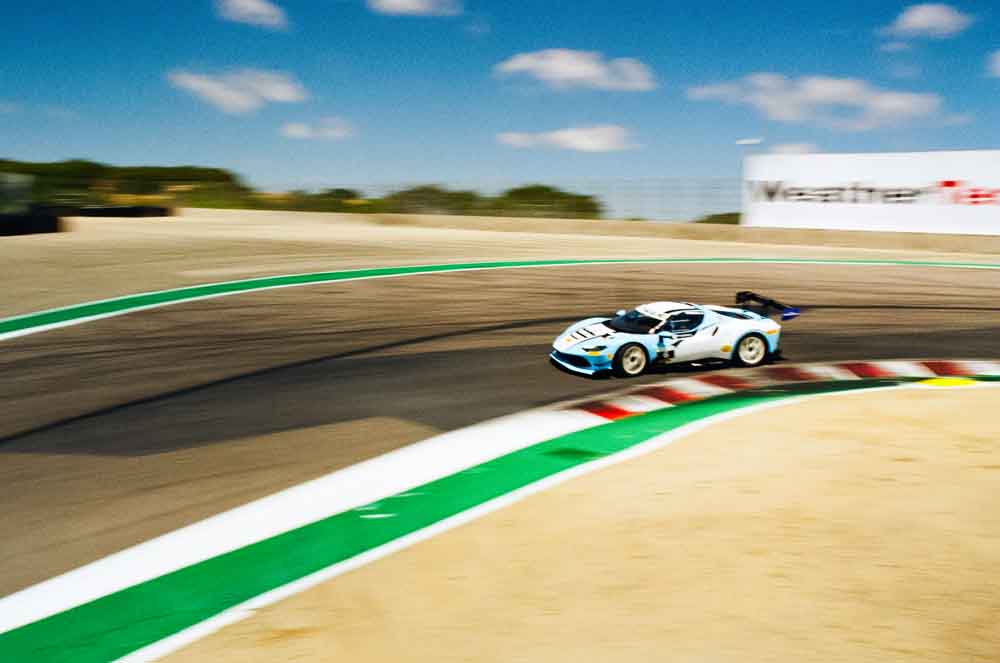
For a photographer, the visual environment at Laguna Seca is uniquely demanding. The track’s iconic Turn 8 and 8a, famously known as "The Corkscrew," features a 59-foot elevation drop within a 450-foot stretch of pavement. This terrain requires a photographer to account for extreme shifts in light, speed, and perspective. The challenge of documenting such a dynamic environment with manual equipment—where the photographer must account for focus, exposure, and film stock limitations—is a stark departure from the current industry standard of high-speed, shutter-less digital sensors.
Chronology of the Documentation Project
The documentation project unfolded over the course of a standard race weekend, beginning with the methodical setup in the paddock. The initial phase focused on the human elements of the sport: the pre-race grid walks, the technical inspections, and the introspective moments of drivers preparing to enter the cockpit.
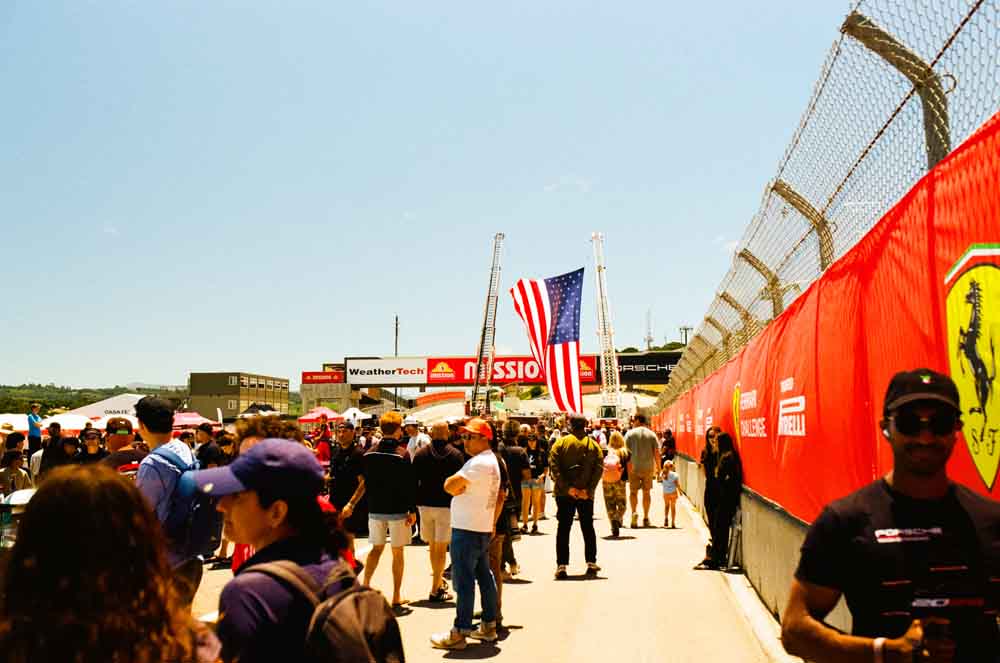
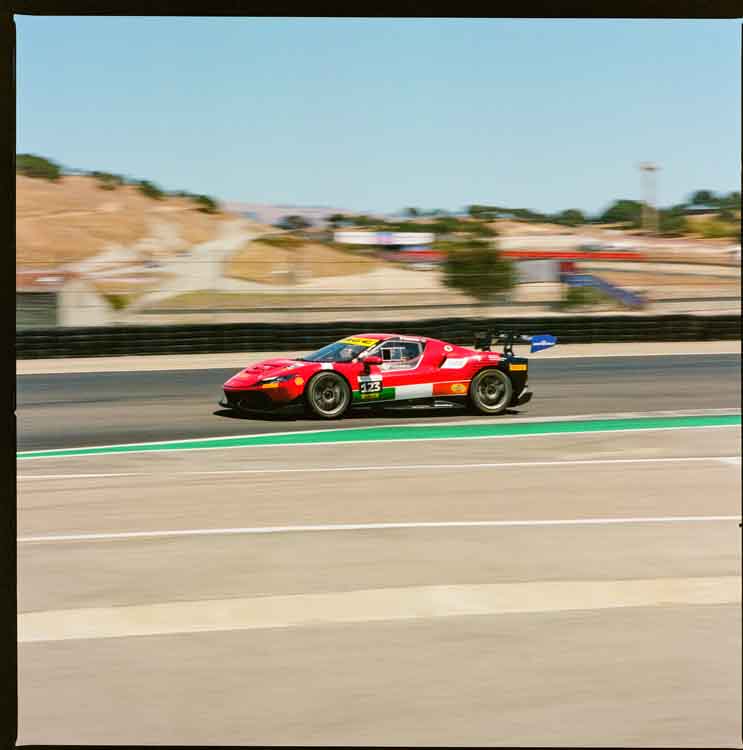
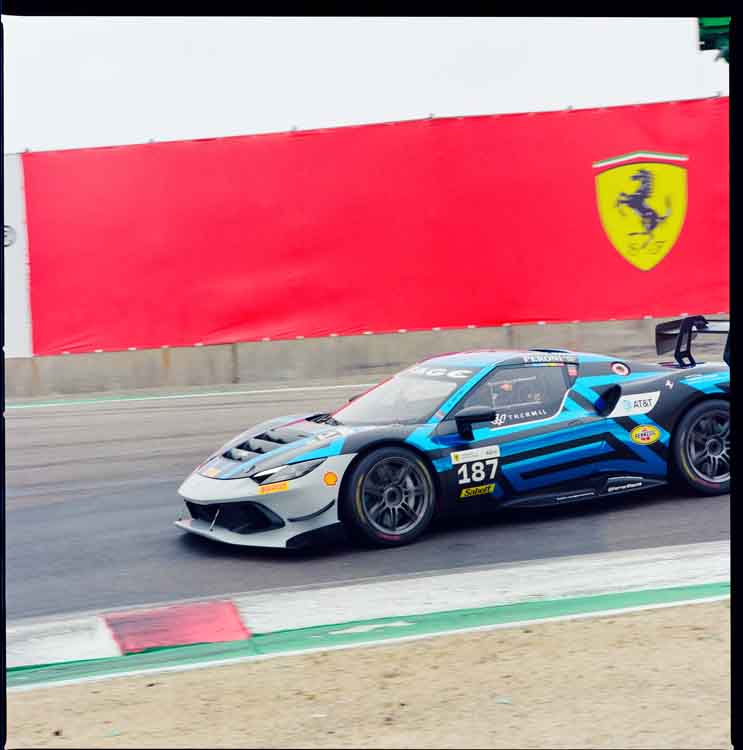
During these early stages, the photographer utilized a mix of the Nikon F5 and the Hasselblad 500CM. The Nikon F5, a pinnacle of 35mm film SLR technology, features an eight-frame-per-second burst rate, bridging the gap between traditional film and the early needs of digital-era sports journalism. In contrast, the Hasselblad 500CM—a medium-format, waist-level finder camera—required the photographer to manually focus and advance the film after every shot.
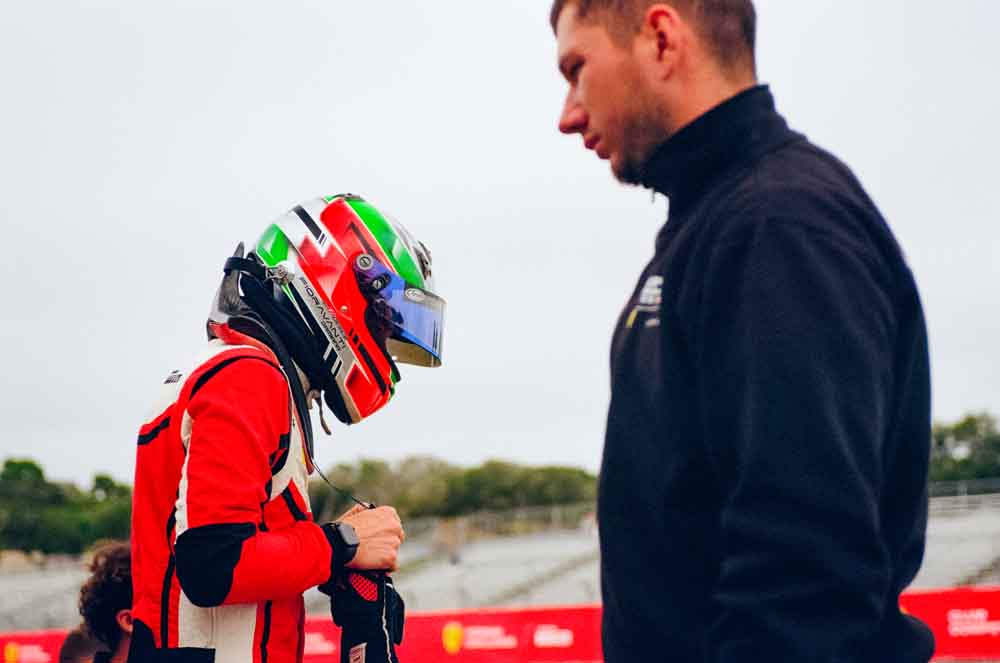
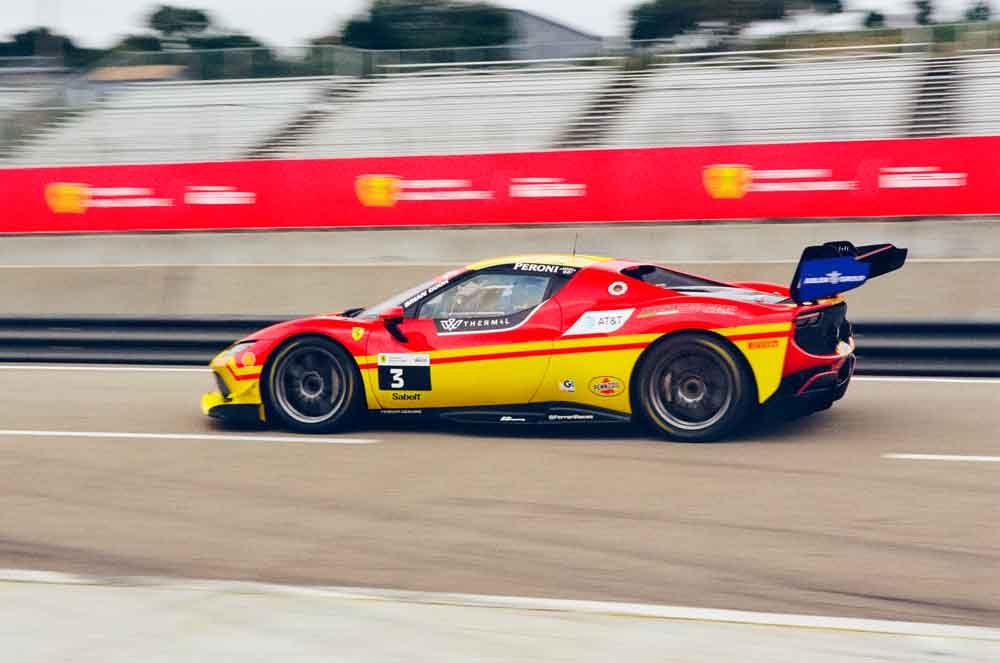
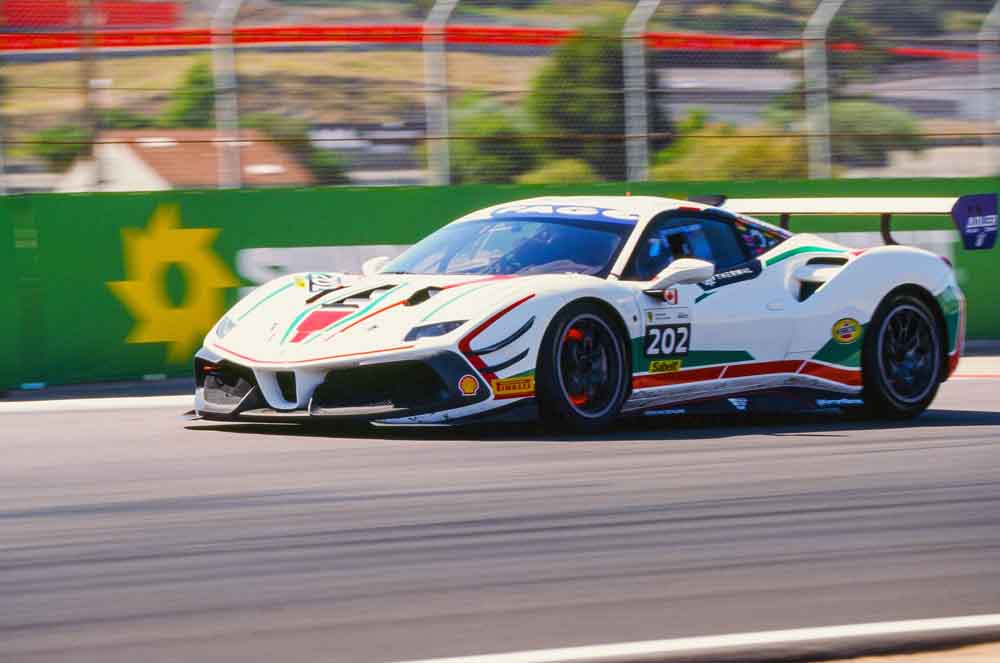
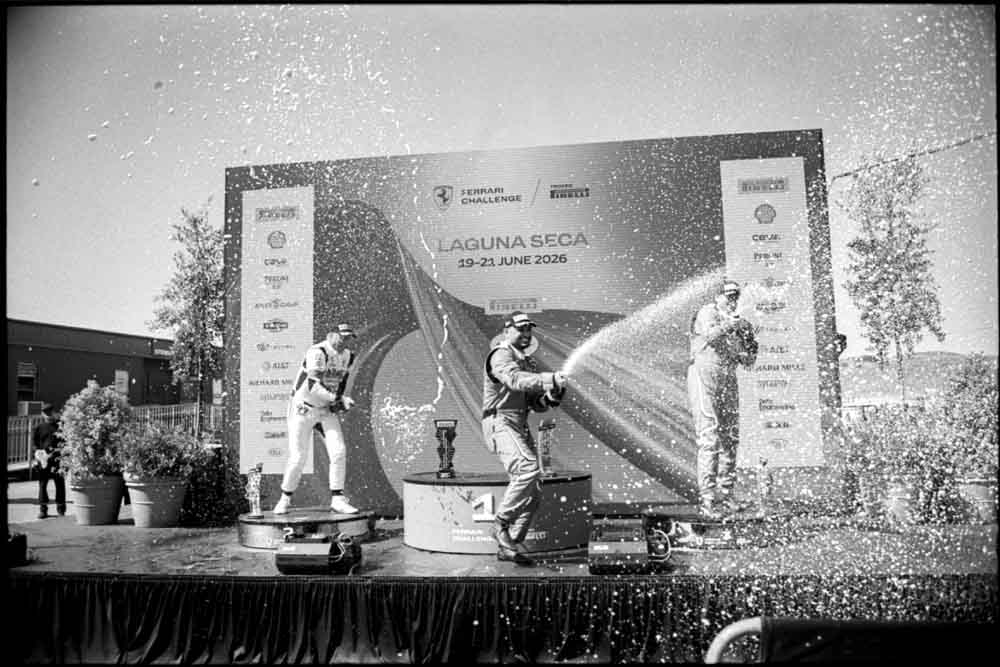
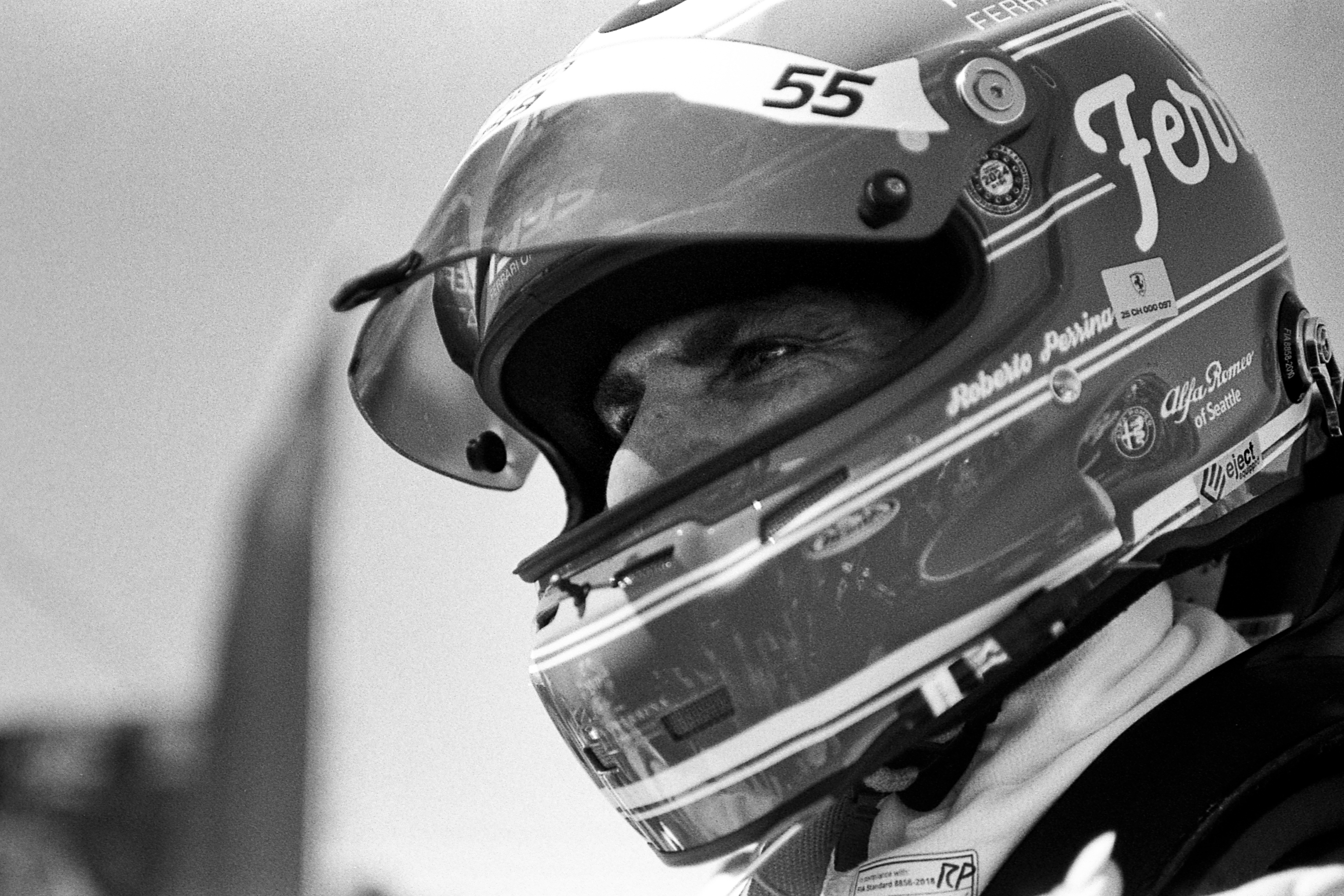
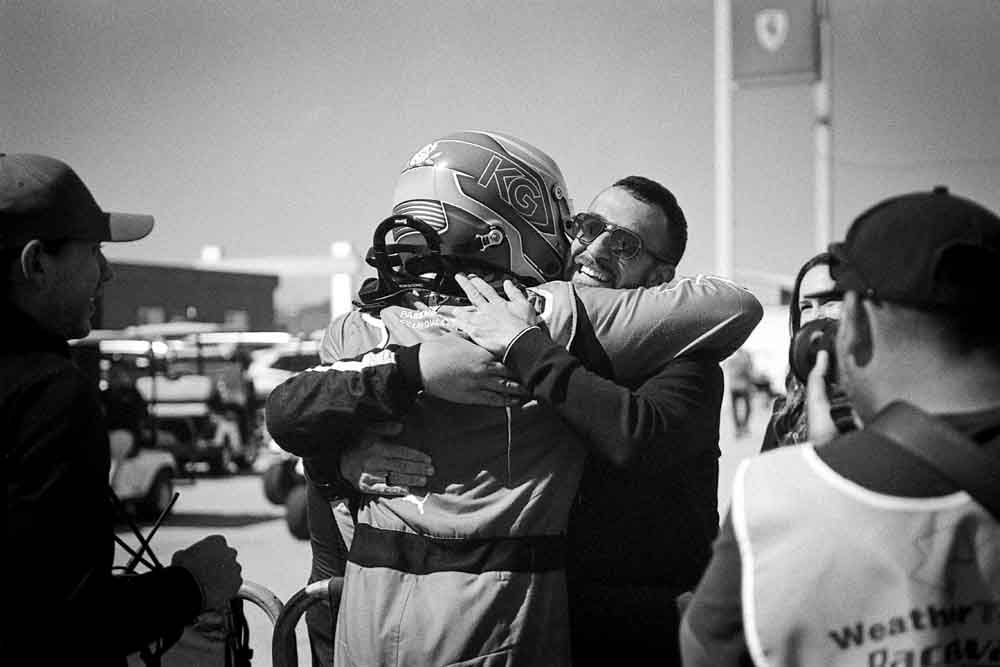
By the time the race moved to the track, the logistical difficulty increased exponentially. Capturing vehicles traveling at speeds exceeding 140 miles per hour while manually focusing a Hasselblad lens requires a level of anticipation and technical proficiency that is rarely demanded in modern digital workflows. The process involved selecting specific film stocks for specific track conditions: Kodak Portra 400 and 800 for high-speed action, Ektachrome 100 for color-accurate technical shots, and Ilford Delta 100/400 and HP5+ for the final, high-contrast, black-and-white podium celebrations.
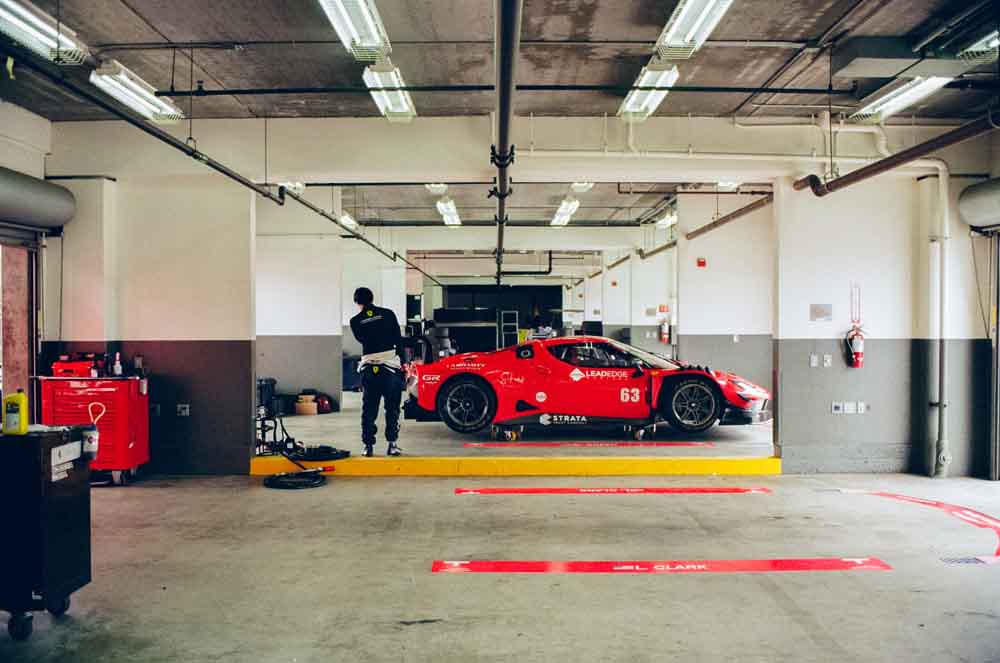
The Technical Constraints of Film in Motorsport
The choice of equipment for this project was not merely aesthetic; it was an exercise in technical discipline. Digital photography allows for "spray and pray" techniques, where thousands of images can be captured in a single session with immediate feedback on a rear LCD screen. Analog photography, however, necessitates a "one frame, one decision" methodology.
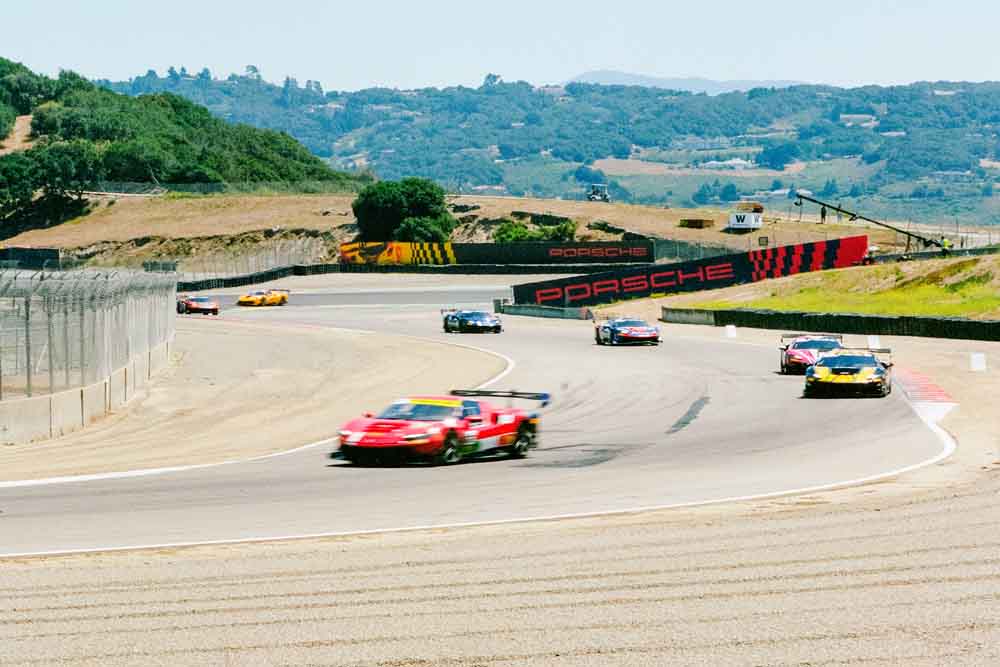
The use of the Nikon F5 allowed for the capture of rapid-fire action sequences that were necessary for documenting the close-quarters racing characteristic of the Ferrari Challenge. However, the Hasselblad 500CM provided a different, more artistic output. The medium format’s larger negative size yields significantly higher resolution and a distinct depth-of-field profile, which effectively isolated the cars against the backdrop of the Monterey hills.
From a data-retention perspective, the project highlighted a fundamental shift in the industry. While digital files are easily backed up and edited, film requires a labor-intensive development and scanning process. This creates a "feedback latency"—the photographer does not know if a shot was successful until long after the event has concluded. This latency forces a higher degree of mental preparation, as every shutter press represents a finite resource.
The Broader Implications for Visual Journalism
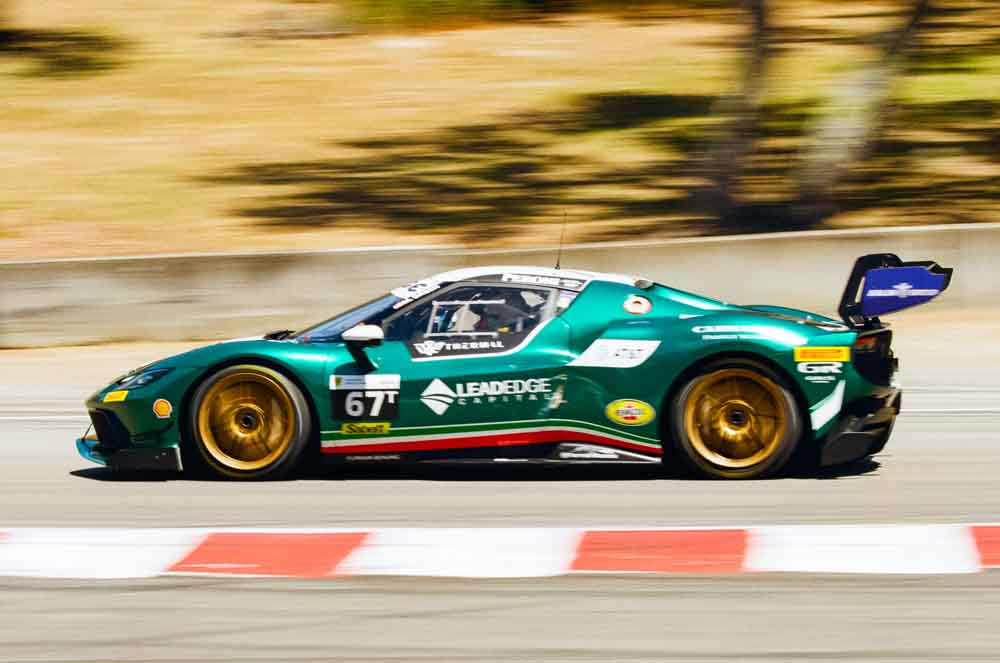
The resurgence of analog photography in professional circles is often dismissed as nostalgia, but the Ferrari Challenge project suggests there is a functional utility to the medium. In an era of content saturation, where millions of high-definition images are uploaded daily, the distinct look of film—characterized by grain, organic color reproduction, and a specific highlight rolloff—provides a unique visual signature.
Industry analysts note that as artificial intelligence becomes more prevalent in image processing and automated photography, there is a growing market premium for "human-made" artifacts. The imperfections inherent in analog photography—light leaks, chemical variations, and the lack of perfect focus—are increasingly viewed as evidence of authentic, human-directed effort. This project demonstrates that the limitations of the medium act as a filter, requiring the photographer to be more intentional with their composition, framing, and timing.
Comparative Analysis: Film vs. Digital Workflow
In professional motorsports, the primary concern is the delivery of images to media outlets as quickly as possible. Digital workflows prioritize speed. However, this documentation project suggests that for long-form, editorial-style storytelling, the slower pace of analog film offers a deeper connection to the narrative.
The following table highlights the operational trade-offs observed during the project:
| Feature | Digital Workflow | Analog Workflow |
|---|---|---|
| Feedback | Instantaneous | Deferred (Days/Weeks) |
| Speed | 20-30 FPS (Continuous) | 1-8 FPS (Dependent on camera) |
| Editing | Digital Post-Processing | Chemical Development/Scanning |
| Cost | Fixed (Equipment) | Variable (Film + Processing per shot) |
| Technical Skill | Software/Hardware Proficiency | Optics/Light/Mechanical Mastery |
The findings suggest that while digital remains superior for real-time news reporting, film provides an unparalleled depth of character for retrospective or magazine-style feature content. The "timelessness" achieved in the black-and-white images of the podium celebrations at Laguna Seca supports the idea that certain aesthetics are better suited for specific mediums.
Professional Reception and Industry Trends
While the photographer often encountered skepticism from peers—who frequently questioned the "difficulty" of the process—the final results were met with significant professional interest. Industry experts note that the "Analog Renaissance" is not limited to hobbyists. Many high-end editorial magazines, such as Road & Track or Automobile, have seen an increase in analog submissions for feature articles.
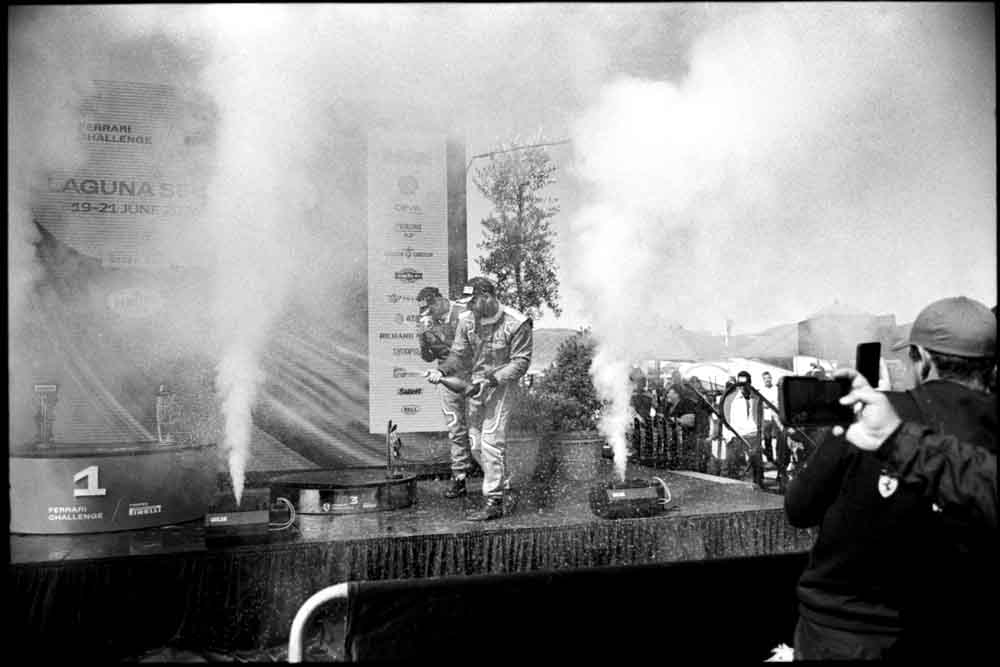
This trend is partially driven by a desire to differentiate content in a cluttered digital market. When a reader sees a photo captured on a Hasselblad during a race, it carries a sense of gravitas that a high-resolution, AI-sharpened digital photo often lacks. The inherent "slow" process of loading film, metering light, and manually focusing creates a psychological state where the photographer is more present, leading to better observation of the nuances that define a race weekend—the tension in a driver’s hands, the dust on a mechanic’s jumpsuit, or the quiet focus before a green flag.
Conclusion: The Future of Mechanical Photography
The experiment at the Ferrari Challenge proved that modern motorsport, while inherently futuristic in its technological reliance, remains a fundamentally human endeavor. By applying the deliberate, mechanical constraints of the 20th century to the high-speed environment of the 21st, the project successfully captured a sense of history and emotion that is often lost in the rapid-fire cycle of digital sports photography.
The implications for the industry are clear: while technology will continue to advance, the value of the photographer’s eye, intention, and patience remains constant. Whether shooting on the latest flagship digital camera or a mechanical Hasselblad from decades past, the ultimate goal remains the same—to freeze time in a way that conveys the intensity and passion of the sport. The choice to make things "harder" by using film is, ultimately, a choice to elevate the craft, transforming the act of documentation into an act of creation. As film photography continues to see a revival, it serves as a necessary reminder that the most compelling images are not always the ones that are easiest to capture, but the ones that are most deliberately pursued.