The Digital Canvas: How Artists Are Revolutionizing Sales in the Online Art World

The contemporary art landscape has undergone a seismic shift, propelled by the ubiquitous reach of the internet and evolving consumer behaviors. Physical galleries, once the sole arbiters of artistic display and commerce, are now complemented, and in many cases, augmented by a vibrant digital ecosystem. Artists today possess an unprecedented ability to connect with a global audience, transcending geographical limitations and traditional gatekeepers. This paradigm shift necessitates a strategic understanding and implementation of digital marketing techniques to not only showcase artistic creations but to significantly boost art sales in an increasingly competitive online environment.
This comprehensive guide delves into the multifaceted strategies artists can employ to cultivate a robust online presence, foster meaningful engagement with potential patrons, and ultimately, translate online visibility into tangible sales. The journey from creation to collection is now more accessible than ever, provided artists embrace the digital tools at their disposal.
Understanding Your Audience: The Foundation of Digital Art Sales
Before embarking on any digital marketing endeavor, a fundamental understanding of the target audience is paramount. The success of any sales strategy, online or offline, hinges on identifying and connecting with individuals who not only appreciate an artist’s unique aesthetic but are also predisposed to purchasing their work. This requires moving beyond broad assumptions and developing detailed buyer personas.
These personas should encompass a rich tapestry of information, including demographic profiles (age, location, income, education), psychographic elements (interests, values, lifestyle choices, artistic preferences), and behavioral patterns (online browsing habits, previous purchase history, preferred communication channels). For instance, an artist specializing in abstract expressionism might find their primary audience comprises millennials with disposable income who are active on Instagram and Pinterest, seeking unique statement pieces for their urban apartments. Conversely, a landscape painter focusing on traditional techniques might attract an older demographic interested in collecting art for their homes, who engage more with email newsletters and art forums.
Gathering these insights is a data-driven process. Social media analytics, provided by platforms like Instagram, Facebook, and X (formerly Twitter), offer invaluable data on follower demographics, engagement rates, and content performance. Website analytics, typically powered by tools like Google Analytics, reveal visitor origins, time spent on site, pages visited, and conversion rates. Furthermore, analyzing interactions on online art marketplaces, if the artist participates in them, can shed light on which pieces garner the most attention and from whom. This granular understanding allows artists to tailor their messaging, visual content, and promotional efforts to resonate most effectively with their most likely collectors, thereby optimizing their marketing budget and maximizing return on investment.
Building an Engaging Online Hub: The Artist’s Website
A professional, user-friendly, and visually compelling website is no longer an optional add-on for artists; it is the cornerstone of their digital presence and a critical engine for driving art sales. This digital storefront serves as the central nexus where potential buyers can immerse themselves in the artist’s creative world. It must be meticulously designed to showcase the artist’s portfolio, convey the narrative behind their work, and facilitate a seamless and secure purchasing experience.
Key elements that contribute to an effective artist website include:
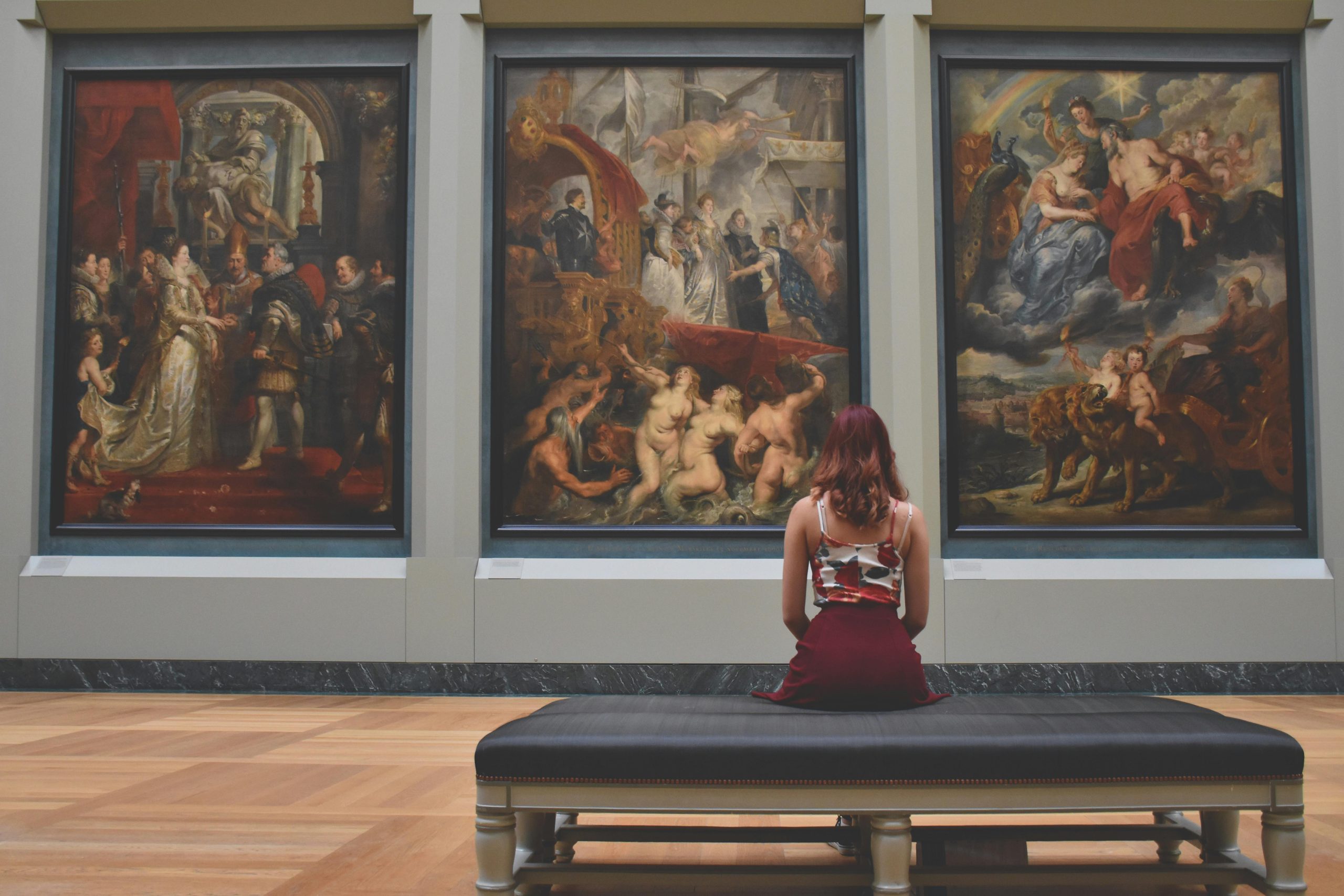
- High-Quality Portfolio Display: This is non-negotiable. Artwork should be presented with professional photography that accurately captures color, texture, and scale. Multiple high-resolution images, including detail shots and in-situ mockups (showing the artwork in a room setting), are essential for buyers to visualize the piece in their own space.
- Compelling Artist Biography and Statement: Beyond a simple resume, this section should articulate the artist’s journey, inspirations, artistic philosophy, and the meaning embedded within their creations. A well-crafted narrative can forge an emotional connection with potential collectors.
- Clear Pricing and Purchasing Information: Transparency is key. Artwork should be clearly priced, with options for direct purchase or inquiries. Secure e-commerce functionalities, integrated payment gateways (e.g., Stripe, PayPal), and clear shipping policies are vital for building trust and facilitating transactions.
- Contact and Inquiry Forms: Making it easy for interested parties to reach out for commissions, questions, or further information is crucial.
- Blog or News Section: Regularly updated content, such as studio insights, behind-the-scenes glimpses, exhibition announcements, or discussions on artistic themes, can keep the audience engaged and improve search engine visibility.
- Mobile Responsiveness: With a significant portion of internet traffic originating from mobile devices, a website that adapts flawlessly to different screen sizes is imperative.
- Testimonials and Press Mentions: Social proof, in the form of positive feedback from previous buyers or mentions in reputable publications, can significantly enhance credibility.
The investment in a well-designed website is an investment in the artist’s brand and future sales. It offers complete control over the presentation of their work and direct communication with their audience, unmediated by third-party platforms.
Harnessing the Power of Social Media for Art Sales
Social media platforms have evolved into indispensable tools for artists seeking to amplify their reach, cultivate a dedicated following, and directly stimulate art sales. These dynamic digital spaces offer unparalleled opportunities for visual storytelling, audience engagement, and promotional activities.
Key social media strategies for artists include:
- Platform Selection: Identifying the platforms where the target audience is most active is crucial. Instagram, with its visually-driven format, is often a primary choice for artists. Pinterest, for its visual discovery engine, and Facebook, for community building and targeted advertising, also hold significant potential. TikTok and YouTube can be effective for sharing process videos, studio tours, and artist interviews, appealing to a younger, more engaged audience.
- Consistent and High-Quality Visual Content: Regular posting of captivating images and videos of artwork, studio processes, inspiration, and exhibitions is essential to maintain audience interest.
- Engaging Storytelling: Beyond simply posting images, artists should leverage captions, stories, and reels to share the inspiration behind their pieces, their creative journey, and their artistic vision. This humanizes the artist and builds a deeper connection with followers.
- Interactive Content: Encouraging engagement through polls, Q&A sessions, live streams, and contests can foster a sense of community and make followers feel more invested in the artist’s work.
- Strategic Use of Hashtags: Employing relevant and trending hashtags can significantly increase the discoverability of an artist’s work by users searching for specific styles, themes, or artists.
- Targeted Advertising: Platforms like Instagram and Facebook offer robust advertising tools that allow artists to target specific demographics, interests, and behaviors, ensuring their promotions reach the most qualified potential buyers. For instance, an artist could run an ad campaign targeting users interested in "contemporary art," "home decor," and residing in specific affluent zip codes.
- Collaborations and Influencer Marketing: Partnering with other artists, designers, or art influencers can expose an artist’s work to new audiences and lend credibility.
The art market has seen significant growth on social media. A 2023 report by Statista indicated that social commerce sales are projected to reach $2.1 trillion globally by 2027, with visual platforms playing a dominant role. This underscores the immense potential for artists to leverage these channels for direct sales and brand building.
Cultivating Direct Connections: The Art of Email Marketing
Despite the proliferation of social media, email marketing remains one of the most potent and direct methods for artists to communicate with their audience and nurture potential buyers. Building a curated mailing list provides a private channel to share updates, exclusive offers, and new artwork directly with individuals who have expressed a genuine interest in the artist’s creations. This direct line of communication bypasses the algorithms of social media platforms and ensures that messages reach their intended recipients.
Key strategies for leveraging email marketing include:
- Building a Subscriber List: Encourage website visitors and social media followers to subscribe to a newsletter by offering incentives, such as early access to new collections, exclusive discounts, or downloadable content.
- Segmenting Your List: As the list grows, segmenting subscribers based on their interests, purchase history, or engagement level allows for more personalized and targeted email campaigns.
- Delivering Valuable Content: Beyond promotional messages, newsletters should offer value. This can include studio insights, behind-the-scenes glimpses of the creative process, interviews with the artist, or curated content related to the art world.
- Showcasing New Work: Announce new collections, individual pieces, or upcoming exhibitions with compelling visuals and persuasive descriptions.
- Exclusive Offers and Promotions: Reward loyal subscribers with early access to sales, special discounts, or limited-edition prints.
- Personalized Communication: Address subscribers by name and tailor content where possible to their demonstrated interests.
- Clear Calls to Action (CTAs): Each email should have a clear objective, whether it’s to visit a new artwork page, browse a collection, or inquire about a commission.
A study by Campaign Monitor revealed that for every $1 spent on email marketing, businesses see an average return of $42. This high ROI makes email marketing an indispensable component of an artist’s sales strategy, fostering loyalty and driving repeat business.
Enhancing Visibility: SEO and Content Marketing
In the vast digital ocean, Search Engine Optimization (SEO) and content marketing are the lighthouses that guide potential collectors to an artist’s work. SEO refers to the practice of optimizing online content to rank higher in search engine results pages (SERPs), such as Google. Content marketing involves creating and distributing valuable, relevant, and consistent content to attract and retain a clearly defined audience.
Strategies to improve an artist’s SEO and content marketing efforts include:
- Keyword Research: Identify terms and phrases that potential buyers use when searching for art similar to yours. This could include stylistic descriptors (e.g., "minimalist abstract painting," "figurative oil portrait"), subject matter (e.g., "seascape art," "animal sculpture"), or artist names.
- On-Page Optimization: Incorporate these keywords naturally into website content, including page titles, meta descriptions, headings, and image alt text.
- High-Quality, Informative Content: Regularly publish blog posts, articles, or guides related to your art, artistic techniques, art history, or the art market. This establishes the artist as an authority and provides valuable information that attracts organic traffic. For example, an artist specializing in botanical illustration could write a series of posts about the history of botanical art or the techniques used to render specific flora.
- Image Optimization: Use descriptive file names and alt text for all images uploaded to the website, incorporating relevant keywords. This helps search engines understand the content of the images.
- Building Backlinks: Earn links from reputable websites, art blogs, and publications. This signals to search engines that your website is a valuable and authoritative resource.
- Local SEO: If the artist participates in local exhibitions or has a studio in a specific region, optimizing for local search terms (e.g., "art gallery [city name]," "local artist [city name]") can attract regional collectors.
The digital landscape is constantly evolving, with search engines prioritizing content that is not only relevant but also engaging and authoritative. By consistently producing high-quality content and optimizing their online presence, artists can significantly increase their organic visibility, leading to a sustained influx of qualified leads and potential buyers.
Expanding Reach: Online Art Marketplaces
While developing a personal website and direct online sales channels is crucial, artists can also significantly amplify their reach by strategically utilizing online art marketplaces. Platforms like Etsy, Saatchi Art, Artfinder, and Artsy act as virtual galleries, connecting artists with a global audience actively seeking to discover and purchase art. These marketplaces often provide built-in marketing tools, a loyal customer base, and established infrastructure for transactions, reducing the burden on the artist to build these elements from scratch.
When considering online marketplaces, artists should:
- Research Platform Fit: Different marketplaces cater to various artistic styles, price points, and audience demographics. Understanding where one’s work best aligns is essential. For example, Etsy is popular for a wide range of handmade items, including affordable art prints and original paintings, while Saatchi Art and Artsy tend to feature a more curated selection of established and emerging fine artists.
- Optimize Listings: Present artwork with high-quality images, detailed descriptions, accurate pricing, and relevant tags to maximize visibility within the platform.
- Understand Fees and Commission Structures: Each marketplace has its own fee structure, including listing fees, commission percentages on sales, and transaction fees. These costs must be factored into pricing strategies.
- Leverage Platform Marketing Tools: Many marketplaces offer promotional opportunities, such as featured artist sections or participation in curated collections, which artists should actively explore.
- Maintain Brand Consistency: While operating on a marketplace, it’s important to maintain a consistent brand identity across all platforms, linking back to the artist’s personal website and social media profiles.
According to a report by Invaluable, the online art market is projected to continue its growth trajectory, driven by increased accessibility and a growing number of online buyers. For many artists, these marketplaces serve as a vital entry point into the digital art economy and a powerful tool for expanding their collector base.
The Art of Connection: Networking and Community Building
In the digital age, the concept of community extends far beyond physical proximity. Building a vibrant community around an artist’s work can be a powerful catalyst for increased visibility, sustained engagement, and ultimately, enhanced art sales. This involves fostering genuine connections with fellow artists, collectors, curators, and art enthusiasts.
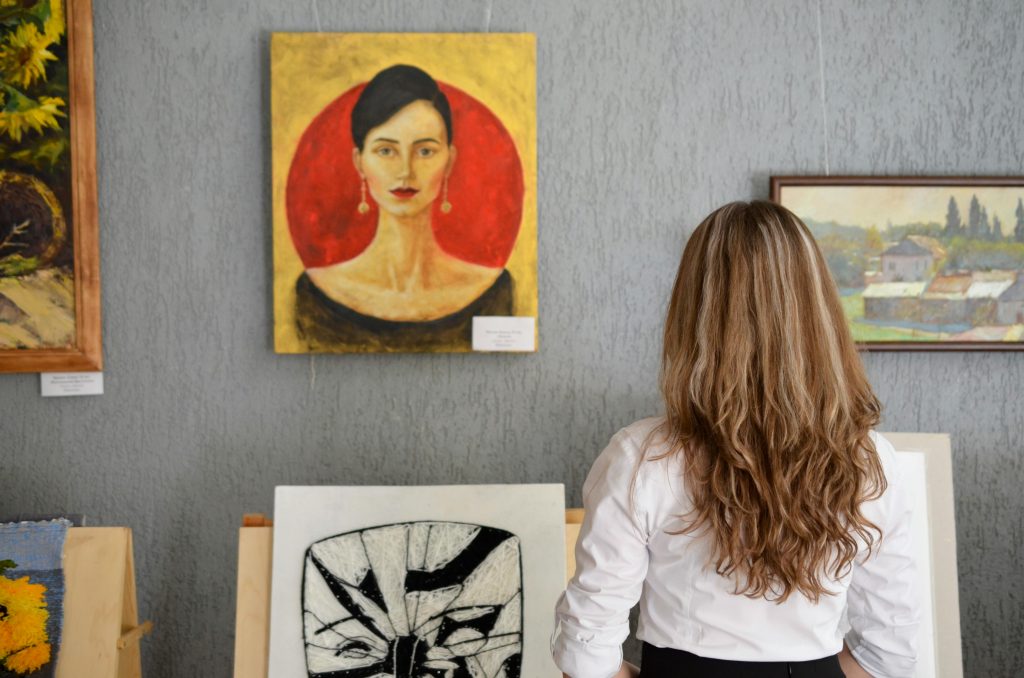
Strategies for networking and community building include:
- Active Participation in Online Art Forums and Groups: Engaging in discussions on platforms like Reddit, Facebook groups dedicated to art, or specialized art forums allows artists to share insights, seek advice, and connect with like-minded individuals.
- Collaborative Projects: Partnering with other artists on joint exhibitions, online challenges, or social media campaigns can expose each artist to new audiences and foster a sense of shared endeavor.
- Engaging with Followers: Responding to comments and messages on social media, acknowledging and sharing user-generated content featuring their artwork, and making an effort to connect on a personal level can cultivate loyalty.
- Virtual Studio Visits and Q&A Sessions: Hosting live streams or pre-recorded videos offering tours of the studio, demonstrations of techniques, or open Q&A sessions can create a sense of intimacy and direct access.
- Supporting Other Artists: Actively promoting and engaging with the work of other artists in the community can foster goodwill and lead to reciprocal support.
- Building Relationships with Curators and Gallerists Online: While traditional networking remains important, many curators and gallerists are active on social media and online art platforms. Engaging thoughtfully with their content can open doors for future collaborations.
The art world, by its nature, thrives on connection and shared passion. By actively nurturing an online community, artists can transform passive observers into engaged patrons and advocates, driving both emotional and commercial success.
The Iterative Process: Analyzing and Adjusting Strategies
The digital marketing landscape is not static; it is a dynamic environment that requires continuous monitoring, analysis, and adaptation. To ensure long-term success and optimize return on investment, artists must adopt an analytical mindset and regularly evaluate the effectiveness of their chosen strategies.
Key practices for analysis and adjustment include:
- Tracking Website Analytics: Regularly review Google Analytics data to understand visitor behavior, traffic sources, conversion rates, and the performance of different pages. Identify which content drives the most engagement and sales.
- Monitoring Social Media Insights: Utilize the analytics tools provided by social media platforms to track follower growth, engagement rates, reach, and the performance of individual posts and campaigns. Understand what content resonates most with the audience.
- Analyzing Email Marketing Performance: Track open rates, click-through rates, and conversion rates for email campaigns. Identify which subject lines, content types, and CTAs yield the best results.
- Evaluating Sales Data: Correlate marketing efforts with sales figures. Determine which channels and campaigns are most effective in driving purchases.
- A/B Testing: Experiment with different approaches to website design, social media captions, email subject lines, and advertising creatives to identify what performs best.
- Staying Informed: The digital marketing world is constantly evolving with new trends, algorithms, and tools. Dedicating time to research and learn about these changes is crucial for staying ahead.
By embracing a data-driven approach and committing to ongoing analysis and refinement, artists can ensure their digital marketing efforts remain effective, efficient, and aligned with their ultimate goal of expanding their reach and significantly boosting art sales in the ever-evolving online art world. This iterative process of learning and adapting is the hallmark of successful digital engagement in the 21st century.