Blackmagic Design Revolutionizes Cinematic Live Production with URSA Cine 12K LF 100G and Integrated SMPTE-2110 Workflow at NAB 2026

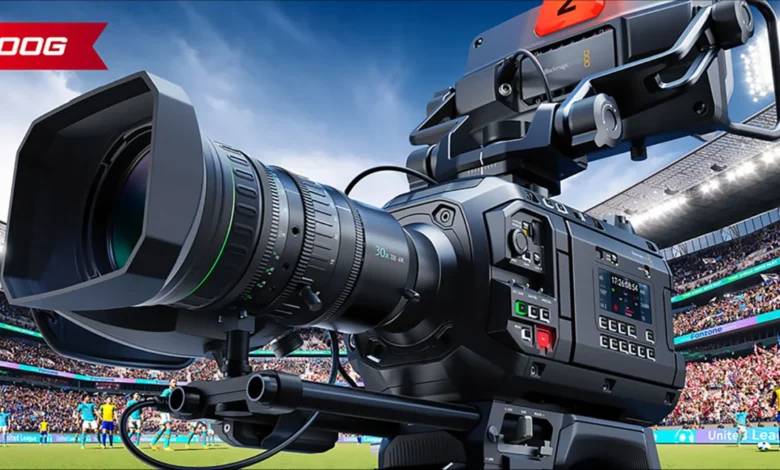
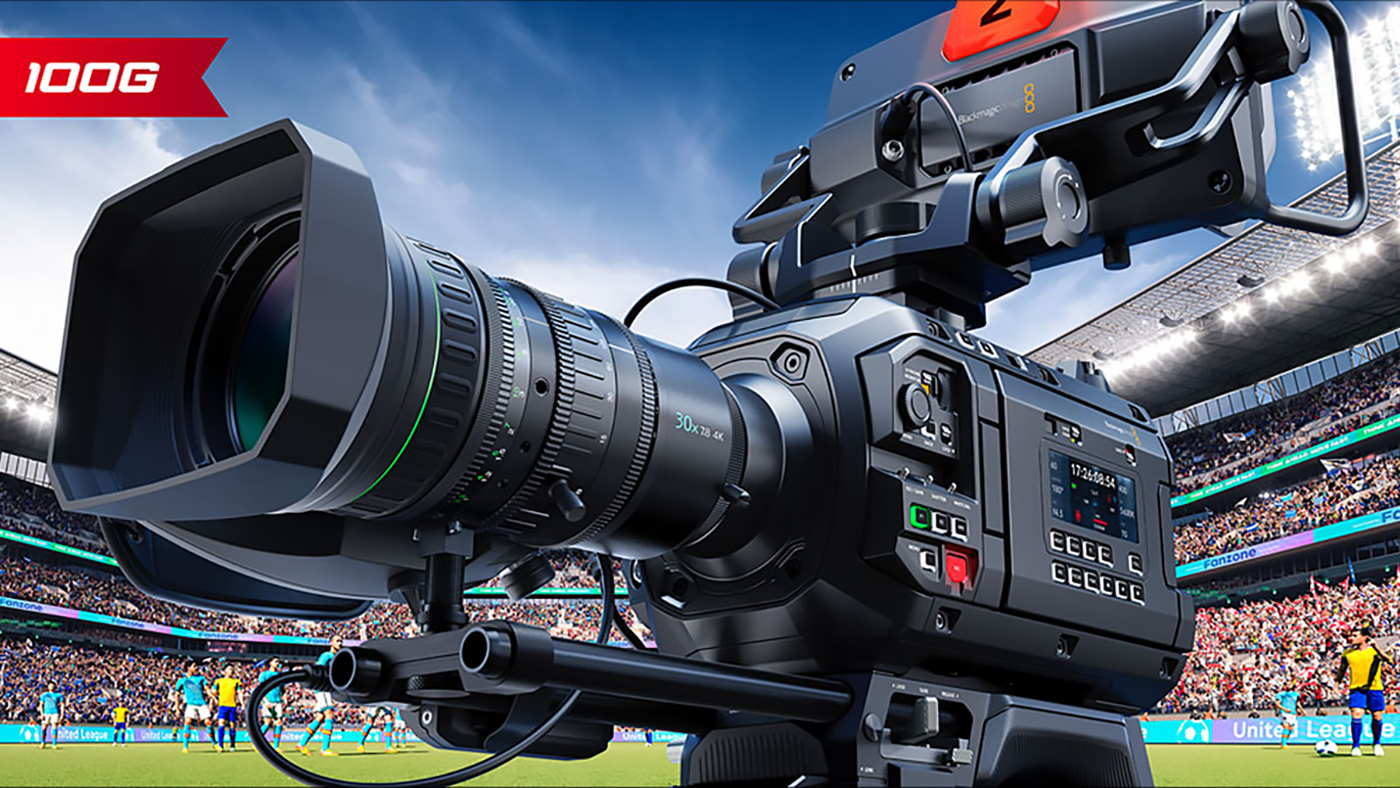
Blackmagic Design has officially announced the URSA Cine 12K LF 100G, a high-performance variant of its flagship cinema camera specifically engineered to bridge the gap between high-end digital cinematography and the demanding requirements of live broadcast environments. Revealed during a comprehensive pre-NAB 2026 presentation by CEO Grant Petty, the new camera headlines a suite of hardware and software updates designed to transition the industry toward a cinematic-quality live production standard. The primary innovation of the URSA Cine 12K LF 100G is its integrated 100G Ethernet connectivity, which facilitates high-frame-rate IP video output and uncompressed data transfer, enabling live production speeds of up to 440 frames per second (fps).
The announcement signals a strategic pivot for the Melbourne-based company. While Blackmagic Design has long maintained a presence in both the cinema and broadcast markets, the URSA Cine 12K LF 100G represents a convergence of these two previously distinct workflows. By implementing the SMPTE-2110 IP video standard directly into the camera’s architecture, Blackmagic is addressing the growing industry demand for high-resolution, high-dynamic-range (HDR) live content that maintains the aesthetic "film look" traditionally reserved for scripted features.
The URSA Cine 12K LF 100G: Technical Specifications and Live Capabilities
The URSA Cine 12K LF 100G is built around the same large-format sensor found in the standard URSA Cine 12K LF, offering a native resolution of 12,288 x 8,192 pixels and an expansive 16 stops of dynamic range. However, the "100G" designation marks a significant hardware upgrade. The inclusion of a 100G Ethernet port allows the camera to function as a high-bandwidth node within a network-based production environment.
In a live sports or event context, this bandwidth is utilized to deliver "Super Slow Motion" replays. When paired with a B4 lens mount—which utilizes a specific crop of the 12K sensor—the camera can output live video at up to 440 fps. This capability is intended to provide broadcasters with the ability to capture ultra-fluid, high-detail motion for instant replays, a feature typically limited to specialized and significantly more expensive slow-motion cameras.
The camera’s integration of the SMPTE-2110 protocol is a critical component for modern broadcast facilities. SMPTE-2110 allows for the transport of digital media over IP networks, replacing traditional SDI (Serial Digital Interface) cabling. This shift allows for greater scalability and flexibility in studio design. The URSA Cine 12K LF 100G can manage video, audio, and metadata over a single fiber connection, streamlining the "umbilical cord" usually required between a camera and a production truck.
Software Evolution for the Existing URSA Cine 12K LF
In addition to the new hardware, Blackmagic Design announced a major software update for the existing URSA Cine 12K LF. This update democratizes IP-based workflows by enabling SMPTE-2110 IP video output via the camera’s built-in 10G Ethernet port. While the 10G port does not support the extreme frame rates of the 100G model, it allows current owners to integrate their cinema cameras into live broadcast chains without the need for external converters.
The software update introduces a dedicated menu option for SMPTE-2110, allowing operators to toggle the output instantly. Furthermore, the update includes the ability to apply a dedicated 3D LUT (Look-Up Table) specifically to the IP output. This ensures that while the camera records high-dynamic-range RAW data internally for post-production, the live feed sent to the director or the broadcast switcher is correctly graded for immediate airing.
Strategic Accessories for the Broadcast Ecosystem
To support the transition of the URSA Cine into the broadcast space, Blackmagic Design introduced three key hardware accessories:
- B4 Lens Mount: This mount allows the URSA Cine to utilize industry-standard broadcast lenses. B4 lenses are favored in live production for their deep depth of field and extensive zoom ranges, which are essential for following fast-paced action.
- B4 Lens Adapter Cable: This specialized cable facilitates communication between the camera body and the B4 lens, providing power and enabling the camera’s control systems to manage the lens’s iris and zoom functions remotely via a switcher.
- 7-inch Studio Viewfinder G3: A high-brightness touchscreen monitor that connects via USB-C. This viewfinder is designed for studio and field operators, providing not only a high-resolution monitoring solution but also full access to the camera’s internal menu and control parameters directly from the screen.
Chronology of the NAB 2026 Announcements
The rollout of these products follows a specific timeline established during the April 2026 livestream. Grant Petty emphasized that while the company remains committed to the cinema market, the "Live Cinematic" movement is the next frontier for the industry.
- Early April 2026: Blackmagic Design previews the URSA Cine 12K LF 100G during a global livestream, showcasing real-world testing from professional ice hockey matches.
- Late April 2026 (NAB Show): The hardware is showcased for the first time at the National Association of Broadcasters (NAB) show in Las Vegas, allowing industry professionals to test the 440 fps output and the SMPTE-2110 integration.
- May 2026: Public beta for the 10G SMPTE-2110 software update for existing URSA Cine 12K LF users is scheduled for release.
- June 2026: Commercial availability of the URSA Cine 12K LF 100G, the B4 mount, the lens adapter cable, and the 7-inch studio viewfinder.
Pricing Structure and Market Positioning
Blackmagic Design continues its trend of aggressive pricing to disrupt the high-end market. The URSA Cine 12K LF 100G is priced at $8,995 for the body only. When compared to traditional broadcast camera chains from competitors like Sony or Grass Valley—which can often exceed $50,000 to $100,000 per unit when fully equipped—Blackmagic’s offering targets mid-tier production houses, house of worship venues, and sports leagues looking to upgrade to 4K/8K HDR workflows.
The accessory pricing is as follows:
- B4 Mount: $495
- Lens Adapter Cable: $95
- 7-inch Studio Viewfinder: $1,495
By keeping the entry point for a 12K cinematic live camera under $12,000 (including accessories), the company is positioning itself as the primary provider for the "prosumer" and professional broadcast sectors alike.
Broader Impact and Industry Implications
The introduction of 100G Ethernet in a camera at this price point has significant implications for the future of broadcast infrastructure. Most current live production environments are still transitioning from 12G-SDI to 10G IP networks. By leapfrogging to 100G, Blackmagic Design is future-proofing its hardware against the inevitable rise of 8K live streaming and the increasing data demands of high-frame-rate HDR content.
Industry analysts suggest that this move will accelerate the adoption of the SMPTE-2110 standard. Until now, the complexity and cost of 2110-compliant gear have been a barrier to entry for smaller broadcasters. Blackmagic’s "plug-and-play" approach—integrated directly into the camera menu—removes the need for complex external IP gateways.
Furthermore, the "cinematic" aspect of this release cannot be overstated. Standard broadcast cameras typically use smaller 2/3-inch sensors, which result in a flat, deep-focus look. The URSA Cine’s large-format sensor allows for a shallow depth of field, providing a more "expensive" aesthetic for live events. This is increasingly becoming the standard for high-profile broadcasts, such as the NFL and European football leagues, where "shallow depth" cameras are used on gimbals for sideline shots.
Official Reactions and Use Case Analysis
During the livestream, Grant Petty noted that the development of the 100G model was a direct response to feedback from high-end sports broadcasters. "We saw people using our cinema cameras for live work, but they were struggling with the data bottlenecks of SDI when trying to do high frame rates," Petty stated. "By moving to 100G Ethernet, we’re not just making a camera; we’re making a network node that can deliver the highest quality images possible without the traditional limitations of broadcast cables."
The demonstration of the ice hockey footage highlighted the practical application of 440 fps. At this speed, the micro-movements of the puck and the spray of ice are captured with extreme clarity, providing a level of detail that was previously only achievable in post-production after a film shoot.
As consumer technology continues to advance, with HDR-capable OLED and MicroLED televisions becoming commonplace, the demand for content that utilizes the full spectrum of those displays is rising. The URSA Cine 12K LF 100G, with its 16 stops of dynamic range, is designed to feed those displays. The ability to capture this data in a live environment suggests that the gap between "live TV" and "cinema" is closing rapidly.
The URSA Cine 12K LF 100G and its associated ecosystem are scheduled to begin shipping in June 2026, marking a pivotal moment in Blackmagic Design’s history as it seeks to dominate the next generation of IP-based, cinematic live production.