The Rise of Mini Producer: How Reality TV Star and Musician Jay Thomas Manuel Became a Viral Internet Phenomenon

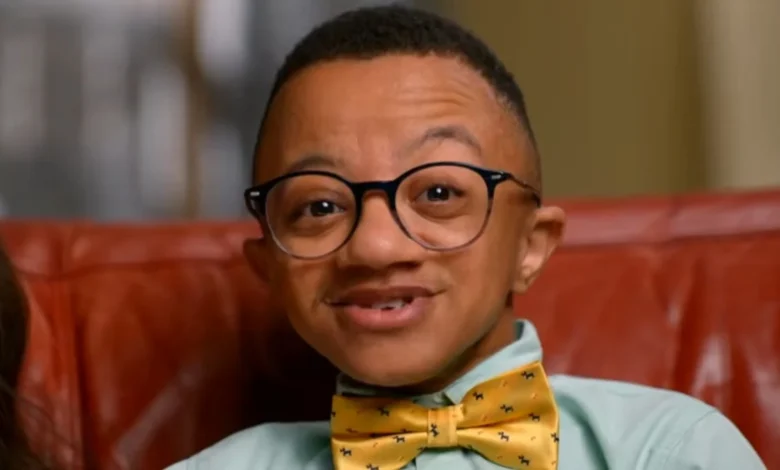
Jay Thomas Manuel, widely known across digital platforms by his moniker "Mini Producer," has rapidly ascended from a niche reality television personality to a ubiquitous internet meme. Born on October 21, 1995, Manuel wears many hats: he is a Billboard-charting music producer, a voice actor, an outspoken disability advocate, and the breakout star of the Discovery+ and TLC reality series Jay & Pamela. However, a convergence of television broadcast milestones and organic social media subcultures in late 2026 propelled Manuel into the upper echelons of digital virality, transforming his likeness, voice, and personal history into a widespread meme format across TikTok and Instagram Reels.
This unexpected cultural wave highlights the delicate and complex intersection between modern reality television accessibility, disability representation in media, and the lightning-fast, user-generated machinery of internet meme culture.
Main Facts and Early Background
To understand the current wave of online attention surrounding Manuel, one must examine his extensive background in the entertainment industry long before the algorithms took notice. Manuel lives with Osteogenesis Imperfecta Type 3—commonly referred to as brittle bone disease—a genetic disorder characterized by bones that break easily, often from little or no apparent cause. Additionally, Manuel is on the autism spectrum and is hard of hearing, factors that have profoundly shaped his personal worldview and his professional journey in the arts.
Demonstrating an early affinity for audio engineering and composition, Manuel began producing music during his high school years. Through dedication, technical skill, and collaboration within the contemporary music scene, he eventually achieved significant industry recognition, reportedly earning the distinction of a Billboard-charting producer. Alongside his music career, Manuel established himself as a voice actor, lending his talents to various projects and continuously advocating for greater inclusivity and accessibility for individuals with disabilities within the entertainment and media landscapes.
Manuel’s public profile shifted dramatically in March 2025 with the premiere of Jay & Pamela on Discovery+. The reality television series chronicled the intricate dynamics of Manuel’s relationship with his now-wife, Pamela Chavez, who also lives with Osteogenesis Imperfecta Type 3. The show offered viewers an intimate look into their daily lives, their pursuit of personal independence, the logistical and emotional challenges of managing severe physical disabilities, and the progression of their romance toward marriage. The authentic portrayal of their relationship struck a chord with audiences, leading to the greenlighting and subsequent premiere of the show’s second season on TLC in June 2026, further solidifying the couple’s presence in mainstream media.
Chronology of Digital Virality
While Manuel maintained a steady digital footprint for years—amassing a dedicated following of over 120,000 on Instagram and more than 520,000 on TikTok and X (formerly Twitter) under his @miniproducer handle—his transition into full-scale meme status occurred abruptly in October 2026.
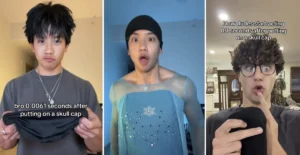
The phenomenon began when users on TikTok and Instagram Reels started isolating brief, expressive clips of Manuel sourced from his reality television appearances and personal social media uploads. Pairing these video snippets with humorous, relatable, or hyper-specific text captions, creators tapped into Manuel’s expressive delivery and unique mannerisms.
The chronology of this viral explosion reveals a rapid escalation in both volume and technological complexity:
- October 21, 1995: Jay Thomas Manuel is born. Years later, this exact calendar date would coincidentally align with the ignition of his viral fame.
- March 2025: The reality series Jay & Pamela premieres on Discovery+, introducing Manuel and Chavez to a broader television audience.
- June 2026: The second season of Jay & Pamela debuts on TLC, expanding the couple’s viewership and media visibility.
- Early October 2026: Short-form video creators on TikTok and Instagram begin clipping archival and recent footage of Manuel, utilizing his reactions for macro-style humor.
- October 21, 2026: Coinciding with Manuel’s birthday, popular TikTok creator @durk.clips publishes a video featuring a clip of Manuel laughing overlaid with the text, "How mfs on Thanksgiving react when they hear the mac n’ cheese is done." The post captures the public imagination, surging past 6 million views within a single week.
- October 23, 2026: Building on the momentum, @durk.clips releases a subsequent meme utilizing similar structural framing, which quickly accumulates over 7 million views in less than five days.
- October 25, 2026: The trend shifts from simple video clipping to advanced synthetic media. TikTok user @lockk.inn publishes an AI-generated video featuring a hyper-realistic simulation of Mini Producer interviewing actress Inde Navarette—known for her role as Nikki in the series Obsession. The video humorously transitions into surreal scenarios, including an allusion to Manuel attending an elaborate, Eyes Wide Shut-style masquerade party. The synthetic clip crosses 840,000 views in under 72 hours, demonstrating the burgeoning role of artificial intelligence in shaping modern internet humor.
Supporting Data and Audience Metrics
The quantitative scale of the Mini Producer meme wave underscores the sheer velocity of contemporary digital attention economies. Within days of the initial October 2026 spikes, individual clips routinely cleared multi-million view thresholds.
- Audience Growth: Manuel’s primary TikTok and X handle, @miniproducer, anchors a community of over 520,000 followers, bolstered significantly by the spillover effect from the October meme cycle.
- Engagement Rates: Content creators utilizing Manuel’s likeness observed exceptional engagement metrics. For instance, top-performing videos by independent accounts like @durk.clips secured between 6 million and 7 million views within a 5-to-7-day window, driven primarily by the algorithmic sharing mechanics of TikTok’s "For You" page and Instagram’s recommendation engine.
- Synthetic Media Integration: The incorporation of AI-generated video formats—exemplified by the @lockk.inn interview pastiche—highlights a growing sub-genre of meme creation where public figures are digitally rendered into fictional, highly absurd scenarios. This data point reflects broader industry trends regarding the accessibility and widespread deployment of generative video tools among amateur content creators.
Official Responses and Stakeholder Perspectives
As is often the case when an independent public figure or reality television personality crosses over into viral meme territory, the subjects face a complex balancing act between leveraging sudden digital notoriety and maintaining personal boundaries.
While Manuel himself has long championed visibility for the disability community, the decentralized nature of meme culture means that digital participants interpret and repurpose public figures in ways that diverge from their intended professional messaging. Representatives for reality television networks and digital talent management agencies frequently navigate a delicate path when internet humor intersects with individuals managing chronic medical conditions. However, supporters and disability advocates have noted that, provided the humor remains non-malicious and rooted in universally relatable human reactions (such as holiday anticipation or social interactions), the trend has effectively served to introduce hundreds of thousands of new viewers to Manuel’s professional music catalog, his voice acting work, and his advocacy platform.
Furthermore, the integration of Manuel into artificial intelligence video generation tools signals a notable shift in how digital culture interacts with living personalities. Legal and ethical discussions surrounding the unauthorized generation of hyper-realistic likenesses continue to evolve, yet in the immediate context of the Mini Producer phenomenon, the trend has operated largely within the informal boundaries of internet parodies and homage.
Broader Impact and Implications
The sudden transformation of Jay Thomas Manuel into "Mini Producer" offers valuable insight into the mechanics of modern digital culture, disability representation, and platform algorithms.
Historically, mainstream media representation of individuals with disabilities has often leaned heavily into tropes of tragedy, inspiration, or complete invisibility. By starring in his own reality television series alongside his wife, Manuel actively subverted these traditional frameworks by showcasing the mundane, romantic, humorous, and independent realities of adult life with Osteogenesis Imperfecta Type 3. The subsequent migration of his television persona into the realm of internet memes represents a fascinating democratization of fame. Internet users did not select Manuel out of pity or programmatic media training; they selected him because his expressive reactions, comedic timing, and recognizable voice functioned as perfect architectural components for digital satire and communal bonding.
At the same time, the trend illuminates the double-edged sword of algorithmic virality. While millions of internet users are now intimately familiar with Manuel’s face and voice, the challenge for the artist and advocate lies in converting brief, ephemeral meme consumption into sustainable, long-term appreciation for his primary creative endeavors—namely, his work as a Billboard-charting music producer and his ongoing advocacy for the disability community.
As artificial intelligence continues to democratize synthetic video production and short-form video platforms reward rapid-fire content recycling, figures like Jay Thomas Manuel occupy a new frontier in digital celebrity. Whether this viral wave ultimately leads to expanded television opportunities, heightened streams for his music production portfolio, or simply a permanent fixture in the annals of internet history, the phenomenon of Mini Producer demonstrates that authenticity, paired with the unpredictable nature of viral algorithms, remains one of the most powerful forces in modern media.