The Search for the Ideal iPhone Duo Kickstand Ends With an Unlikely Accessory

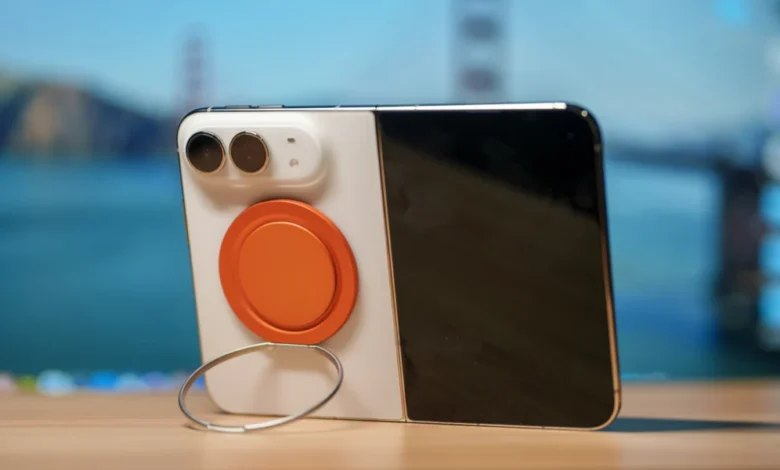
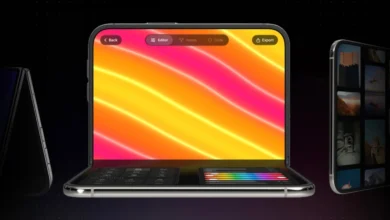
The release of Apple’s long-anticipated foldable handset, the iPhone Duo, has ushered in a new era of mobile computing design while simultaneously creating unexpected accessory hurdles for early adopters. Measuring an impressive 11.3 millimeters in thickness when folded, the device represents a significant engineering achievement. However, this form factor has introduced distinct ergonomics and weight-distribution challenges, particularly when users attempt to prop the device up on flat surfaces or mount it on existing MagSafe charging ecosystems.
While the consumer market has slowly begun rolling out peripherals tailored to the new foldable layout, the initial landscape has left many users dissatisfied. Official offerings, such as Apple’s $129 folio case equipped with an integrated kickstand, have faced criticism from consumers and reviewers alike for being structurally flimsy, excessively expensive, and awkwardly obstructive to the device’s secondary outer display. Similarly, third-party alternatives like MagSafe wallets that double as desktop kickstands have proven incompatible with the device’s unique physical dimensions, often stretching too far across the rear chassis and disrupting the magnetic alignment necessary for seamless charging and mounting.

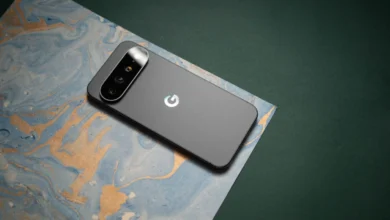
Against this backdrop of limited peripheral choices, practical testing has revealed that an optimal solution for iPhone Duo owners has been readily available on the market, albeit designed initially with standard slab-style smartphones in mind. The PopSocket Low-Pro—a low-profile, MagSafe-compatible accessory featuring a flush-folding ring that doubles as a media viewing kickstand—effectively addresses several of the most pressing usability complaints leveled against the iPhone Duo.
Evaluating the Form Factor and Ergonomic Hurdles of the iPhone Duo
To understand why traditional accessory designs falter when paired with the iPhone Duo, one must examine the physical dynamics of foldable smartphone architecture. When unfolded, foldable devices inherently distribute their weight asymmetrically compared to traditional iPhones. Reviewers and early users quickly identified a recurring flaw when placing the unfolded iPhone Duo onto standard MagSafe desktop stands: the heavier left half of the device exerts continuous downward gravitational pull, frequently causing the phone to slip, tilt, or slide out of alignment over extended viewing periods.
This gravitational slippage has rendered many conventional desktop charging docks frustrating to use in landscape or multi-tasking modes. However, integrating the PopSocket Low-Pro into the setup introduces a stabilizing physical footprint that significantly mitigates this issue. While minor slippage can still occur over prolonged periods under certain conditions, the accessory provides enough mechanical resistance and structural support to transform the user experience from cumbersome to reliably functional across a wide variety of third-party and Apple-branded MagSafe charging stands.

Crucially, this stabilization is achieved without sacrificing the minimalist appeal of using the iPhone Duo completely caseless. Given that the device already boasts a substantial folded depth of 11.3 millimeters, many users are understandably hesitant to compound the bulk by wrapping the phone in thick, protective shells or heavy folio cases. The Low-Pro variant lives up to its designation by maintaining an ultra-slim profile when collapsed. In practice, the accessory protrudes significantly less than the device’s native camera bump, remaining virtually imperceptible to the hand when the phone is held in a standard, closed configuration.
Market Landscape and Pricing Structure
The PopSocket Low-Pro is widely available through major online retailers, including Amazon, with pricing structured between $36 and $40 depending on the consumer’s preferred color finish. Standard neutral and patterned editions—such as Navy, Gunmetal, Black, Electric Fuchsia, Teal, Carbon Lattice, Mint, and Tortoise—are priced at $40. Meanwhile, select variants like Lilac and Orange benefit from a promotional 10% discount, bringing their retail price down to $36.
This pricing strategy positions the accessory competitively against Apple’s proprietary folio case, offering a functional alternative at a fraction of the cost while granting users the flexibility to retain the naked-metal aesthetic of their device.

Broader Implications for the Foldable Accessory Market
The unexpected utility of the PopSocket Low-Pro in solving the iPhone Duo’s ergonomic and mounting challenges highlights a broader trend within the mobile technology sector: the growing reliance on cross-category accessories to bridge the gap during early hardware transitions. As manufacturers continue to experiment with novel form factors like foldables and rollables, the accessory ecosystem often lags behind, forcing consumers to repurpose existing tools in creative ways.
Industry analysts note that as foldable adoption rates climb, third-party manufacturers will inevitably flood the market with dedicated hardware solutions designed specifically to address weight distribution, hinge protection, and secure desktop mounting. Until a robust ecosystem of dedicated folding-phone peripherals matures, however, hardware modifications and cross-compatible low-profile solutions like magnetic finger loops and specialized grips will likely remain essential tools for early adopters looking to maximize the daily utility of their devices without compromising on pocketability or design integrity.