The Ultimate Guide to Integrating Artificial Intelligence Tools into Your Online Store and Business Operations

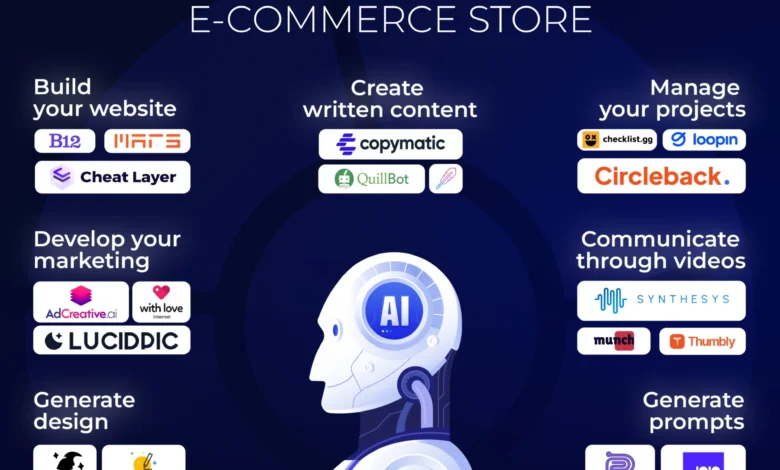
Artificial intelligence has officially transitioned from an experimental technology into a fundamental pillar of modern enterprise strategy. As language models, generative design software, and automated workflows become increasingly sophisticated, businesses across all sectors are rushing to integrate these capabilities into their daily operations. Far from being a passing technological fad, the adoption of artificial intelligence represents a permanent shift in how companies approach productivity, consumer engagement, and digital infrastructure. Recent industry data underscores this rapid transformation. According to a comprehensive study by AuthorityHacker, approximately 35 percent of companies have already integrated artificial intelligence into their core business processes. Furthermore, an overwhelming 90 percent of organizations now view AI-driven assistance as a critical competitive advantage, emphasizing that understanding the nuances and practical applications of these technologies is no longer optional for industry leaders. Additionally, consumer and enterprise hardware has evolved rapidly, with 77 percent of modern devices now incorporating built-in artificial intelligence functionalities to streamline user experience.
The genesis of this technological boom can be traced back through a well-documented timeline of rapid innovation and accessibility. The foundational milestones of this digital revolution highlight how quickly AI has permeated the mainstream economy:
- Late 2022: The public release of advanced generative conversational models captures global attention, demonstrating the viability of natural language processing for everyday business tasks.
- Throughout 2023: Software developers and enterprise platforms begin embedding AI capabilities into legacy software, transforming tools used for project management, graphic design, and customer relationship management.
- Early 2024: The market shifts from generalized AI adoption to hyper-specialized vertical integration, where businesses seek tailored AI solutions specifically designed for e-commerce, digital marketing, and automated video production.
- Present Day: Artificial intelligence is deeply embedded in the software stack of modern enterprises, prompting business leaders to curate comprehensive toolkits that optimize workflow efficiency and drive revenue growth.
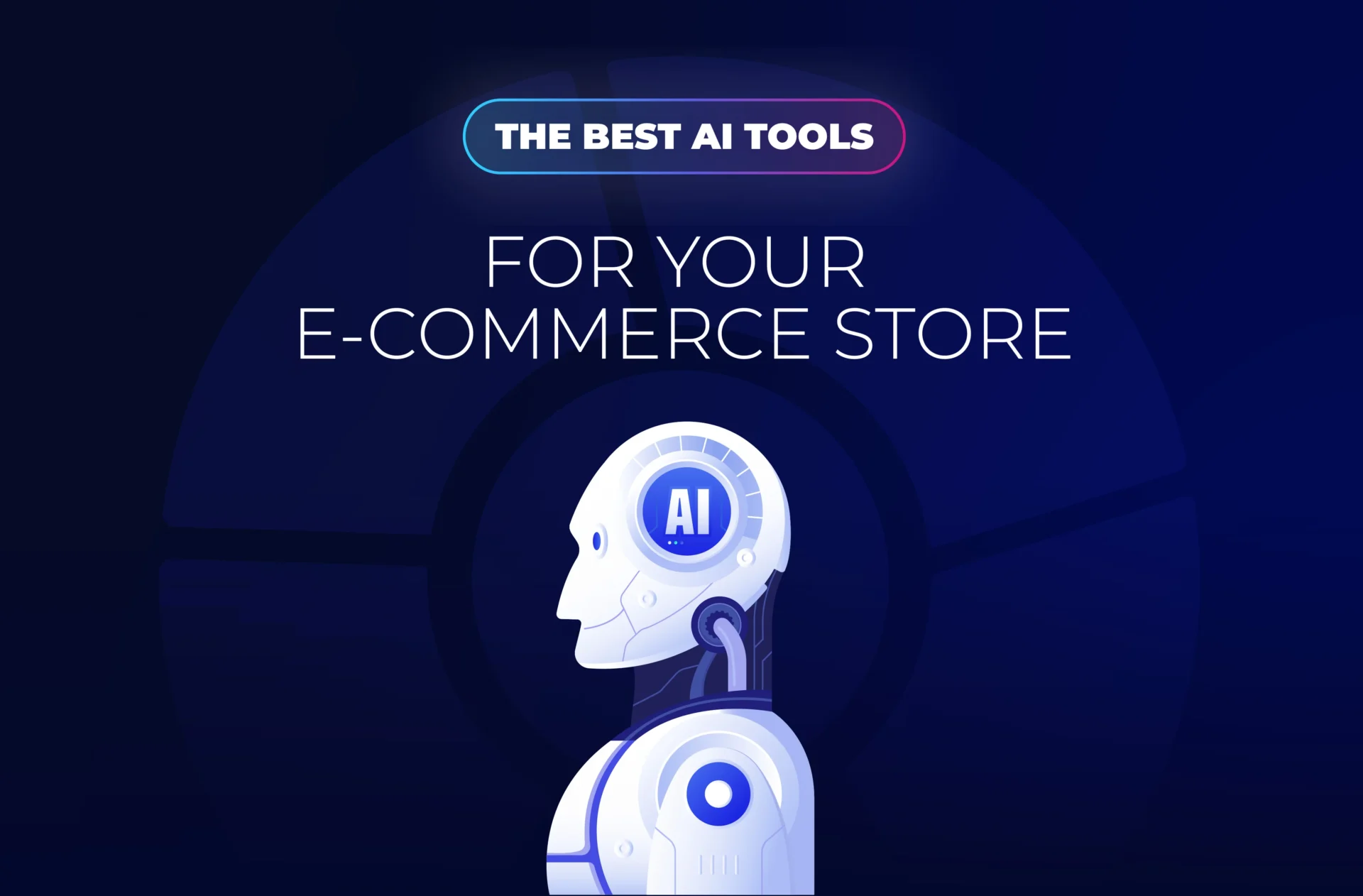
For e-commerce operators, digital marketers, and content creators, navigating this vast ecosystem of artificial intelligence applications can be daunting. To help organizations systematically evaluate and adopt the most effective technologies, industry analysts and business strategists have categorized these solutions by their primary operational functions.
Revolutionizing Web Development Through Intelligent Automation
Building and maintaining a professional, high-performing website no longer requires an extensive background in coding or expensive web development agencies. Modern AI-powered website builders and design assistants allow business owners to launch fully functional e-commerce platforms in a fraction of the traditional timeframe. These platforms utilize advanced machine learning algorithms to analyze brand guidelines, target demographics, and product catalogs, automatically generating responsive layouts, optimized user interfaces, and intuitive navigation structures. Industry experts note that automated website generation significantly lowers the barrier to entry for small and medium-sized enterprises, enabling them to establish a sophisticated digital storefront that rivals those of major multinational corporations.
Scaling Brand Reach With Advanced Marketing Technologies
Digital marketing has experienced a paradigm shift due to the implementation of predictive analytics and automated campaign generation. AI-driven marketing tools enable brands to analyze vast quantities of consumer data in real time, identifying purchasing patterns, demographic shifts, and behavioral triggers with unprecedented precision. By leveraging these insights, businesses can automate personalized email campaigns, optimize pay-per-click advertising bids, and dynamically adjust pricing models to maximize conversion rates. Marketing executives report that integrating artificial intelligence into promotional strategies drastically reduces customer acquisition costs while simultaneously improving return on investment across digital channels.
Enhancing Consumer Engagement Through Video Communication
Video content continues to dominate digital consumption, yet producing professional-grade video assets traditionally demands significant financial investment and technical expertise. Artificial intelligence has democratized video communication by introducing automated editing suites, synthetic voice generators, and AI avatar creation tools. E-commerce brands now utilize these technologies to produce localized product demonstrations, engaging social media advertisements, and interactive customer support videos at scale. This capability allows businesses to maintain a consistent, high-impact video presence across multiple platforms without scaling their internal production teams.
Streamlining Operations With Intelligent Project Management
As remote and hybrid work models become standard practice across the global economy, maintaining seamless collaboration and project oversight is paramount. AI-powered project management platforms utilize predictive modeling to forecast project timelines, identify potential operational bottlenecks, and automate routine administrative tasks such as meeting transcription and progress reporting. Industry analysts emphasize that these tools reduce the cognitive load on project managers, allowing human teams to focus on high-level strategic planning, creative problem-solving, and cross-departmental alignment.
Crafting Precision Prompts for Optimal Output
The efficacy of any artificial intelligence tool is fundamentally dependent on the quality of the instructions, or prompts, provided by the user. To bridge the gap between human intent and machine execution, specialized prompt-generation tools have emerged within the tech ecosystem. These applications assist users in structuring, refining, and optimizing prompts to elicit the most accurate and useful responses from large language models and generative software. Mastering prompt engineering has consequently become a highly sought-after skill in the contemporary labor market, bridging traditional administrative competence with technical AI literacy.
Scaling Content Marketing and Written Communication
Content creation remains a cornerstone of digital authority and search engine optimization. AI-assisted writing platforms enable content marketing teams to scale their output exponentially, drafting blog posts, product descriptions, social media copy, and white papers with remarkable speed. While human oversight remains essential for ensuring brand voice accuracy, factual integrity, and emotional resonance, these writing assistants serve as powerful force multipliers. Content directors note that AI integration allows editorial teams to redirect their energy toward comprehensive strategy, audience research, and high-impact storytelling.
Generating Professional Visuals and Graphic Design
Visual aesthetics play a critical role in consumer trust and brand perception within the e-commerce sector. Generative design tools have transformed graphic creation, allowing businesses to produce high-resolution product imagery, promotional banners, and social media graphics through simple text commands. This technology eliminates the immediate need for extensive graphic design resources, empowering small business owners to maintain a polished, visually cohesive brand identity across all digital touchpoints.
Broader Economic Impact and Strategic Implications
The widespread integration of artificial intelligence into business operations carries profound economic and strategic implications. Economists and labor market researchers observe that while AI automates routine and administrative tasks, it simultaneously creates new roles centered around technology oversight, data governance, and strategic implementation. Companies that successfully navigate this technological transition position themselves to operate with greater agility, reduced overhead, and enhanced customer responsiveness. Conversely, organizations that fail to adopt these tools risk obsolescence in an increasingly automated marketplace. As artificial intelligence continues to mature, the ongoing challenge for business leaders will not be finding applications for the technology, but rather establishing ethical guidelines, data security protocols, and continuous learning frameworks to sustain long-term competitive advantage.