The Viral Rise of the More Like a Quesadilla Guy: How a Five-Year-Old YouTube Background Reaction Captured TikTok

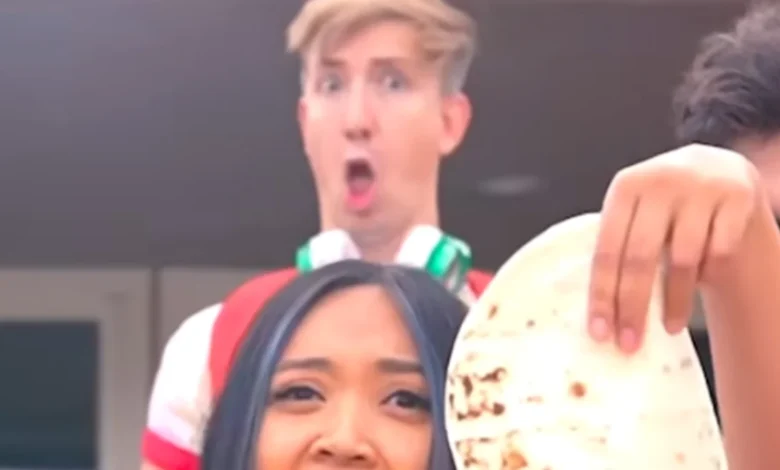
The modern landscape of internet meme culture frequently resurrects obscure, long-dormant digital media, transforming minor details into widespread viral sensations. The latest beneficiary of this phenomenon is YouTuber Chad Wild Clay, whose exaggerated background reaction in a 2021 music video has unexpectedly dominated social media feeds under the moniker the "More Like a Quesadilla" Guy. What began as a fleeting moment in a children’s action-comedy music video has evolved into a cross-platform trend characterized by facial accuracy reenactments, lip-dub performances, and relatable self-deprecating humor, primarily proliferating across TikTok in late 2026.
This digital lifecycle highlights the unpredictable nature of algorithmic discovery, proving that internet archives are continuously mined for out-of-context humor years after their initial publication.
Main Facts and Origins of the Meme
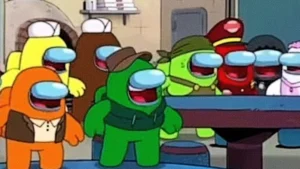
The foundational asset of the "More Like a Quesadilla" meme originates from the official music video for the song "Come Back Daniel," produced by the popular internet entertainment group Spy Ninjas and uploaded to Chad Wild Clay’s primary YouTube channel on May 8, 2021. The channel, known for its serialized, family-friendly mystery and martial arts content, has amassed tens of millions of subscribers over the years.
In the "Come Back Daniel" music video—which has accumulated over 94 million views since its release—group member Regina delivers a comedic, playfully aggressive rap verse roughly one minute and eleven seconds into the video. During her line, "Think you’re tough like a gorilla? Pshh, more like a quesadilla," the camera briefly captures fellow creator Chad Wild Clay standing in the background. Rather than maintaining a neutral composure, Clay delivers an intensely exaggerated, wide-eyed, and bewildered facial expression of mock shock, reacting directly to the absurdity of the lyric.
For more than five years, this specific frame existed as a minor visual detail within a piece of niche internet media aimed primarily at younger demographics. However, the dynamics of short-form video algorithms eventually bridged the gap between niche children’s entertainment and mainstream meme culture.
Chronology and Timeline of Viral Spread
The trajectory from an unnoticed background reaction to a viral template followed a gradual escalation before reaching exponential growth in November 2026.
The initial catalyst occurred on July 21, 2026, when TikTok user @thebiggestbird49 extracted the specific clip featuring Clay’s reaction. Publishing the snippet with the caption, "I’m sobbing what is his problem," the video resonated with viewers who were struck by the sheer intensity of Clay’s comedic acting. This initial post laid the groundwork by extracting the visual from its musical context, allowing audiences to view the reaction as a standalone piece of physical comedy.
The true viral explosion materialized in the opening days of November 2026. Stripped of its original context, the clip transformed into a versatile reaction format and physical challenge on TikTok. On November 1st, 2026, creator @0la.marie published a video adopting Clay’s facial expression paired with the self-referential caption, "’Why don’t you post your drafts?’ My drafts:." The post struck a chord with internet users, rapidly generating over 3 million views within a four-day window.
Following this breakthrough, the trend diversified into distinct sub-formats. On November 3rd, 2026, creator @joieatthedisco uploaded a lip-dub interpretation, while creator @frigginpacketjoe published an "accuracy reenactment"—a challenge where users attempt to mirror Clay’s exact facial geometry, eye widening, and head tilt with absolute precision. The latter video secured more than 1.4 million views in just 48 hours. By November 4th, additional creators such as @ilikeuncrider joined the movement, cementing the "More Like a Quesadilla" face as a staple short-form video challenge.
Supporting Data and Engagement Metrics
Quantitative analysis of the trend reveals significant digital engagement across multiple metrics, underscoring the velocity of modern meme propagation:
- Original Source Longevity: The source video, published in May 2021, surpassed 94 million lifetime views by late 2026, providing a massive baseline audience from which historical viewers could be retroactively activated.
- Initial Catalyst Traction: The July 2026 introductory TikTok post by @thebiggestbird49 secured over 1.5 million views within a four-month period, demonstrating sustained organic interest before the algorithmic surge.
- November 2026 Peak Velocity: Individual spin-off videos published during the first week of November regularly cleared hundreds of thousands to millions of views. Notable examples include @0la.marie’s draft-folder joke, which crossed 3 million views in four days, and @frigginpacketjoe’s physical reenactment, which eclipsed 1.4 million views in two days.
These figures illustrate how short-form video platforms can rapidly aggregate engagement around a single, highly specific micro-expression, converting seconds of background footage into a dominant cultural touchstone.
Broader Impact and Implications for Digital Media
The rapid rise of the "More Like a Quesadilla" Guy offers valuable insight into the mechanics of digital archiving and content resurrection. In an era where vast digital libraries are continuously indexed and recirculated by recommendation algorithms, older content is never truly obsolete. A piece of media produced years prior can be instantly decoupled from its original narrative framework and repurposed to serve contemporary internet humor.
Furthermore, the trend highlights the enduring appeal of physical comedy and expressive human reactions in digital spaces. In an online environment frequently saturated with heavily edited, highly stylized, and polished imagery, raw and exaggerated facial expressions—such as the one delivered by Chad Wild Clay—provide an accessible, highly relatable emotional shorthand. Users readily weaponize these expressions to articulate awkwardness, disbelief, or the absurdity of everyday digital life.
As platforms continue to evolve, phenomena like the "More Like a Quesadilla" meme demonstrate that cultural relevance is increasingly decentralized. Creators and internet personalities no longer dictate what becomes popular solely through active campaigning; instead, audiences actively comb through the digital ether, selecting arbitrary moments to celebrate, parody, and immortalize within the ever-expanding lexicon of internet culture.