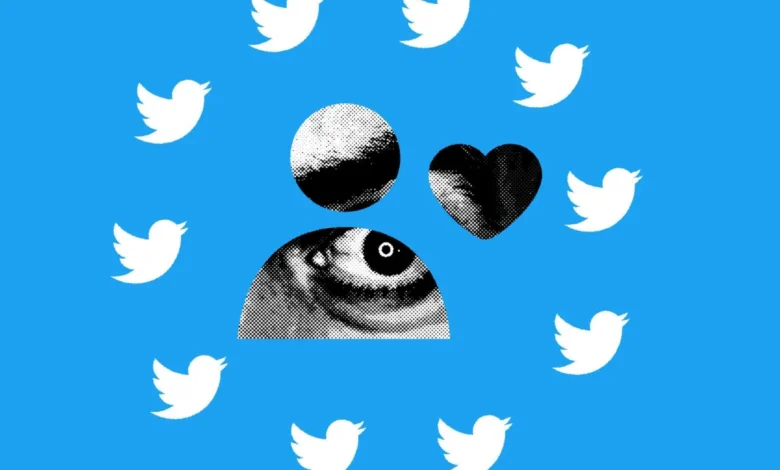
When Twitter launched its Circles feature in August 2022, the platform marketed the tool as a revolutionary step toward fostering safer, more intimate digital environments. Designed to provide users with the flexibility to curate specific audiences for individual posts, the feature promised an alternative to the binary choice of a fully public or fully private account. However, recent developments have revealed a critical failure in this infrastructure, as posts intended for small, vetted groups are being surfaced on the platform’s public "For You" algorithm, effectively stripping away the privacy protections users relied upon.
A Timeline of the Feature and its Failure
The rollout of Twitter Circles was intended to compete with "Close Friends" features found on rival platforms like Instagram, aiming to increase user retention by encouraging deeper engagement. For months, the feature functioned as advertised, allowing users to select up to 150 people to view content that would otherwise be restricted from public view.
The technical instability became apparent in early April 2023, approximately eight months after the feature’s inception and following a period of massive organizational upheaval at the company. On April 7, 2023, users began reporting that their "Circle" tweets were appearing in the main algorithmic feed, accessible to users who were neither part of the designated group nor, in some cases, even following the original poster.
The discovery was largely driven by user reports of unauthorized engagement. Adam Moussa, a New York-based media professional, noted that he received notifications of likes on a Circle post from individuals he did not recognize. Upon investigation, he discovered that not only were his own private tweets exposed, but his replies to other users’ Circle-protected content were also being injected into the public "For You" timeline. This breach has affected a wide demographic of users, ranging from those sharing casual thoughts to individuals posting sensitive, sexually explicit, or identifying information.
The Anatomy of the Technical Oversight
While Twitter has not provided a detailed post-mortem regarding the technical failure, industry experts suggest that the breach is likely linked to the platform’s aggressive algorithmic modifications. Following the acquisition of Twitter by Elon Musk in October 2022, the company prioritized the optimization of the "For You" feed to maximize user engagement.
Melissa Ingle, a former senior data scientist at Twitter who was impacted by the layoffs in November 2022, characterized the situation as a fundamental breakdown of backend logic. "Your Circle is your trusted group of friends, and to see those posts outside that group suggests the algorithm is lacking basic functionality," Ingle stated. The consensus among many former staff members is that the depletion of the engineering workforce—which saw a reduction of well over 50% of its headcount—has made it increasingly difficult to maintain the integrity of legacy features while simultaneously pushing rapid, sweeping updates to the core discovery engine.
Data Privacy and the Erosion of User Trust
The implications of this breach extend beyond mere annoyance. For many marginalized communities, the "safe space" provided by Circles was a lifeline. Abraham Josephine Riesman, an author who utilized the feature to share personal photos, highlighted the risks posed to vulnerable groups, such as transgender individuals who may use private circles to discuss gender identity before they are ready to be "out" in the public sphere.
The exposure of such content is not merely a technical bug; it is a significant privacy violation that undermines the contract between a social media provider and its user base. The "For You" algorithm, which is designed to identify "high-engagement" content, likely prioritized these posts because they often contain personal, "spicy," or controversial subject matter, which typically drives higher interaction rates than mundane public posts. By pulling these posts into the mainstream feed, the algorithm inadvertently weaponized the privacy settings intended to protect the users.
The Silence from Corporate Leadership
As of the date of the reports, Twitter has failed to provide a formal, substantive explanation for the breach. The company’s press department, which was significantly dismantled under the new ownership, has defaulted to an automated reply consisting of a single "poop" emoji when reached for comment. This response has drawn widespread criticism from digital rights advocates, who argue that the lack of transparent communication regarding security vulnerabilities is unacceptable for a platform of Twitter’s scale and influence.
This lack of institutional accountability stands in stark contrast to the company’s original marketing of the feature. When the feature was first introduced, the company championed it as a way to put "power into the hands of people on Twitter," citing endorsements from organizations like Belong To, which supports LGBTQ+ youth in Ireland. The current reality is that users who relied on that promise of power now find themselves with diminished control over their own digital footprint.
Broader Implications for Social Media Culture
The failure of Twitter Circles serves as a case study in the volatility of modern digital infrastructure. Ellen Walker, a researcher of internet storytelling at the Royal College of Art, notes that users often fall into a trap of assuming digital privacy is a permanent state. "As quickly as enclosed digital spaces can be curated, they can be taken away in a flash," Walker explained.
This incident suggests that the "trust-based" model of social media—where platforms act as the custodians of private data—is increasingly precarious. If a platform’s central discovery algorithm is capable of overriding explicit privacy settings, the entire architecture of that platform becomes suspect. For users, the lesson has been harsh: "locked" accounts or private groups are no longer ironclad guarantees of confidentiality.
The incident also signals a potential shift in how users interact with legacy social media giants. Many long-time users have begun to express a sense of resignation, acknowledging that the platform is no longer the reliable space it once was. As noted by those impacted by the breach, the feeling is one of betrayal, compounded by the suspicion that the constant, rapid-fire "tinkering" with the platform’s core code is creating a fragile environment where security is sacrificed at the altar of engagement metrics.
Conclusion: A Turning Point for Platform Responsibility
The Twitter Circles debacle is a cautionary tale regarding the dangers of rapid, unchecked development within social media companies. When complex privacy features are subjected to the whims of an algorithm designed for mass-market engagement, the result is often a catastrophic failure of the user experience.
As Twitter continues to navigate its post-acquisition transition, the incident underscores a critical need for rigorous quality assurance and ethical oversight in software engineering. Until the platform can demonstrate that it has restored the integrity of its privacy-focused features, users are likely to remain wary of sharing anything on the site that they would not want to see displayed to the entire world. The breach has not only compromised individual accounts; it has eroded the fundamental trust that is the currency of all social networking sites. As the digital landscape continues to evolve, the demand for accountability and robust security will only become more pronounced, serving as a reminder that in the world of online interaction, there is no such thing as "guaranteed" privacy.