Unlocking Customer Context: How Social CRM Transforms Comments and DMs Into Actionable Business Intelligence


The digital landscape has fundamentally shifted the perimeter of customer relationship management. What was once a domain strictly dominated by historical purchase histories, email threads, and reactive support ticket queues has expanded dramatically into real-time digital ecosystems. Today, modern commerce happens in the comment sections of Instagram Reels, within the fast-moving direct messages of X, and across unprompted brand mentions spanning global social platforms. In response to this evolution, businesses are increasingly adopting Social Customer Relationship Management (Social CRM) to bridge the gap between structured consumer data and unstructured, spontaneous social interactions.

Traditional customer relationship management architectures have long served as the backbone of corporate sales, marketing, and support divisions. However, these legacy platforms were built primarily for a transactional era—one defined by deliberate email communications, structured telephone logs, and formalized support tickets. While invaluable for auditing past behavior, traditional CRMs inherently operate with a historical lens. They register what a customer did yesterday or last month, but they frequently miss the contextual, emotional, and real-time nuances of what that same customer is feeling, experiencing, or demanding right now.
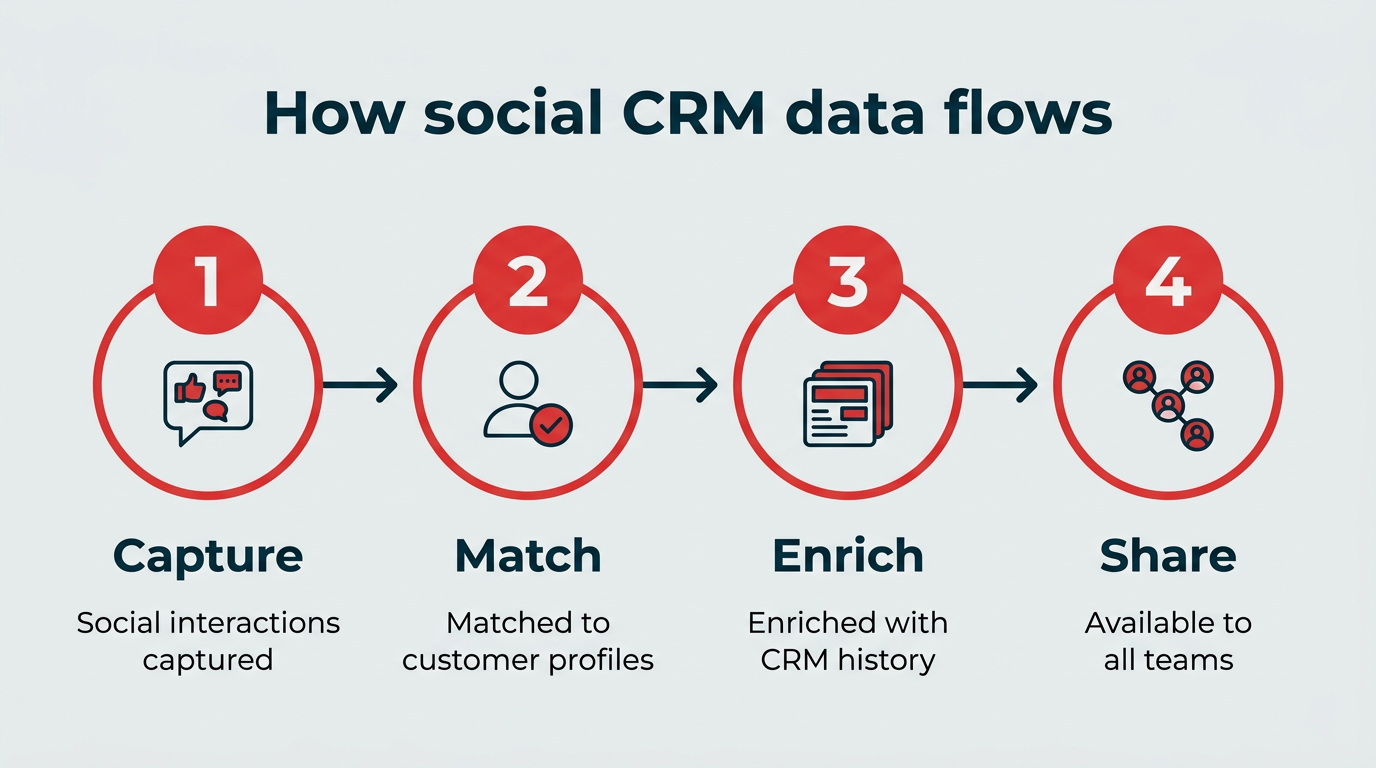
Social CRM changes this dynamic entirely by synthesizing real-time conversations with historical account data. By integrating social channels directly into centralized customer databases, organizations can capture unstructured data—such as sentiment shifts, sarcastic commentary, brand mentions, and direct inquiries—and tie them directly to individual customer profiles. This convergence transforms siloed departments into unified, highly responsive operational units where marketing, sales, and customer care share a single, living source of truth.

The Imperative of Responsiveness in Modern Commerce
The urgent adoption of Social CRM is driven largely by rapidly evolving consumer expectations and an expanding experience gap. According to global research from Forrester, the discrepancy between the customer experiences brands intend to deliver and those customers actually receive continues to widen. In an era where digital interactions are public by default, this experience gap is most visibly exposed on social media, where unresolved complaints or ignored queries play out in front of an audience of peers, competitors, and prospective buyers.
Consumer behavior studies underscore the high stakes of digital responsiveness. Data compiled in Hootsuite’s comprehensive consumer research indicates that over half of surveyed consumers—53 percent—consider swift, direct responses to questions and comments on social media to be a brand’s most appealing attribute. Conversely, corporate silence carries severe consequences. Approximately 32 percent of consumers report that they will actively unfollow a brand that fails to interact with its community or respond to mentions, while 28 percent will sever ties specifically over ignored negative or challenging feedback.
Volume has compounded these operational pressures. In the nascent days of digital marketing, a handful of brand mentions could be managed manually through ad-hoc spreadsheets or fragmented browser tabs. At today’s corporate scale, manual data transcription is entirely unsustainable. Automated integration of social touchpoints into enterprise databases has therefore transitioned from a luxury to an operational necessity for maintaining brand equity and customer retention.
Comparative Anatomy: Traditional Versus Social CRM
To understand the operational shift occurring within modern enterprises, it is vital to examine the core distinctions separating traditional CRM methodologies from their social counterparts.
Traditional CRM frameworks focus almost exclusively on structured, historical data. Their primary communication vectors are email, telephone calls, and formal web forms. They are predominantly reactive, serving as archives for past purchases and logged complaints, and they are typically managed by isolated teams—sales reps handling pipelines, or support agents managing individual tickets.
In contrast, Social CRM is inherently proactive, real-time, and collaborative. It tracks both structured and unstructured data streams, seamlessly pulling in direct messages, video comments, and viral brand mentions. Rather than remaining confined to a single department, social data is shared fluidly across marketing, sales, and support infrastructure. Data freshness shifts from historical archives to live, streaming interactions, allowing organizations to capitalize on fleeting consumer intent.
The Technological Ecosystem: Built-In, Standalone, and Hybrid Platforms
Organizations deploying Social CRM typically select from three primary architectural models, each offering distinct advantages depending on organizational size and complexity.

Built-in options integrate basic social monitoring features directly into an existing CRM infrastructure. While this approach keeps all customer contact information within a single master system, it often lacks the deep analytical depth and multi-channel publishing power required by dedicated social media teams.
Standalone social CRM platforms specialize intensely in social media management, utilizing robust integrations to sync captured data back to enterprise CRMs. This methodology provides advanced social capabilities while preserving the integrity of core customer records.
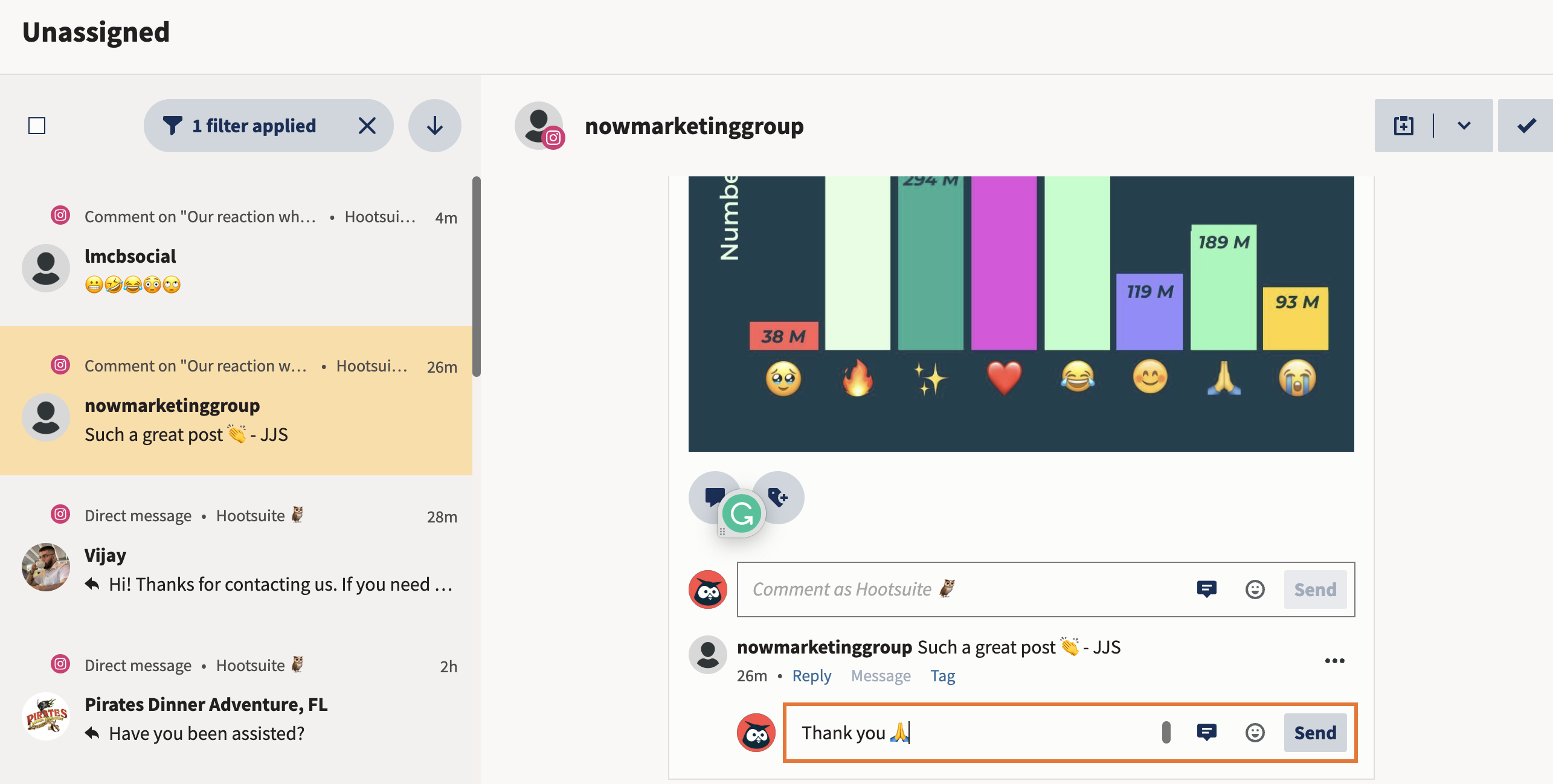
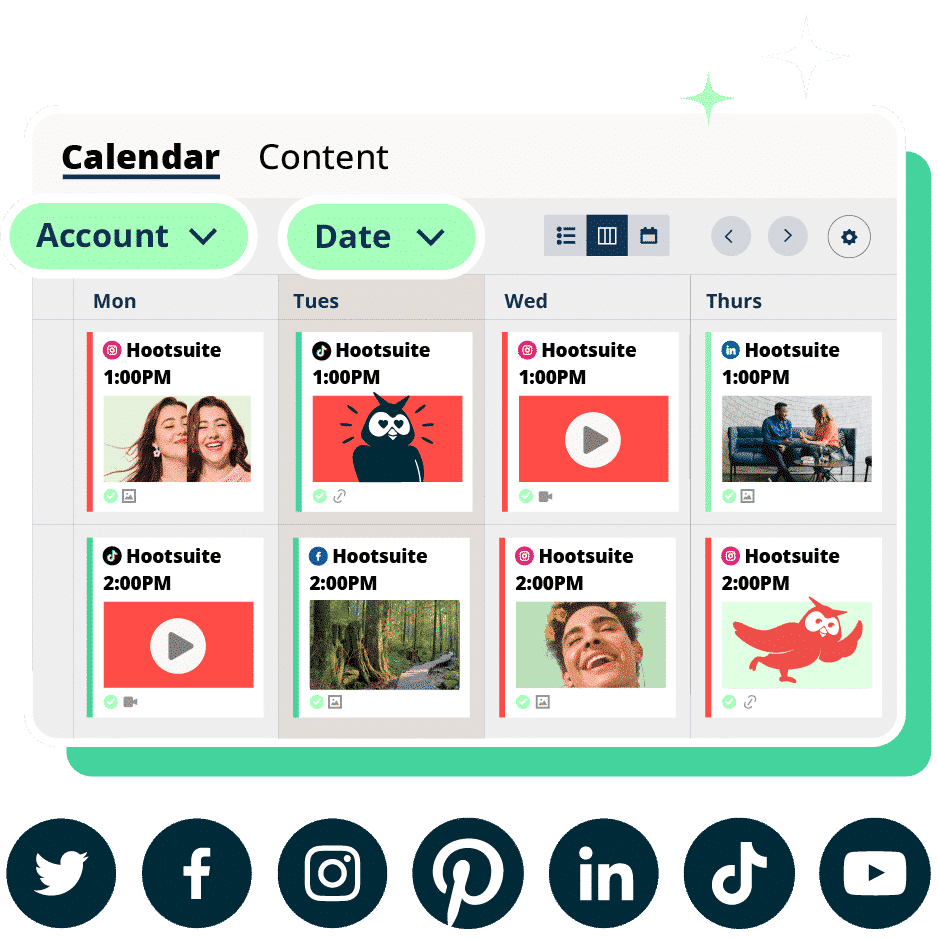
Increasingly, however, organizations are gravitating toward a hybrid architecture known as a social operating system. Platforms built within this category sit gracefully between standalone social tools and legacy CRMs. They natively handle social listening, publishing, and customer engagement, layer advanced artificial intelligence on top of those data streams, and feed the resulting intelligence directly into enterprise systems such as Salesforce or Microsoft Dynamics 365. This convergence blurs the traditional boundaries between social software and database management, to the immense benefit of cross-functional enterprise teams.
Artificial Intelligence and the Automation of Context

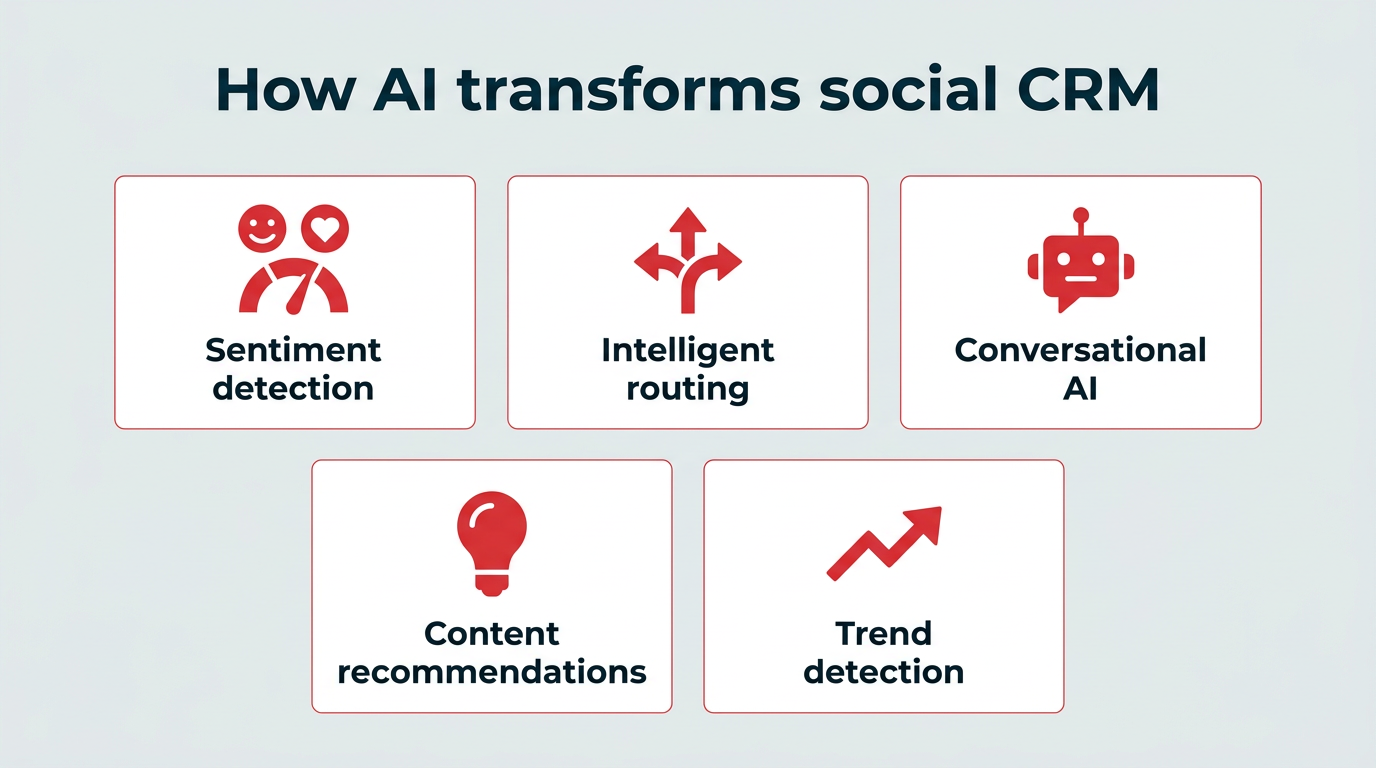
Artificial Intelligence has permanently altered the functional capabilities of Social CRM. Historically, the sheer volume of unstructured social data created massive administrative bottlenecks, with teams spending hours manually sorting, categorizing, and routing messages. Modern AI-driven CRM platforms have transformed these workflows entirely.
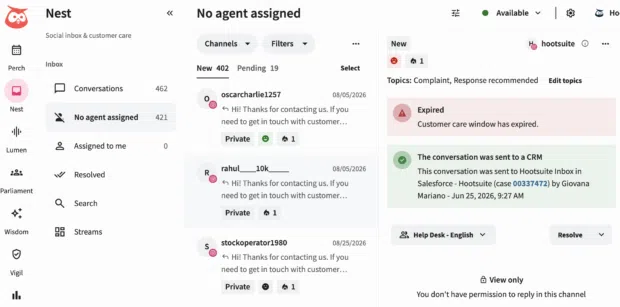
Rather than forcing support agents to manually triage hundreds of unsorted messages, advanced AI engines automatically categorize inbound traffic. Urgent complaints are instantly routed to the top of the queue, repeat questions are preemptively answered via automated knowledge-base matching, and customer profiles are instantly updated with sentiment scores and intent indicators.

AI-powered social listening has similarly revolutionized how brands interpret market signals. Traditional monitoring tools rely strictly on rigid keyword searches, frequently missing nuance, sarcasm, or emotional drivers. Advanced machine learning models, by contrast, analyze sentiment, emotional triggers, and emerging topic clusters across multiple languages simultaneously. When a localized frustration trend begins bubbling up in a specific geographic market, AI algorithms flag the anomaly long before it manifests as a systemic crisis, allowing communications teams to pivot strategy proactively.
Driving Value Across Key Enterprise Departments
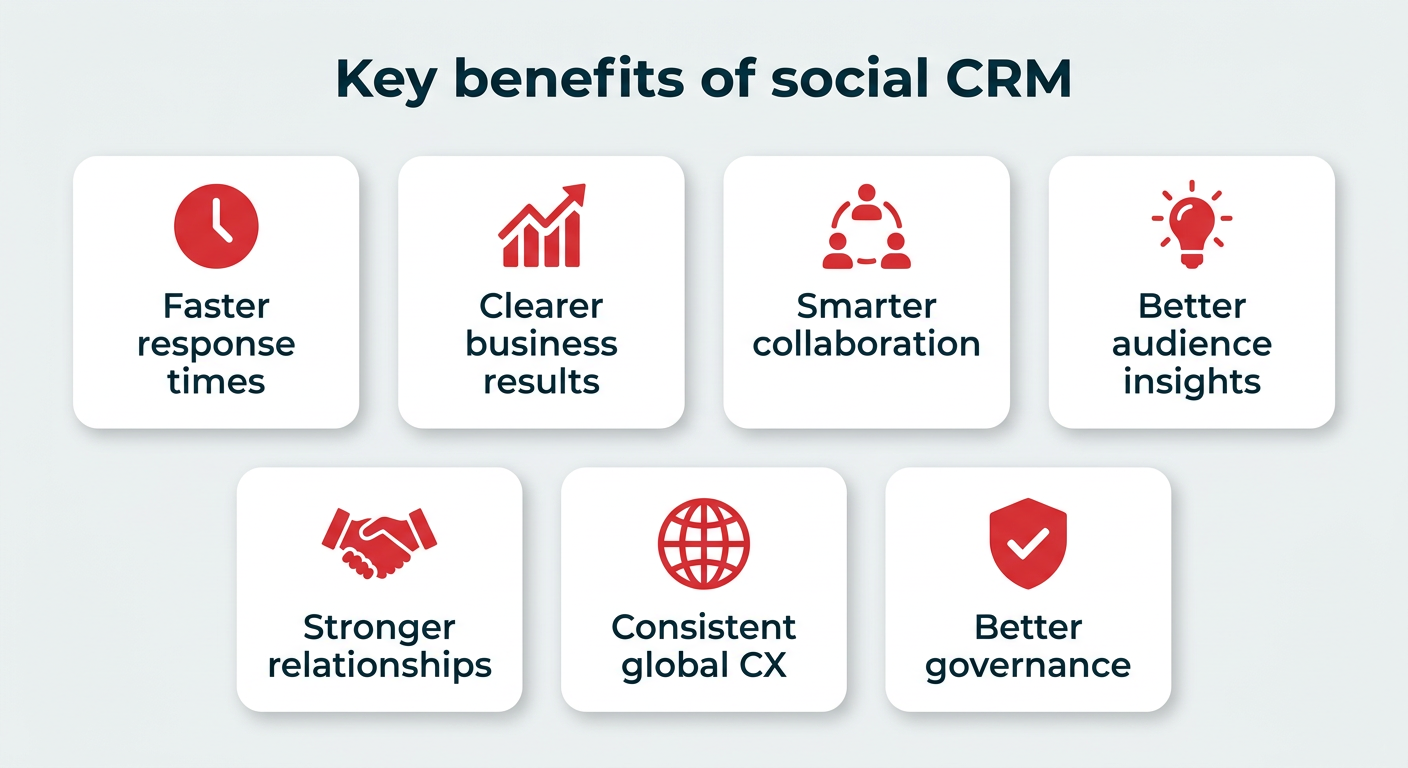
The implementation of a robust Social CRM strategy yields tangible operational benefits across three vital enterprise functions: customer service, sales, and marketing.
For customer service teams, Social CRM eradicates the friction of fragmented communication channels. When a customer contacts a brand via Instagram DMs regarding an issue they previously raised via email, support agents no longer require the customer to repeat their history. The complete cross-channel timeline is displayed within a unified interface. Auto-routing protocols ensure that complex issues are instantly directed to specialized personnel, drastically lowering average response times and improving overall resolution rates.
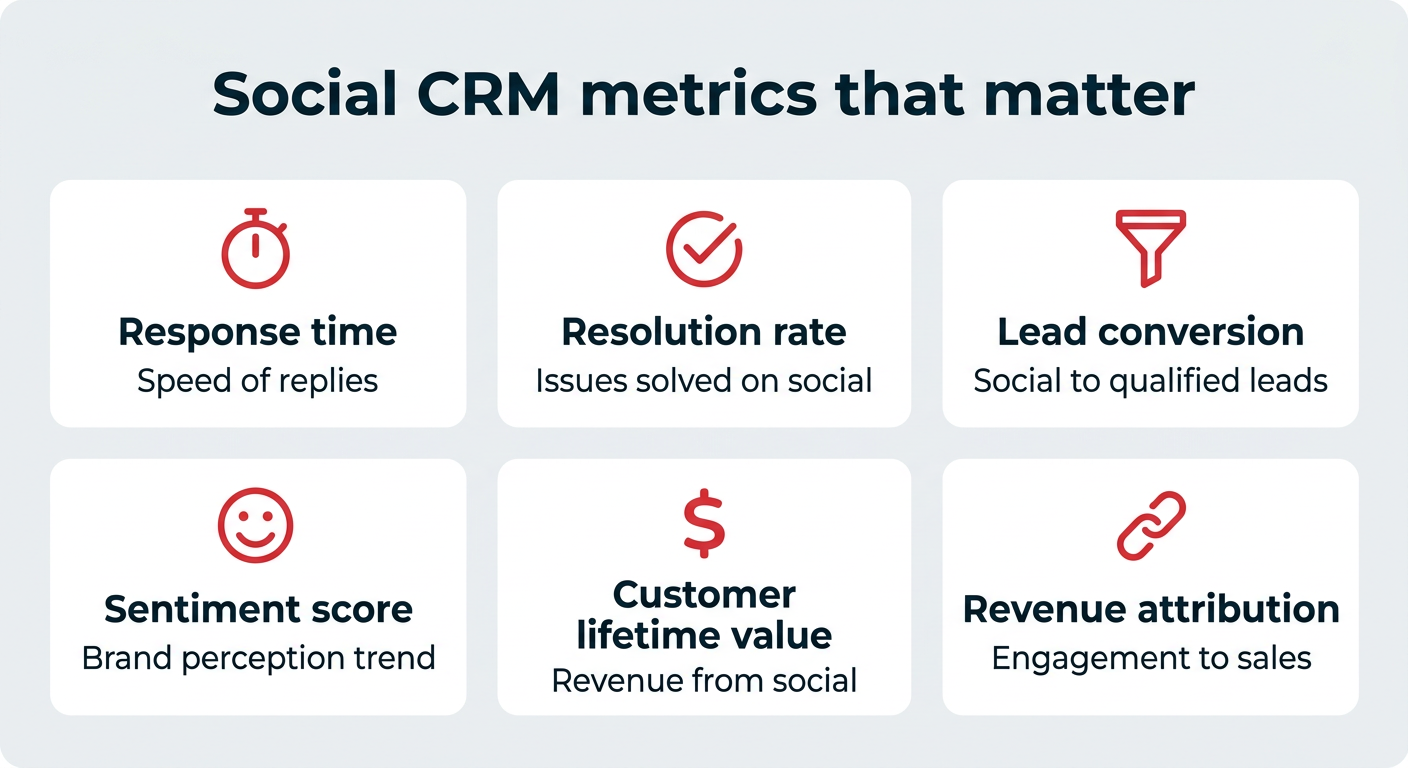
For sales divisions, social interactions represent high-intent signals that far outpace the predictive value of static cold-outreach lists. A prospect who repeatedly engages with product-focused video content, saves comparison posts, and submits a pricing inquiry via direct message is exhibiting clear commercial intent. Social CRM links these behavioral signals directly to CRM pipelines, enabling sales representatives to prioritize outreach based on demonstrated interest rather than arbitrary alphabetical sorting. Furthermore, AI lead-scoring models analyze engagement patterns to pinpoint which social conversations warrant immediate commercial follow-up.
For marketing departments, the integration of social data into core customer profiles offers unprecedented clarity regarding audience composition. Rather than relying on demographic assumptions, marketers can construct hyper-targeted content strategies informed directly by the authentic questions, desires, and pain points expressed by their community. Furthermore, by linking social engagement metrics directly to closed-loop revenue reporting within the CRM, marketing leadership can accurately measure and defend social media return on investment.
Strategic Implementation Framework
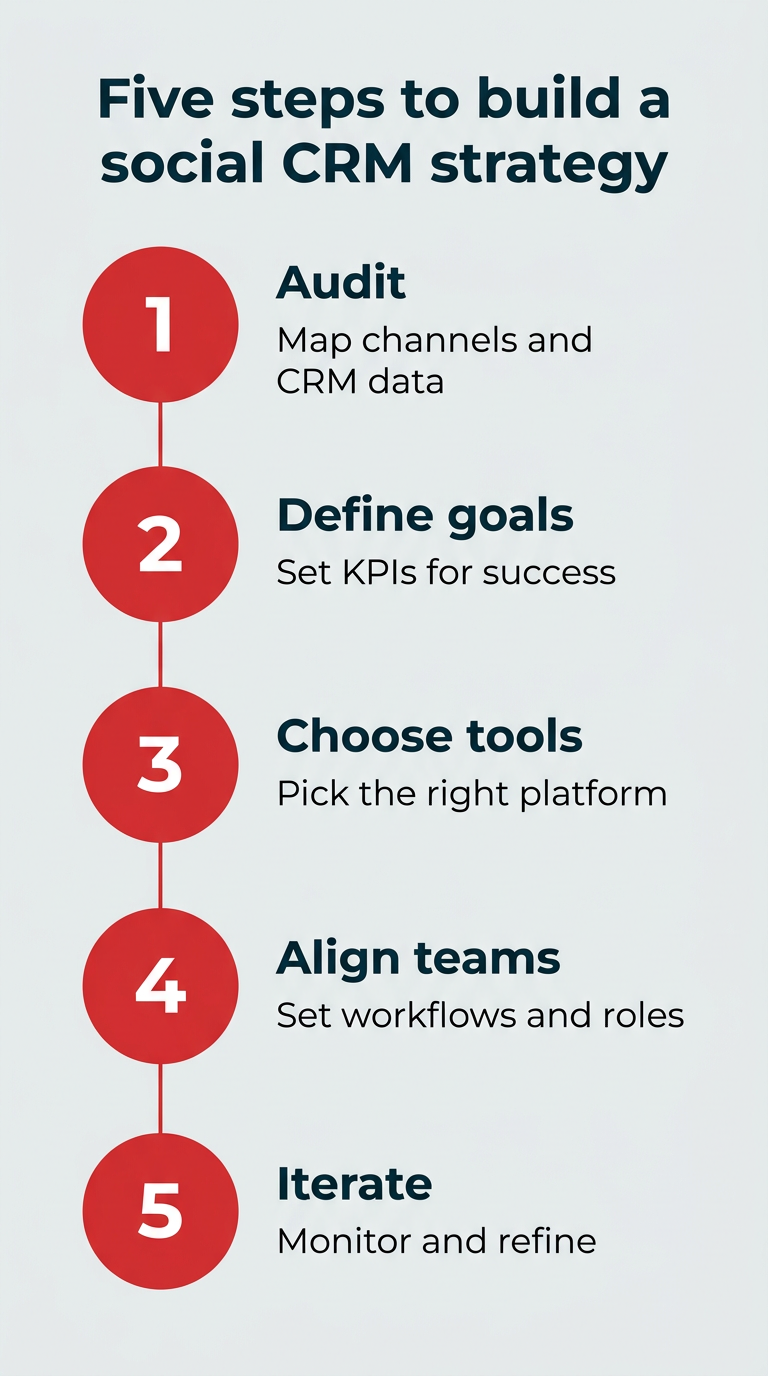
Successfully deploying a Social CRM initiative requires a disciplined, step-by-step methodology designed to align technology, processes, and personnel:
- Audit Current Infrastructure: Map existing social channels against data currently captured within legacy CRMs to identify operational blind spots and data silos.
- Define Quantifiable Objectives: Establish clear Key Performance Indicators—such as reduced response times, improved lead conversion rates, or elevated sentiment scores—before selecting technology partners.
- Select Scalable Tools: Invest in platforms that offer seamless, automated integrations with existing enterprise databases, minimizing the need for manual data entry.
- Align Cross-Functional Workflows: Establish rigorous routing rules, ownership boundaries, and response guidelines shared explicitly by marketing, sales, and support divisions.
- Continuously Iterate: Regularly review performance metrics against defined goals, leveraging AI-driven insights to refine strategies in real-time.
As global commerce becomes increasingly decentralized and digitally native, the organizations that successfully dissolve the barriers between social media engagement and core customer data will define the standard for modern customer experience. By transforming ephemeral comments and direct messages into permanent, actionable CRM context, businesses can transition from reactive communication to proactive, relationship-driven growth.