Apple Watch Vs Whoop
Apple Watch vs. WHOOP: A Deep Dive into Fitness Trackers for Performance and Health
The choice between an Apple Watch and a WHOOP strap hinges entirely on individual priorities. The Apple Watch, a sophisticated smartwatch, offers a broad spectrum of features extending far beyond fitness tracking, encompassing communication, productivity, and a vibrant app ecosystem. WHOOP, conversely, is a specialized performance and recovery tracker, laser-focused on providing actionable insights for athletes and health-conscious individuals aiming to optimize their physical well-being. This article will dissect the core functionalities, data outputs, target audiences, and overall value propositions of each device, empowering users to make an informed decision based on their specific needs.
Core Functionality: Smartwatch Powerhouse vs. Dedicated Biometric Monitor
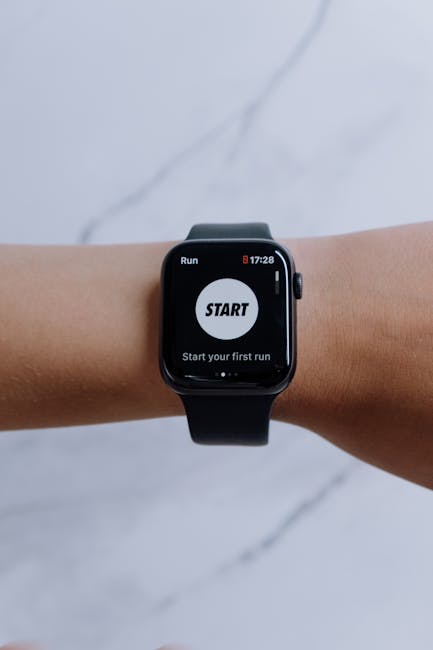
The Apple Watch is fundamentally a smartwatch, designed to be a seamless extension of your iPhone. Its primary functions include receiving notifications, making calls, sending messages, accessing apps like Apple Music and Maps, and utilizing Apple Pay. Fitness tracking is a significant component, with the Apple Watch excelling in activity rings, workout tracking for a wide variety of sports, and general step counting. It integrates with Apple Health, creating a comprehensive digital health record. The Apple Watch also boasts advanced health sensors like an ECG app for heart rhythm irregularities, blood oxygen monitoring, fall detection, and temperature sensing for cycle tracking. Its vibrant display and user-friendly interface make it an intuitive device for everyday use, seamlessly blending technology and personal health.
WHOOP, on the other hand, is a discreet, screenless strap that prioritizes continuous biometric data collection. Its core purpose is to quantify strain, recovery, and sleep, providing users with a daily readiness score. The WHOOP strap tracks heart rate, heart rate variability (HRV), respiratory rate, skin temperature, and motion to derive these critical metrics. Unlike the Apple Watch, WHOOP’s focus is not on real-time notifications or app integration. Instead, it gathers data passively and presents insights through a companion mobile app. The app is designed to provide a deep understanding of how daily activities, training, and lifestyle choices impact the body’s ability to perform and recover. Its strength lies in its sophisticated algorithms that translate raw biometric data into easily digestible and actionable recommendations.
Data Metrics and Insights: Breadth vs. Depth
The Apple Watch offers a wide array of data, appealing to users who want a holistic view of their activity and basic health. It tracks steps, distance, active calories burned, workout duration, heart rate during workouts, and provides summaries of daily activity through its iconic Activity Rings (Move, Exercise, Stand). Advanced features like ECG readings, blood oxygen saturation (SpO2), and sleep stage tracking offer more in-depth health information. The Apple Health app aggregates this data, allowing for long-term trend analysis and sharing with healthcare providers. While it provides workout summaries and general insights, its primary strength is in tracking what you did and how much you moved.
WHOOP distinguishes itself by offering a deeper, more nuanced understanding of physiological responses. Its key metrics are Strain, Recovery, and Sleep. Strain measures the cardiovascular load and physiological stress placed on the body during any given activity. Recovery quantifies the body’s ability to perform and adapt, considering sleep quality, HRV, and resting heart rate. Sleep is meticulously analyzed, not just for duration but for sleep stages (light, deep, REM) and disturbances, highlighting its critical role in recovery. WHOOP’s proprietary algorithms then combine these metrics into a daily Recovery score, indicating the user’s readiness to train or perform. The app provides personalized recommendations on training intensity, sleep targets, and lifestyle adjustments to optimize performance and prevent overtraining or burnout. It focuses on the why and how your body is responding, offering a more predictive and prescriptive approach to training and well-being.
Target Audience: The Everyday User vs. The Dedicated Athlete
The Apple Watch is designed for a broad audience, from casual users seeking to improve their general fitness and stay connected to tech enthusiasts who appreciate its extensive smart features. Its user-friendly interface and integration with the Apple ecosystem make it accessible to a wide range of individuals, including those new to fitness tracking. It’s an excellent choice for someone who wants to monitor their daily steps, track occasional runs or gym sessions, and leverage smart functionalities for everyday convenience. The Apple Watch appeals to individuals who value a device that can do it all, serving as a personal assistant, communication hub, and health monitor.
WHOOP is primarily targeted towards serious athletes, endurance athletes, and individuals deeply committed to optimizing their physical performance and recovery. This includes professional athletes, CrossFit enthusiasts, runners, cyclists, and anyone who engages in high-intensity training and seeks to understand the intricate relationship between effort, rest, and performance. It’s also valuable for individuals focused on proactive health management and injury prevention. The screenless design and subscription model are indicative of a user who prioritizes data-driven insights over immediate notifications and who is willing to invest in a specialized tool for performance enhancement.
Design and Wearability: Discreet Strap vs. Feature-Rich Smartwatch
The Apple Watch comes in various models, materials, and band options, offering significant customization in terms of aesthetics and style. It features a vibrant touchscreen display, allowing for direct interaction with the device. Its design is undeniably a fashion statement for many, capable of transitioning from a workout to a business meeting. The user interface is intuitive and visually engaging, with a wealth of apps and watch faces to choose from.
WHOOP, in contrast, prioritizes minimalist design and unobtrusive wearability. The strap itself is made of flexible, durable material, designed to be worn 24/7, including during sleep and high-impact activities. It’s screenless, meaning all data is accessed via the companion app on a smartphone. This design choice minimizes distractions and ensures continuous data collection without the need for frequent interaction with the device itself. The lack of a screen also contributes to its extended battery life, typically lasting several days on a single charge.
Battery Life and Charging: Daily Recharges vs. Extended Use
Apple Watches generally require daily charging, especially with consistent use of features like GPS, cellular, and always-on display. This necessitates a routine of charging overnight or during periods of inactivity. While battery life has improved with newer models, it remains a point of consideration for users who prefer less frequent charging.
WHOOP boasts significantly longer battery life, typically lasting between 4-7 days on a single charge, depending on usage patterns. This extended battery life is a key advantage for users who want uninterrupted data collection, especially during multi-day events, travel, or simply to avoid the hassle of daily charging. The charging process involves a small, clip-on battery pack that attaches magnetically to the strap, allowing for charging even while the strap is being worn.
Cost and Subscription Model: One-Time Purchase vs. Subscription Service
The Apple Watch involves a significant upfront purchase cost, with prices varying based on the model, materials, and storage capacity. While there are no ongoing subscription fees for the core functionalities, access to some third-party apps may require their own subscriptions.
WHOOP operates on a subscription-based model. Users pay a monthly or annual fee for access to the WHOOP strap and its accompanying app and data insights. This model means there is no large upfront hardware cost for the strap itself, which is often included with the subscription. However, the ongoing subscription cost is a crucial factor for potential users to consider. The subscription model allows WHOOP to continually update its algorithms and app features, providing ongoing value to its subscribers.
Connectivity and Ecosystem Integration: Apple’s Integrated World vs. Standalone Focus
The Apple Watch is deeply embedded within the Apple ecosystem. It requires an iPhone to set up and operate fully, seamlessly integrating with other Apple devices and services like iCloud, Apple Health, and Apple Music. This integration offers a fluid user experience for iPhone users, with features like Handoff, AirDrop, and Apple Pay working effortlessly. For users outside the Apple ecosystem, the Apple Watch’s functionality is significantly limited.
WHOOP operates as a standalone device that syncs with its companion app via Bluetooth. While it does not require a specific smartphone operating system, it does necessitate a smartphone for data access and analysis. WHOOP has integrations with popular fitness platforms like Strava and TrainingPeaks, allowing users to share their data and leverage insights within their preferred training environments. Its focus is on providing data directly to the user, rather than acting as a hub for a broader digital ecosystem.
Privacy and Data Security: Apple’s Approach vs. WHOOP’s Focus
Apple has a strong emphasis on user privacy and data security, with features like on-device processing for sensitive health data and end-to-end encryption. Data stored in Apple Health is controlled by the user, who can choose what to share and with whom.
WHOOP also prioritizes data security and privacy, with data encrypted both in transit and at rest. They have a clear privacy policy outlining how data is collected, used, and protected. As a company solely focused on health and performance data, their business model relies on providing valuable insights derived from this data, making robust security paramount.
Who Should Choose Apple Watch?
- The All-in-One Tech User: Individuals who already own an iPhone and want a device that seamlessly integrates with their digital life, offering communication, productivity, and entertainment alongside fitness.
- The Casual Exerciser: Those looking to track general activity, monitor daily steps, log occasional workouts, and gain basic insights into their heart health.
- The Health-Conscious Individual: Users who appreciate features like ECG, blood oxygen monitoring, fall detection, and temperature sensing for holistic health tracking within a familiar ecosystem.
- The Style-Conscious User: Individuals who want a wearable device that doubles as a fashion accessory and can be customized to their personal style.
- Users Prioritizing App Ecosystem: Those who want access to a vast library of third-party apps for various functionalities, from productivity to casual gaming.
Who Should Choose WHOOP?
- The Dedicated Athlete: Serious athletes and fitness enthusiasts who are committed to optimizing their training, recovery, and performance to achieve specific goals.
- The Data-Driven Individual: Users who want deep, actionable insights into their body’s physiological responses to training and lifestyle choices.
- The Recovery-Focused User: Individuals who understand the critical importance of sleep and recovery for performance and want precise data to guide their rest and recuperation strategies.
- The Injury-Prone Individual: Those seeking to proactively manage their training load and recovery to minimize the risk of overtraining and injury.
- Users Who Value Uninterrupted Data: Individuals who prefer continuous, passive data collection without the need for frequent device interaction or charging.
Conclusion
The Apple Watch and WHOOP represent distinct approaches to wearable technology for health and fitness. The Apple Watch is a versatile smartwatch that excels in its broad functionality, seamless ecosystem integration, and appeal to a wide user base. WHOOP is a specialized performance tracker, offering unparalleled depth in recovery and strain analysis for dedicated athletes and those seeking to meticulously optimize their physical well-being. The decision between the two ultimately boils down to whether the user prioritizes the expansive, all-encompassing capabilities of a smartwatch or the laser-focused, data-driven insights of a dedicated performance monitor. Neither is inherently "better"; they simply serve different needs and user philosophies.
