Samsung Galaxy Z Flip 9: Everything we know so far and everything we hope to see

The tech world is abuzz with speculation surrounding the future of Samsung’s popular Galaxy Z Flip series, even as the Galaxy Z Flip 8 has only recently been officially unveiled. Instead of the usual deluge of early leaks concerning the specifications or design of its successor, the nascent rumor mill for the potential Galaxy Z Flip 9 is pointing in an entirely different, and more dramatic, direction: the possible termination of the Z Flip product line altogether. This development, if proven true, would mark a significant shift in Samsung’s foldable strategy and reverberate across the burgeoning foldable smartphone market.
The Genesis of the Discontinuation Rumor
The primary catalyst for this considerable speculation emerged prior to the Galaxy Z Flip 8’s announcement, with a prominent claim from the well-known leaker Ice Universe. Often regarded for his accurate insights into upcoming Samsung devices, Ice Universe stated that the Galaxy Z Flip 8 "is likely to be Samsung’s last small folding product." While the leaker’s track record lends weight to such claims, it is crucial to interpret leaked information with caution. Industry insiders often float various strategic ideas during internal discussions, and a potential concept discussed within Samsung’s executive ranks might not necessarily translate into a definitive corporate decision. However, the very mention of such a possibility by a credible source indicates that Samsung is at least evaluating the long-term viability and strategic positioning of its flip-style foldable devices.
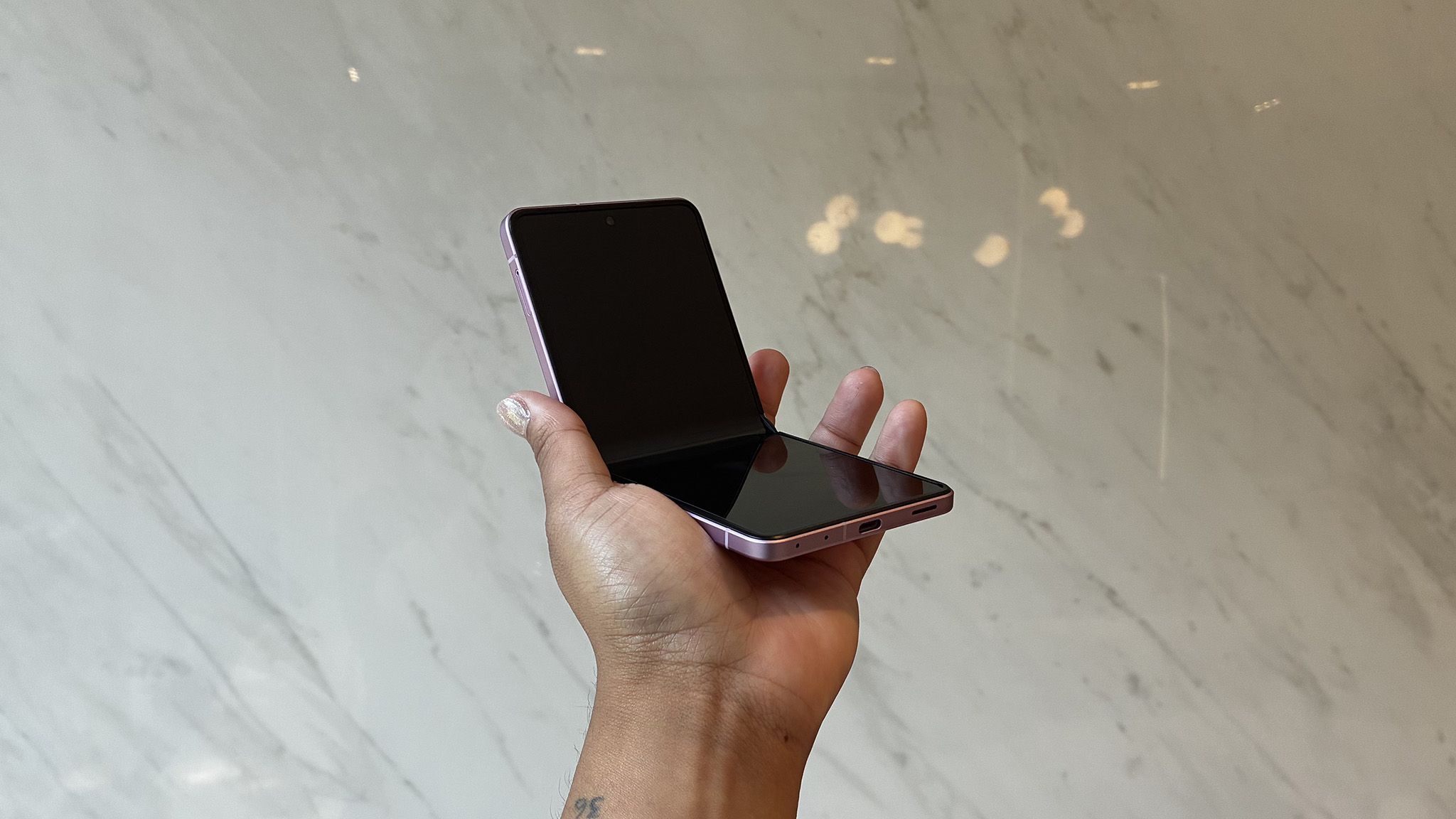
The initial leak offered minimal supplementary information, merely stating the likelihood of the Z Flip 8 being the final iteration. This scarcity of detail leaves ample room for analysis, suggesting that any potential decision to cease the Z Flip line would likely stem from a complex interplay of market forces, including declining sales momentum, evolving consumer preferences, and broader economic conditions that compel Samsung to critically reassess its extensive product portfolio.
A Retrospective: The Galaxy Z Flip’s Pioneering Journey
Launched in early 2020, the original Samsung Galaxy Z Flip represented a bold step into the nascent foldable market, offering a distinct clamshell design that harked back to classic flip phones while embracing modern smartphone functionality. It quickly carved out a niche, differentiating itself from the larger, tablet-like Galaxy Z Fold series by focusing on compactness, style, and a more accessible price point for foldable technology.
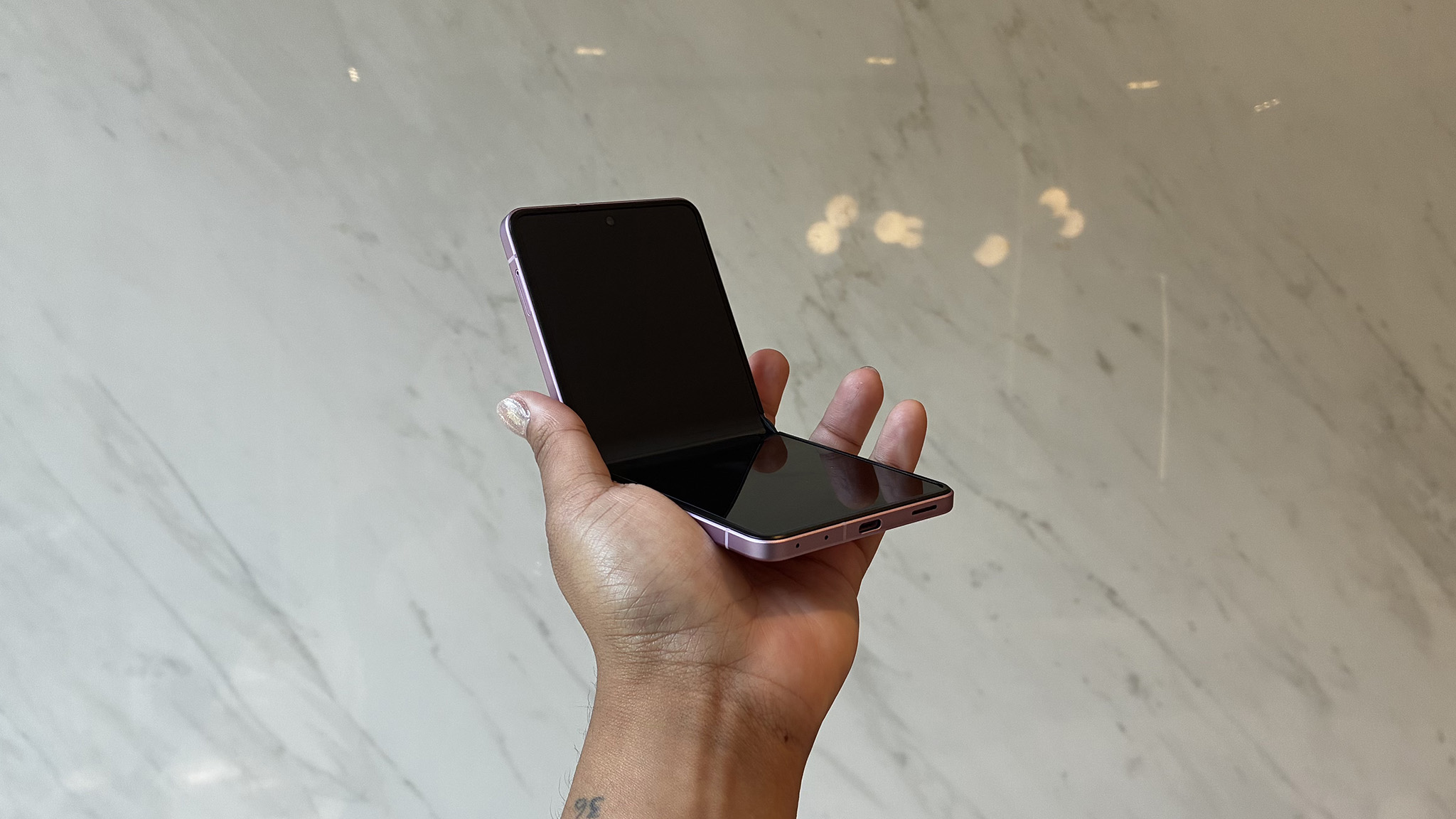
Over its eight-generation lifespan, the Z Flip series has played a crucial role in popularizing foldables, transitioning them from experimental gadgets to increasingly mainstream devices. Each iteration brought incremental improvements: from enhanced hinge durability and display robustness to larger and more functional cover screens, and more powerful internal specifications. The Z Flip’s design ethos emphasized portability and fashion, appealing to a demographic seeking a compact, pocketable device that could unfold into a full-sized smartphone experience. Its success helped establish Samsung as the undisputed leader in the global foldable market, prompting numerous competitors from China and beyond to introduce their own flip-style alternatives.
Analyzing the "Why": Market Dynamics and Strategic Reassessment
Should the Z Flip series indeed face discontinuation, several underlying factors could contribute to such a strategic pivot by Samsung:
- Waning Sales and Market Saturation: While the foldable market continues to grow, the pace and segment distribution of this growth are critical. Early adopters enthusiastically embraced the novelty of flip phones. However, sustaining exponential growth in subsequent generations can be challenging, especially as the market matures and competition intensifies. Data from Counterpoint Research and other market intelligence firms has shown robust growth in the overall foldable segment, but it’s possible that the "flip" form factor, while popular, might be approaching a saturation point within its niche, or perhaps its growth is slowing relative to "fold" style devices. Samsung might be observing a plateau in the Z Flip’s market penetration or a decrease in its unique selling proposition compared to its siblings.
- Intensifying Competition: The landscape of flip-style foldables has become considerably more crowded since Samsung’s initial foray. Competitors like Motorola (Razr series), Oppo (Find N Flip series), Honor (Magic V Flip), and even Huawei have introduced compelling alternatives, often matching or even surpassing Samsung in specific features such as hinge design (crease reduction) or cover display functionality. This heightened competition puts pressure on pricing and innovation, potentially eroding Samsung’s profit margins and market share in the segment it once dominated exclusively.
- Internal Cannibalization and Portfolio Rationalization: A significant development mentioned in the original report is the rumored arrival of a "new smaller Galaxy Z Fold 8." If the Z Fold series, traditionally a larger, more premium device, begins to offer a more compact form factor, it could inadvertently cannibalize sales from the Z Flip line. Consumers seeking a smaller, yet powerful, foldable might gravitate towards a more compact Z Fold, which typically offers superior camera systems, larger internal batteries, and often S Pen support, blurring the lines between the two distinct product categories. Samsung, known for its extensive smartphone lineup, might be looking to streamline its premium foldable offerings to avoid internal competition and focus resources on a more consolidated strategy.
- Profitability Concerns Amidst Rising Costs: The manufacturing of foldable displays and specialized hinges remains a complex and expensive endeavor. The original article highlights a critical factor: "electronics prices continuing to rise," specifically mentioning RAM and storage, and attributing this to the "AI data center boom." The increased demand for high-performance memory and storage components for AI infrastructure is driving up their costs across the board. For a device like the Z Flip, whose primary selling point has historically included a relatively lower entry price for foldable tech compared to the Z Fold, another significant price increase could severely undermine its value proposition. If the cost of production outstrips the potential for attractive retail pricing and healthy profit margins, Samsung might deem the Z Flip line financially unsustainable in the long run.
The Z Flip’s Market Impact and Samsung’s Broader Strategy
The Galaxy Z Flip series has not just been a product; it has been a category-defining device. Its potential discontinuation would send ripples through the foldable market, signaling a possible shift in what manufacturers believe consumers want from a compact foldable. It could prompt competitors to either double down on their flip offerings to fill the void or also re-evaluate their own strategies. For Samsung, it would mean consolidating its foldable efforts around the Z Fold series, potentially focusing on making the "book-style" foldable its singular premium offering, catering to both productivity and entertainment needs in a more versatile form factor. This could simplify its marketing, R&D, and supply chain.
If the Z Flip 9 Does Arrive: Anticipated Specifications and Features
Despite the ominous rumors, the industry continues to monitor for any leaks or official statements regarding a potential Galaxy Z Flip 9. If Samsung were to proceed with a ninth generation, it would likely adhere to its established annual refresh cycle, with an announcement expected around July 2027, consistent with the mid-to-late summer dates Samsung typically reserves for its foldable and wearable unveilings.
- Projected Launch and Availability: Following the pattern of previous Galaxy Unpacked events, a potential Z Flip 9 would be showcased alongside the Galaxy Z Fold 9 and new wearables. The global rollout would likely commence shortly after the announcement, with pre-orders opening immediately.
- Pricing Pressures and Market Positioning: The original article rightly highlights the challenge of rising component costs. Historically, the Z Flip has served as the more "affordable" entry point into Samsung’s foldable ecosystem, often priced around the flagship bar-style smartphone range. With predicted increases in RAM and storage costs, a Z Flip 9 would almost certainly face a higher price tag. This could jeopardize its market appeal, as consumers might find the premium increasingly difficult to justify, especially if its feature set doesn’t see a commensurate leap. Maintaining a competitive price while incorporating cutting-edge foldable tech and flagship-level components is a tightrope walk for manufacturers.
- Design and Durability Enhancements:
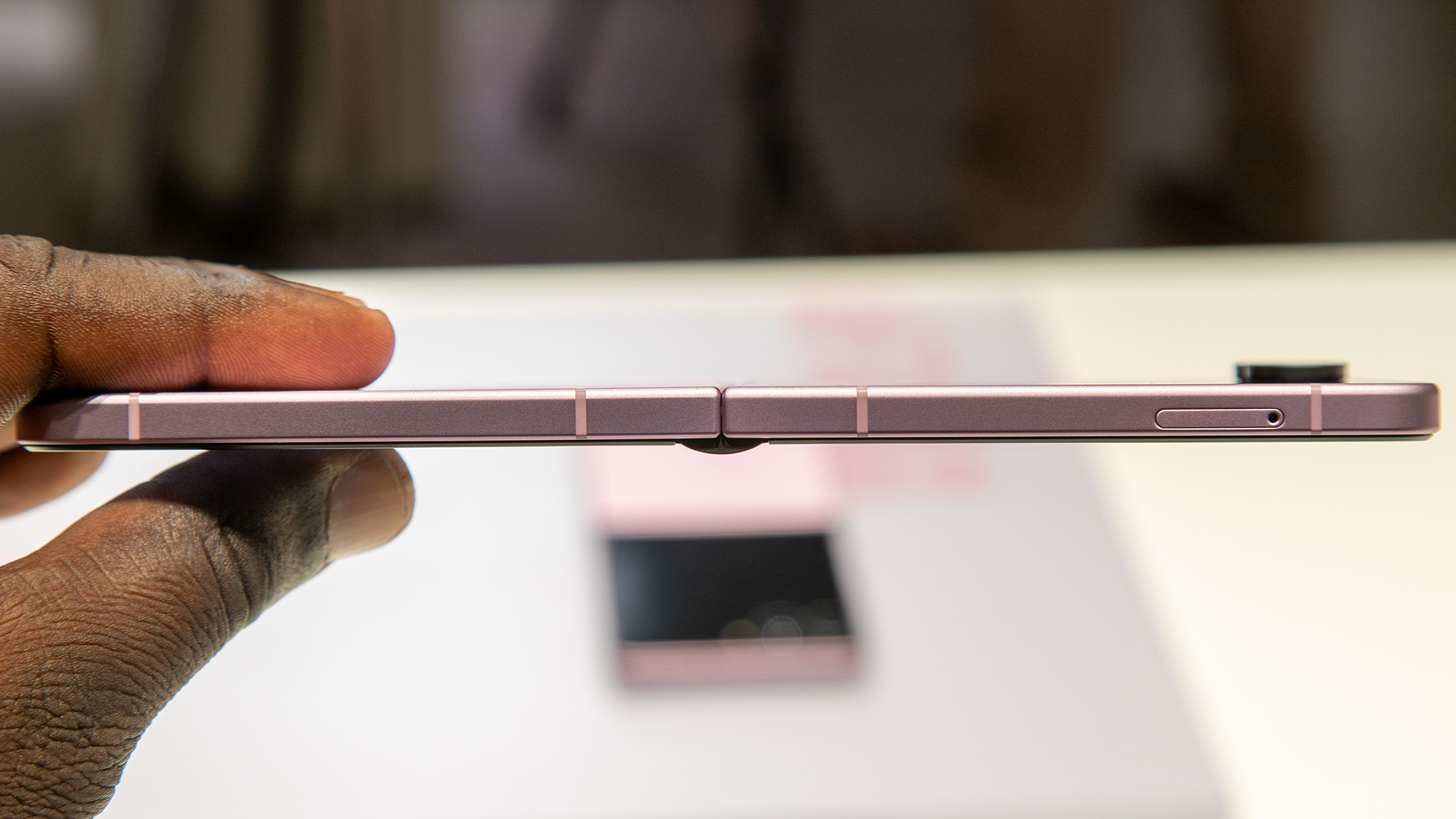
- Continued Slimming Down: Samsung has consistently aimed to reduce the thickness and weight of its foldables. The Z Flip 8 already achieved a thinner profile, and a Z Flip 9 would likely continue this trend. Advancements in battery technology, such as the increased use of silicon-carbon (the Z Flip 8 uses 5% silicon content), enable higher energy density in smaller physical packages. This innovation is crucial for achieving thinner and lighter devices without sacrificing battery life, which has often been a trade-off in compact foldables.
- Enhanced Crease Reduction: One of the most common criticisms of foldable displays, even with successive generations, has been the visible crease. The Z Fold 8 series reportedly benefited from new titanium screen protection, which substantially reduced the inner crease. Applying similar or even more advanced technology to a Z Flip 9 would be a significant selling point, improving both the aesthetic and tactile experience of the main display.
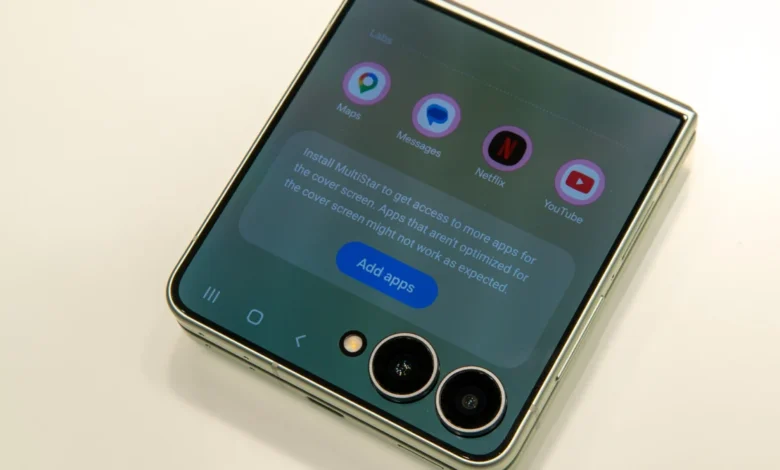
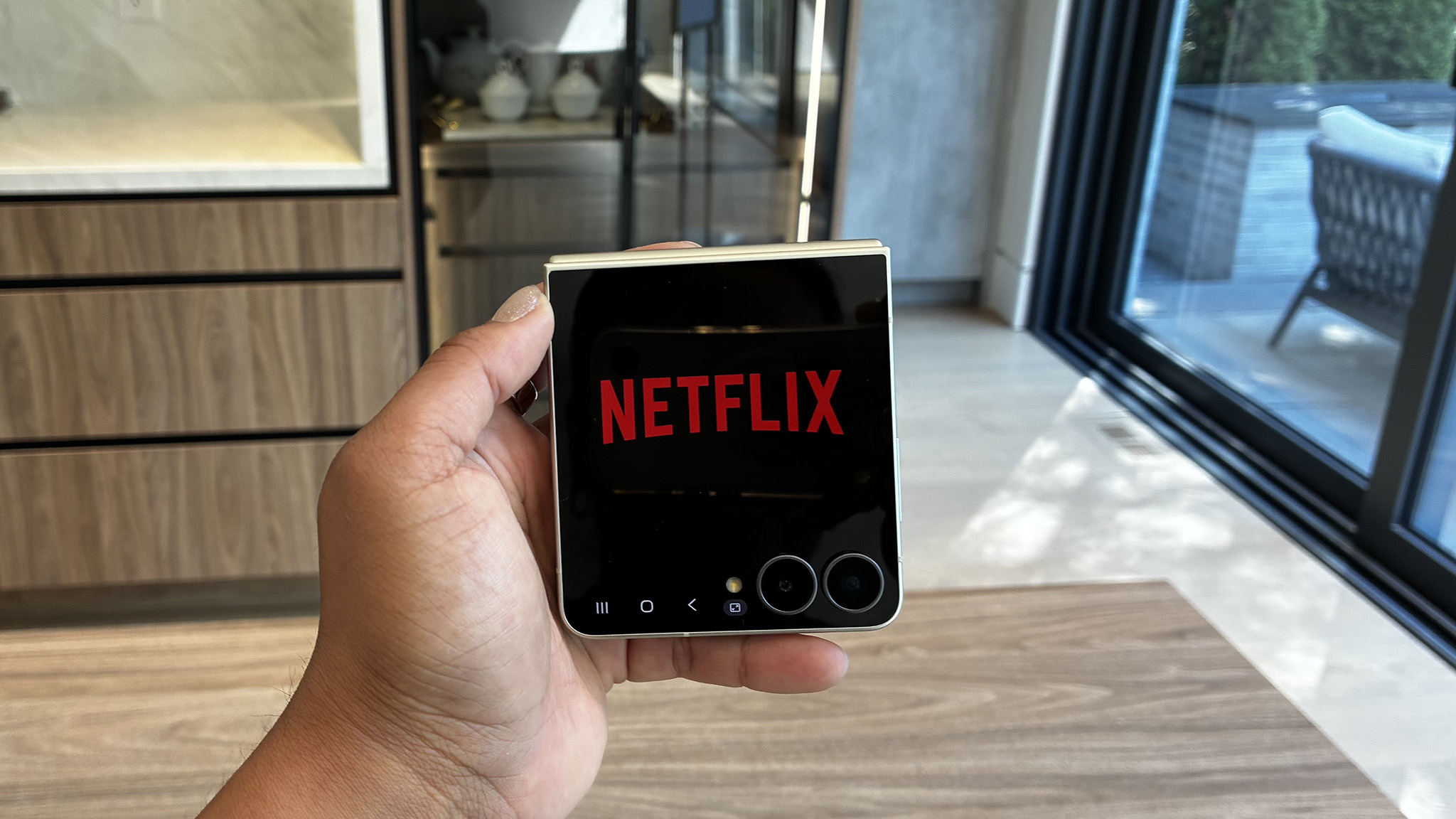
- Cover Display Functionality: With the Z Flip 8’s cover display already occupying the entire front of the phone, significant physical changes to its size are unlikely. However, software enhancements, expanded widget support, and deeper integration with apps (as seen with Netflix on the cover display in the Z Flip 8) would be expected.
- Display Technology and User Experience:
- Privacy Display Integration: The article mentions that the "Galaxy S26 Ultra’s Privacy Display will begin making its way to other Samsung phones in 2027," potentially including premium foldables like a Z Flip 9. This technology, which restricts viewing angles to prevent prying eyes from seeing screen content, would offer a significant privacy enhancement, particularly valuable in public settings.
- Improved PWM Rate: Pulse Width Modulation (PWM) flicker, used to control display brightness, can cause eye strain for some users. Samsung has faced criticism for lagging behind rivals in this aspect, with many competitors offering higher PWM frequencies that are less noticeable to the human eye. A Z Flip 9 would need to address this "eye care" feature to remain competitive and cater to user health and comfort.
- Camera System Evolution: A critical area for improvement highlighted is the camera system. Most flip-style phones, including the Z Flip series, typically feature a main wide-angle camera and an ultrawide camera. However, they often lack a dedicated telephoto lens, a staple in non-folding flagship smartphones at comparable price points. Integrating a telephoto camera into the Z Flip 9 would elevate its imaging capabilities, offering "Pro-level zoom" and making it a more comprehensive flagship device, rather than one whose camera system is compromised by its form factor. This would address a significant gap and appeal to users who demand versatile photography tools.
Broader Implications for the Foldable Market
The potential end of the Galaxy Z Flip series underscores the dynamic and often unforgiving nature of the smartphone market, particularly within the nascent foldable segment. If Samsung, the pioneer and market leader, were to exit the flip phone category, it would signal either a maturation of the market where distinct form factors might be consolidating, or a strategic re-prioritization towards more profitable or strategically important segments. This could empower other manufacturers who specialize in flip phones, like Motorola or Oppo, to capture a larger share of that specific market, or it could lead to a broader industry trend where "book-style" foldables become the dominant premium foldable offering.
Ultimately, the future of the Samsung Galaxy Z Flip series remains uncertain. The coming year will be critical, as more rumors and leaks will undoubtedly emerge, potentially clarifying Samsung’s strategic direction. Until then, the industry and consumers alike will be closely watching for any official pronouncements that will confirm or deny the fate of one of the most iconic foldable smartphones.