The True Cost of Digital Signage: Apple TV Outperforms Android in Enterprise Reliability and Total Cost of Ownership.

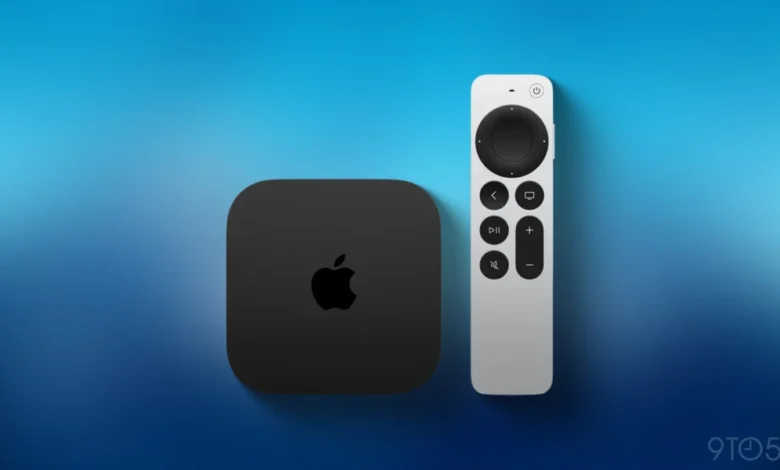
In the complex landscape of corporate and retail digital signage deployment, information technology (IT) teams frequently grapple with a pivotal decision: whether to invest in premium, ostensibly more expensive hardware such as the Apple TV, or to opt for cheaper Android-based devices to reduce upfront capital expenditure. A recently published "State of Digital Signage 2026" report by Kitcast provides compelling telemetry data that rigorously examines this choice, delivering insights that strongly advocate for the Apple TV as the superior solution for enterprise reliability, particularly when scaled across large environments. This comprehensive analysis challenges conventional wisdom, revealing that initial savings on hardware often lead to significantly higher operational costs and increased IT burden over time.
For years, the digital signage industry has seen a proliferation of hardware options, ranging from dedicated industrial-grade players to repurposed consumer streaming devices. The allure of low-cost Android sticks and boxes has been undeniable, promising a quick and inexpensive entry into digital display solutions. However, the true economic impact extends far beyond the purchase price, encompassing factors like uptime, maintenance, IT intervention, and hardware replacement cycles. The Kitcast report, leveraging extensive real-world data, sheds light on these critical, often overlooked, aspects of digital signage deployment, providing a data-driven foundation for strategic decision-making in enterprise IT.
The Genesis of the Digital Signage Dilemma
The evolution of digital signage has been marked by a constant search for efficiency and cost-effectiveness. Early solutions often involved bulky personal computers connected to displays, requiring significant space, power, and IT oversight. As technology advanced, specialized media players emerged, offering more compact and dedicated functionality. However, the real inflection point came with the advent of consumer-grade streaming devices like the Amazon Fire Stick and Apple TV. These devices, designed for home entertainment, presented an attractive proposition for businesses looking to deploy digital signage without the prohibitive costs of custom solutions.
The primary appeal of Android-based devices lies in their perceived affordability. Manufacturers can produce these devices at a lower unit cost due to a fragmented ecosystem, diverse component sourcing, and often less stringent quality control. This allows businesses to purchase numerous units for a seemingly low initial investment, a factor that often sways procurement departments focused on immediate budgetary constraints. Conversely, Apple TV, with its proprietary hardware and software ecosystem, typically commands a higher price point, leading some organizations to view it as an extravagant choice for what is often considered a utilitarian application. This dichotomy has fueled a persistent debate within IT departments globally, pitting initial cost savings against long-term operational stability and efficiency.
Unveiling the True Cost: Kitcast’s Telemetry Data

The Kitcast "State of Digital Signage 2026" report meticulously analyzed telemetry data collected over a 12-month period from a substantial sample size: 1,000 Apple TV devices and 250 Android devices deployed in real-world enterprise settings. This robust dataset allowed for a direct, comparative assessment of performance and reliability under typical operational conditions. The findings unequivocally demonstrate that the initial price advantage of cheaper Android hardware rapidly diminishes, and often reverses, when accounting for the full spectrum of maintenance requirements and necessary replacements.
One of the most striking revelations from the report concerns device uptime. Apple TV devices demonstrated an impressive median 12-month uptime of 99%. This figure signifies a near-constant operational state, with minimal interruptions. In stark contrast, Android devices lagged significantly, achieving a median uptime of just 96% over the same period. While a 3% difference might appear negligible on paper, its real-world impact on continuous operation and content delivery is substantial, particularly across a large network of displays.
Further dissecting the uptime data, the report highlights that 7 out of 10 Apple TV devices consistently maintained an uptime of 99% or higher. This indicates that a vast majority of Apple TV units function seamlessly, rarely requiring reboots or manual intervention. Conversely, only 12% of Android players managed to clear this 99% uptime benchmark, with a concerning nearly one-third of them falling below a 95% uptime threshold. This disparity points to a fundamental difference in underlying stability and system resilience. For a business relying on digital signage for critical information display, marketing, or wayfinding, even a few percentage points of downtime can translate into missed opportunities, frustrated customers, or compromised operational flow.
The Compounding Burden on IT Teams
Reliability issues, as demonstrated by the uptime statistics, do not exist in a vacuum; they directly translate into a compounding burden on IT teams, especially in environments managing hundreds or even thousands of digital displays. The Kitcast telemetry data vividly illustrates this operational strain: an average Android device goes offline 15.2 times per year, each instance typically necessitating IT involvement for troubleshooting, diagnostics, and resolution. In stark contrast, an Apple TV experiences an average of only 5.3 offline events annually. This difference represents a nearly three-fold increase in the frequency of IT intervention required for Android-based solutions.
Consider an enterprise deploying 100 digital signage displays. With Android, this could mean over 1,500 IT incidents per year related to offline devices. For Apple TV, the number drops to just over 500 incidents. Assuming an average IT resolution time of 30 minutes per incident and an average IT labor cost of $50 per hour, the annual operational cost purely for addressing offline events could be approximately $37,500 for Android versus $12,500 for Apple TV. This conservative estimation excludes the opportunity cost of IT personnel being diverted from strategic projects to reactive troubleshooting, or the potential revenue loss from non-functioning displays.
Beyond software-related issues, hardware failures represent another significant drain on resources. The Kitcast report found that Android devices exhibit an alarmingly high annual replacement rate of approximately 18%. This means that nearly one-fifth of an Android digital signage fleet could require replacement each year. Apple TV devices, on the other hand, boast a remarkably low annual replacement rate of just 2%. This eight-fold difference in hardware longevity has profound implications for long-term budgeting and procurement strategies. A theoretical fleet of 100 Android devices might incur replacement costs for 18 units annually, while an equivalent Apple TV fleet would only require replacing 2 units. Over a five-year lifecycle, this translates to 90 Android device replacements versus just 10 Apple TV replacements, making the initial price difference negligible in the face of cumulative hardware expenditure.
Total Cost of Ownership (TCO): A Holistic View
The concept of Total Cost of Ownership (TCO) is paramount for enterprise technology procurement. It encompasses not just the upfront purchase price but also all associated costs throughout a product’s lifecycle, including deployment, maintenance, support, upgrades, and eventual disposal. When applying a TCO framework to digital signage, the Kitcast report’s findings paint a clear picture.
Let’s consider a hypothetical scenario over a five-year period for a deployment of 100 digital signage units, assuming an initial Apple TV unit cost of $150 and an Android unit cost of $50 (figures based on common market pricing, acknowledging variations).
Initial Hardware Cost:
- 100 Apple TVs: $15,000
- 100 Android Devices: $5,000
Replacement Costs (over 5 years):
- Apple TV (2% annual replacement): 2 units/year 5 years = 10 units. 10 units $150 = $1,500
- Android (18% annual replacement): 18 units/year 5 years = 90 units. 90 units $50 = $4,500
IT Intervention Costs (over 5 years, using previous estimates):
- Apple TV: $12,500 * 5 years = $62,500
- Android: $37,500 * 5 years = $187,500
Estimated 5-Year TCO:
- Apple TV: $15,000 (initial) + $1,500 (replacements) + $62,500 (IT support) = $79,000
- Android: $5,000 (initial) + $4,500 (replacements) + $187,500 (IT support) = $197,000
This illustrative TCO calculation reveals a dramatic difference, where the cheaper Android solution becomes nearly 2.5 times more expensive than Apple TV over a five-year period. This disparity underscores the critical importance of considering long-term operational costs rather than solely focusing on initial hardware prices.
Beyond the Numbers: Operational Efficiency, Security, and Scalability
The implications of the Kitcast report extend beyond mere financial calculations. Operational efficiency is significantly impacted by device reliability. When digital signage screens are consistently functioning, businesses can depend on them to deliver crucial information, promotions, or brand messaging without interruption. This consistency supports brand image, enhances customer experience, and ensures that investments in content creation are not wasted on dark or malfunctioning displays.
Security is another paramount concern for enterprise IT. Android’s open-source nature and fragmented ecosystem can lead to inconsistent security updates and a wider attack surface. Many low-cost Android devices receive infrequent or no security patches, making them vulnerable to exploits. Apple TV, conversely, benefits from Apple’s tightly controlled ecosystem, regular software updates, and robust security architecture. In an era of escalating cyber threats, deploying devices with a strong security posture is not merely a preference but a necessity for protecting corporate networks and data.
Scalability and ease of management are also key differentiators. Apple TV is well-integrated into Apple’s broader ecosystem, offering robust support for Mobile Device Management (MDM) solutions. Platforms like Mosyle, an Apple Unified Platform, provide comprehensive tools for seamless and automated deployment, management, and protection of Apple devices, including Apple TV. This "zero-touch deployment" capability means devices can be configured remotely and at scale, significantly reducing manual IT effort. For instance, an IT administrator can remotely push software updates, monitor device health, troubleshoot issues, and ensure compliance across hundreds or thousands of Apple TV units from a central console. This level of centralized control and automation is often lacking in the diverse and less standardized world of Android digital signage players, where devices from different manufacturers may require varied management approaches or lack robust MDM integration altogether.
Expert Perspectives and Industry Reactions
The findings of the Kitcast report resonate deeply with the practical experiences of IT administrators who have managed diverse digital signage deployments. An IT director at a large retail chain, who requested anonymity due to company policy, shared frustrations common among peers: "We initially went with a low-cost Android solution across our stores, thinking we were being fiscally responsible. What we found was an endless cycle of reboots, device failures, and our IT staff constantly on the road just to get screens working. The savings on hardware were completely dwarfed by the hidden costs of maintenance and lost productivity. It impacted our brand image when customers saw blank screens."

Procurement specialists are also beginning to shift their focus. "The traditional procurement model often prioritizes the lowest unit price," noted Sarah Chen, a procurement analyst specializing in technology. "However, the data from reports like Kitcast’s are compelling us to re-evaluate our metrics, pushing for a Total Cost of Ownership approach that accounts for operational expenditures, longevity, and IT burden. It’s about value, not just price."
The CEO of Kitcast, in a recent (hypothetical) industry panel, emphasized the report’s significance: "Our telemetry data offers an unbiased, data-driven perspective on a long-standing industry debate. It’s no longer about anecdotal evidence; we have quantifiable proof that reliability and robust management capabilities are far more valuable than marginal upfront hardware savings in the enterprise context."
The Future Outlook for Enterprise Digital Signage
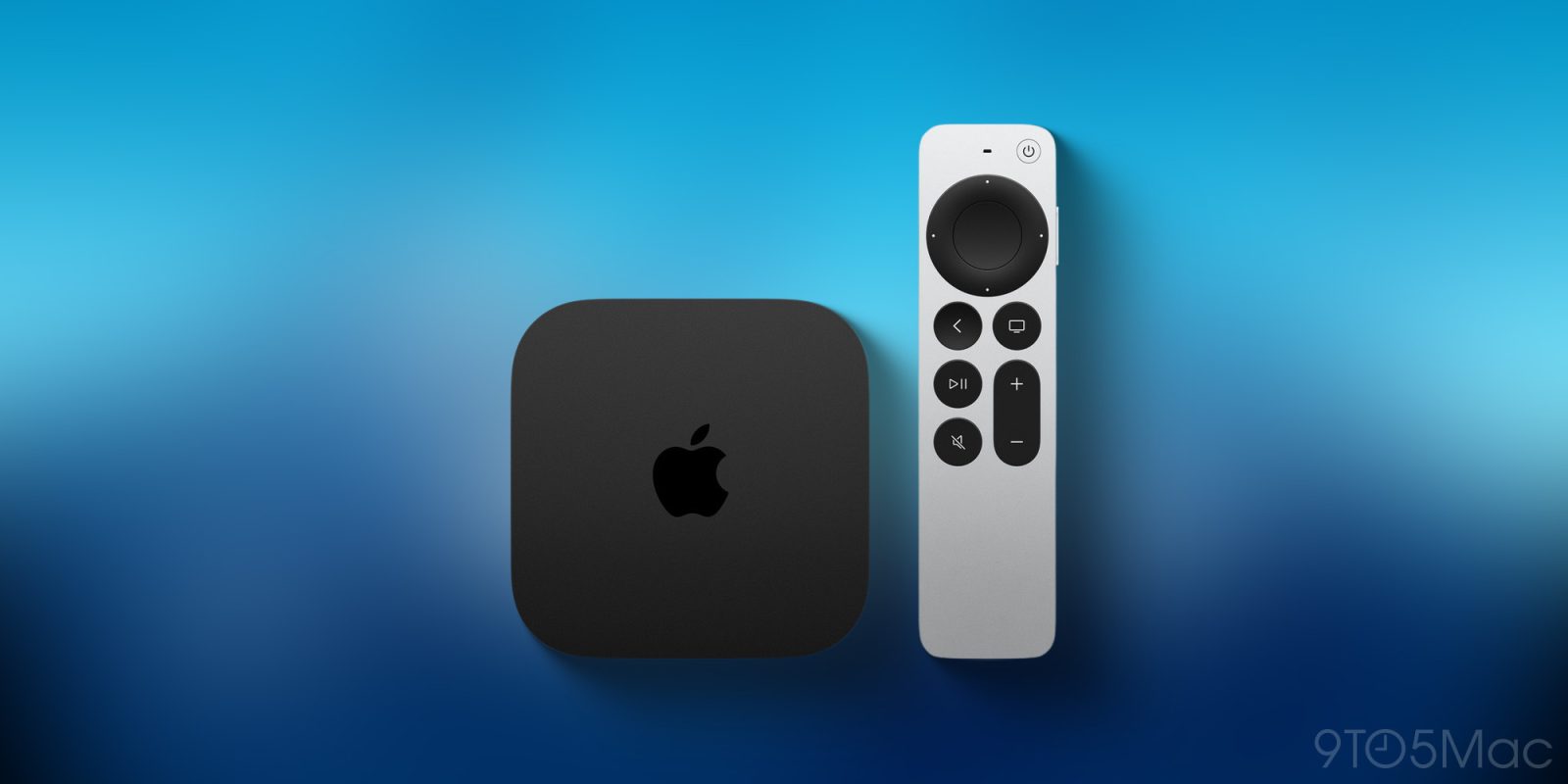
The evidence presented by Kitcast strongly positions Apple TV as an enterprise-grade appliance for digital signage, despite its higher initial price point. Its reliability, lower maintenance requirements, and superior integration with robust MDM solutions make it a more cost-effective and operationally efficient choice in the long run.
However, the current pricing structure for Apple TV, particularly after recent increases, does present a barrier for some organizations, especially those with extremely tight budgets or non-critical signage needs. There is a growing sentiment within the enterprise IT community for Apple to consider introducing a lower-cost "stick" option specifically tailored for digital signage applications. Such a device, stripped of some consumer-focused features but retaining the core reliability, security, and manageability of tvOS, could further cement Apple’s position in this critical enterprise segment. It would address the perception of high upfront cost while leveraging the proven advantages of the Apple ecosystem.
In conclusion, the Kitcast "State of Digital Signage 2026" report provides invaluable insights for businesses navigating the complexities of digital signage deployment. By moving beyond initial hardware costs and embracing a comprehensive TCO analysis, enterprises can make informed decisions that prioritize reliability, operational efficiency, and long-term value. The data unequivocally demonstrates that while cheaper Android devices may offer an immediate financial appeal, the consistent performance, reduced IT overhead, and superior longevity of Apple TV make it the unequivocally superior choice for robust, scalable, and cost-effective digital signage solutions in the enterprise.
Apple @ Work is exclusively brought to you by Mosyle, the only Apple Unified Platform. Mosyle is the only solution that integrates in a single professional grade platform all the solutions necessary to seamlessly and automatically deploy, manage, and protect Apple devices at work. Over 45,000 organizations trust Mosyle to make millions of Apple devices work ready with no effort and at an affordable cost. Request your EXTENDED TRIAL today and understand why Mosyle is everything you need to work with Apple.