General Motors Clarifies Stance on Apple CarPlay Amidst Industry Shift Toward Native Infotainment Systems

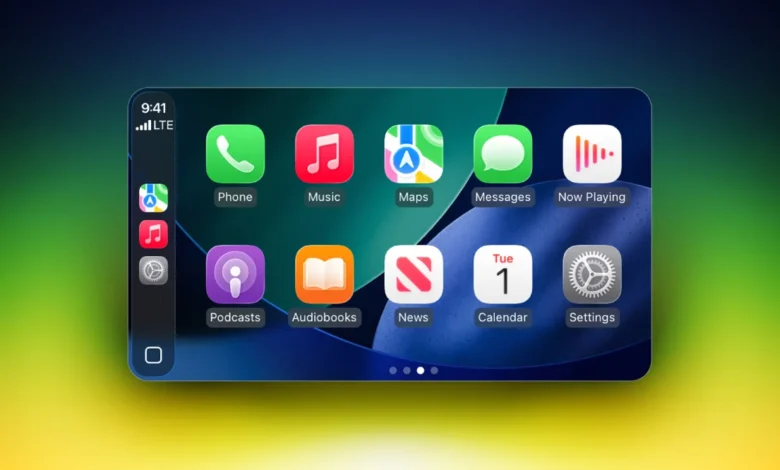
Recent media reports suggesting that General Motors is reversing its controversial decision to phase out Apple CarPlay and Android Auto in its electric vehicle (EV) lineup have been officially refuted by the automaker. Despite widespread consumer pushback and speculation regarding a potential change in strategy, General Motors has reaffirmed its commitment to transitioning toward a proprietary, software-integrated infotainment ecosystem. The confusion stemmed from recent updates to the 2027 model year Chevrolet Silverado and GMC Sierra, which feature a new dual-interface display. However, as confirmed by industry analysts and company representatives, this hybrid approach is strictly reserved for internal-combustion engine (ICE) vehicles, leaving the company’s EV roadmap largely unchanged.
The Chronology of a Contentious Strategy
The saga of GM’s removal of phone mirroring software began in early 2023, when the automaker announced it would discontinue support for Apple CarPlay and Android Auto in its future EVs. The strategic pivot was framed as an effort to gain greater control over the vehicle’s user experience, data collection, and integration with advanced battery management and navigation features.
By utilizing a native operating system—developed in partnership with Google—GM aims to create a "digital cockpit" that can suggest charging stops based on real-time battery health, optimize energy consumption through routing, and offer deep integration with vehicle diagnostic systems. This decision was met with immediate criticism from the tech community and car enthusiasts, many of whom rely on the seamless connectivity provided by Apple and Google’s platforms for navigation, music streaming, and communication.
Throughout 2024 and 2025, the automotive industry watched closely as GM rolled out its Ultium-based EVs, which largely lacked the mirroring systems consumers had grown accustomed to. The pressure on GM intensified as competitors, such as Ford and Hyundai, continued to support both CarPlay and Android Auto, viewing the convenience of these platforms as a significant selling point for new car buyers. The recent reports of a "reversal" were sparked by the rollout of the 2027 Silverado and Sierra, which displayed an interface capable of running both native software and phone mirroring simultaneously. However, this functionality is a continuation of GM’s previous pledge to keep phone mirroring in gas-powered vehicles for the "foreseeable future," rather than a strategic shift for their EV division.
Decoding the 2027 Model Year Discrepancy
The confusion surrounding the 2027 models is largely a matter of segmentation. In the automotive industry, manufacturers often employ different technology strategies for their legacy platforms compared to their next-generation EV architectures.
For the Chevrolet Silverado and GMC Sierra, which remain the pillars of GM’s profitability, the company has opted for a "best of both worlds" approach. By allowing the native system to run alongside Apple CarPlay, GM satisfies the demands of truck buyers who prioritize utility and familiar digital interfaces. However, this decision does not extend to the Cadillac LYRIQ or the broader Ultium EV fleet. The fact that the 2027 Cadillac LYRIQ continues to support these features currently serves as an anomaly—or perhaps a transitional grace period—rather than a sign of a broader policy reversal.
Industry observers note that the cost of developing and maintaining a proprietary system is immense. By restricting the native-only approach to EVs, GM is attempting to slowly migrate its customer base to a platform where the manufacturer owns the entire data stream, from the moment a user enters the vehicle to the final destination.
The Value Proposition of Native vs. Mirroring Systems
From a technical perspective, GM’s argument for native software rests on the complexity of electric vehicle ownership. Unlike traditional vehicles, an EV requires constant communication between the infotainment screen, the battery management system (BMS), and the vehicle’s telematics.
When a driver uses Apple CarPlay, the navigation is handled by the smartphone, which lacks access to the car’s precise battery state of charge (SoC) or thermal management data. By forcing users into a native interface, GM can provide "Smart Charging" routes that automatically pre-condition the battery for fast charging upon arrival at a charger—a feat that is significantly more difficult to execute via a third-party mirroring system.
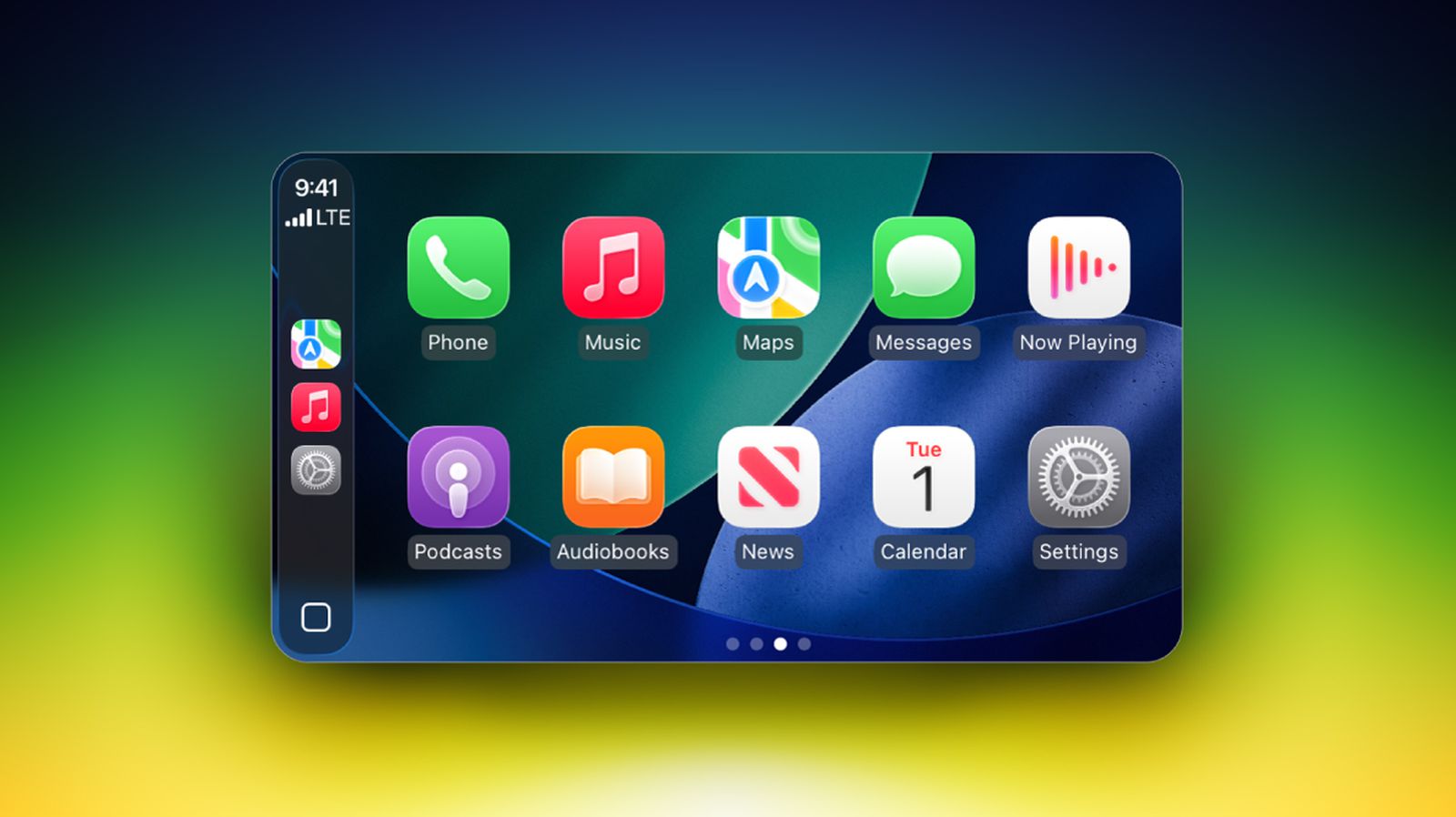
However, critics argue that the trade-off is not worth it. Apple CarPlay and Android Auto are consistently updated, offer superior voice recognition, and integrate seamlessly with a user’s existing digital life. For many consumers, the loss of these features is a primary deterrent when considering an EV purchase. A 2026 survey of prospective car buyers indicated that over 70% of respondents considered the inclusion of Apple CarPlay a "must-have" feature, with many stating they would refuse to purchase a vehicle that did not include it.
Industry Implications and the Competitive Landscape
The debate over CarPlay is emblematic of a broader "war for the dashboard" occurring within the automotive sector. Tech giants like Apple and Google view the car as the next frontier for software services, while traditional automakers view the dashboard as their last stronghold of brand identity and customer data.
While GM holds firm on its exclusion policy for EVs, the move carries significant risk. If consumers continue to prioritize phone mirroring, automakers who resist this trend may see their market share erode in favor of brands that offer a more flexible, consumer-friendly approach.
Furthermore, the emergence of advanced features in iOS 27, such as deep widget integration and improved climate control access, shows that Apple is not standing still. As CarPlay gains the ability to interact more directly with vehicle hardware—such as speedometer displays and climate settings—the gap between "native" and "mirroring" is narrowing. The argument that native systems are necessary for vehicle-specific data is becoming less persuasive as Apple and Google work to provide APIs that allow for this deeper level of integration.
The Role of Regulatory and Consumer Pressure
The long-term success of GM’s strategy will likely be dictated by market forces rather than executive mandates. As the EV market matures and competition becomes fiercer, the ability to differentiate based on software will be critical. However, if that differentiation comes at the expense of user experience, it may prove to be a costly error.
The role of influencers and tech journalists, such as Joanna Stern, has become increasingly vital in this ecosystem. By highlighting the nuances of GM’s updates, these voices ensure that the public is not misled by headlines suggesting a change that hasn’t occurred. As it stands, the message from the GM boardroom remains clear: they are willing to weather the storm of consumer dissatisfaction to secure a future where they control the digital experience inside the cabin.
Future Outlook: What Lies Ahead?
As we move toward 2027 and beyond, the split in GM’s strategy will likely serve as a high-stakes test case for the entire automotive industry. If the company sees strong sales for its non-CarPlay EVs, it may provide the leverage needed for other manufacturers to follow suit. Conversely, if the lack of phone mirroring leads to lower-than-expected adoption rates, GM may find itself forced to pivot, regardless of its current public stance.
For now, the distinction is binary: if you purchase a gas-powered 2027 Silverado or Sierra, you will retain your phone mirroring capabilities. If you opt for an EV, you will be required to adapt to GM’s proprietary ecosystem. This fragmentation creates a unique environment where the choice of powertrain directly dictates the technological capabilities of the vehicle, adding yet another layer of complexity to the modern car-buying process.
Ultimately, the friction between GM and its customer base highlights a fundamental shift in the relationship between drivers and their cars. As vehicles become more like mobile computers, the control over the "operating system" has become the most valuable real estate in the automotive world. Whether that control remains with the automaker or is shared with tech giants remains one of the most significant open questions of the decade. For the time being, GM is betting that the long-term benefits of its native system will eventually outweigh the short-term convenience of Apple CarPlay and Android Auto, a bet that will be tested in showrooms across the country in the coming months.