Joe & Mac Retro Collection Review: Unearthing 16-Bit Prehistoric Nostalgia on Modern Consoles

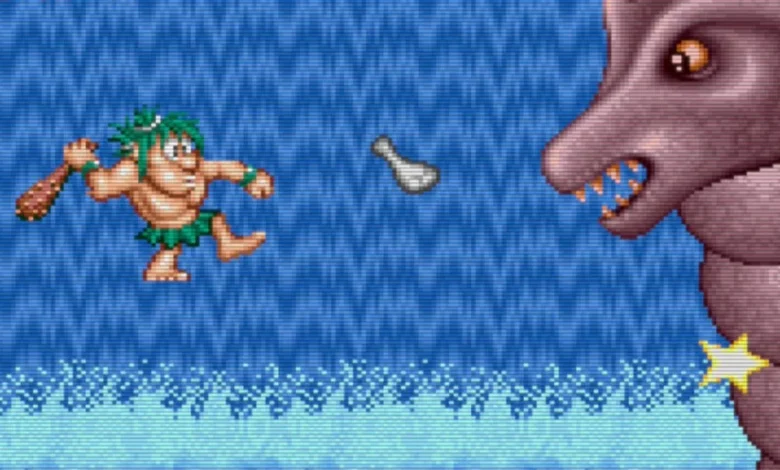
Publisher Red Art Games, alongside developer Red Art Studios, has officially rolled out the Joe & Mac Retro Collection, bringing a trio of classic Data East platformers back to contemporary hardware. Released digitally on October 29, 2026, with physical editions scheduled to follow in 2027, the collection is priced at $19.99 / £19.99. It spans across multiple modern platforms, including the Nintendo Switch, the newly anticipated Switch 2, PlayStation 5, Xbox Series X/S, and PC. Emulated faithfully while incorporating modern quality-of-life adjustments, the bundle offers a fascinating window into the evolution of 16-bit console and arcade design.

The package compiles three distinct prehistoric-themed platformers originally developed by Data East during the early-to-mid 1990s: the original arcade conversion Joe & Mac: Caveman Ninja, its console-focused spin-off Congo’s Caper, and the expansive Super Nintendo sequel Joe & Mac 2: Lost in the Tropics (marketed as Joe & Mac 3 in Japan). While the original arcade entry is widely remembered for its vibrant aesthetics and straightforward gameplay, the subsequent titles introduce significant mechanical depth that elevates the collection far beyond a simple ROM dump.
A Chronological Evolution of Prehistoric Platforming
To understand the significance of the Joe & Mac Retro Collection, one must examine the trajectory of Data East’s output during the golden age of 16-bit gaming. In the early 1990s, the market was saturated with mascot platformers attempting to capture the lightning-in-a-bottle success of Sega’s Sonic the Hedgehog and Nintendo’s Super Mario series. Data East carved out a distinct niche by leaning into absurd, cartoonish prehistoric themes characterised by vibrant colour palettes, oversized dinosaurs, and exaggerated animations.
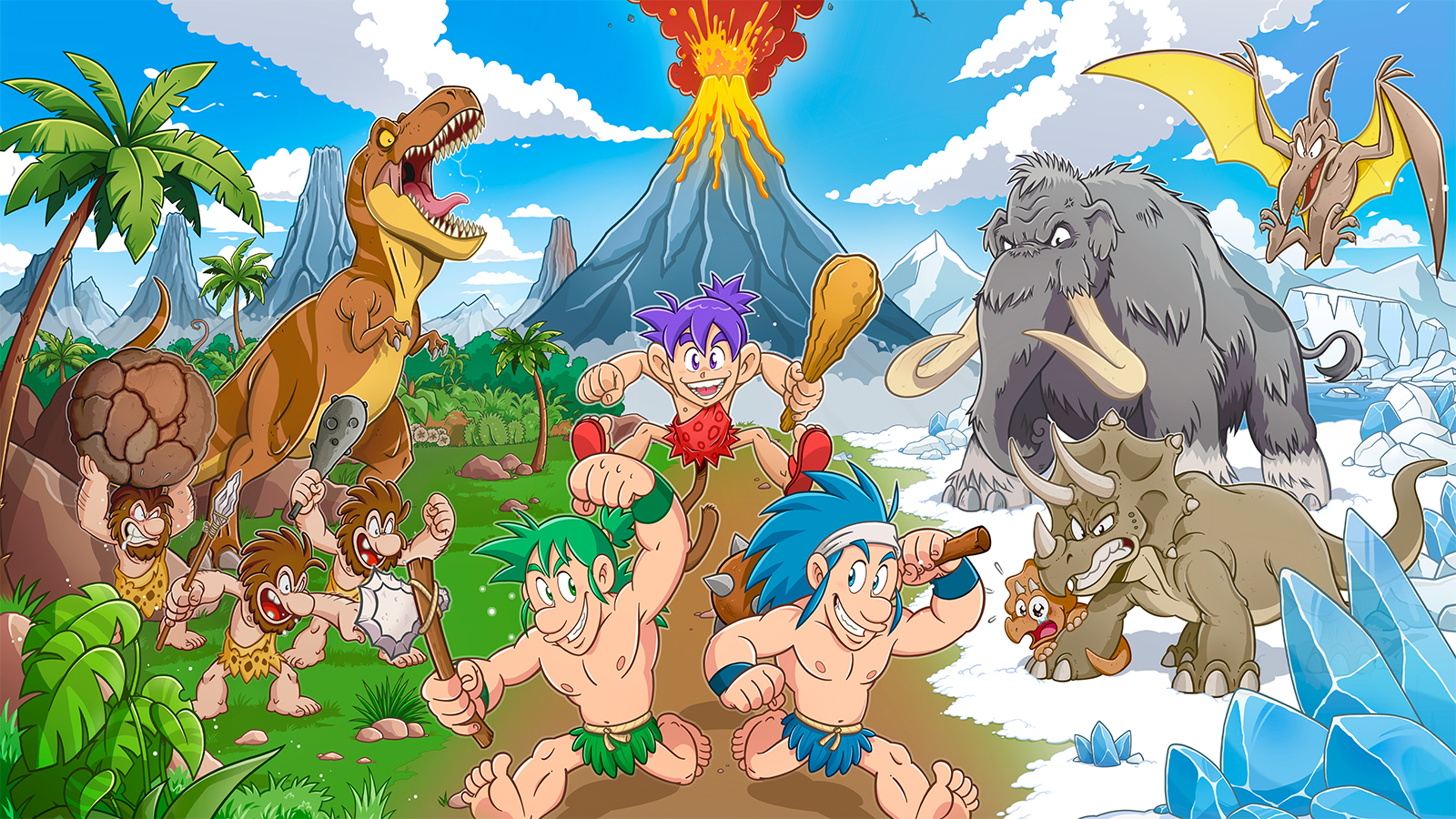
The chronological progression of the three included games demonstrates a clear maturation of design philosophy:
-
Joe & Mac: Caveman Ninja (1991): Originally an arcade hit before being ported to home consoles, this title establishes the core premise. Players control cavemen Joe and Mac as they leap across colourful stages, hurling prehistoric weapons at dinosaurs and rival cavemen. While visually striking for its era, the game retains classic arcade-era frustrations, including sudden deaths, aggressive enemy respawn rates, and occasionally punishing weapon pickups.
-
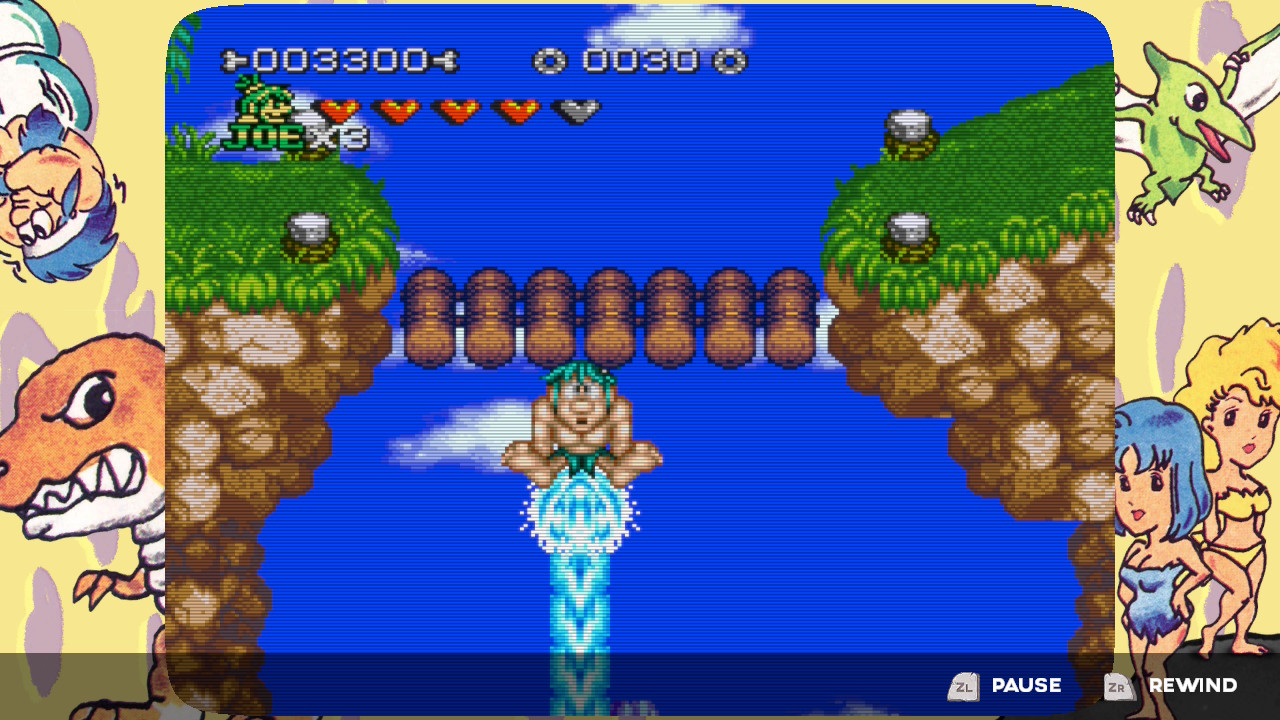
Congo’s Caper (1992): Developed specifically for home consoles, this spin-off shifts the gameplay paradigm away from linear arcade action toward traditional console platforming. Heavily influenced by contemporaries like Kid Chameleon and Sonic the Hedgehog, Congo’s Caper emphasizes vertical exploration, hidden rooms, collectible items, and environmental traversal mechanics such as rapidly growing climbable vines.
-
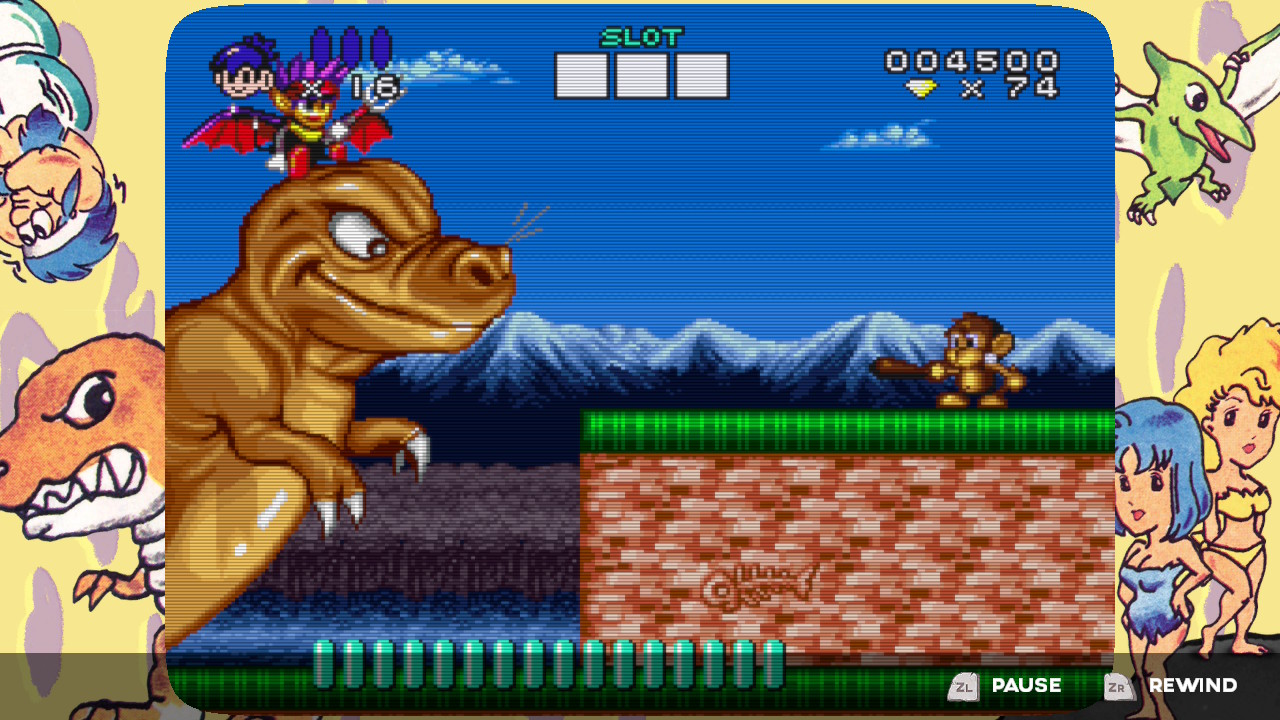
Joe & Mac 2: Lost in the Tropics (1994): Serving as the pinnacle of the trilogy on the Super Nintendo Entertainment System, this sequel synthesises the action-platformer framework of the original with light role-playing and exploration mechanics. Featuring an overworld map, stage selection, resource management (collecting stone coins to purchase flowers), and a camp-building system to woo cave girls, Lost in the Tropics represents a substantial leap in scope and ambition.
Modern Enhancements and Preservation Efforts
Recognizing the accessibility hurdles associated with unedited retro titles, Red Art Games has integrated several modern features designed to accommodate contemporary players while preserving historical integrity. Emulation features include standard save states and a rewind function, allowing players to bypass the notoriously difficult sections and cheap deaths characteristic of early-90s game design. Furthermore, visual options such as a customizable CRT filter and authentic border frames allow users to replicate the aesthetic of vintage cathode-ray tube displays.
From a preservation standpoint, the collection delivers notable value by including both Western and Japanese releases of the titles. This provision grants players access to the uncensored Japanese version of Caveman Ninja, offering insight into regional artistic and narrative differences during the 16-bit era. Additionally, the software features a virtual "unboxing" archive, enabling users to digitally inspect original SNES game boxes, instruction manuals, and cartridges, alongside an extensive art gallery housing original concept sketches and character designs.
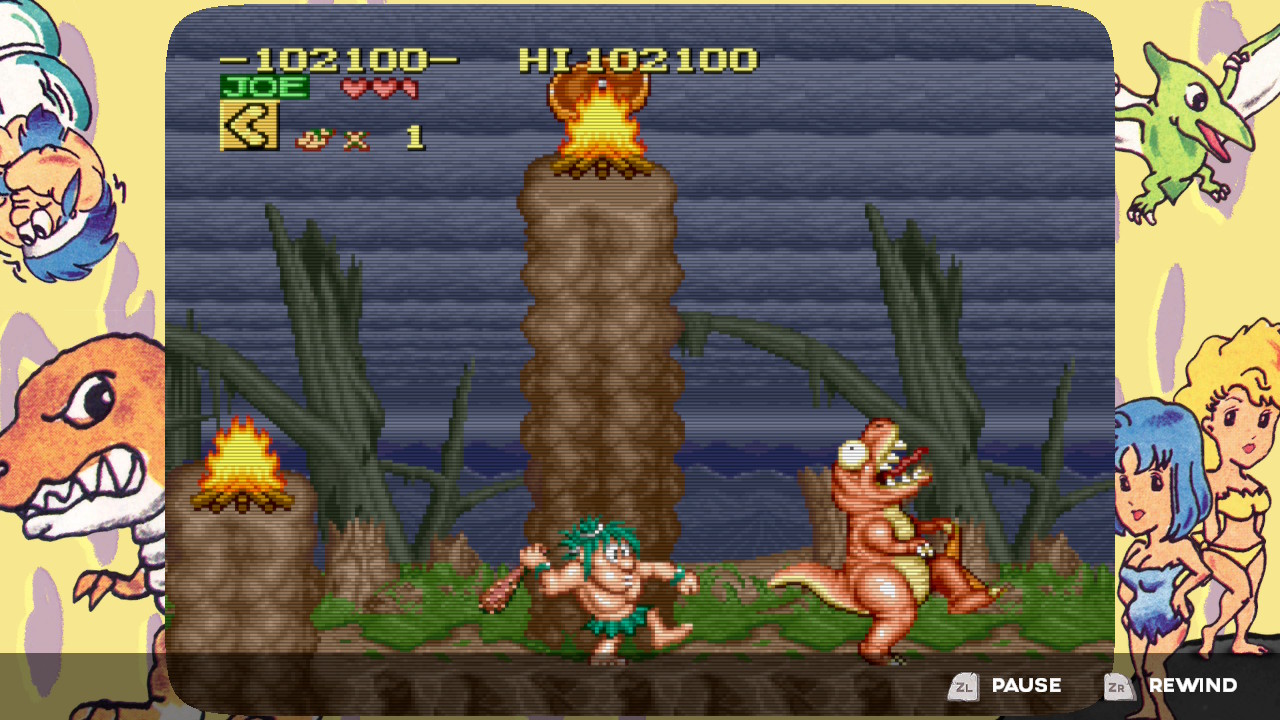
Despite these robust inclusions, industry critics have noted minor shortcomings in the archival presentation. Unlike comprehensive retrospectives produced by studios like Digital Eclipse—which frequently incorporate extensive developer interviews, documentaries, and oral histories—the Joe & Mac Retro Collection relies primarily on visual asset galleries without contextual commentary from the original creators. Consequently, while players can admire the exaggerated facial expressions and dynamic sprite work of the dinosaurs and bosses, the behind-the-scenes narrative of how these artistic choices evolved remains largely unexplored within the software itself.
Analysis of Market Impact and Appeal
Priced competitively at under twenty dollars, the Joe & Mac Retro Collection occupies a comfortable middle tier in the burgeoning market for retro game compilations. By sidestepping the superficiality of bare-bones emulation packages, Red Art Games has curated an experience that benefits greatly from the inclusion of its lesser-known sequels.
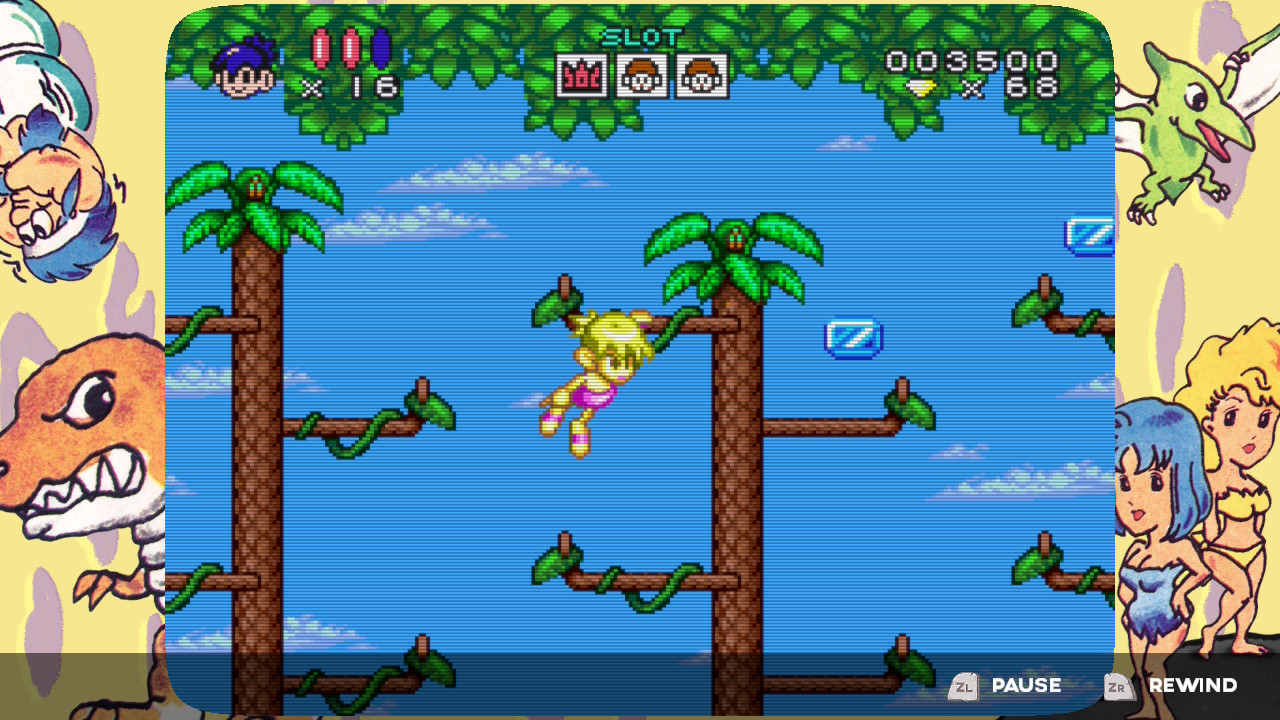
While the titular first game carries heavy nostalgic weight, it is ultimately the inclusion of Congo’s Caper and Lost in the Tropics that grants the collection genuine longevity. The integration of a dedicated Boss Rush mode across all three titles further incentivises replayability, allowing users to engage directly with the imaginative creature designs—ranging from T-Rexes spitting out their caveman meals to triceratops demolishing ice walls piece by piece—without navigating entire levels.
For owners of modern platforms, particularly Nintendo Switch and Switch 2 users looking for bite-sized, pick-up-and-play experiences, the collection succeeds as both a historical artifact and an entertaining diversion. Although it lacks the exhaustive documentary depth of industry-leading historical releases, the combination of thoughtful quality-of-life additions, dual-region versions, and robust 16-bit platforming variety ensures that Data East’s caveman heroes retain their distinct charm for a new generation of players.