In the contemporary digital landscape, possessing an immaculate website, exceptional content, and a seamless user experience is no longer sufficient to guarantee online prominence. Businesses frequently find themselves entirely invisible to modern search engines and artificial intelligence tools despite meeting these technical standards. This phenomenon occurs because platforms like Google and ChatGPT no longer evaluate an enterprise in isolation; rather, they conduct comprehensive assessments of what external, credible sources articulate about a brand to establish its identity, authenticity, and authority before determining whether to rank or recommend it.
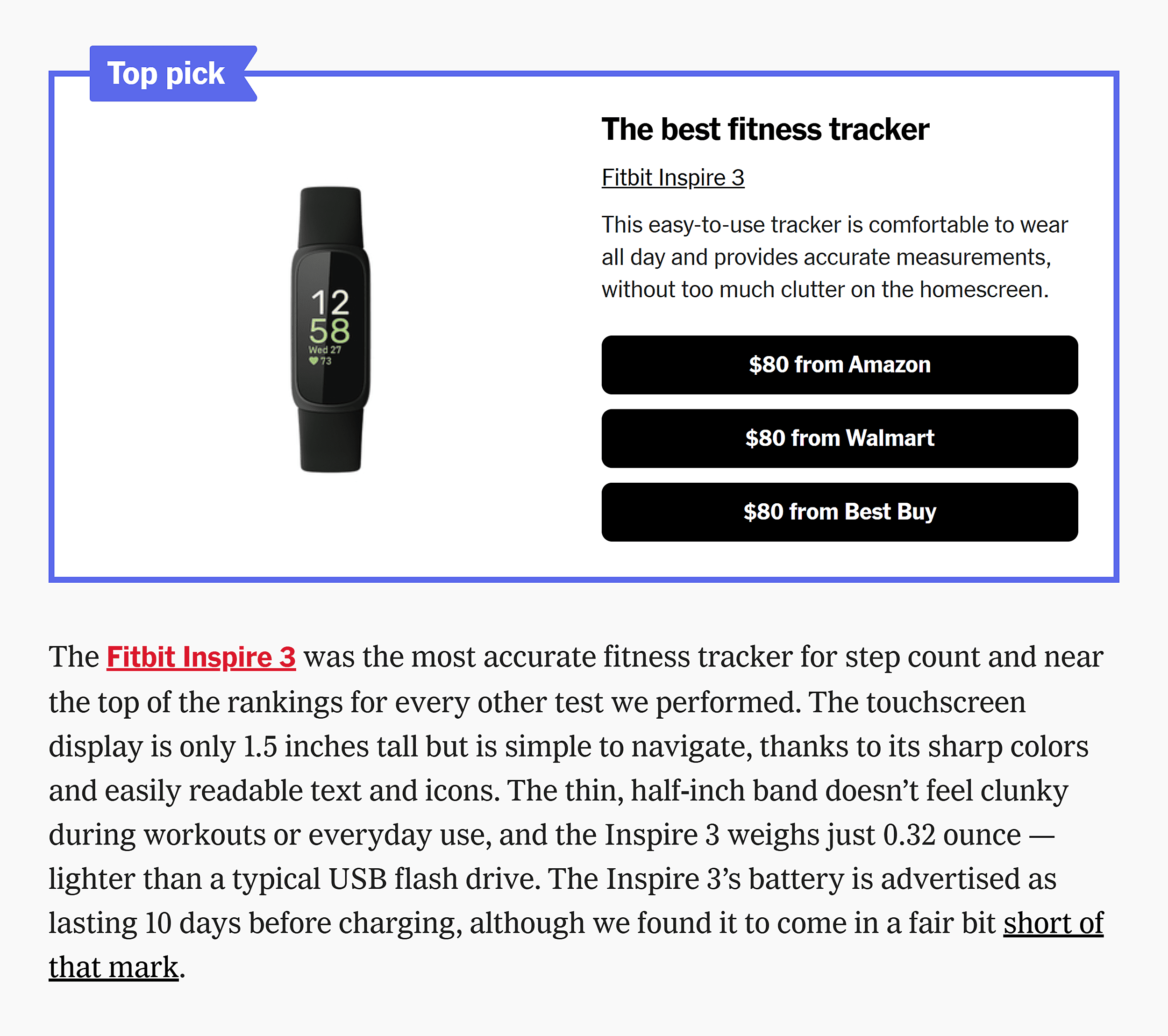
Every instance in which a trusted publication, industry community, or acknowledged expert references a brand contributes directly to its overarching market credibility. Understanding the mechanics of these references has transitioned from a supplementary marketing tactic to a core operational necessity. Modern search visibility relies heavily on third-party validation, compelling digital marketers to adopt rigorous strategies aimed at cultivating, tracking, and leveraging these critical endorsements.

Understanding Brand Mentions and Their Core Classifications
A brand mention encompasses any third-party reference to a commercial enterprise, product, or service across the digital ecosystem. Such references manifest within news articles, community discussion forums, video content, podcasts, and social media platforms. Industry analysts categorize these acknowledgments into two primary classifications: linked mentions and unlinked mentions.
Linked mentions incorporate a direct, clickable hyperlink routing traffic to a company’s domain alongside the explicit brand name. Conversely, unlinked mentions reference the brand textually without providing a direct navigational pathway. The fundamental operational difference between the two lies in their immediate utility: linked mentions pass domain authority and drive direct referral traffic, whereas unlinked mentions establish essential contextual relevance for automated crawlers and machine learning algorithms without the direct traffic incentive. Both modalities play vital roles in an exhaustive digital optimization strategy.

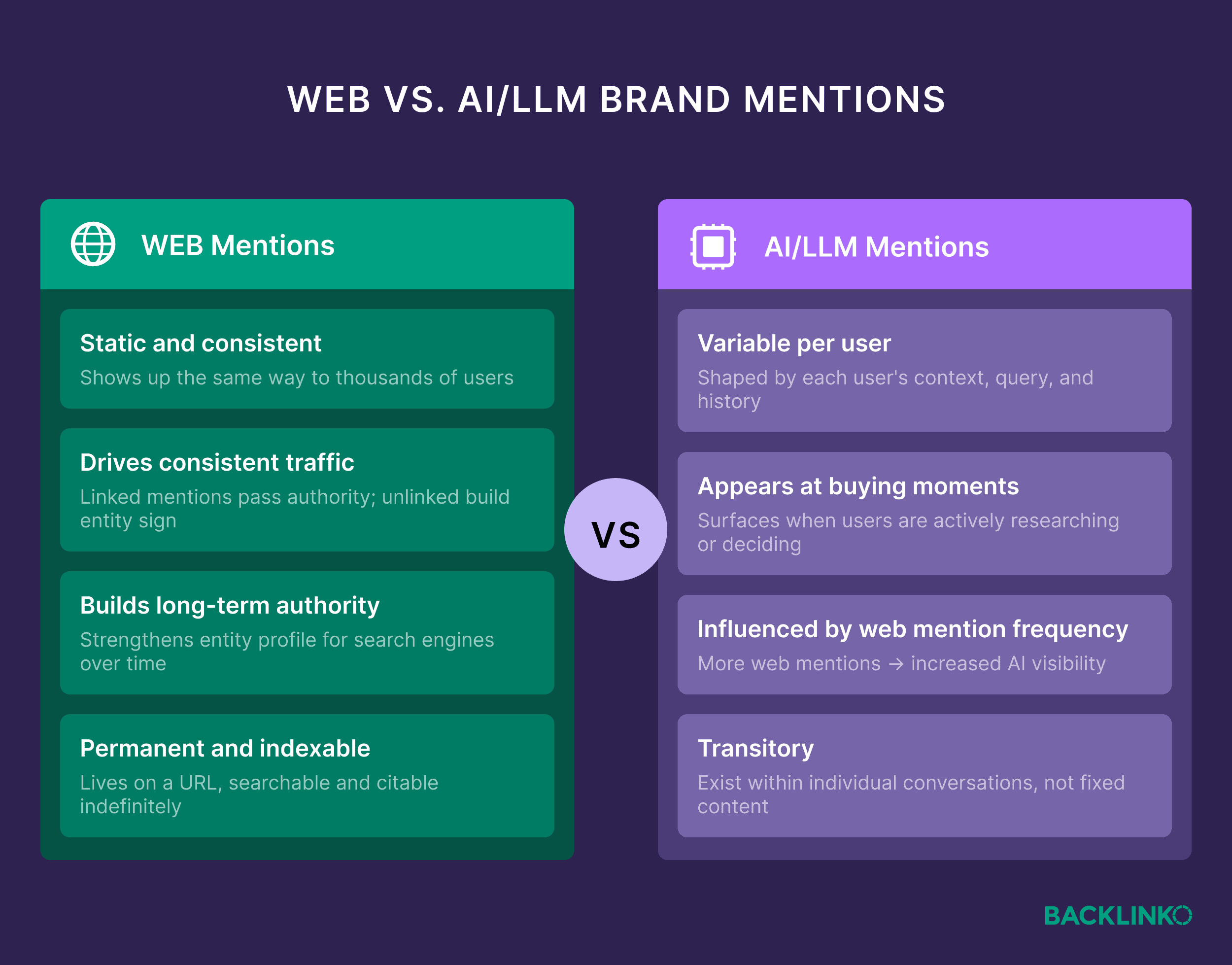
A distinct divergence exists between traditional web-based brand mentions and those generated dynamically by large language models (LLMs). When conversational AI platforms mention an enterprise in response to a user query, the output varies significantly based on individual user context, browsing history, and specific conversational parameters. These AI-generated references are ephemeral, existing solely within the confines of a localized user session and remaining invisible to the broader public. In contrast, a traditional web mention is static, presenting identical information to potentially millions of independent searchers over extended periods. Consequently, achieving prominent placement within AI responses represents a cumulative strategic goal, while earning robust web-based mentions serves as one of the primary foundational methods to reach that objective.
The Evolving Significance of Brand Mentions in Search and AI
The prominence of brand mentions has escalated dramatically due to fundamental shifts in how search engines and artificial intelligence models process information. Search engines increasingly evaluate corporate reputation by analyzing the collective discourse of the wider web, scrutinizing the identity of the sources, the prevailing context of the references, and the overall consistency of the messaging.
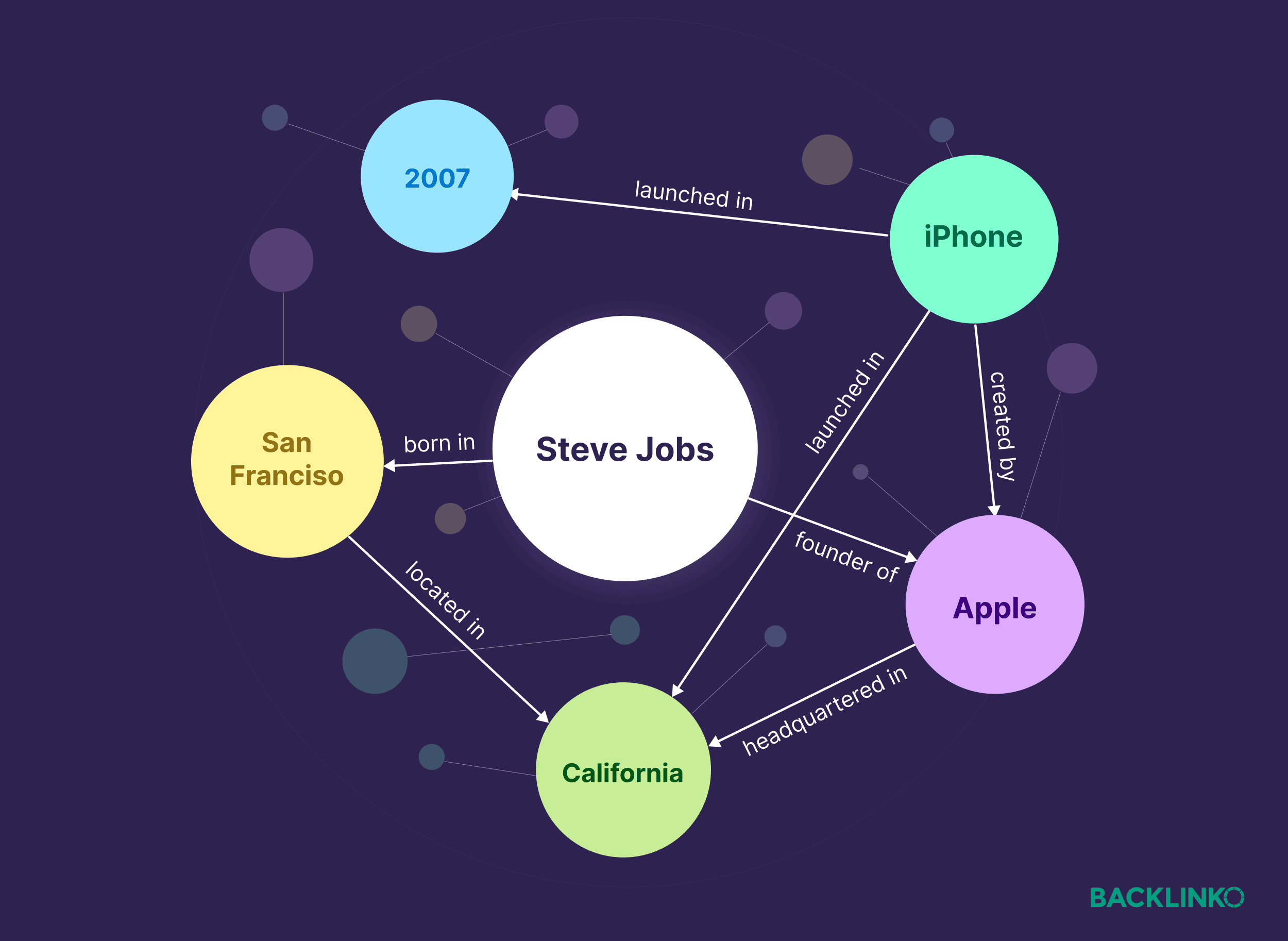
Within Google’s Knowledge Graph—a vast semantic database designed to map relationships between people, places, organizations, and concepts—brands are recognized as distinct, authoritative entities. External references function as primary data points that allow search engines to build, refine, and validate this entity-level understanding. If an enterprise lacks consistent third-party validation across reputable digital channels, algorithmic evaluation engines struggle to establish its market authority, leading to suppressed visibility in search engine result pages (SERPs).
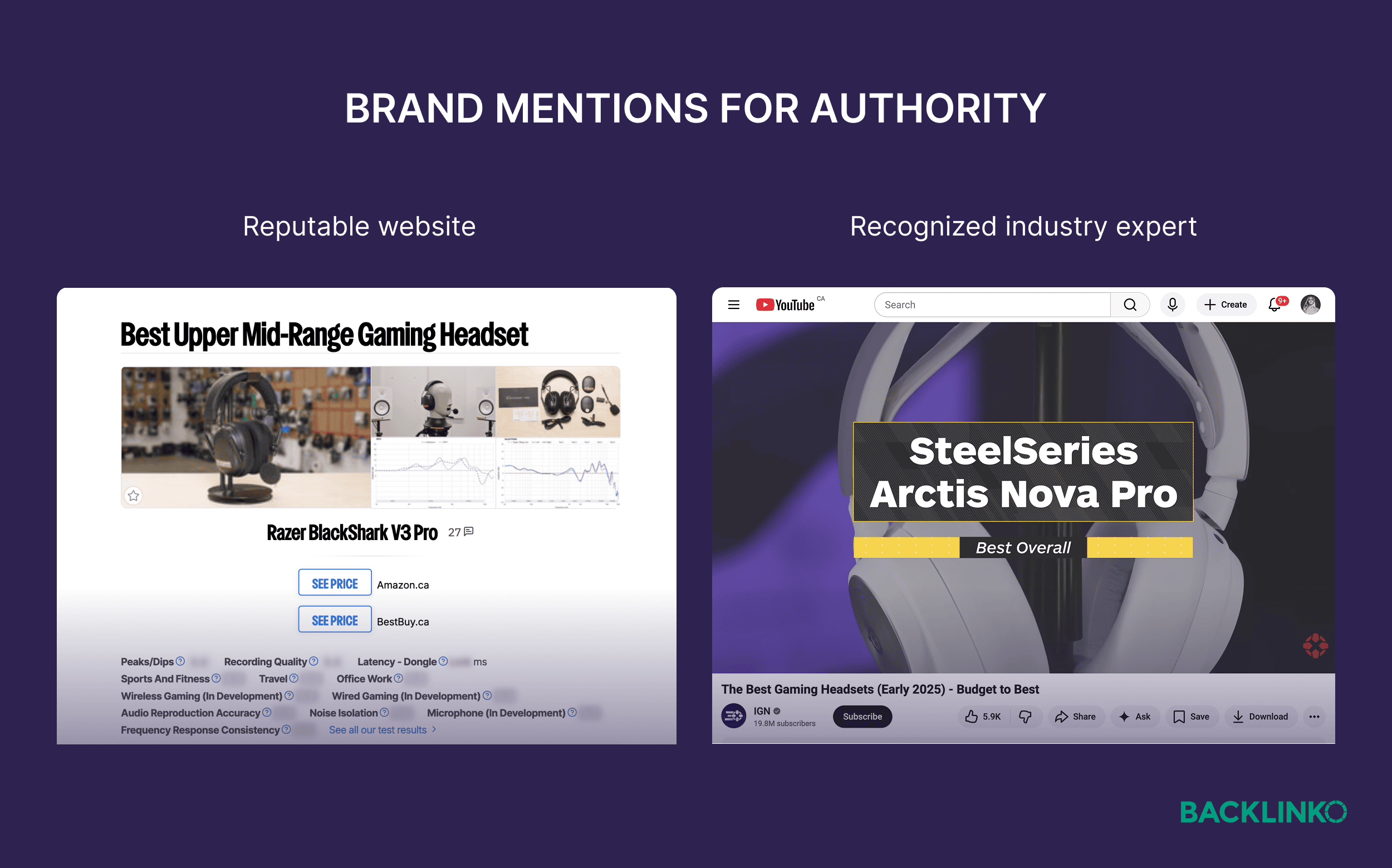
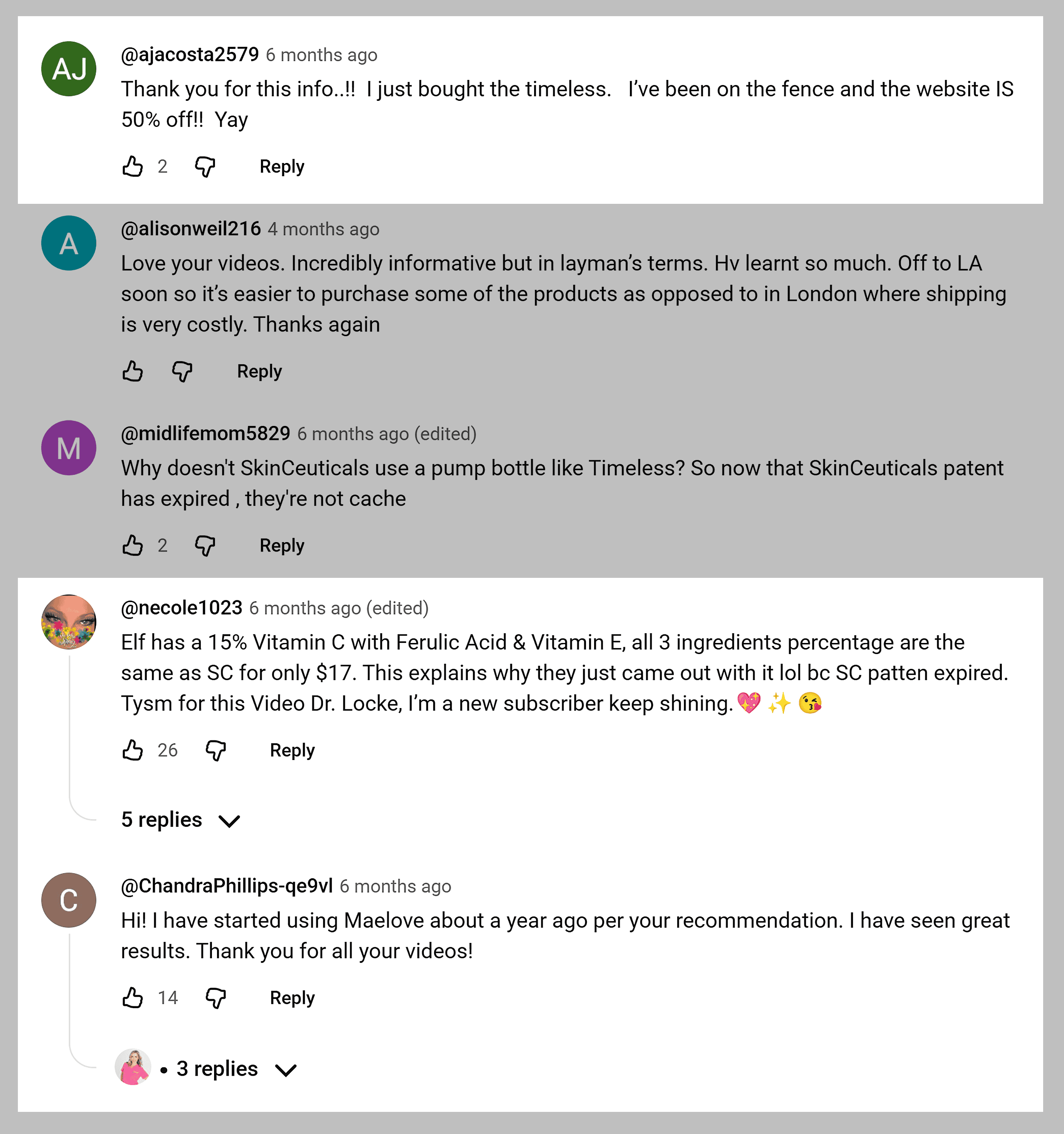
Furthermore, brand mentions act as powerful conduits for expanding visibility to entirely new audiences who may not be actively searching for a specific product or service. For example, when influential product reviewers recommend cost-effective alternatives within specialized video content, the featured brands gain immediate exposure to demographics outside their core targeting parameters. Viewers subsequently engage with the content, share recommendations, and execute purchases driven entirely by third-party advocacy.
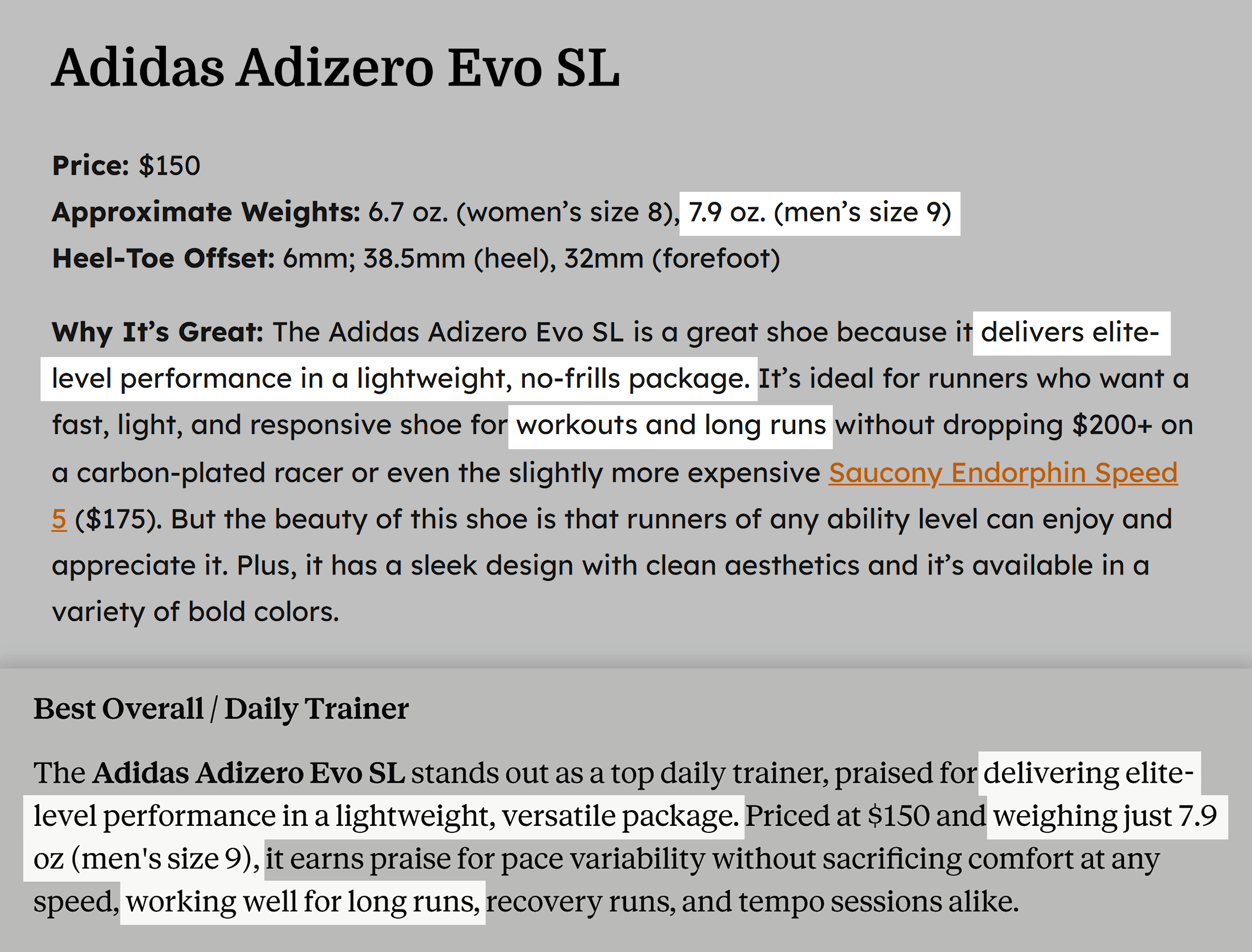
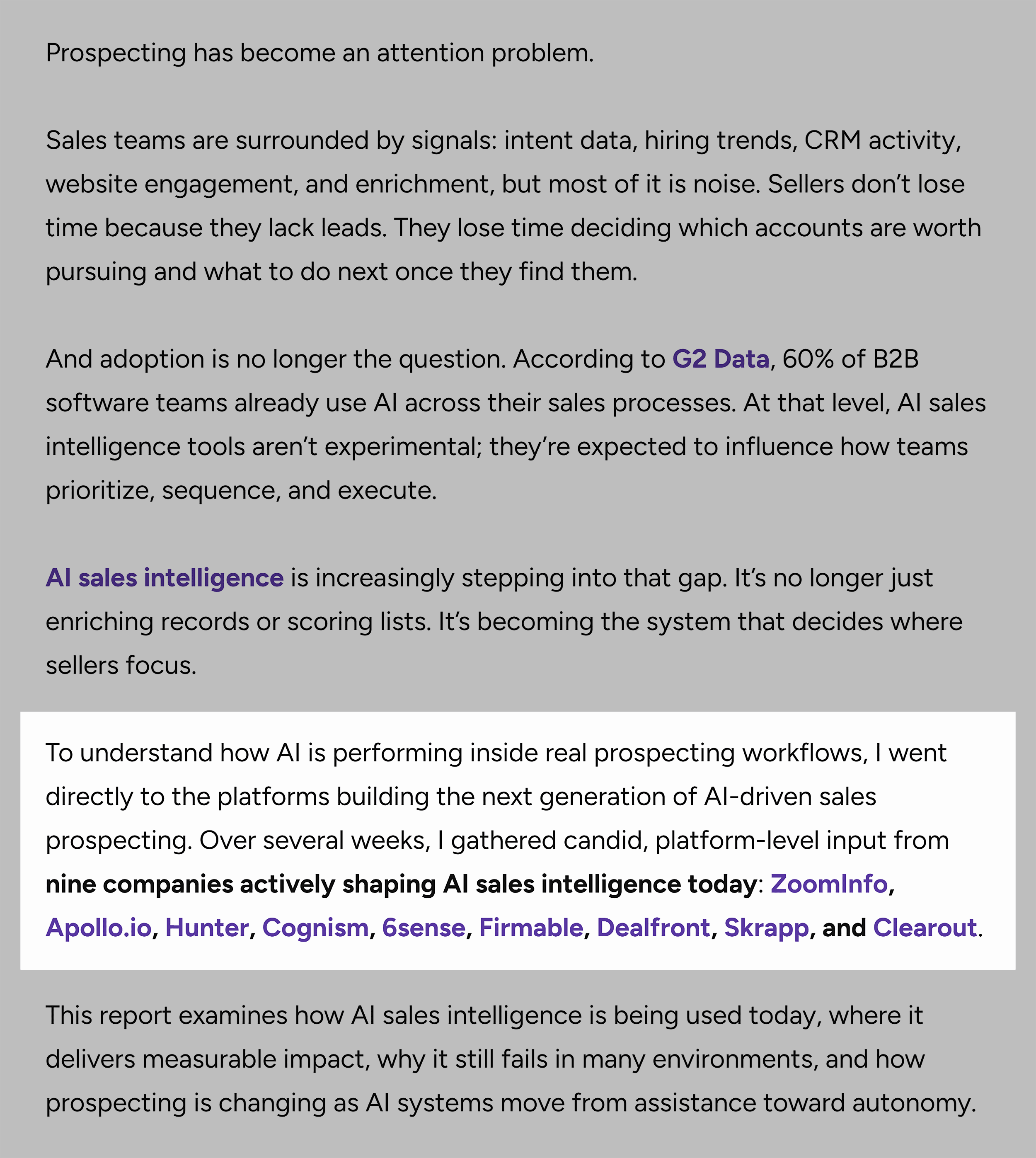
Concurrently, artificial intelligence models rely heavily on web-based corpus data when formulating recommendations. Empirical analysis demonstrates that descriptions generated by advanced LLMs often mirror the precise phrasing utilized by authoritative industry publications and niche blogs. When an external publication describes a product utilizing specific performance descriptors, AI engines frequently absorb and regurgitate that exact terminology when addressing user inquiries. Therefore, the language used by third-party reviewers directly shapes how automated systems perceive and communicate a brand’s value proposition.
Evaluating Quality: Authority, Relevance, and Specificity
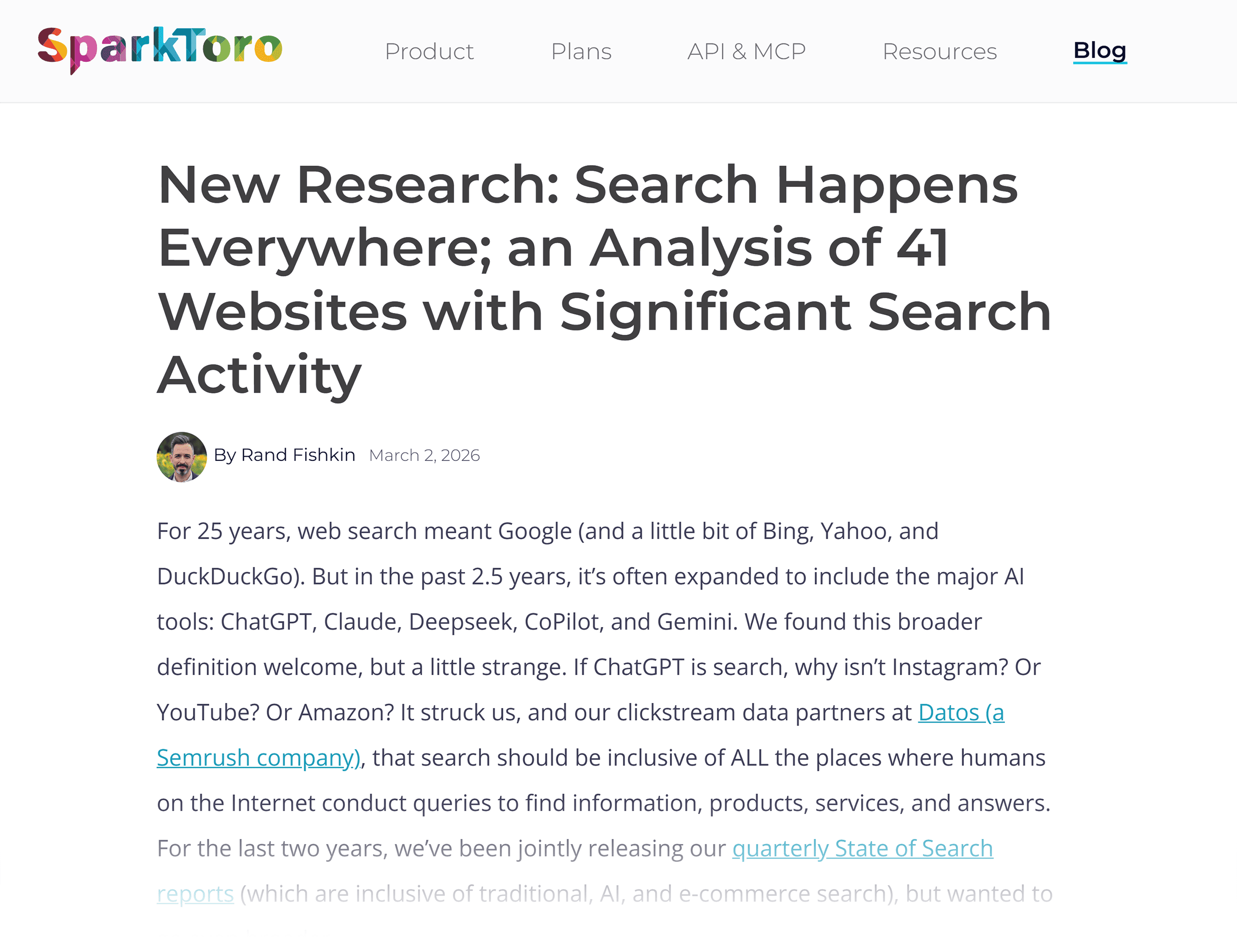
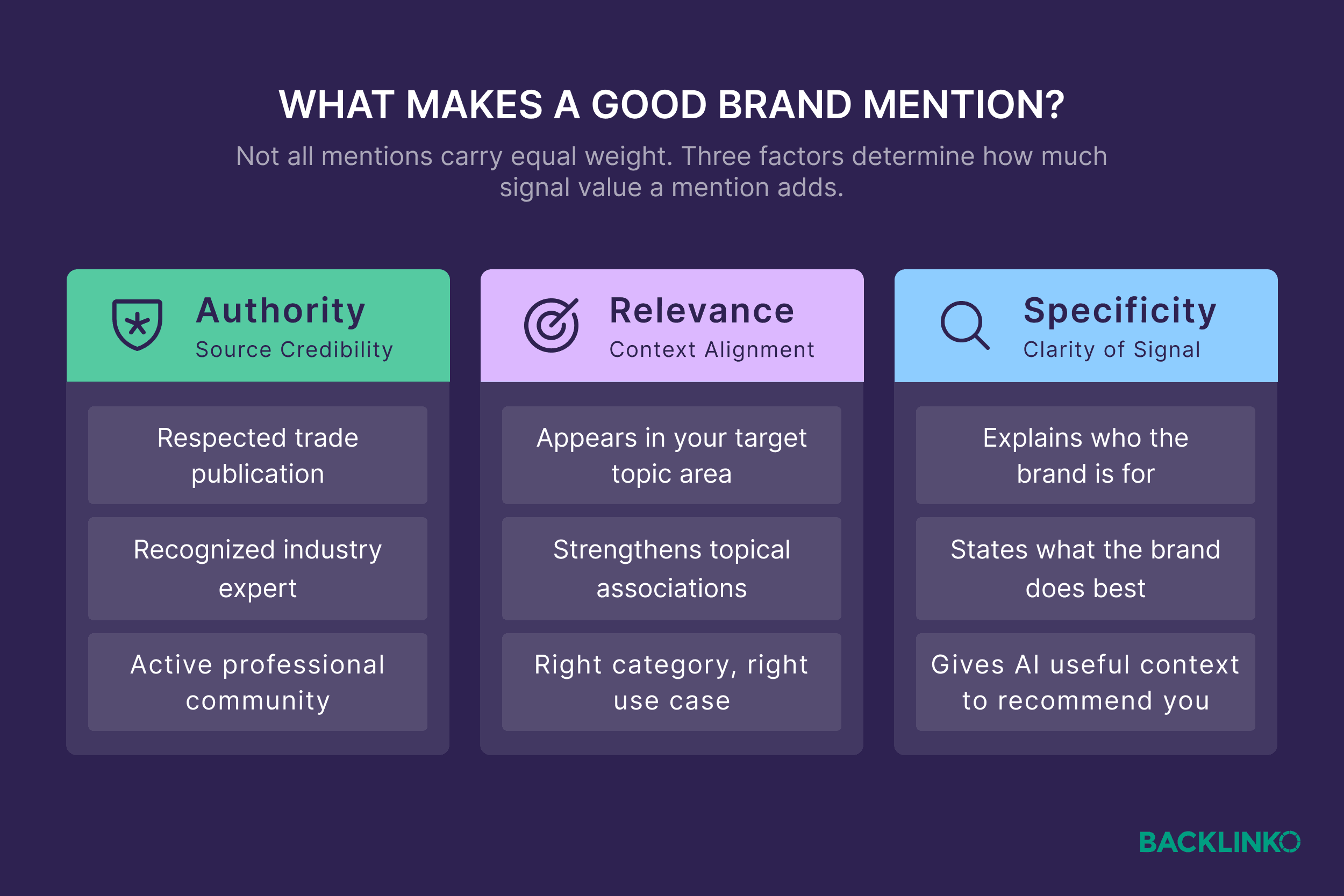
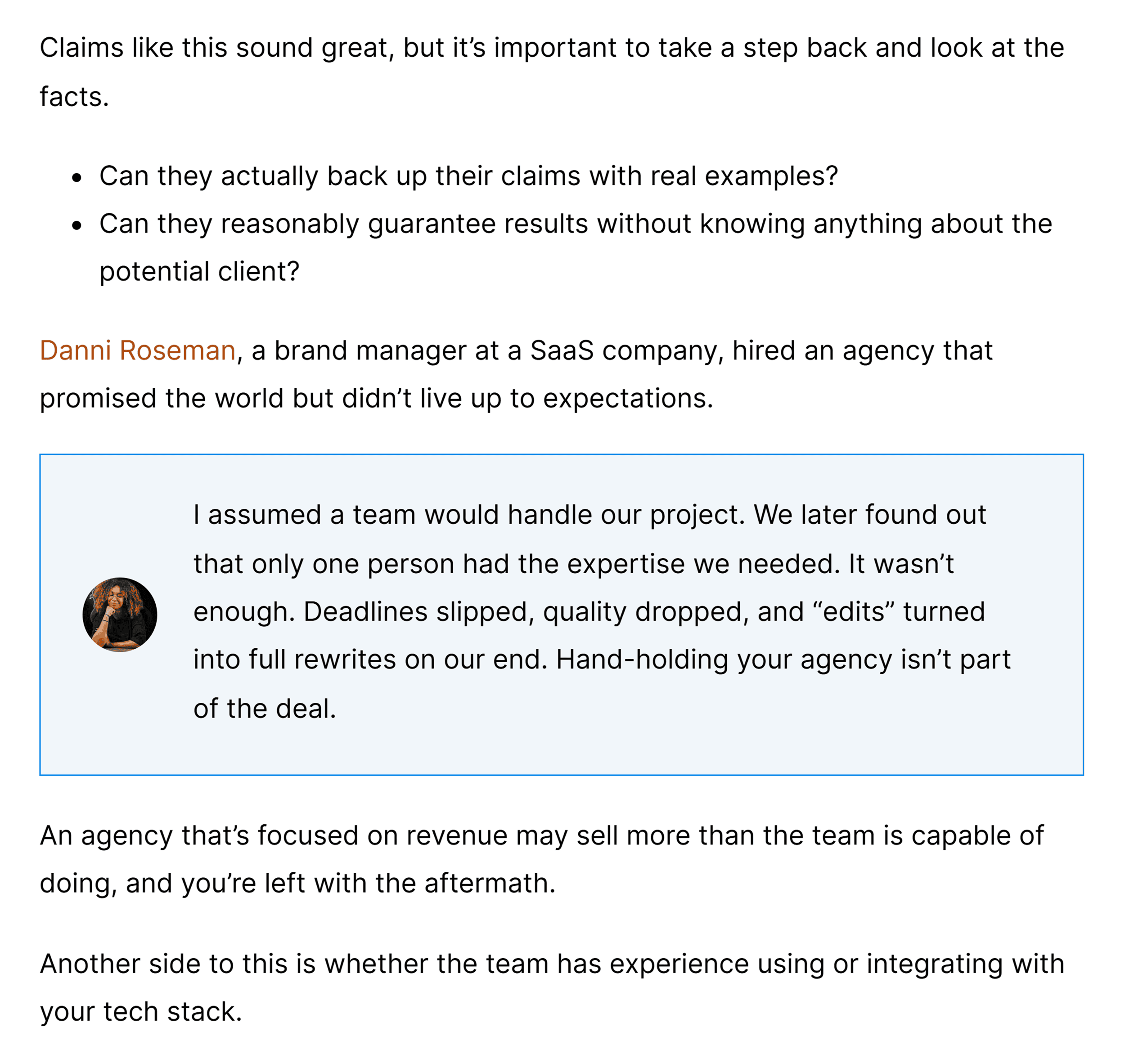
Not all brand mentions carry equal weight within algorithmic evaluation systems. Industry standards dictate that the quality of a reference is governed by three critical pillars: authority, relevance, and specificity.
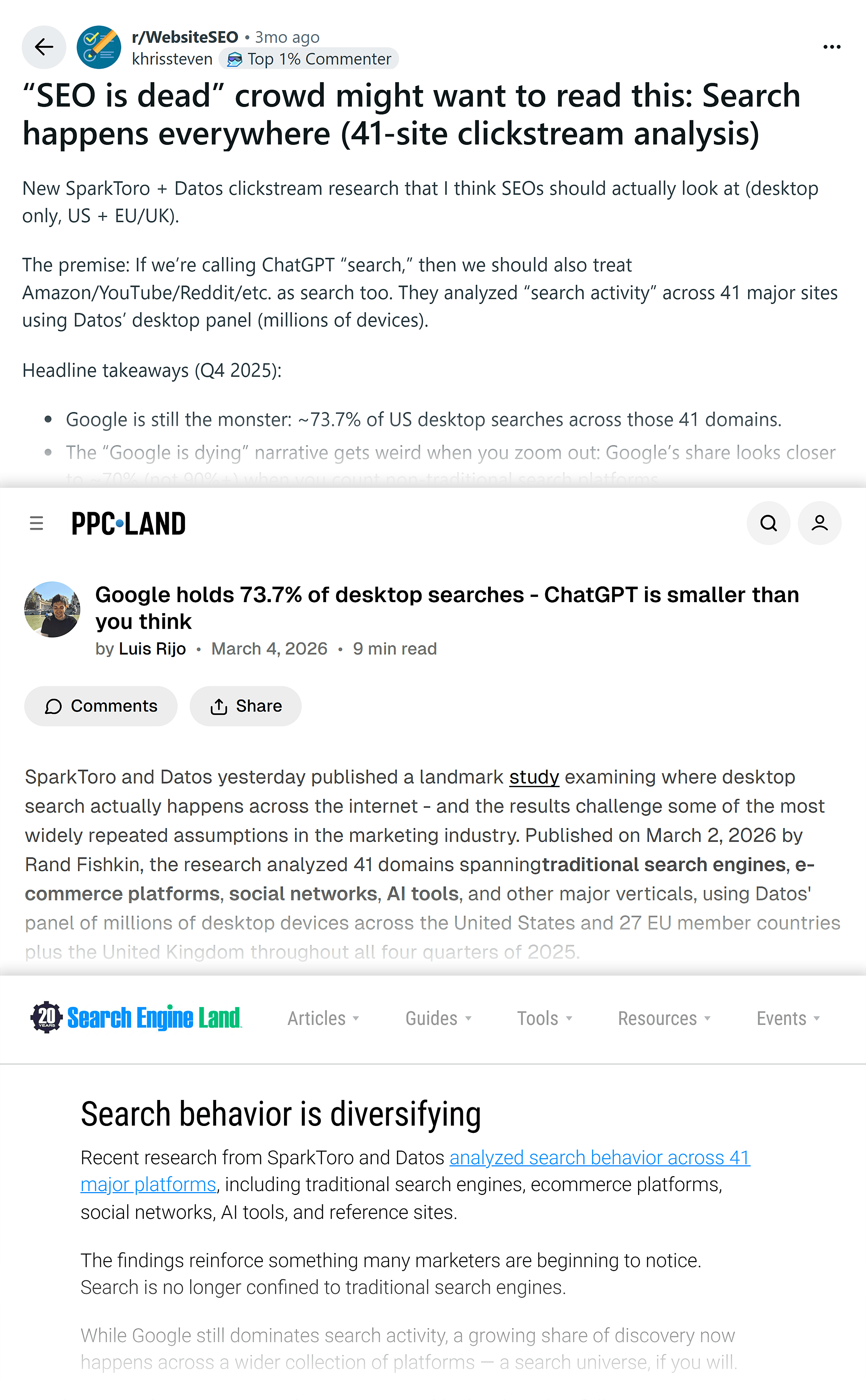
Authority pertains to the institutional credibility and trustworthiness of the source publishing the reference. A feature article in a globally recognized financial newspaper or a prominent trade journal sends substantially stronger signals to search algorithms than a passing reference on an unverified, low-traffic blog. High-authority placements validate the legitimacy of an enterprise, signaling to both human consumers and machine learning models that the business is an established leader within its respective sector.
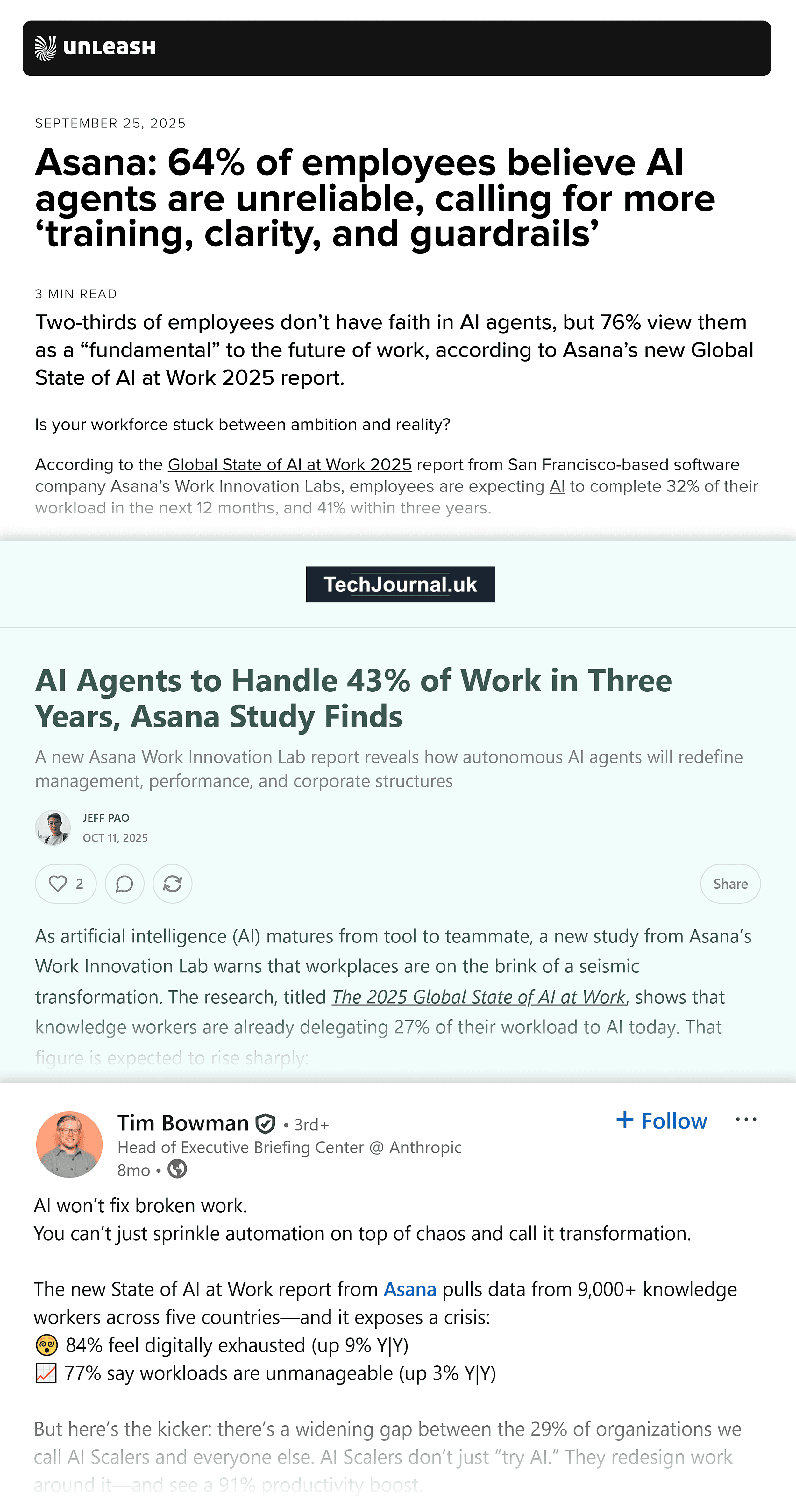
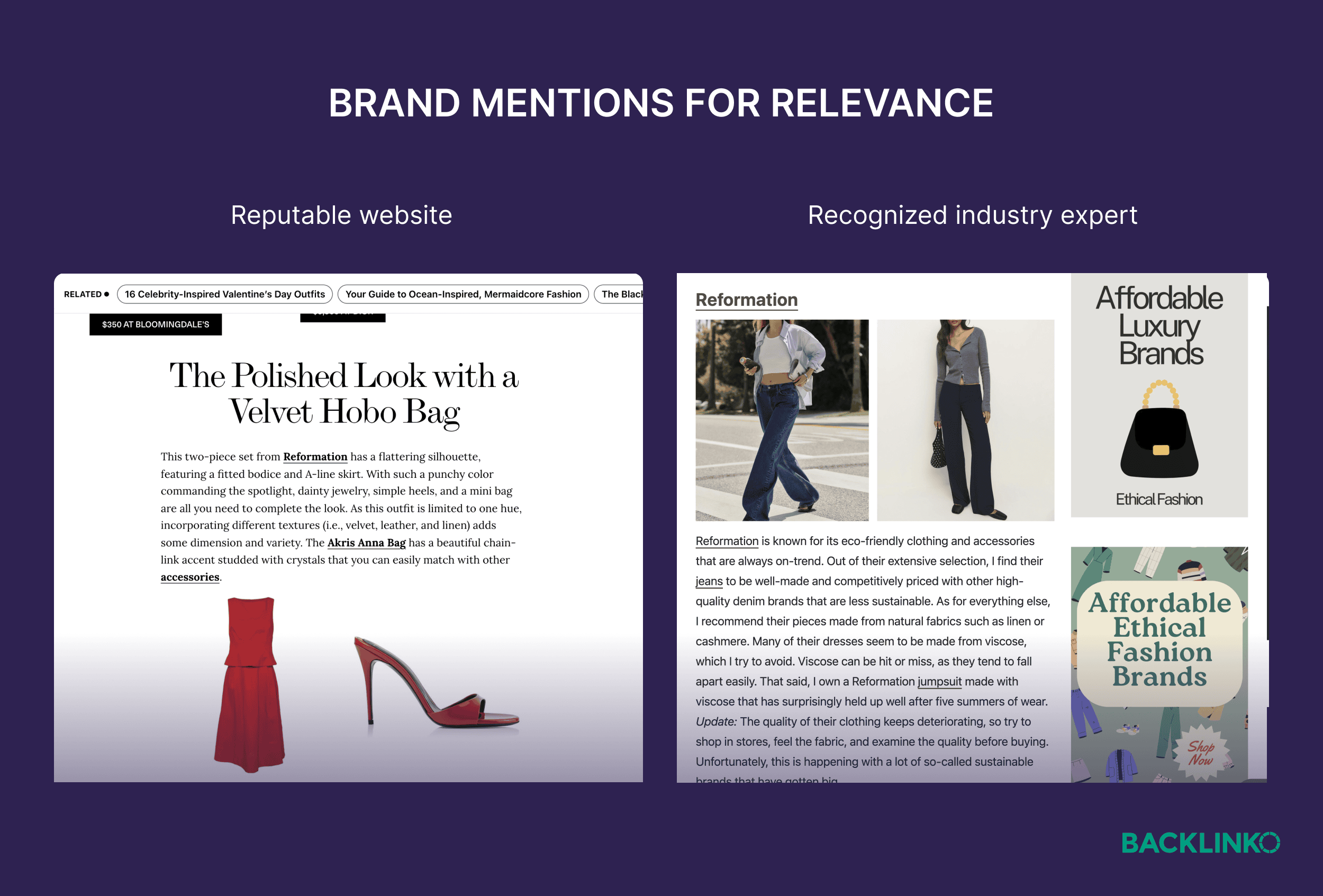
Relevance operates on a dual level, encompassing both topical alignment and industrial context. To maximize optimization value, a brand mention must occur within content that directly discusses themes the enterprise wishes to be associated with, published on a platform operating within the same or a closely adjacent industry. For instance, a sustainable fashion label gains optimal topical authority when referenced in dedicated publications discussing eco-friendly apparel manufacturing and modern style trends, rather than unrelated technology blogs.
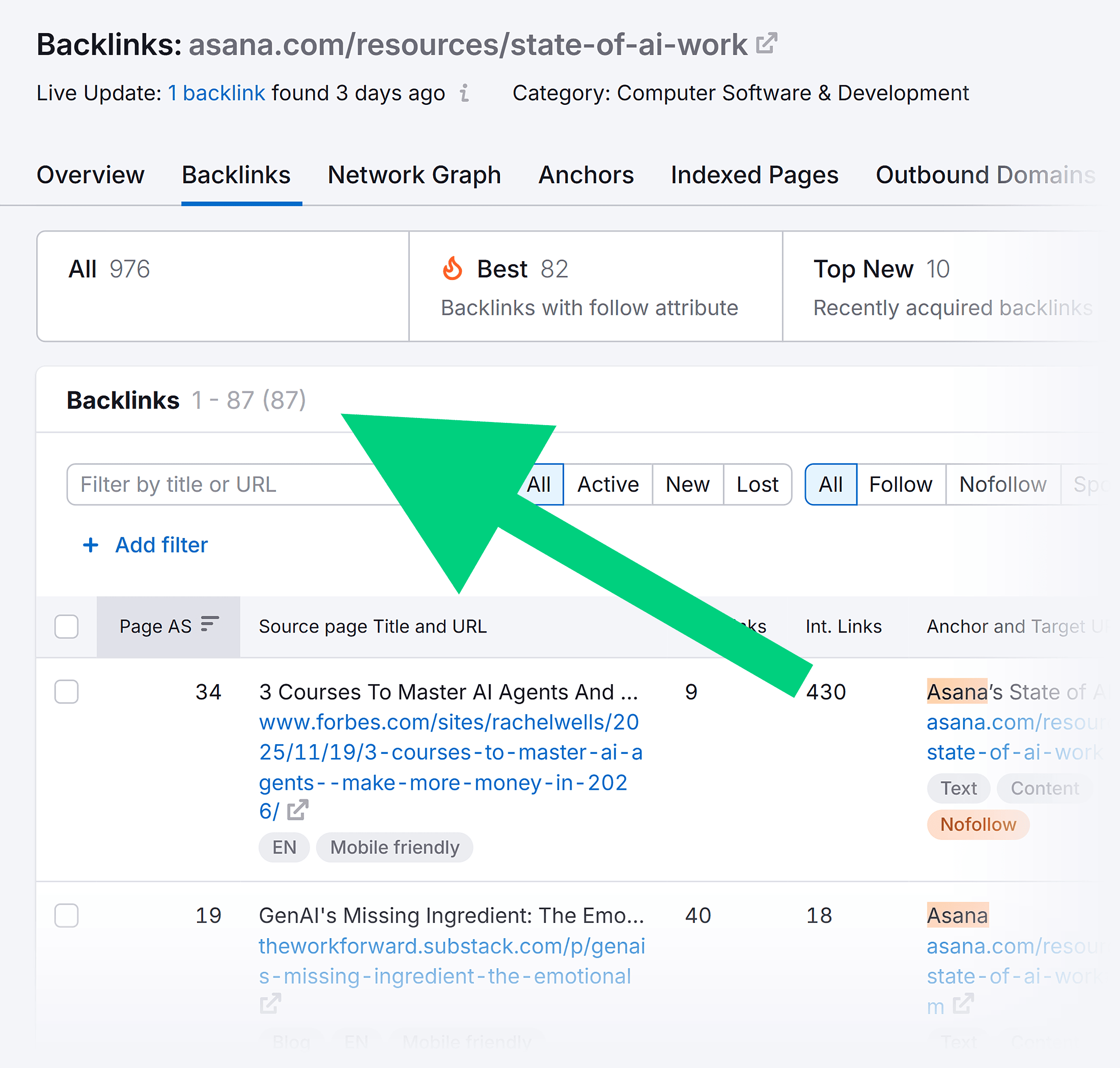
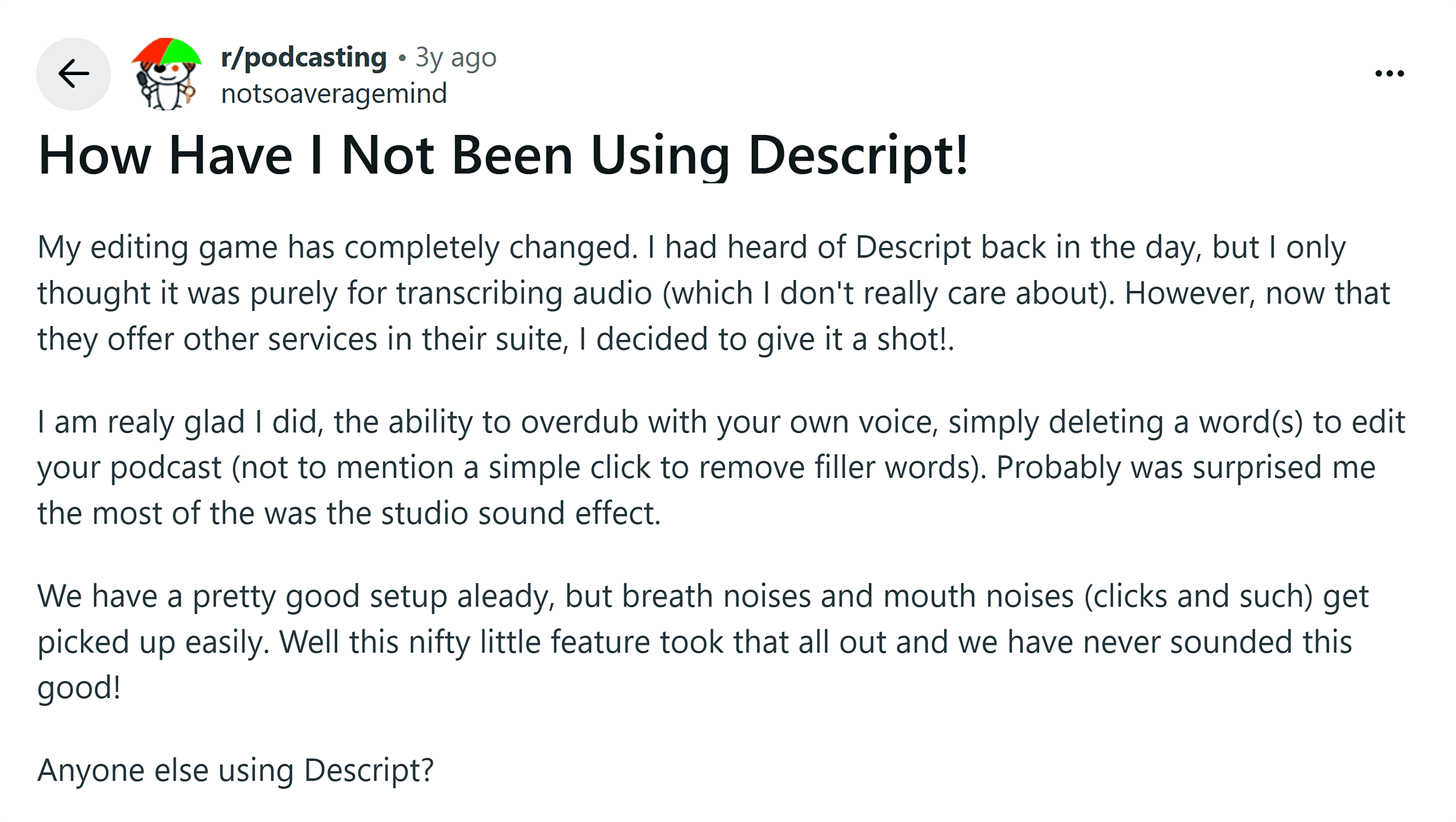
Specificity represents the third critical dimension of mention quality. Exceptional references move beyond superficial name-dropping by incorporating concrete, actionable insights, detailed use cases, performance metrics, and specific feature evaluations. When online communities or expert reviewers elaborate on precisely how a software tool solves a complex workflow challenge, search engines and AI models receive clear, structured signals regarding the functional utility of the brand. These detailed context clues dictate precisely when and where the brand should be recommended to future users.
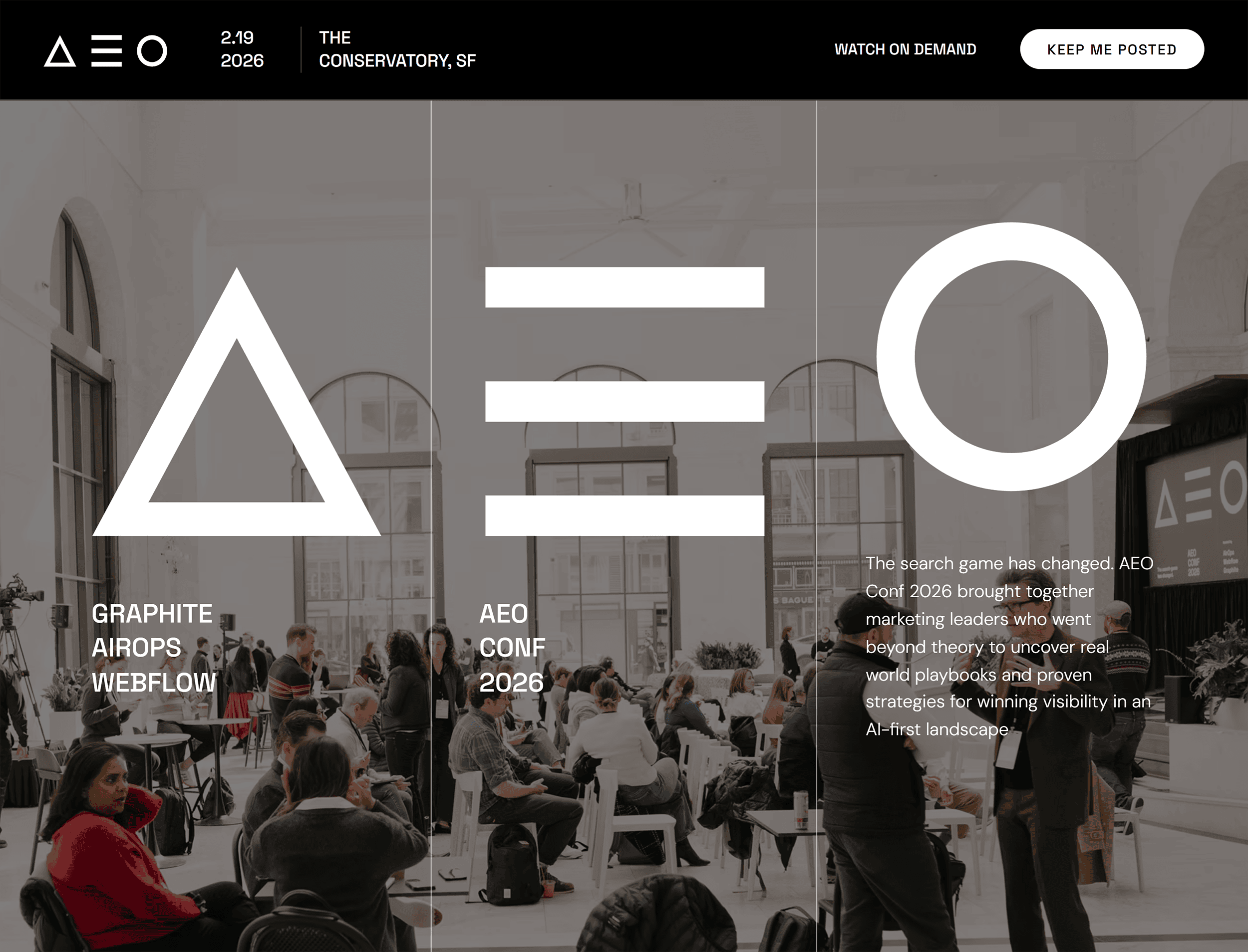
Strategic Frameworks for Earning High-Value Mentions
Organizations seeking to systematically enhance their digital footprint must execute deliberate strategies designed to earn consistent, high-quality brand mentions. Industry leaders typically rely on four core tactical approaches to build durable visibility.
The first strategy involves the creation of original, data-driven, and citable research assets. Conducting rigorous empirical studies on topics currently debated within an industry positions a brand as an indispensable primary source. When an enterprise publishes proprietary survey data or comprehensive market analysis that answers unresolved questions, external publishers, journalists, and community members must cite the brand to reference the data. This dynamic generates a continuous stream of organic mentions and high-authority backlinks long after the initial publication date. Successfully packaging such assets requires clear executive summaries, downloadable visual data representations, and easily digestible key findings that other writers can seamlessly integrate into their own editorial work.

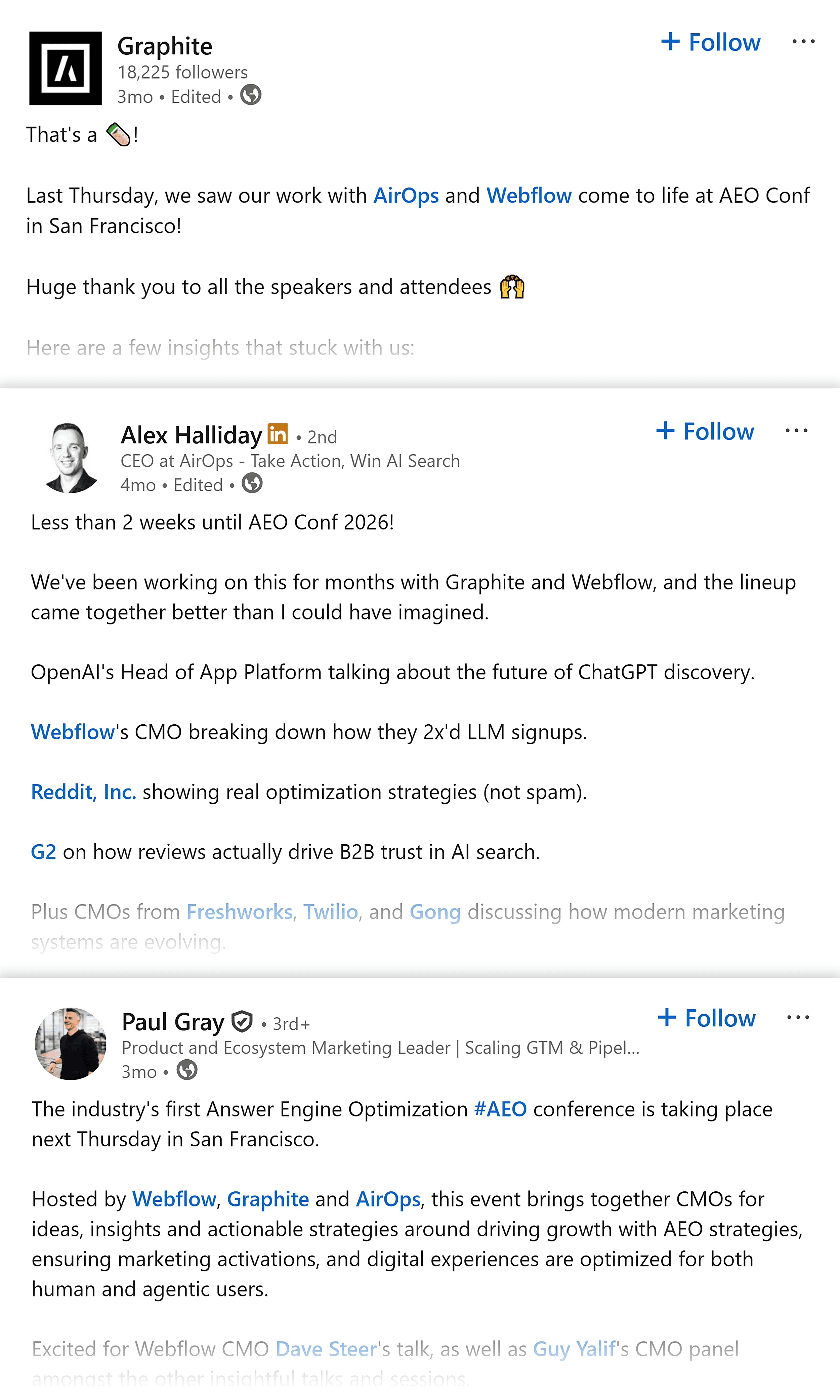
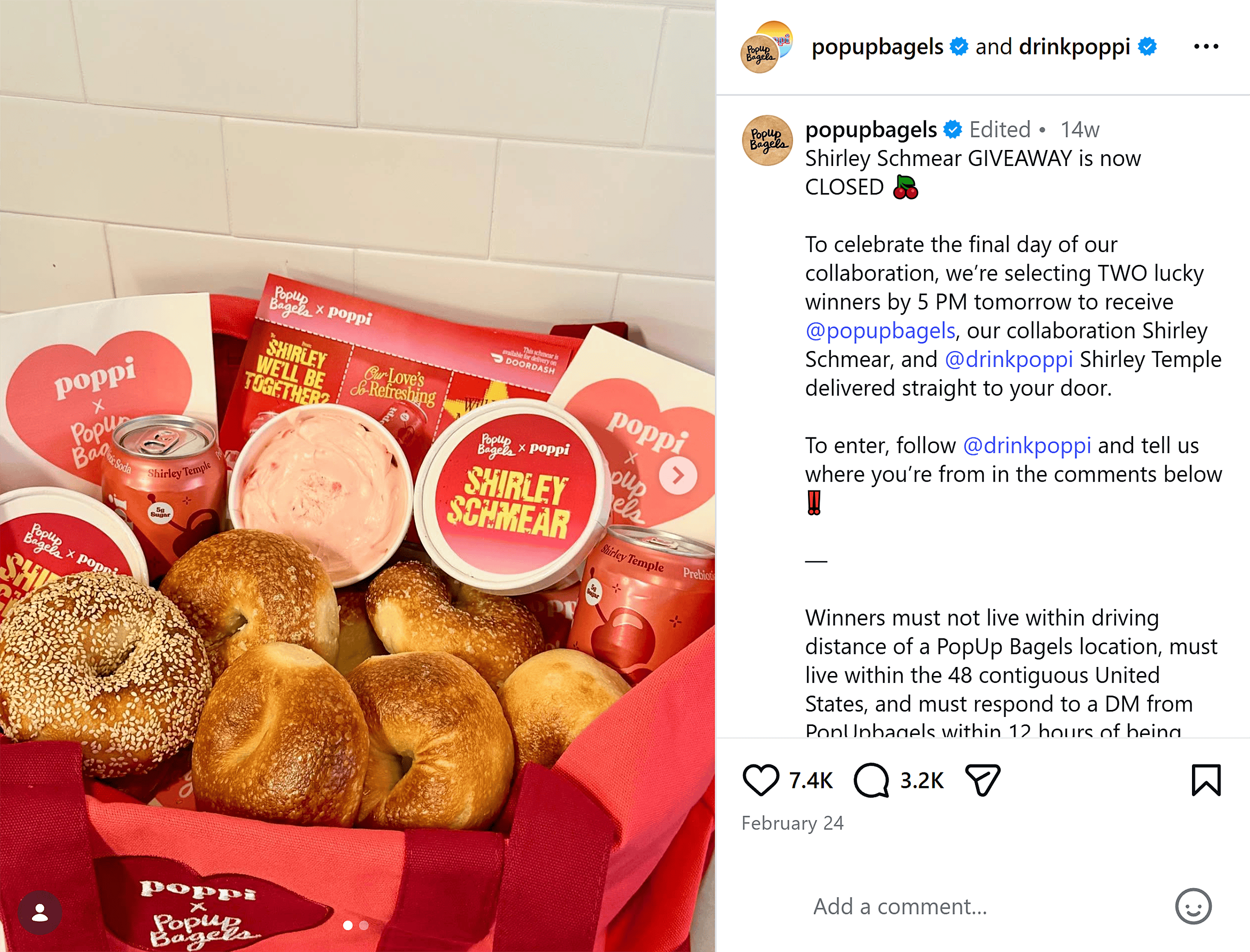
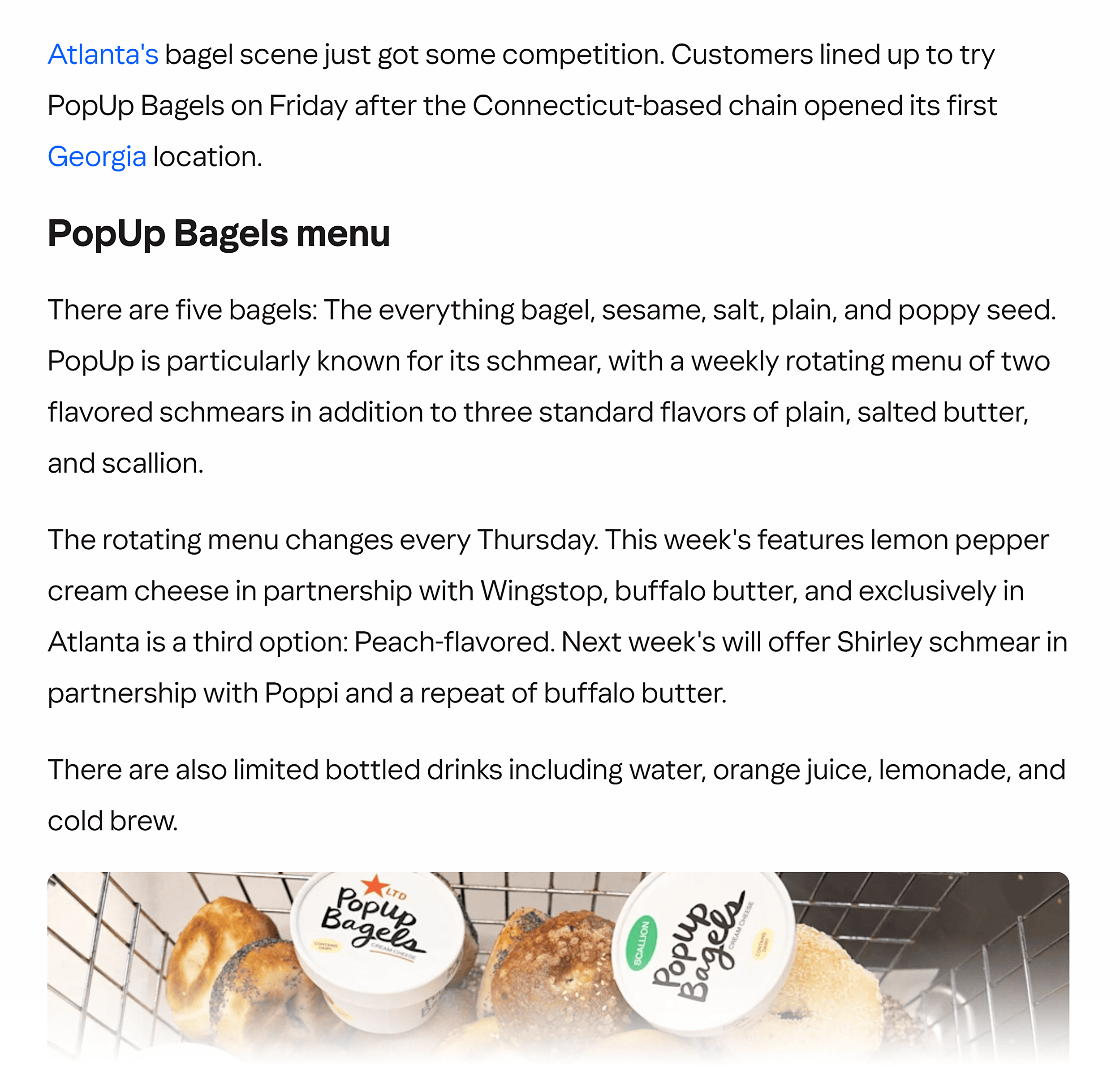
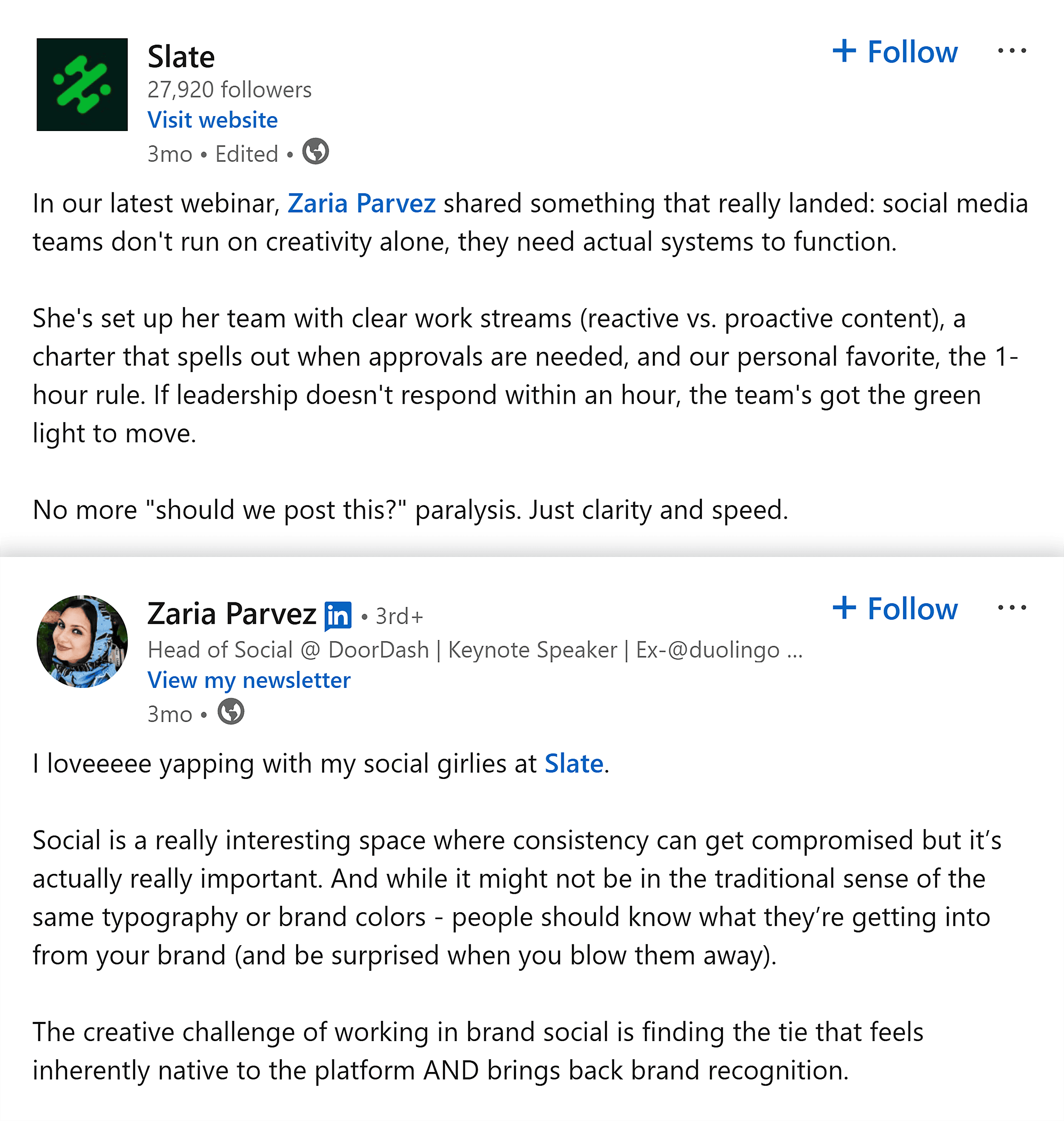
The second approach centers on strategic partnerships and co-created assets. When two or more complementary brands collaborate on joint marketing campaigns, educational events, or product innovations, public discourse surrounding the initiative naturally references all participating entities within the same context. This mutual promotion exposes each brand to the existing audience base of its partners. Furthermore, when independent industry observers publish event recaps, reviews, or social media commentary mentioning the partnering brands simultaneously, search engines register strong co-occurrence signals. These relational data points help machine learning algorithms associate the collaborating enterprises with shared topical categories.
The third method emphasizes the integration of external experts and industry influencers directly into owned content properties. Developing expert roundups, collaborative benchmark reports, and specialized interview series provides external leaders with a vested interest in promoting the resulting material. When an enterprise prominently features an influential voice, that expert frequently shares the content with their extensive professional networks, instantly broadcasting the host brand to thousands of relevant target audience members. To be effective, this approach must genuinely prioritize the contributor’s expertise rather than relegating them to a minor quote within a generic listicle.
The fourth tactic involves proactive digital PR and subject matter expertise contributions. Executives and senior practitioners who actively pitch their insights to established podcasts, industry newsletters, and journalistic publications secure high-visibility placements across diverse media formats. Securing an interview on a major industry podcast generates brand mentions across multiple digital touchpoints, including video descriptions, time-stamped show notes, transcript pages, and syndicated audio distribution platforms. These varied textual assets provide an abundance of structured data for search crawlers and AI models to index.
Measurement, Tracking, and Executive Reporting
Establishing a repeatable brand mention strategy requires robust tracking mechanisms to quantify performance and evaluate return on investment. Organizations typically deploy a combination of monitoring technologies to capture references across the web.

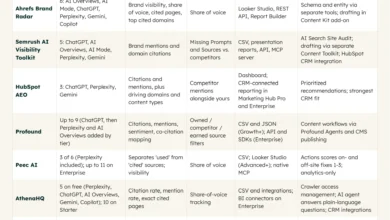
Google Alerts provides a foundational, accessible entry point for monitoring brand, product, and executive names. However, because automated email alerts frequently fail to capture discussions occurring within niche forums, developer communities, and specialized social networks, digital marketing teams must supplement these tools with comprehensive social listening platforms. Enterprise-grade brand monitoring software tracks real-time conversations across global news sites, review aggregators, blogs, and social media channels, categorizing mentions by volume, sentiment, and source type.

Additionally, backlink and mention analytics tools allow SEO professionals to audit incoming links and filter anchor text specifically for brand nomenclature. This analytical process identifies unlinked textual references that can subsequently be converted into valuable navigational hyperlinks through targeted outreach.

When reporting these metrics to executive leadership, marketing teams must shift the narrative away from superficial vanity metrics toward strategic impact. Effective reports synthesize mention volume, prevailing sentiment analysis, and source authority hierarchies into a cohesive narrative. By illustrating how quarterly marketing campaigns directly correlate with spikes in positive brand sentiment and increased citations across authoritative industry domains, marketing leaders can definitively demonstrate the profound business value of brand mentions in shaping modern search and artificial intelligence visibility.