The Apple HomePod mini 2 is officially arriving in retail channels globally starting tomorrow, October 30, 2026, with early shipments already reaching consumers in Australia and New Zealand. As the latest iteration of Apple’s compact smart speaker enters the market, early adopters and tech analysts are turning their attention to a significant design departure from the original model: a layered, two-tone acoustic mesh fabric that introduces a more dynamic aesthetic to the HomePod lineup.
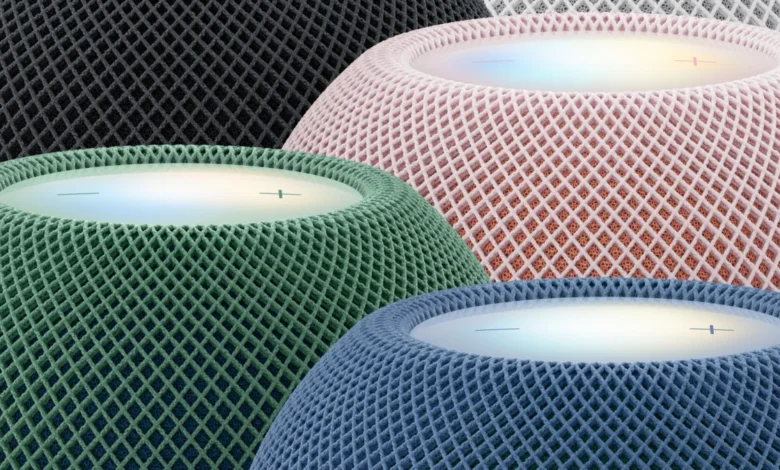
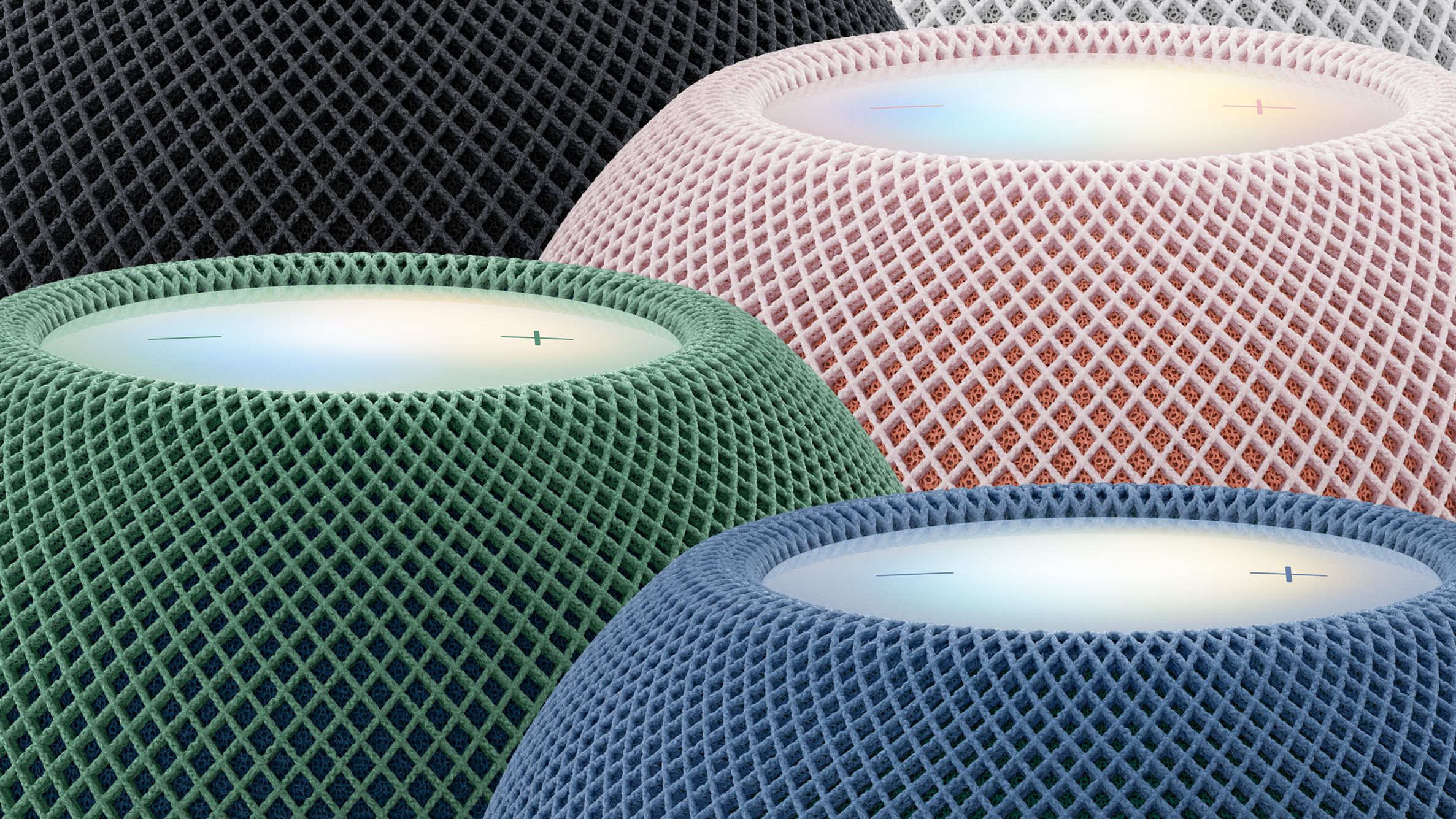
The transition to this dual-layered design, first showcased in recent hands-on reviews—most notably by Craig’s Tech Talk—marks the most visible hardware change in the product’s lifecycle. Unlike the uniform color profiles that defined the original HomePod mini, the 2026 model utilizes two distinct layers of acoustic material, creating depth and a visual shift depending on the viewing angle.
The Aesthetics of Acoustic Engineering
The most striking implementation of this design choice is found in the vibrant color options. For the pink variant, Apple has paired a light pink outer mesh with a deeper coral-toned inner fabric, creating a warm, multi-dimensional effect. The blue and green models exhibit a more daring, high-contrast approach: the blue HomePod mini 2 features a blue outer mesh layered over a green interior, while the green model reverses this, utilizing a green outer layer with a blue interior fabric.
This design choice serves as a clear visual identifier, allowing users to distinguish the second-generation model from the original device at a glance. While the midnight and white versions also incorporate these dual layers, the color differential is more muted, offering a sophisticated, subtle take on the aesthetic that aligns with Apple’s minimalist design language.
Chronology of the 2026 Smart Home Refresh
The launch of the HomePod mini 2 is the culmination of a broader strategy by Apple to revitalize its smart home ecosystem, which has faced mounting pressure from competitors like Amazon’s Echo and Google’s Nest series. The roadmap for this release was clarified throughout the latter half of 2026:
- September 30, 2026: Reports from industry insiders, including Bloomberg’s Mark Gurman, first signaled that Apple was preparing to debut a new smart home hub, an updated HomePod mini, and a refreshed Apple TV on October 13.
- October 11, 2026: Just two days prior to the official “Welcome Home” showcase in New York, a wave of leaks confirmed the existence of “HomeView,” a new hub device featuring an integrated touch display, which served as the cornerstone of the event alongside the HomePod mini 2.
- October 13, 2026: Apple officially unveiled the new smart home product suite. The HomePod mini 2 and the updated Apple TV 4K were introduced with a focus on internal hardware improvements, specifically the integration of more powerful chips designed to support advanced Siri AI capabilities.
- October 29, 2026: Initial review units reached the public, highlighting the refined exterior design and confirming the release window for international markets.
- October 30, 2026: The official global retail launch, marking the start of the holiday shopping cycle for Apple’s home audio division.
Technical Implications and Internal Upgrades
While the two-tone fabric is the primary external differentiator, the HomePod mini 2 is defined internally by its pivot toward edge-computing performance. The integration of a faster processor is a direct response to the increasing demand for on-device processing of AI-driven voice commands. As Siri continues to evolve into a more conversational and context-aware assistant, the local processing power required to handle complex requests without relying on cloud-based latency has become paramount.
Industry analysts suggest that the decision to keep the external form factor largely consistent with the original—aside from the updated mesh—was a strategic move to ensure compatibility with existing accessories and to maintain the device’s established physical footprint. However, the move to a dual-layered mesh also serves a functional purpose. Acoustic transparency is critical in smart speakers; by refining the fabric density and layering, Apple engineers have sought to maintain the high-fidelity output the HomePod line is known for, while providing a refreshed visual identity.
Broader Market Context
Apple’s renewed focus on the smart home arrives at a critical juncture. For several years, the smart home market has been characterized by fragmentation. By introducing the "HomeView" hub alongside the HomePod mini 2, Apple is attempting to solidify its position as a central orchestrator of the modern connected home.
Market data indicates that consumers are increasingly prioritizing interoperability and privacy-centric AI. By housing Siri intelligence locally on the HomePod mini 2, Apple is betting that consumers will favor the privacy benefits of on-device processing over the cloud-heavy models offered by competitors.
Furthermore, the "Welcome Home" initiative in New York underscored that these devices are no longer just peripheral speakers; they are intended to be the command centers for Apple’s expanding Matter-compatible ecosystem. The HomePod mini 2, as an entry-level device, plays a vital role in this strategy by lowering the barrier to entry for users who want a high-quality speaker that also functions as a reliable Thread border router.
Industry Reaction and Consumer Expectations
The reception of the HomePod mini 2 among reviewers has been largely positive, with a focus on the incremental but meaningful improvements. Tech commentators have noted that while the audio quality remains comparable to the original, the enhanced processing speed for voice commands is a tangible improvement that makes the assistant feel more responsive.
The move to two-tone colors is also being viewed as a pivot toward "lifestyle" branding. By offering colors that feel more curated and less utilitarian, Apple is positioning the HomePod mini 2 as an interior design element as much as a piece of technology. This mirrors the design philosophy seen in the latest iMac and iPhone color palettes, emphasizing personalization within the domestic environment.
Implications for the Future of Apple Home
Looking ahead, the success of the HomePod mini 2 will likely serve as a litmus test for Apple’s hardware trajectory in 2027. With reports of potential OLED MacBook Pros and M6-powered computing hardware on the horizon, the HomePod mini 2 represents the smaller, more accessible side of Apple’s product portfolio.
The strategy of releasing products in a staggered, Friday-release schedule—as seen with the expected November 6 releases—suggests that Apple is managing its supply chain with high precision. By spacing out the availability of the HomePod mini 2, the new Apple TV, and the upcoming MacBook Pro refreshes, Apple aims to maintain a constant news cycle and consistent momentum throughout the final quarter of the year.
For the average consumer, the HomePod mini 2 offers a refined experience that balances continuity with innovation. It does not reinvent the smart speaker, but it polishes the existing formula to better suit an era defined by artificial intelligence and high-end home integration. As the units land in homes across the globe starting this Friday, the focus will shift from initial impressions to long-term usage, particularly how well the new, more complex mesh fabric holds up to dust and daily interaction over time.
Ultimately, the HomePod mini 2 is a signal of stability for Apple. By focusing on design iteration and internal performance upgrades, the company is doubling down on the smart home as a core pillar of its ecosystem, ensuring that its hardware is ready for the next wave of AI-driven advancements. As users begin to unbox their new devices this weekend, they will be engaging with a product that represents a bridge between Apple’s established acoustic legacy and its future in ambient, AI-integrated computing.