Project Neo: How Lumio’s AI Chatbot is Revolutionizing Content Discovery on Google TV

The pervasive challenge of content discovery in the modern streaming era has become an almost universal experience. Despite an ever-expanding library of films and series across platforms like Netflix, HBO Max, and Disney+, many viewers find themselves trapped in a cycle of "doomscrolling"—endlessly browsing without settling on a selection. This phenomenon, often dubbed the "paradox of choice," transforms what should be a relaxing evening into a frustrating exercise in decision paralysis. The remote, once a simple tool for channel surfing, now feels like a burden, navigating labyrinthine menus and endless promotional tiles. This profound disconnect between the abundance of content and the ability to easily find something truly appealing highlights a significant flaw in current smart TV ecosystems.
Amidst this landscape, an innovative solution has emerged from Indian hardware upstart Lumio. Their experimental AI agent, dubbed Project Neo, aims to fundamentally redefine how users interact with their Google TV devices for content discovery. Project Neo leverages the ubiquity of everyday communication platforms, specifically WhatsApp and Instagram, to bridge the gap between where content discovery organically occurs (on smartphones) and where consumption happens (on the television screen). The premise is simple yet revolutionary: by connecting an AI agent directly to a Google TV device via these widely used messaging apps, Project Neo promises to strip away the friction inherent in current living room entertainment setups. Initial impressions from extensive testing suggest that this conversational approach to content discovery is not merely a novelty but a crucial missing piece in the smart TV ecosystem, and arguably one of the most intelligent applications of AI observed recently.
The Inherent Flaws in Current Smart TV Content Discovery
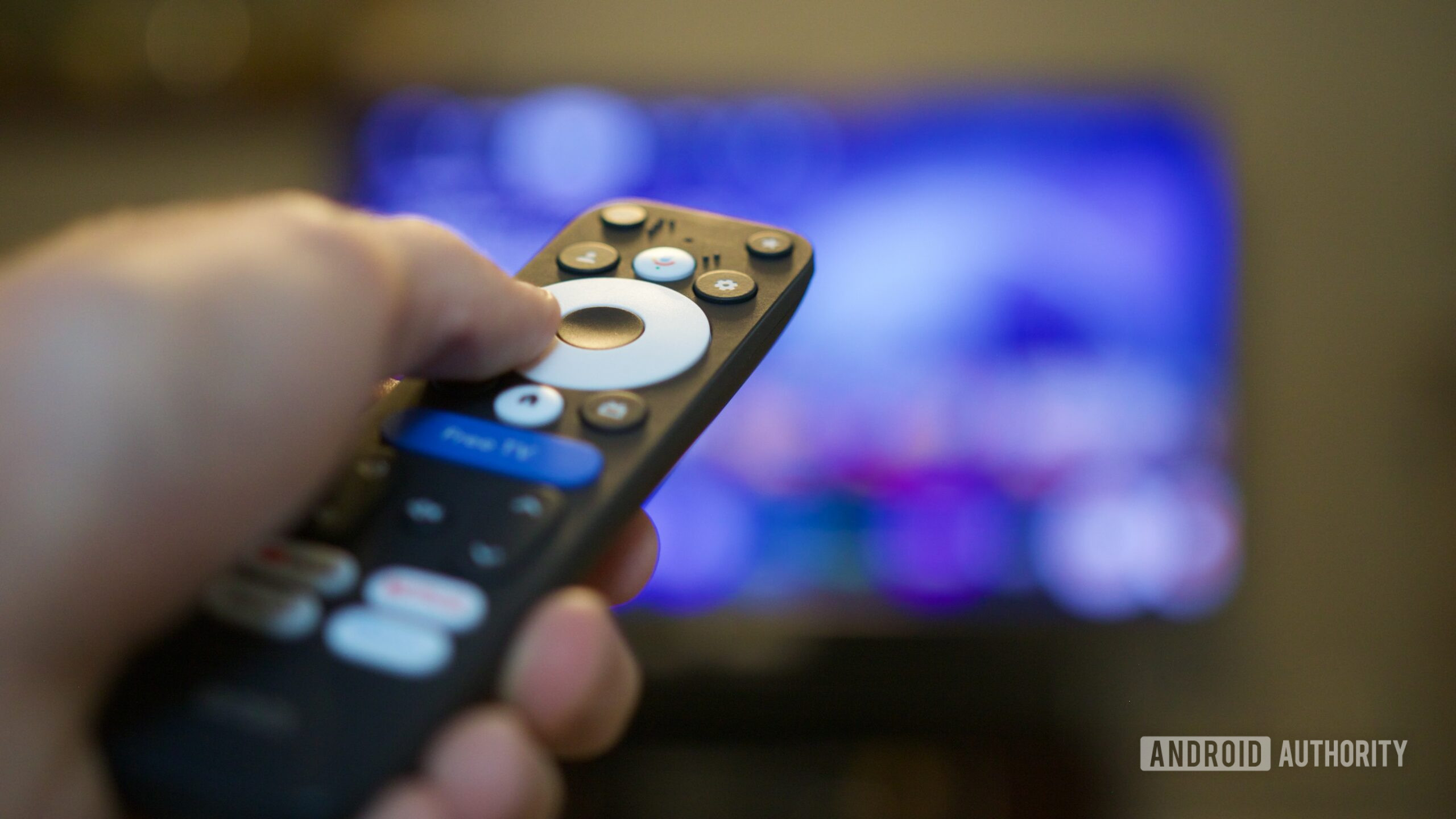
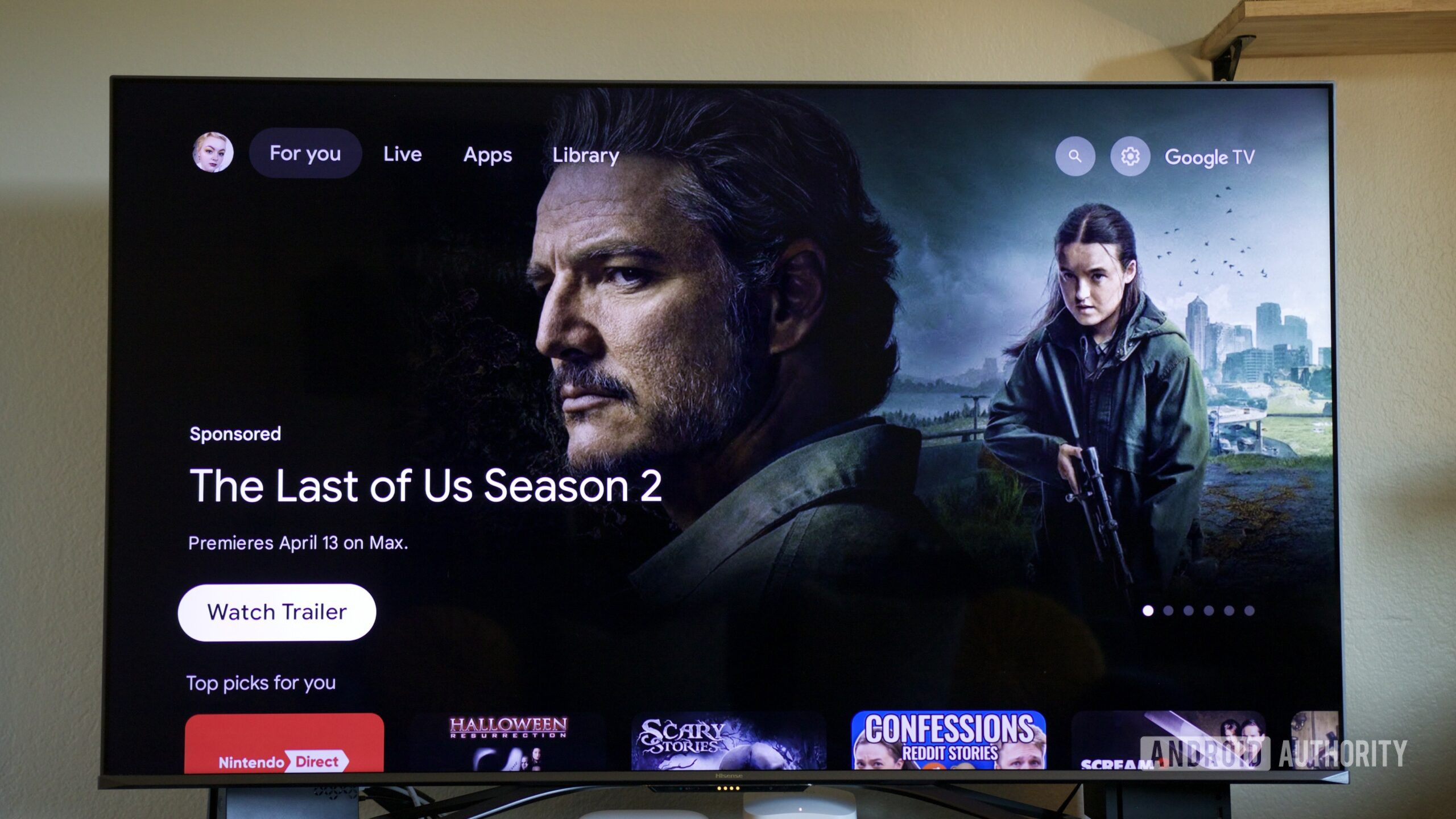
Modern smart TV platforms, while offering immense capabilities, are fundamentally flawed in their approach to content discovery. The primary issue lies in their design, which prioritizes maximizing engagement time over genuine user satisfaction. Interfaces are typically cluttered with dense grids of promotional tiles, often featuring auto-playing trailers that are more disruptive than helpful. Users are expected to navigate complex menus using a traditional remote control, a device that has seen minimal innovation over decades, ill-equipped for the demands of a sprawling digital content universe.
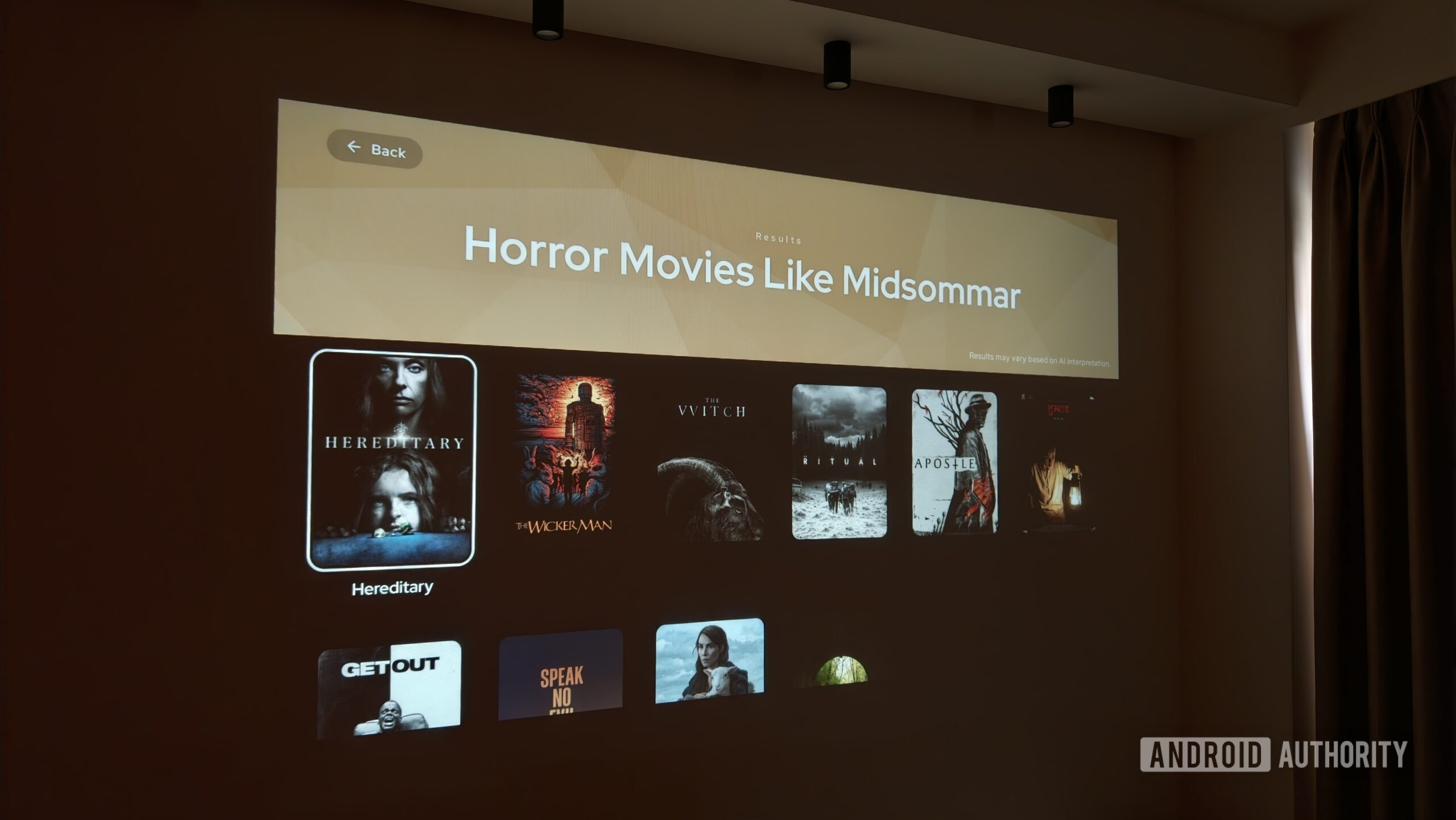
A deeper problem is the superficial nature of content categorization. Recommendations are largely genre-dependent, lacking the nuance required to understand subtle thematic connections or stylistic similarities. For instance, a sophisticated psychological horror film like Midsommar shares more in common with the classic folk horror of The Wicker Man than it does with the often formulaic, mass-produced horror offerings prevalent on major streaming services. Current algorithms frequently fail to grasp these intricate relationships, leading to uninspired and repetitive suggestions.
Crucially, these platforms ignore the evolving habits of content discovery. In the contemporary digital age, discovery primarily occurs on smartphones, through online communities like Reddit, dedicated film forums, social media platforms such as Instagram and TikTok, or via personal recommendations from friends through messaging apps. This mobile-first discovery paradigm creates a significant challenge when translating that interest to the big screen. If a friend sends a recommendation via text, the user must remember the title, identify the streaming service hosting it, locate the physical remote, open the correct application, and then manually type out the movie’s name or rely on often-unreliable voice search functionalities like Google Assistant. While Google Assistant aims to reduce this friction, its efficacy in real-world scenarios often falls short, leading to frustration and abandoned searches. This fragmented and cumbersome process highlights the urgent need for a more intuitive and integrated discovery experience.
Project Neo: A New Paradigm for Seamless Content Curation
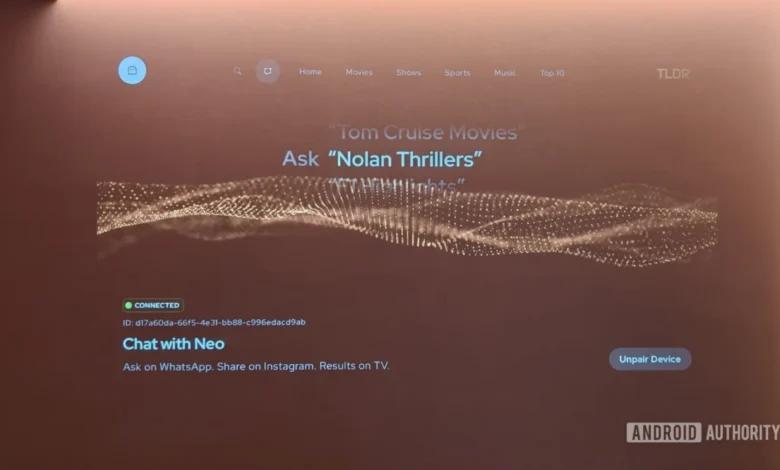
Project Neo directly addresses these systemic shortcomings by shifting the entire content discovery process back to the smartphone, leveraging interfaces that billions of people already use instinctively every day. The system operates through a companion application, aptly named TLDR (Too Long; Didn’t Read), which runs on the Google TV device. The setup process is remarkably straightforward: a standard QR code-based pairing links a WhatsApp chatbot to the user’s account. Once connected, the smartphone transforms into a powerful, conversational input device for the television.
The elegance of Project Neo lies in its seamless integration and simplicity. Users are not required to download yet another proprietary app on their phone; instead, the input mechanism is brought to the platforms where they already spend their time. This eliminates the need for cumbersome casting protocols or constant switching between devices. To find content, a user simply types or speaks their request to the WhatsApp bot. The TLDR app on the TV then intelligently processes this command, pulling up the requested content on screen. A quick tap on the thumbnail initiates playback, provided the user is logged into the relevant streaming service. If not, Project Neo still provides comprehensive metadata, including high-resolution posters, banner images, a concise summary, and detailed cast information, along with explicit information on which services the content is available.
This approach significantly reduces the barriers to entry for advanced content discovery. The average user spends hours daily on messaging and social media applications, making them prime candidates for an integrated discovery experience. By leveraging these existing habits, Project Neo minimizes the learning curve and maximizes convenience, turning a chore into an effortless interaction.
Beyond Basic Search: Intelligent Recommendations and Natural Language Processing
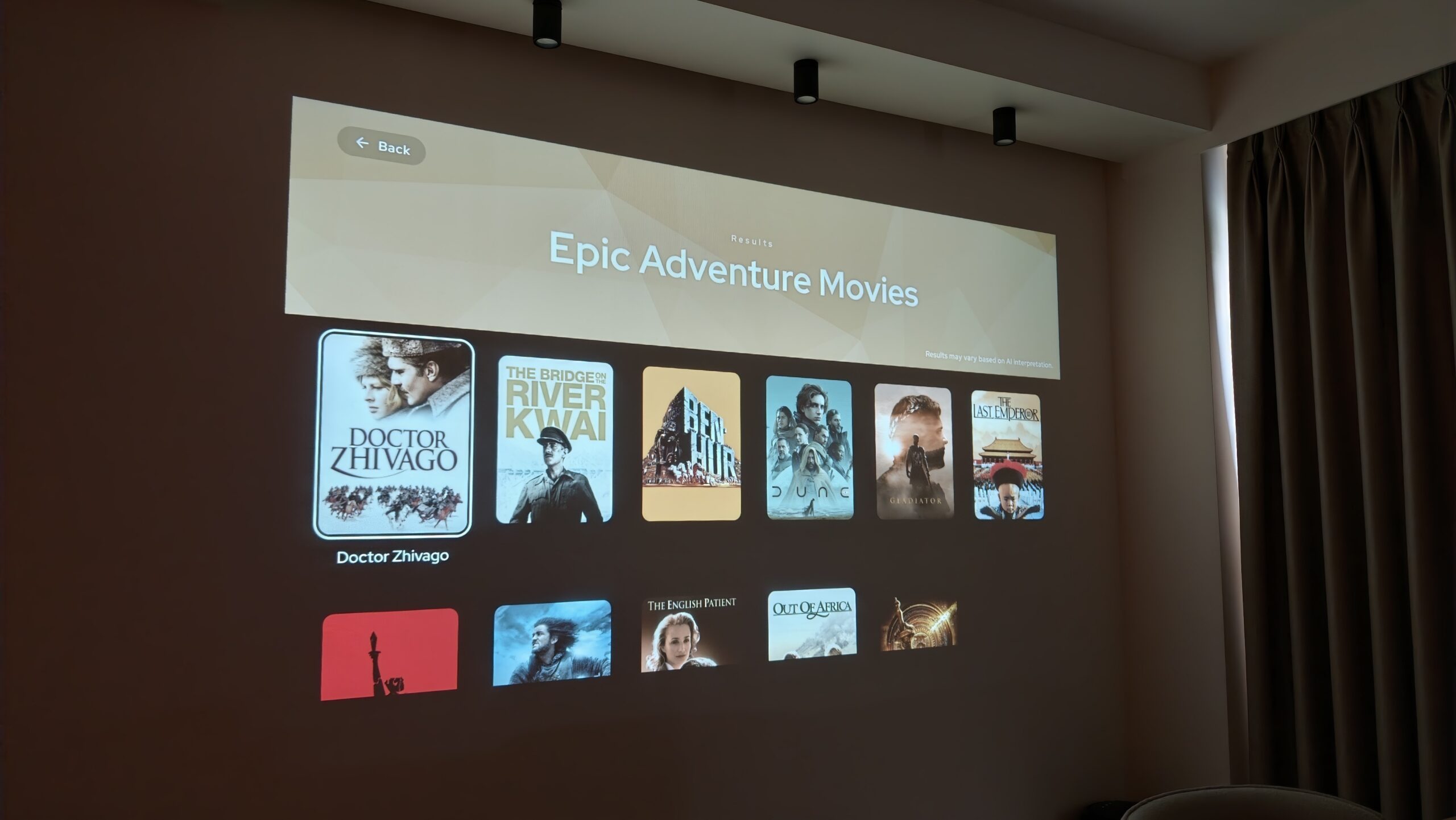
The capabilities of Project Neo extend far beyond a simple smartphone-based media launcher. At its core lies a sophisticated recommendation engine powered by advanced AI. During testing, the system demonstrated an impressive ability to understand nuanced requests and deliver highly relevant suggestions. For example, when asked for films similar to the epic adventure Lawrence of Arabia, Project Neo accurately recommended cinematic counterparts such as Ben-Hur and The Last Emperor, showcasing an understanding of historical scope, grand narratives, and production quality that transcends mere genre classification.
The user experience with Project Neo is exceptionally fluid, primarily due to its robust natural language processing capabilities. Users can converse with the WhatsApp bot as they would with a knowledgeable friend, employing slang, colloquialisms, and abbreviated communication without compromising accuracy. This allows for highly specific and complex queries that would be impossible with traditional remote controls or even most voice assistants. One could, for instance, ask the bot to "pull up trending movies," or delve into more intricate requests like "find a non-obvious, neo-noir crime thriller from the ’90s with high ratings and featuring at least one Oscar-nominated actor." The system consistently delivered solid recommendations directly to the projector screen, demonstrating its capacity for sophisticated content filtering. Further refining queries, such as "filter out movies longer than 90 minutes," proved equally effective, highlighting the conversational depth of the AI.
For those who prefer not to type, Project Neo fully supports voice input. Users can send voice notes to the bot, and it processes these requests with remarkable precision. Moreover, the scope of discovery isn’t limited solely to cinematic content. The platform can search for music videos, and even sports scores, displaying title cards with game highlights for the latter, although it currently lacks the ability to directly launch into a live match. This multi-faceted search capability positions Project Neo as a comprehensive entertainment hub, managed entirely through intuitive smartphone interactions.
Integrating Social Media: Bridging Discovery and Consumption
One of Project Neo’s most significant innovations is its seamless integration with social media platforms, directly addressing a massive disconnect in the modern living room. A substantial portion of contemporary content discovery occurs on platforms like Instagram, where users curate collections of interesting films, series, and short-form videos. However, these collections often languish, forgotten, precisely when a user is actively searching for something to watch on their television.
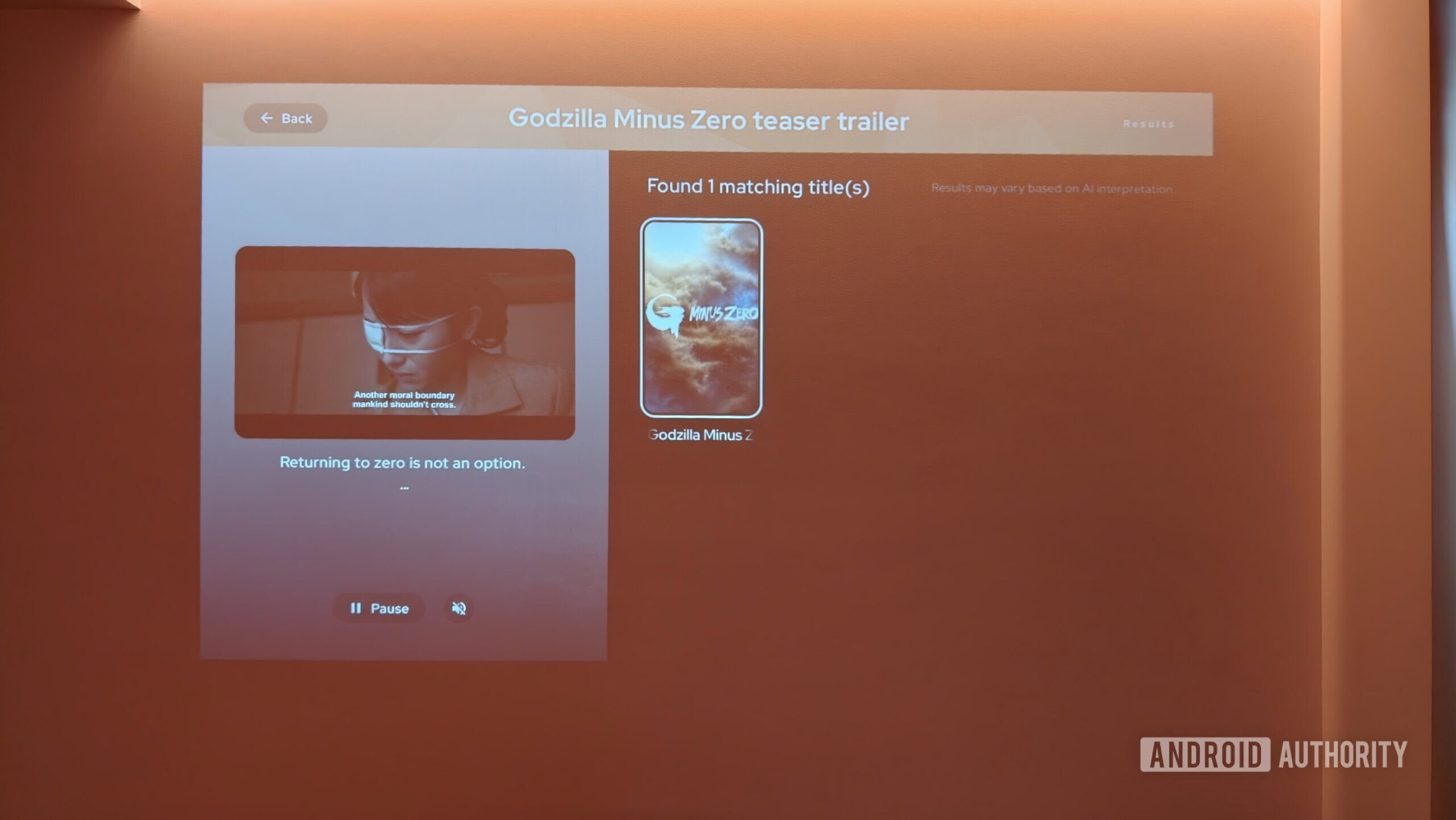
Project Neo solves this by allowing users to link their Instagram accounts to the platform. The implications are profound: any time a user forwards an image or a Reel from Instagram to the WhatsApp bot, Project Neo parses the content and pulls up the corresponding recommendation directly on the TV. This was demonstrated effectively during testing with a trailer for Godzilla Minus Zero. Not only did the trailer begin playing on the television, but the system also generated a detailed card for the movie, offering options to add it to a watchlist.
This capability extends beyond just movie trailers. The ability to instantly display Instagram Reels on a large screen offers significant social benefits. How often does one encounter a hilarious or thought-provoking clip on social media that they wish to share with friends or family gathered around the television? The typical workaround involves laboriously searching for the content on YouTube, or awkwardly screen mirroring a phone, often risking intrusive notifications. With Project Neo, a simple forward of the Instagram Reel to the bot instantly plays the video through the connected display, eliminating interruptions and enhancing the shared viewing experience. This feature truly bridges the gap between social-first content discovery and its seamless consumption on the big screen, marking a significant step forward in intuitive media sharing.
Challenges and Future Outlook for Project Neo
While Project Neo presents an ambitious and compelling glimpse into the future of TV interaction, it remains an early-stage beta with certain limitations that warrant consideration. A primary challenge lies in its inability to launch videos across all popular streaming applications. While it supports many, the inherent "locked-down" nature of Google TV’s underlying architecture imposes restrictions on deep-linking and universal playback initiation. This means that, at times, users may still need to manually launch the recommended movie or show within its native app, slightly diminishing the seamless experience Project Neo strives for.
Performance can also be an occasional hurdle. During testing, the AI-powered bot exhibited instances of slowness, leading to moments where users might question if their request was registered or if the system was functioning correctly. While not a common occurrence, these intermittent delays can detract from the otherwise fluid interaction.
Furthermore, a significant strategic decision by Lumio is the companion app’s exclusivity to its own Lumio TVs and projectors. While understandable from a business perspective—using innovative software to enhance the value proposition of proprietary hardware—this exclusivity represents a missed opportunity for broader impact. Releasing the TLDR app on the Google Play Store could transform it into a highly compelling reason for users of any Google TV-powered device to consider the Lumio ecosystem, or at the very least, elevate the conversation around advanced content discovery.
Finally, the looming presence of Google’s own "Gemini for TV" cannot be ignored. Google is poised to introduce a very similar AI-powered experience across its television platforms, potentially offering native, deeply integrated functionalities. The main caveat, however, is the absence of a clear timeline for Gemini for TV’s broad availability. While Gemini for TV promises AI integration, Project Neo’s unique WhatsApp and Instagram chat-based interface remains a distinct innovation. This particular approach is something Google could and should consider "cribbing" for the benefit of the broader ecosystem, demonstrating a clear path forward for intuitive user interaction.
Google’s Opportunity: Learning from Lumio’s Innovation
The philosophy and execution behind Lumio’s Project Neo represent a clear evolutionary path that Google TV, and indeed the entire smart TV industry, urgently needs to embrace. Google, with its vast resources and technological prowess, already possesses all the necessary components to build an identical, if not superior, experience natively into its platforms. Such an initiative could be deployed on a scale that a nascent startup like Lumio simply cannot match. While early glimpses of Gemini for TV suggest that Google is moving in a similar direction with AI integration, Project Neo’s specific methodology offers distinct advantages.
Should Google choose to integrate a conversational, smartphone-linked AI discovery engine natively into the core TV experience, complete with robust social media linkages, the impact would be nothing short of a true game-changer. A native solution would inherently bypass the deep-linking hurdles that currently plague Project Neo and any third-party application attempting similar feats. This would empower the AI to not only identify a movie but also to instantly initiate its playback across any subscribed streaming service, making the traditional remote control and the often-frustrating voice-based interactions of the past obsolete.
Project Neo unequivocally demonstrates that natural language processing, facilitated by the familiar and always-present smartphone keyboard, represents the ultimate tool for sophisticated and effortless content discovery. As the smart TV landscape continues to evolve, embracing this conversational paradigm is not merely an enhancement but a necessary revolution. Google has a golden opportunity to learn from Lumio’s innovative playbook and integrate these user-centric advancements, thereby ushering in the next generation of Google TV with an experience that finally aligns with how users truly discover and engage with content in the digital age. This compelling glimpse into the future shows where TV interfaces are undeniably headed, and the industry leader has a clear roadmap to follow.