Samsung aggressively targets Apple’s folding debut as reports of widespread screen failures plague the new iPhone Duo

The smartphone market is currently witnessing one of the most aggressive marketing maneuvers in recent industry history. Following the highly anticipated, yet structurally controversial, launch of the Apple iPhone Duo—the company’s inaugural entry into the foldable smartphone segment—Samsung Electronics has launched a multi-national advertising offensive. By directly highlighting the emerging "crackgate" phenomenon affecting early adopters of the iPhone Duo, Samsung is attempting to solidify its position as the seasoned veteran of the foldable form factor. The rivalry, which has defined the mobile landscape for over a decade, has now shifted from processor performance and camera capabilities to the physical durability of flexible display technology.
The Emergence of the iPhone Duo Crackgate
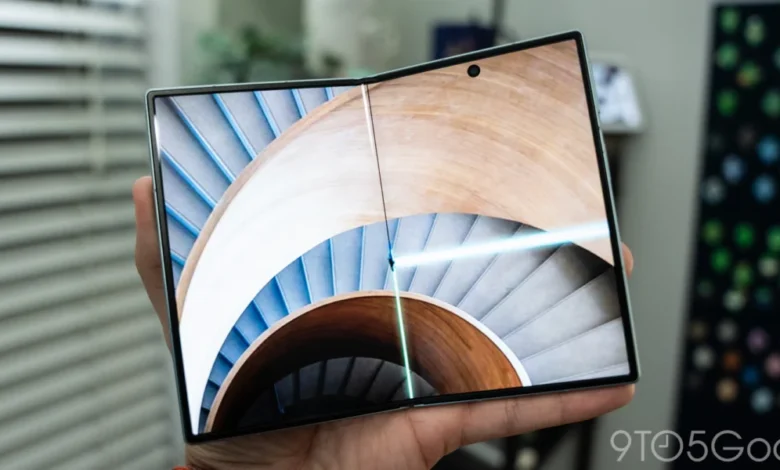
The launch of the iPhone Duo was positioned as a watershed moment for Apple, signaling its entry into a category that Samsung has been refining since the debut of the original Galaxy Fold in 2019. However, within days of the device reaching consumer hands, a pattern of hardware failure began to emerge. Numerous users reported that their internal OLED displays were developing vertical fractures along the central crease. These reports were not isolated incidents of accidental damage; rather, they followed a consistent, recurring failure point that suggests a fundamental engineering flaw in the device’s hinge mechanism or the stress distribution of the display panel.

The failure, dubbed "crackgate" by online communities and tech analysts, typically manifests as a black line of dead pixels running vertically through the center of the screen, eventually rendering the device unusable. While Apple has initiated a replacement program for affected units, the optics of the situation have provided a substantial opening for competitors to cast doubt on the reliability of Apple’s first-generation folding hardware.
A Chronology of the Marketing Offensive
Samsung’s response was swift, coordinated, and global in scope. Recognizing the potential to sway undecided consumers, the company deployed a series of targeted advertisements across its regional Instagram accounts, including those in Canada, Australia, Malaysia, and Saudi Arabia.
- Initial Phase (October 2026): As reports of the screen failures began to trend on social media, Samsung Canada launched an advertisement stating, "Folding is nothing new to us; we know a thing or eight," a direct reference to the Galaxy Z Fold 8. The ad featured imagery of the iPhone Duo’s characteristic center-screen crack, juxtaposed against the functional, uninterrupted display of the Z Fold 8.
- Expansion (Mid-October 2026): Samsung Malaysia escalated the campaign by directly referencing the public discourse surrounding device durability. Their copy read, "Feeling a little FOMO seeing all this talk about durability… oops, we’ve just been busy folding and getting on with our day."
- Diversification (Late October 2026): Samsung Australia adopted a more auditory approach, releasing content that emphasized the "peace of mind" associated with a durable folding hinge, while Samsung Saudi Arabia utilized a "troll" tactic, creating a wallpaper for the Galaxy Z Fold 8 that mimicked the iPhone Duo’s cracked screen, effectively turning the failure into a digital visual joke.
The Evolution of Foldable Engineering
To understand why Samsung’s messaging is resonating, one must look at the historical context of the foldable smartphone market. When Samsung launched the original Galaxy Fold in 2019, it faced similar, if not more severe, durability issues. The initial launch was delayed after early reviewers experienced screen failures, dust ingress, and hinge instability.

Samsung spent the following seven years iterating on its "Flex Hinge" technology, moving from early, exposed gaps to the current "Zero Gap" design featured in the Z Fold 8. This history of "fail, fix, and refine" is the cornerstone of Samsung’s current marketing narrative. By positioning itself as the company that has already survived its "growing pains," Samsung is attempting to characterize Apple’s current issues as an inevitable consequence of a lack of experience in the category.
Data-Driven Perspectives on Reliability
The reliability of a foldable device is measured by the number of cycles a hinge and display can endure before mechanical fatigue sets in. Industry standards typically aim for a minimum of 200,000 folds. Samsung’s Z Fold 8 is marketed as having undergone rigorous stress testing to meet or exceed these thresholds, utilizing proprietary Ultra-Thin Glass (UTG) and a multi-layered hinge structure that distributes force away from the crease.
In contrast, Apple’s entry into the space represents a departure from its traditional conservative approach to hardware deployment. While the iPhone Duo features advanced materials, early technical teardowns suggest that the tensioning of the display panel may be too high, leading to the reported fractures under cold temperatures or repetitive folding. While no official failure rate has been released by Apple, the volume of reports appearing on consumer advocacy forums and social media suggests that this is a systemic issue rather than a series of isolated manufacturing defects.

Corporate Strategy and Brand Positioning
From a strategic standpoint, Samsung’s decision to attack the iPhone Duo so aggressively serves two purposes. First, it acts as a defensive moat for its own market share. The Galaxy Z Fold series is a high-margin product, and Apple’s entry threatened to siphon off a significant portion of the premium foldable user base. By highlighting the failure, Samsung is framing the purchase of a Z Fold 8 as the "safe" or "informed" choice.
Second, the campaign serves to disrupt the "Apple Halo Effect." Historically, when Apple enters a new product category—as it did with smartwatches and wireless earbuds—it is often viewed as the definitive version of that product. By mocking the iPhone Duo, Samsung is attempting to break the perception that Apple’s engineering is inherently superior or more refined.
The Broader Implications for the Industry
The "crackgate" incident and the subsequent marketing war raise important questions about the future of consumer electronics. As manufacturers push the boundaries of materials science to create thinner, lighter, and more complex devices, the margin for error shrinks. The industry is currently in a race to see who can achieve the perfect balance of durability and portability.

For Apple, the path forward is clear: they must address the manufacturing or design defect through a silent revision of the hardware—a common practice in the industry—and continue to provide exemplary customer service to prevent a long-term loss of consumer trust. For Samsung, the challenge is to maintain its momentum. While the current marketing campaign is effective, it also invites intense scrutiny of the Galaxy Z Fold 8. Should any reports of similar failures arise in Samsung’s own devices, the company would face significant backlash for its "glass house" marketing tactics.
Conclusion
The current situation serves as a stark reminder of the complexities involved in foldable technology. While the industry is clearly moving toward a future where foldable displays are the standard for premium mobile devices, the journey is fraught with engineering challenges. Samsung’s decision to lean into the iPhone Duo’s failures is a high-stakes play that highlights the intense competition for the future of the smartphone. As the dust settles on the initial launch period, the focus will likely shift from marketing wars to the long-term reliability of these devices in the hands of everyday users. Whether consumers will favor the established reliability of the Z Fold 8 or wait for Apple to iterate its way toward a more durable solution remains one of the most significant questions in the current mobile landscape.