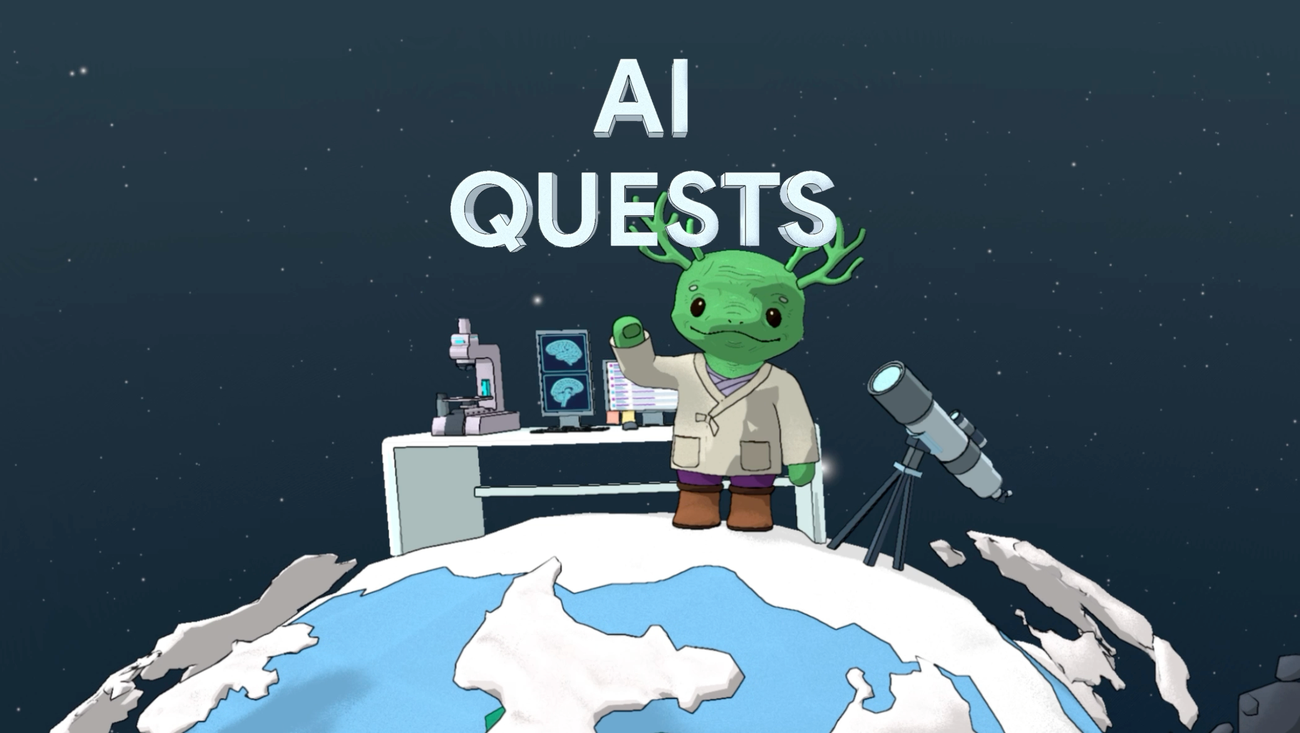
Google Research, in strategic collaboration with the Stanford Accelerator for Learning, has officially unveiled "Polar Peaks," the third installment in its acclaimed educational initiative, AI Quests. Designed specifically for students aged 11 to 14, the new quest transports learners into the complex world of neuroscience and advanced connectomics, using interactive gameplay to demystify how artificial intelligence accelerates scientific discovery. By stepping into the shoes of research scientists, students tackle simulated laboratory challenges such as scanning neural networks, cleaning datasets, and testing predictive models to understand both the power and the necessary limitations of machine learning.
The launch of "Polar Peaks" arrives as digital literacy and responsible technology integration become paramount concerns for global educators. Since the inception of the AI Quests series, more than 400,000 individual quests have been successfully completed by students worldwide, with localized versions available in 10 different languages. To support this expanding ecosystem, Google is simultaneously introducing specialized training modules for teachers within the Google AI Educator Series, equipping instructors with the pedagogical frameworks needed to seamlessly integrate these technical concepts into traditional classroom curricula.
The Evolution of AI Quests: From Floods to Neural Networks
The AI Quests program was established to bridge the gap between abstract technological concepts and real-world societal problem-solving. The first two installments in the series were grounded in existing Google Research initiatives. The inaugural quest focused on flood forecasting, drawing direct inspiration from predictive flood-warning systems deployed across vulnerable river basins worldwide. The second quest centered on eye disease detection, mirroring automated screening models developed to identify diabetic retinopathy and prevent vision loss in medically underserved regions.
With "Polar Peaks," the curriculum shifts from environmental and clinical applications to the fundamental architecture of the mind. Inspired by over a decade of pioneering research in connectomics—the comprehensive mapping of neural connections within a brain—the quest introduces students to the immense logistical hurdles of processing structural neuroimaging data. Guided by virtual in-game mentors, students investigate the underlying causes of a fictional character’s memory loss. Through this narrative framework, they learn the meticulous mechanics of data hygiene, model training, and quality assurance, internalizing the core tenet that artificial intelligence functions most effectively when paired with rigorous human oversight and critical thinking.
The educational narrative of "Polar Peaks" directly mirrors landmark achievements by Google researchers in computational neuroscience. Most notably, the quest draws inspiration from the recent mapping of the complete male fruit fly brain, a monumental scientific milestone that represents the largest comprehensive brain map by neuron count completed to date. Upon finishing the quest, students gain direct access to insights from the actual scientists behind these breakthroughs, offering a rare window into contemporary empirical research and the collaborative nature of modern science laboratories.
Empowering Educators Through Professional Development
Recognizing that cutting-edge software tools are only as effective as the educators who implement them, Google Research and the Stanford Accelerator for Learning have placed a heavy emphasis on teacher support. The newly introduced training modules, housed within the broader Google AI Educator Series, are engineered to help educators contextualize complex machine learning principles without requiring an advanced degree in computer science.
While training modules for the first two quests are already accessible online, the dedicated professional development module accompanying "Polar Peaks" is scheduled to launch next month. These resources provide lesson plans, discussion prompts, and technical guides designed to foster critical thinking about data privacy, algorithmic bias, and ethical technology deployment. Educational administrators have increasingly praised initiatives that blend core science, technology, engineering, and mathematics (STEM) fields with practical digital ethics.
The broader impact of the AI Quests curriculum has already garnered significant industry recognition. Earlier this year, the initiative received a 2026 Webby Award in the category of AI Education, Learning & Training, alongside the prestigious title of Best Global K–12 Learning Solution at the ETIH Innovation Awards. These accolades underscore a growing industry consensus that gamified, inquiry-based learning models offer a scalable solution to the digital skills gap currently facing younger generations.
Broader Implications and Future Outlook
The release of "Polar Peaks" reflects a broader strategic shift within technology companies and academic institutions toward early-intervention STEM education. As artificial intelligence systems become deeply embedded in healthcare, finance, infrastructure, and scientific research, policymakers have emphasized the urgent need for foundational AI literacy starting in middle school. By demystifying how algorithms process information—showing students that AI is not a magical oracle, but a tool built on human-curated data—programs like AI Quests aim to cultivate a more discerning and technically capable workforce.
Looking ahead, Google Research and its academic partners intend to expand the AI Quests portfolio, introducing additional modules throughout the current academic year. By continuing to adapt complex, real-world research breakthroughs into interactive educational frameworks, the initiative hopes to inspire the next generation of neuroscientists, software engineers, and ethically grounded technologists. As classrooms worldwide continue to grapple with the pedagogical challenges and opportunities presented by rapid technological change, structured programs that combine scientific rigor with interactive engagement offer a proven blueprint for sustainable, long-term learning.