Decoding Share of Voice: How Modern Brands Measure Visibility, Outpace Competitors, and Predict Market Growth


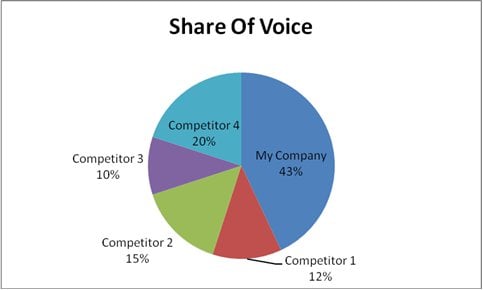
In the rapidly evolving landscape of digital marketing, capturing audience attention has become a high-stakes competitive sport. While traditional metrics like raw impression counts and follower totals offer a surface-level glimpse into marketing performance, industry leaders are increasingly turning to a more holistic benchmark: Share of Voice (SOV). Originally confined to the realm of paid broadcast and print advertising, SOV has transformed into a comprehensive indicator of overall digital presence. Today, it measures a brand’s slice of the conversation across social media channels, organic search engine results, news coverage, and paid ad impressions, serving as an indispensable compass for strategic business growth.
The Evolution and Strategic Value of Share of Voice

Historically, share of voice was calculated as a brand’s share of total advertising spend within a specific market category. However, the democratization of media through social platforms, blogs, and search engines has fundamentally shifted its definition. Modern SOV evaluates the total volume of public discourse and visibility a brand commands relative to its direct competitors.
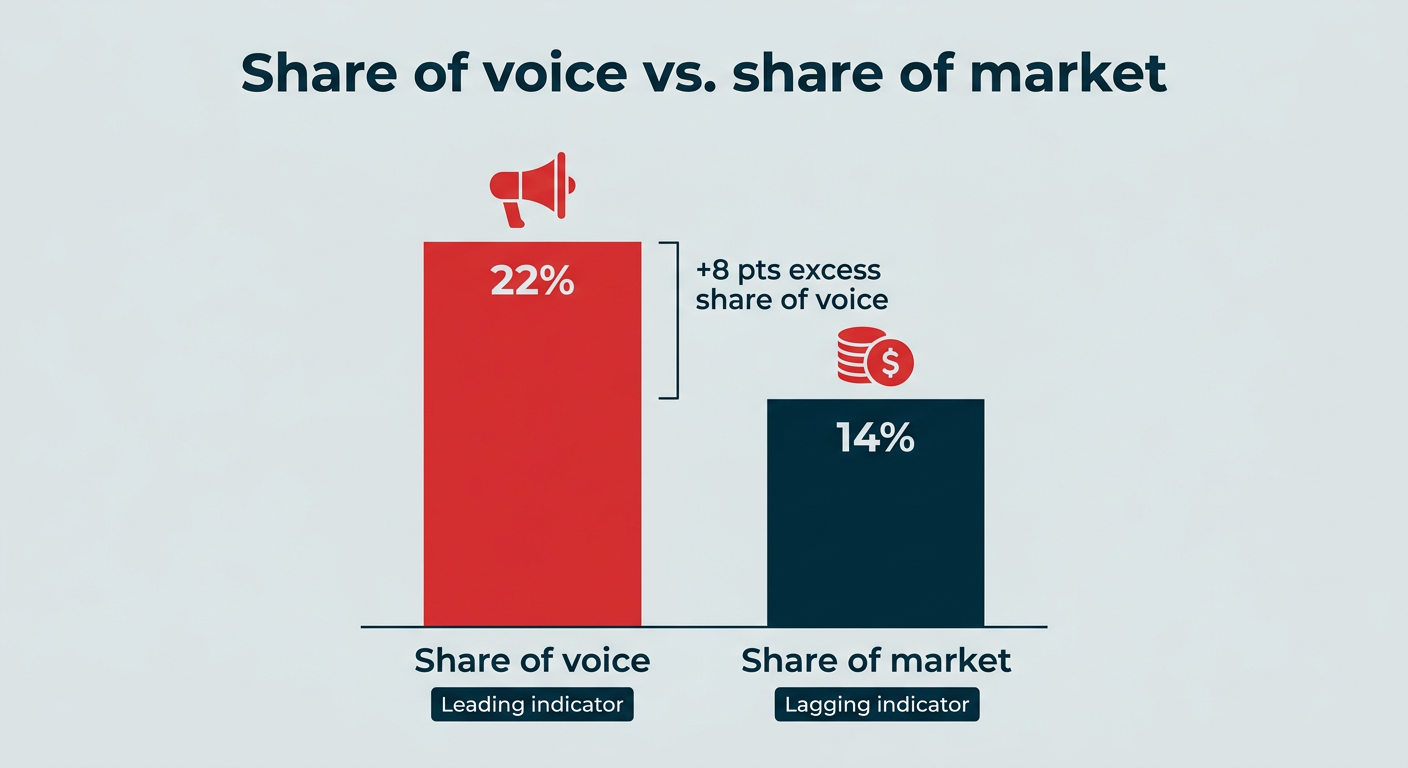
Beyond acting as a simple visibility score, SOV holds predictive power over a company’s financial trajectory. Groundbreaking marketing research popularized by Les Binet and Peter Field in their seminal IPA study, The Long and the Short of It, introduced the concept of "excess share of voice" (eSOV). The principle demonstrates that when a brand maintains an SOV higher than its current Share of Market (SOM), it typically gains market share over time. Conversely, brands that allow their visibility to fall below their market share frequently find themselves forced to buy back attention at significantly higher costs in the future. Consequently, executive leadership teams increasingly treat SOV as a leading indicator of business health rather than a mere vanity metric.
Differentiating Share of Voice from Share of Market

Understanding the interplay between Share of Voice and Share of Market is essential for assessing the true return on marketing investment. While SOV measures conversation volume and brand visibility across digital and earned channels, Share of Market measures the actual percentage of category sales or revenue a company captures.
The data sources for these two dimensions diverge significantly. SOV relies on leading indicators such as social mentions, earned media coverage, search visibility, and ad impressions, which can be tracked on a weekly or monthly basis. Share of Market, by contrast, relies on lagging financial indicators such as internal sales data, revenue reporting, and comprehensive industry market research, which are typically reviewed quarterly or annually. Analysts emphasize that tracking these two metrics in tandem provides a complete picture: SOV reveals whether marketing initiatives are effectively capturing consumer attention, while Share of Market confirms whether those efforts ultimately translated into tangible revenue.
Multi-Channel Measurement: Social, SEO, PPC, and Media
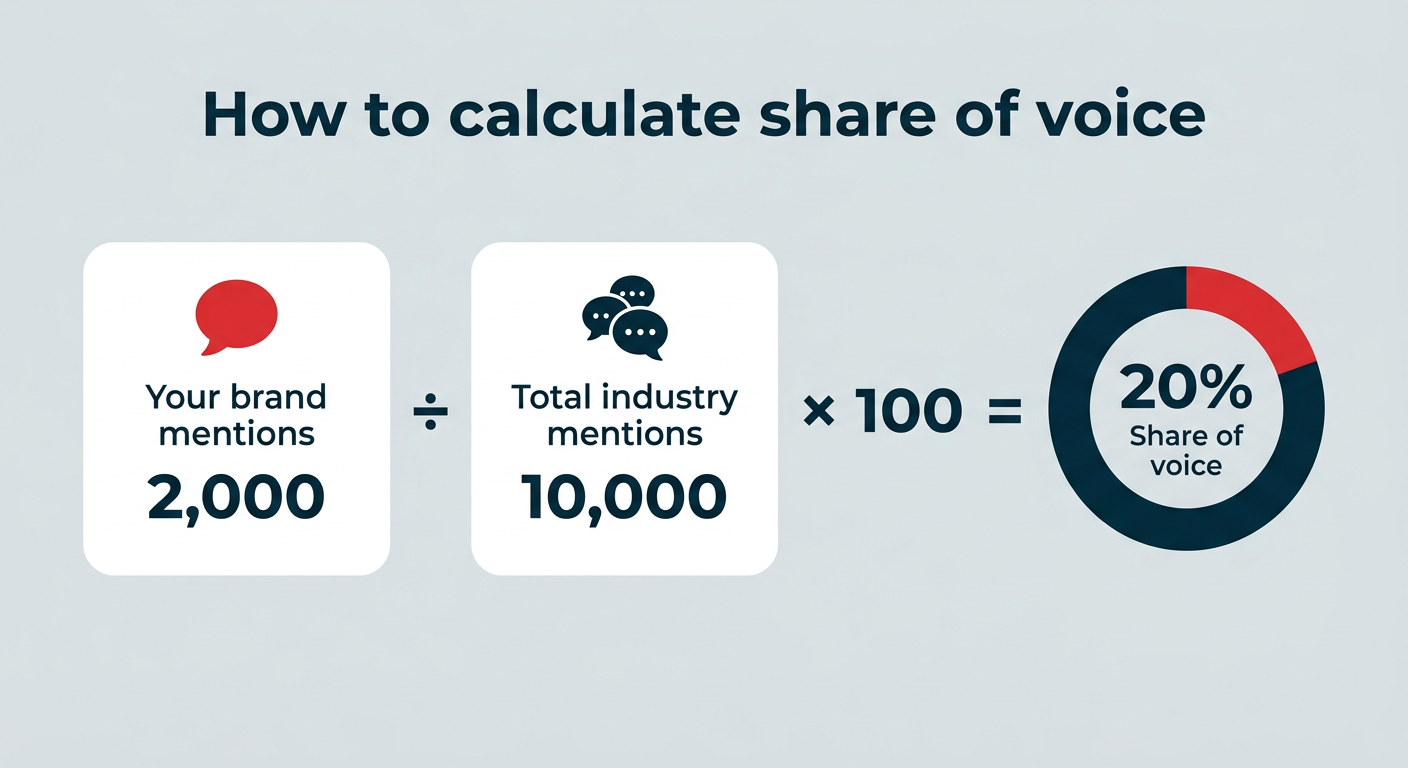
Calculating share of voice requires a multi-faceted approach, as no single platform or channel captures the entirety of consumer sentiment. The foundational formula remains consistent across all disciplines—dividing a brand’s specific output (mentions, rankings, or impressions) by the total industry output, then multiplying by 100 to yield a percentage. However, the practical application varies significantly across digital touchpoints:
Social Share of Voice
Social media SOV tracks what consumers say about a brand compared to its competitors. By leveraging social listening tools, brands monitor real-time conversations across platforms like X, Facebook, Instagram, TikTok, and YouTube. Industry experts stress that social SOV must be analyzed alongside sentiment analysis. Because negative sentiment can quickly inflate mention volume—as seen in recent industry benchmarks where negative mentions rose to over 20% in early 2026—volume alone can be misleading. Segmenting social data by demographics, geography, and topic allows organizations to pinpoint precise engagement gaps and tailor their messaging accordingly.
Search Engine Optimization (SEO) Share of Voice
In organic search, SOV measures a website’s visibility on search engine results pages (SERPs) relative to competitors. Rather than focusing solely on average keyword rankings, SEO SOV weighs ranking positions against search volume and click-through potential for a defined set of commercially relevant keywords. A high organic search SOV ensures that a brand captures high-intent traffic before consumers have finalized their purchasing decisions.
Pay-Per-Click (PPC) Share of Voice
Within paid search advertising, SOV closely mirrors what advertising platforms designate as "impression share." This metric calculates the percentage of times a brand’s ad appeared compared to the total number of times it was eligible to appear for specific keywords. Platform analytics typically break down missed opportunities into losses caused by insufficient budget versus those caused by low ad rank, giving advertisers precise operational levers to pull to maximize visibility.
Earned Media Share of Voice
Earned media SOV quantifies how frequently a brand is featured across news websites, trade publications, and prominent blogs. Analysts recommend weighting these mentions by publication reach and industry authority rather than treating every article equally, noting that targeted coverage in specialized trade press often yields higher business value than broad aggregators.
Six Proven Tactics to Grow Share of Voice
For organizations looking to expand their footprint and outpace industry rivals, marketing experts recommend six strategic initiatives:
-
Maintain an Active and Consistent Presence
Brands that publish reliably and time their content to match peak audience activity secure higher baseline visibility. Utilizing content calendars prevents repetitive posting and ensures readiness for seasonal or cultural tentpole moments. -
Spark Engaging Conversations
Proactively addressing industry topics, launching provocative yet thoughtful campaigns—such as high-profile brand partnerships or advocacy initiatives—and inviting community participation through polls and open calls reliably drive spikes in brand mentions.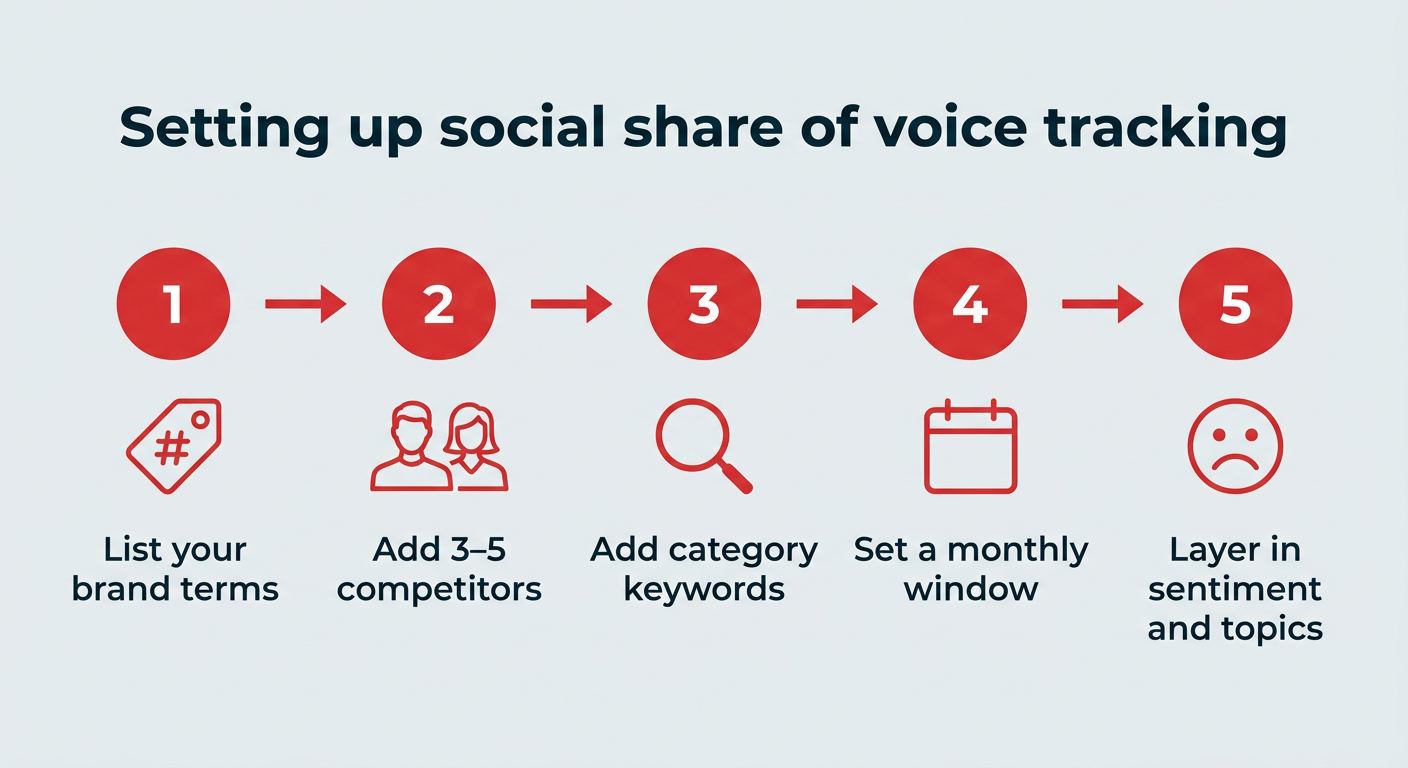
-
Create Highly Shareable Content
Originality, distinct brand voice, and visually recognizable formats encourage consumers to distribute content organically, transforming single posts into widespread digital discussions. -
Prioritize Responsive Customer Service
Engaging directly with customer queries with empathy and speed builds profound brand loyalty. Research indicates that personalized, human-led customer service interactions significantly increase a consumer’s willingness to engage and invest in a brand over time. -
Allocate Budgets Strategically
By identifying visibility deficits through continuous SOV tracking, marketing leaders can redirect financial resources toward underperforming channels or invest in targeted paid support where competitors currently dominate.
-
Invest in Employee Advocacy
Employee advocacy programs leverage the personal networks of internal team members, which typically command significantly greater reach and trust than corporate social media pages. Providing employees with curated, compliant content to share organically amplifies overall brand visibility.
Implications for Modern Marketing Leadership
As digital ecosystems become increasingly saturated, the ability to accurately measure and strategically grow share of voice separates market leaders from laggards. By combining advanced social listening platforms, rank trackers, and native advertising analytics into a unified reporting framework, enterprises can move beyond guesswork. Ultimately, monitoring share of voice provides organizations with the foresight needed to anticipate market shifts, justify marketing budgets to executive stakeholders, and convert sustained public conversation into long-term commercial success.