Honor 700 Series Teased With Innovative Rear Display and Advanced Health Tracking Features Ahead of China Launch

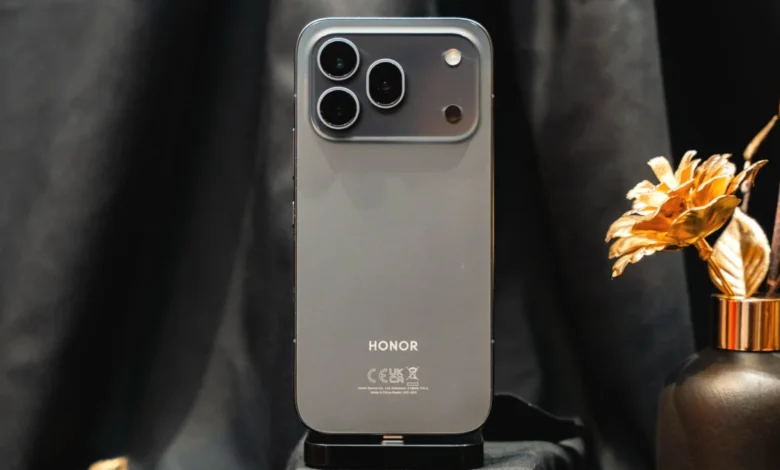
Honor is once again capturing the attention of the global smartphone community with the impending launch of its latest mid-range device lineup, the Honor 700 series. Following closely on the heels of the Honor 600 series, which made its debut earlier this spring in April, the upcoming release promises a blend of familiar design choices and unexpectedly sophisticated hardware upgrades. Industry insiders and leaks originating from prominent tipsters on Weibo have begun painting a clearer picture of what consumers can expect when the official unveiling takes place on November 13 in China. Among the most intriguing details emerging from these early teasers is the integration of a secondary rear display equipped with health-monitoring capabilities typically reserved for dedicated smartwatches and fitness bands.
The smartphone market has seen a resurgence in secondary rear displays, with brands like Xiaomi incorporating them into flagship lines such as the 17 Pro and 18 Pro series. Honor is now adopting this design philosophy for its mid-range offerings, albeit on a slightly more compact scale. According to details shared by renowned industry tipster Digital Chat Station and further analyzed by tech publications like Huawei Central, the standard Honor 700 is expected to feature a sleek 6.5-inch primary display framed by exceptionally narrow bezels. However, it is the secondary screen on the back of the device that is generating the most discussion among tech analysts and consumers alike.
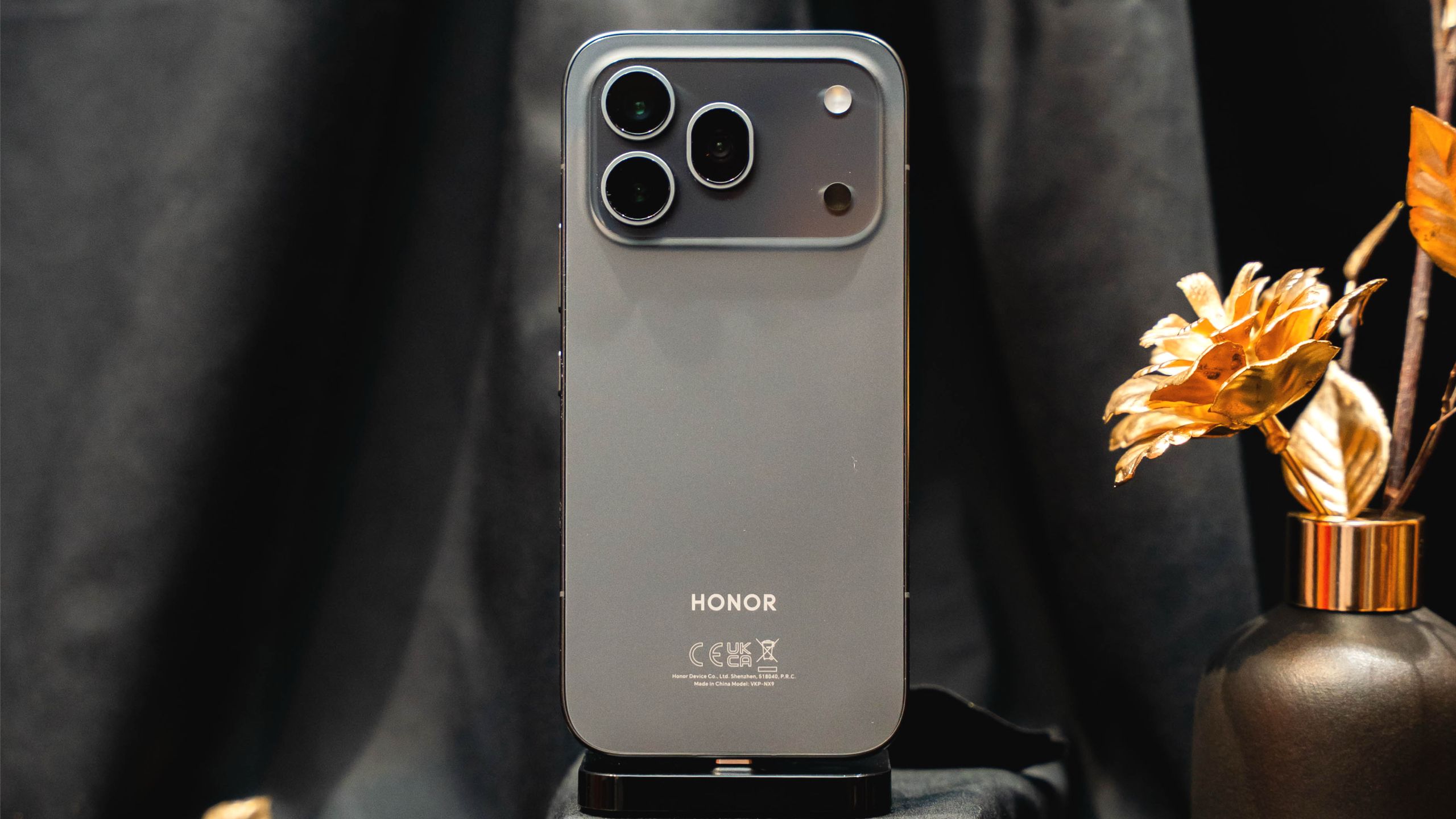
Official teasers released by Honor indicate that this rear mini-screen will serve multiple functions beyond mere aesthetics. Alongside supporting mini-games and dynamic notifications, promotional materials show the display actively tracking vital health metrics, specifically real-time heart rate measured in beats per minute (BPM) and blood oxygen saturation levels. While Honor has not yet officially detailed the exact technological mechanism powering this feature, industry experts theorize that an integrated optical sensor positioned beneath or adjacent to the rear screen captures these biometrics directly from the user’s finger or hand, mimicking the functionality of optical heart-rate sensors found in modern wearable technology.
The rapid iteration cycle between the Honor 600 series and the upcoming 700 series highlights the aggressive competitive strategy employed by smartphone manufacturers in the highly dynamic Chinese domestic market. The Honor 600 lineup, launched in April, focused primarily on bringing flagship-tier cameras and upgraded artificial intelligence capabilities to a more accessible price tier. The previous generation featured a 200-megapixel primary camera accompanied by a 12-megapixel ultrawide lens, with the higher-end Pro variant adding a 50-megapixel telephoto lens to its optical array. Under the hood, the Honor 600 Pro utilized Qualcomm’s powerful Snapdragon 8 Elite system-on-chip, whereas the standard model utilized the mid-range Snapdragon 7 Gen 4 processor.
Industry reports indicate that the upcoming Honor 700 family will encompass three distinct models at launch: the standard Honor 700, the Honor 700 Pro, and a third variant designated as the Honor 700S. Because Honor has maintained a measured silence regarding the official comprehensive specifications sheet, precise hardware configurations across these three models remain subject to verification. Analysts suggest that the tiered approach will likely mirror previous generations, differentiating the devices through processor performance, telephoto capabilities, and battery charging speeds, while maintaining the standout 200-megapixel primary sensor as a unifying hardware pillar across the lineup.
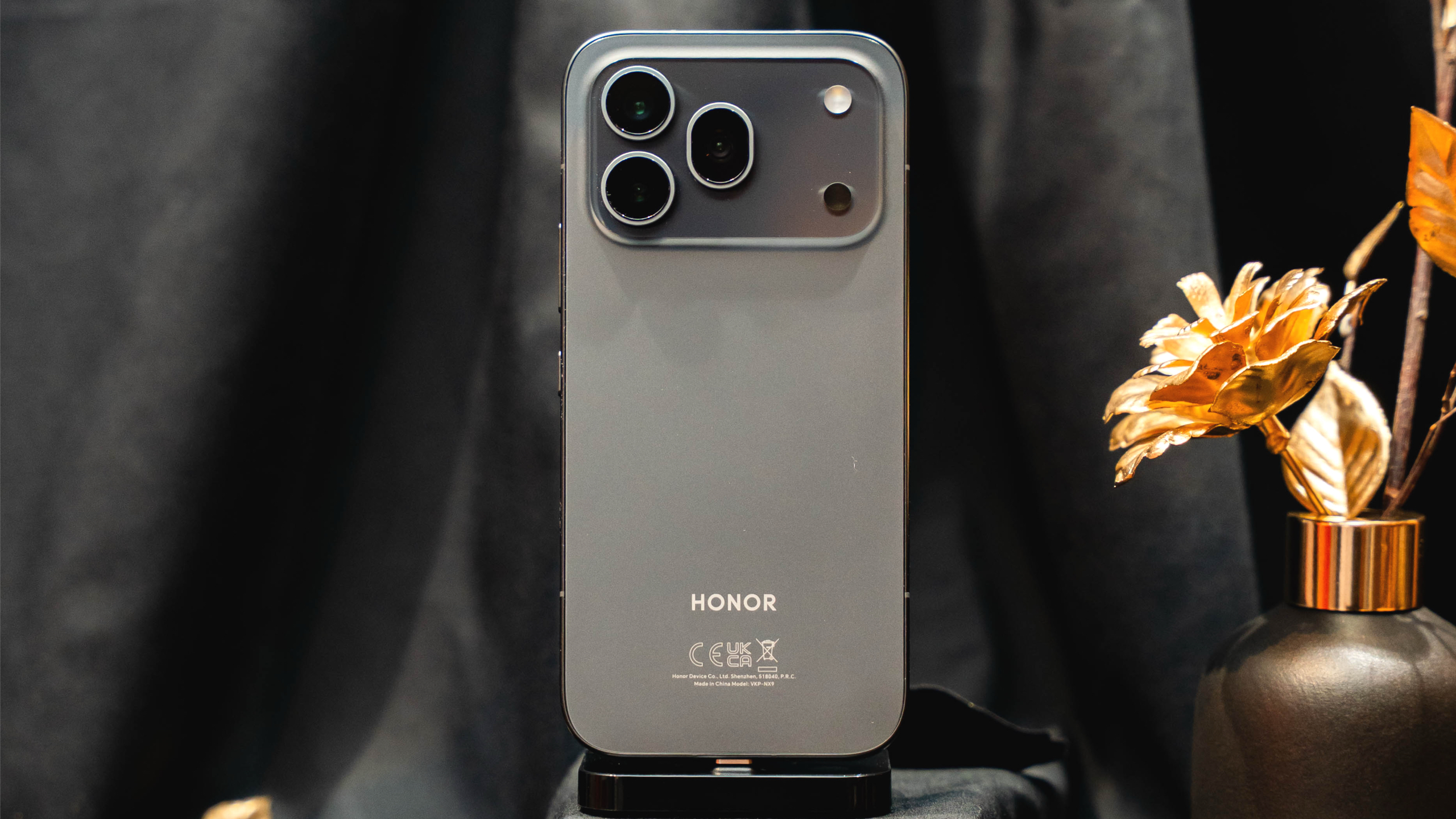
The decision to refresh the mid-range portfolio within such a short timeframe underscores broader industry trends where manufacturers must constantly innovate to capture consumer interest in a saturated market. The integration of advanced health sensors into a secondary rear screen represents a strategic effort to bridge the gap between smartphones and the burgeoning wearable health tech sector. By allowing users to check vital statistics without unlocking their primary display, Honor is positioning the 700 series as both a powerful communication tool and a convenient daily wellness companion.
As the official launch date of November 13 approaches, prospective buyers and industry watchers are closely monitoring pricing strategies and regional availability details. While the Honor 600 series established a competitive baseline for mid-range pricing, current macroeconomic challenges—including ongoing supply chain fluctuations and component cost adjustments regarding memory and semiconductor components—introduce variables that could impact the final retail cost of the 700 series. Industry analysts note that maintaining aggressive pricing will be critical for Honor as it competes not only with domestic rivals such as Xiaomi, Oppo, and Vivo, but also seeks to solidify its market share internationally.
The inclusion of health-monitoring hardware on a secondary rear display could set a new precedent for mid-range smartphone design if successfully executed. Should the technology prove reliable and accurate compared to dedicated medical and fitness wearables, it may accelerate a broader trend of biometric integration within mainstream mobile handsets. For now, the global tech community awaits the official presentation in China, where Honor is expected to provide comprehensive demonstrations of the 700 series’ capabilities, confirming the specifications, software ecosystem, and global rollout timeline for its latest generation of smartphones.
Related posts: