Apple Announces New AirPods 5 as Retailers Launch Aggressive Promotions on Existing Lineup

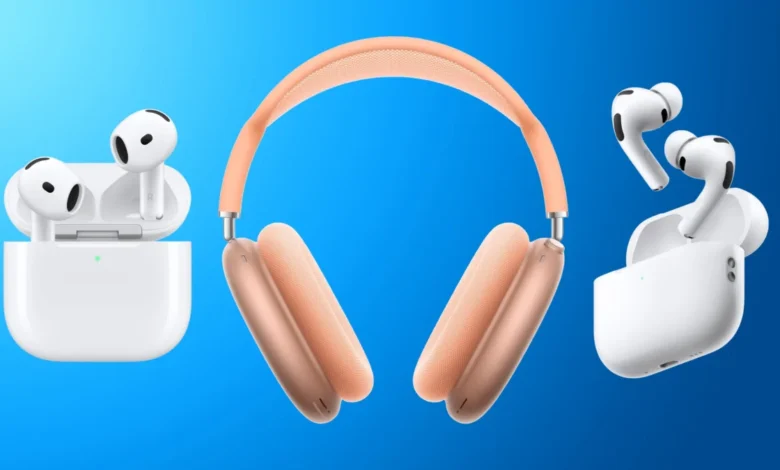
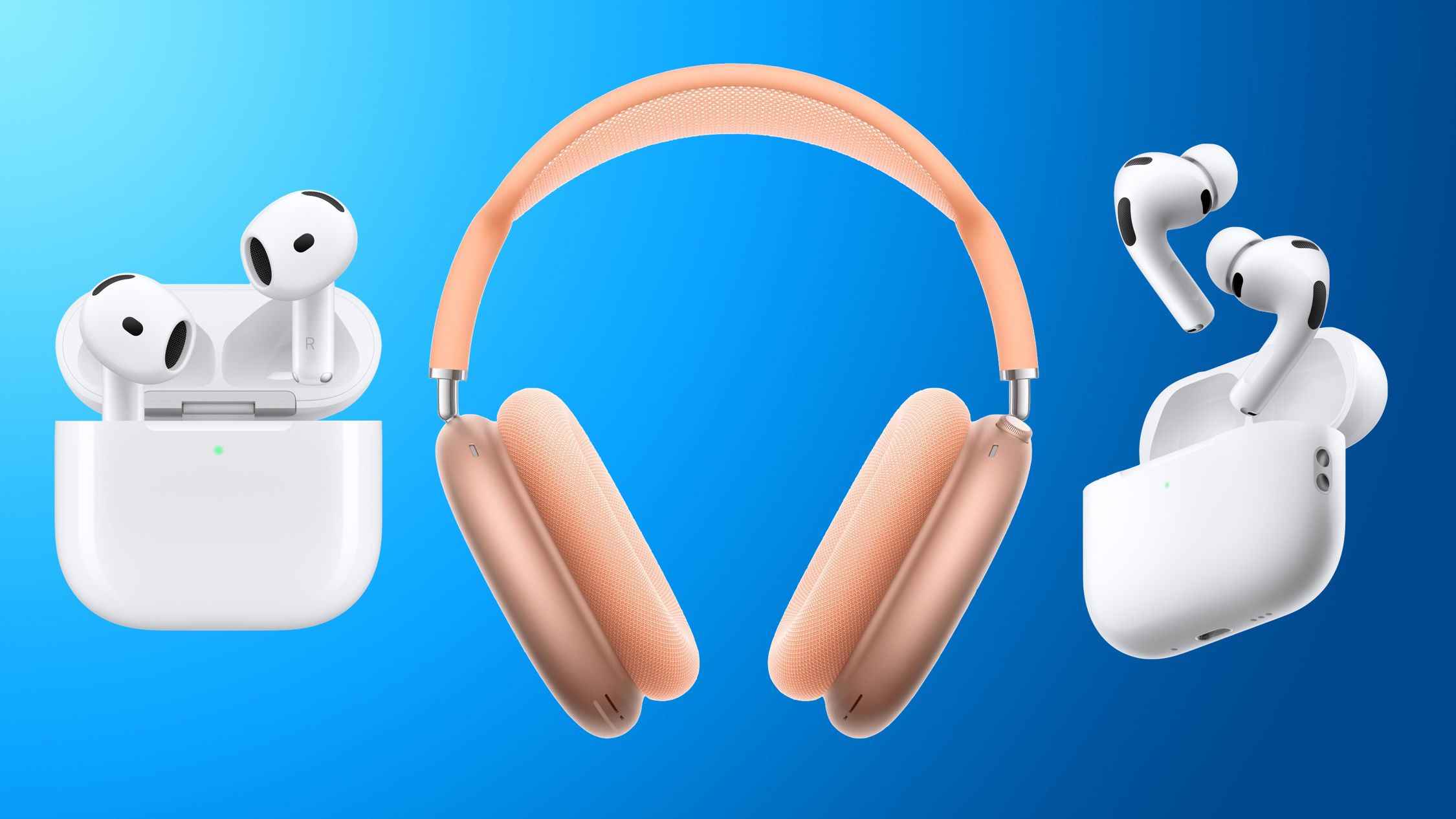
Apple has officially unveiled the fifth generation of its popular AirPods lineup, marking a significant evolution in the company’s wearable audio strategy. As the tech giant opens pre-orders for the new hardware, major retail partners, led by Amazon, have simultaneously initiated a series of aggressive discounts on legacy models, including the AirPods Max 2, AirPods Pro 3, and the fourth-generation AirPods. This pricing strategy reflects a broader market trend where the debut of flagship hardware often triggers a corrective pricing cycle across an entire product ecosystem, offering consumers a strategic window to acquire high-performance audio equipment at reduced price points.
The AirPods 5 are now available for pre-order, with the base model listed at $129.00 and the version featuring the wireless charging case priced at $149.00. While these new units are not currently subject to pre-order discounts, their market entry on September 18 serves as a catalyst for the current retail activity. Industry analysts suggest that by keeping the entry-level price aggressive, Apple is aiming to secure its market share against an increasingly crowded field of high-fidelity wireless earbuds, including offerings from competitors like Sony, Bose, and Google.
Chronology of the Audio Refresh
The timeline of Apple’s audio hardware releases has accelerated over the past 24 months, shifting from a three-year refresh cycle to a more rapid, iterative process. The journey to the current lineup began in earnest with the September 2025 launch of the AirPods Pro 3. These earbuds introduced industry-leading features, such as 2x improved Active Noise Cancellation (ANC), enhanced acoustic architecture, and, notably, health-focused sensors capable of tracking heart rate during exercise.
Following the success of the Pro 3, the launch of the AirPods 4 filled the gap for consumers seeking reliable, high-quality audio without the premium cost of ANC technology. Now, with the September 2026 introduction of the AirPods 5, Apple is rounding out its portfolio. The staggered release schedule allows Apple to maintain consistent retail presence throughout the fiscal year, ensuring that as one product category enters the "value" phase of its lifecycle, the latest flagship technology is simultaneously available to early adopters.
Strategic Price Reductions and Market Positioning
The current promotional landscape on Amazon underscores the lifecycle management of these devices. The AirPods Max 2, which launched to much fanfare, have seen a significant price correction, dropping to $449.00 from their standard $549.00 MSRP. This $100 discount is particularly notable as it marks the most substantial reduction in price since June, suggesting that inventory levels are being optimized ahead of the holiday shopping season.
Similarly, the AirPods Pro 3 are currently retailing for $199.00—a $50 reduction from their standard price. While this remains slightly higher than the record-low pricing observed during the Prime Day events in June, it represents a strong value proposition for a device that remains technically superior to most market alternatives in terms of integration with the Apple ecosystem. The AirPods 4, meanwhile, have seen a price drop to $99.00, placing them in direct competition with budget-tier audio devices while retaining the quality assurance of the Apple brand.
Technical Context and Consumer Value
To understand the implications of these price shifts, one must examine the technical advancements defining each tier. The AirPods Pro 3, for instance, were a watershed moment for the product line. By incorporating Live Translation capabilities, Apple shifted the device’s utility from mere media consumption to an active communication tool. The integration of heart rate sensing was another pivotal shift, moving the AirPods into the category of "wearable health tech," a sector previously dominated by the Apple Watch.
The AirPods 5, while continuing the minimalist design language of its predecessors, are expected to feature updated H-series silicon that optimizes battery efficiency and reduces latency. For the average consumer, the choice now rests between the latest, most efficient hardware and the high-performance, proven capabilities of the older Pro and Max models. The data indicates that users are increasingly willing to sacrifice the "latest" status for the "best value," which explains the surge in search and purchase intent for discounted Pro and Max models.
Official Stance and Retail Partnerships
While Apple remains traditionally reserved regarding specific sales targets or promotional strategies, the company’s affiliate programs, such as those hosted on platforms like MacRumors, provide a window into how the manufacturer drives demand. By partnering with major e-commerce giants like Amazon, Apple ensures that its products reach a broad demographic, from power users who demand the latest iteration to value-conscious consumers who monitor price drops on previous generations.
Retailers benefit from these relationships by driving high-intent traffic to their platforms, while consumers benefit from the competitive pricing environment that these partnerships foster. The consistency of these discounts suggests that retailers are operating with a clear mandate to move volume, likely in anticipation of further inventory refreshes that typically follow in the final quarter of the year.
Broader Impact and Industry Implications
The implications of this pricing structure are twofold. First, it highlights Apple’s dominance in the wearable audio space. By effectively controlling the price points across a $99 to $549 spectrum, the company ensures there is an entry point for virtually every consumer segment. Second, it exerts immense pressure on third-party manufacturers. When a high-quality product like the AirPods 4 is available for $99, competitors offering similar features at a similar price point face a significant hurdle in brand loyalty and ecosystem integration.
Furthermore, the secondary market and trade-in values are heavily influenced by these official retail discounts. When new models launch and older models receive permanent price cuts, the depreciation curve for used devices steepens. This is a critical factor for the secondary electronics market, which has seen a surge in activity as more users opt to trade in their current devices to subsidize the purchase of the newest generation.
Looking Ahead
As the market moves toward the late 2026 season, analysts expect this trend of aggressive discounting to continue. The availability of same-day or next-day delivery options through Amazon Prime for these discounted units is expected to accelerate the "churn" of audio hardware.
For prospective buyers, the current market situation presents a rare scenario where the entire product stack is simultaneously available at various price tiers. Whether a consumer requires the advanced health tracking of the Pro 3, the expansive acoustic profile of the Max 2, or the streamlined accessibility of the new AirPods 5, the current retail environment provides a high degree of flexibility.
Those interested in tracking these fluctuations further are encouraged to monitor dedicated deal aggregators. As retailers update their inventory logs and respond to early pre-order data, it is likely that additional, minor price adjustments will occur leading up to the holiday peak. By leveraging these existing discounts, consumers can effectively bypass the "early adopter tax" that often accompanies new tech launches, provided they prioritize price-to-performance ratios over having the absolute newest model on the market.
In conclusion, the launch of the AirPods 5 is merely the anchor for a wider, more complex market movement. By simultaneously refreshing the high-end, mid-range, and entry-level tiers through strategic pricing, Apple and its retail partners have created a comprehensive ecosystem of audio options that caters to a diverse user base. The success of these promotions will likely serve as a benchmark for Apple’s hardware performance for the remainder of the 2026 fiscal year, signaling a continued commitment to dominating the personal audio landscape through both innovation and aggressive market accessibility.