Google Home update rolls out with Live View camera fixes and enhanced Gemini smart home integrations

Google has initiated a widespread rollout of its latest software update for the Google Home ecosystem, addressing long-standing technical grievances while expanding the functional capabilities of its generative AI assistant, Gemini. This update, which spans firmware patches for legacy hardware and feature enhancements for current smart displays, signals a concerted effort by the technology giant to stabilize its home automation infrastructure while aggressively pushing its AI-first strategy into the domestic space.
Technical Resolutions for Nest Hardware
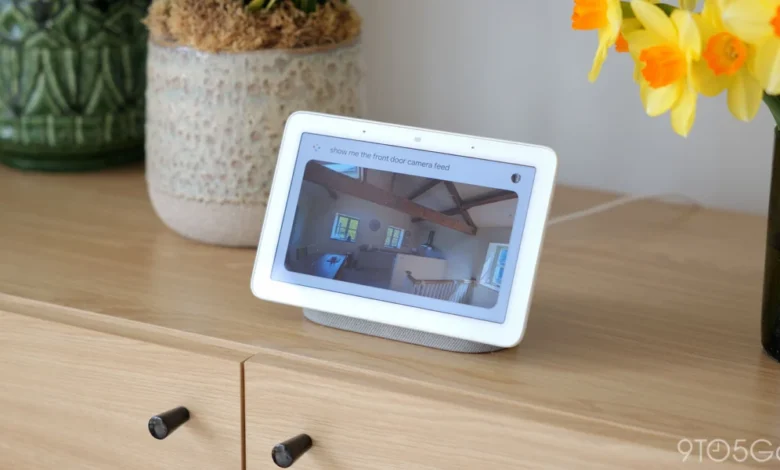
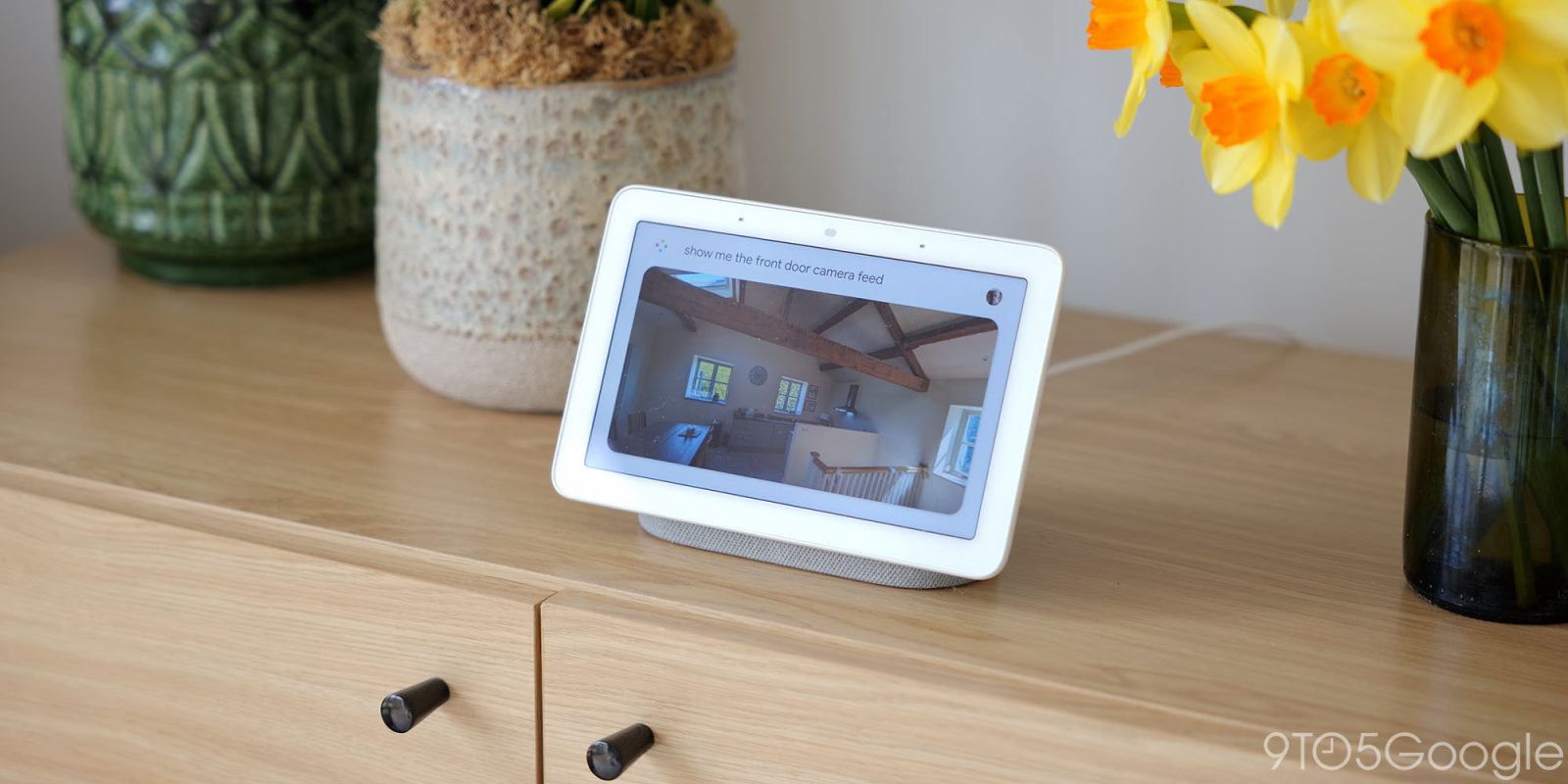
A significant portion of this update is dedicated to resolving persistent software instabilities that have plagued Nest camera users for months. Most notably, Google has deployed a fix for the “Live View” functionality on legacy Nest Cam devices. This feature, which allows users to stream real-time footage from their security cameras to their smartphones or smart displays, had become increasingly unreliable, particularly for older hardware like the Nest Hello doorbell.
The instability surrounding the Nest Hello had become a focal point of user frustration on community forums and technical support boards. By addressing these connectivity gaps, Google is attempting to extend the lifecycle of its older hardware, which is critical for maintaining consumer trust in the Nest brand. Furthermore, the update introduces a long-requested management feature: users can now remove unmigrated or offline Nest Hello devices from the Google Home application. Previously, these "zombie" devices remained in the interface, cluttering the user experience and preventing a clean organizational layout of the smart home dashboard.
Gemini Integration and Conversational AI
The integration of Gemini into the Google Home ecosystem continues to evolve, with the current update focusing on the "early access" phase of the platform. For users enrolled in the preview program, the update brings a more nuanced conversational interface. Google aims to reduce the latency associated with voice-activated smart home commands, promising faster execution of routine tasks such as setting timers or triggering "Broadcasts" to other speakers in the home.
The most visible change for Nest Hub owners is the introduction of contextually relevant visual responses. Previously, asking a complex question via the Google Assistant on a smart display would often result in a generic verbal response or a link to a search result. With the new update, the Nest Hub will display targeted imagery alongside verbal feedback, allowing users to consume information at a glance. For instance, if a user asks about the status of a specific home appliance or requests information that benefits from a visual aid, the device will now populate the screen with relevant graphics. This shift highlights Google’s intent to move away from purely auditory AI interactions toward a multimodal experience that leverages the hardware’s screen capabilities.
Expanding the Smart Home Control Horizon
Beyond consumer-facing features, Google is expanding the breadth of control available to AI agents through the Model Context Protocol (MCP). This allows Gemini to act as a more sophisticated intermediary between the user and a diverse range of third-party hardware.
The updated integration now supports granular control and status reporting for a significantly wider array of devices, including:
- Climate Control: Advanced settings for thermostats and air purifiers.
- Environmental Safety: Real-time monitoring of smoke and carbon monoxide alarms.
- Appliance Management: Connectivity for modern kitchen appliances and robotic vacuum cleaners.
- Infrastructure: Expanded support for EV chargers and sophisticated lighting effects.
By standardizing these connections, Google is positioning its Home platform as a central nervous system for the modern smart home, moving beyond simple on/off switches toward complex automation sequences that require more data input than previous iterations could handle.
The Evolution of Google Home Management
The Google Home application itself is undergoing a structural refinement. A new “Google Home Premium” page is being added to the settings menu, a development that suggests Google is preparing to gate certain high-end features or advanced analytics behind a subscription model. While official details regarding the pricing and feature set of a potential premium tier remain sparse, the presence of the menu indicates a strategic pivot toward monetizing the smart home management software, similar to the existing Nest Aware subscription for camera recording.
For households with multiple climate-control points, the update introduces an “Eco Mode Everywhere” toggle. This feature allows users to synchronize energy-saving settings across all connected Nest Thermostats simultaneously. This centralized approach is designed to simplify energy management, particularly for users with large residential footprints who previously had to adjust thermostats on an individual basis. Additionally, the integration of Google Wallet support for compatible smart locks means that users can now store and utilize digital home keys directly within the Wallet interface, streamlining the process of granting access to guests or family members.
Chronology of Recent Updates
The smart home sector has been in a state of rapid flux since the announcement of the Matter smart home standard, which Google helped pioneer. The following timeline outlines the progression of recent system-wide updates:

- Early 2024: Google began the initial phase of integrating Gemini-level logic into the Google Home app, focusing on script editors and automation.
- Mid-2024: Reports surfaced regarding widespread outages of the "Live View" feature for Nest Hello doorbells, leading to a significant volume of support tickets.
- Q3 2024: The company announced a consolidation of the Nest and Google Home apps, aiming to unify the user experience under a single umbrella.
- November 2024: The current update, marking the largest firmware stability release of the year, addresses the "Live View" backlog and introduces the "Eco Mode" feature.
Broader Implications for the Smart Home Market
The current update reflects a broader industry trend toward "AI-assisted living." As smart homes become more complex—incorporating everything from EV chargers to advanced security monitoring—the primary challenge for companies like Google is to prevent "feature bloat" from degrading the user experience. By offloading complex logic to Gemini and providing visual, at-a-glance information on displays, Google is betting that the winning smart home platform will be the one that minimizes user friction.
Industry analysts suggest that this update also serves to protect Google’s market share against growing competition from Apple’s HomeKit and the increasingly robust Amazon Alexa ecosystem. By providing deep integration with appliances and offering a clear, stable path for legacy hardware, Google is attempting to retain users who might otherwise migrate to competitors due to technical frustration.
Future Outlook
As Google continues to roll out these updates, users should expect a transition period where the "Early Access" label for Gemini features is gradually removed. The stability of the "Live View" fix will likely be monitored closely, as the reliability of video surveillance remains a primary driver for consumer investment in the smart home space.
Furthermore, the introduction of the "Premium" settings page suggests that the next fiscal year will see a more aggressive push to monetize the smart home ecosystem. While users currently enjoy these features as part of the standard hardware purchase, the industry is clearly moving toward a software-as-a-service (SaaS) model for home management.
For the time being, the current update provides a necessary "reset" for long-suffering users of Nest hardware while laying the groundwork for more sophisticated, AI-driven automation. As the software reaches more devices in the coming weeks, the industry will be watching to see if these improvements effectively reduce the high volume of support requests that have characterized the platform throughout the past year.
Related posts: