The State of Global Influencer Marketing: Industry Growth, Strategic Shifts, and ROI Realities in 2026

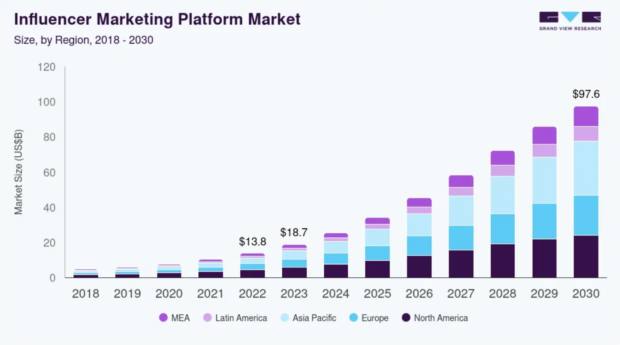
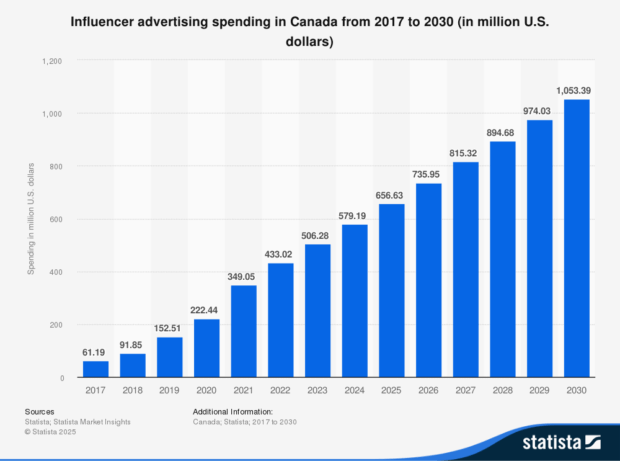
The digital advertising landscape has undergone a profound structural shift over the past decade, transforming from an experimental ecosystem of independent bloggers reviewing free product samples into a powerhouse multi-billion-dollar media channel. As consumer trust in traditional institutional advertising continues to erode, brands across all sectors are reallocating massive portions of their media spend toward digital content creators. According to comprehensive market data, the global influencer marketing platform market was valued at $25.44 billion in 2018, expanded rapidly to $34.25 billion by 2025, and is on an aggressive trajectory to reach $97.55 billion by 2030. This exponential growth highlights how modern consumer brands view creator partnerships not merely as supplementary tactics, but as core drivers of customer acquisition, brand loyalty, and community engagement.

The rapid economic expansion of the sector is mirrored regionally. In the United States alone, influencer marketing spending has surpassed $12.17 billion, establishing itself as a mandatory inclusion in virtually every major corporate media plan. Meanwhile, the United Kingdom anticipates annual influencer advertising expenditures to hit approximately $1.44 billion, reflecting a parallel European surge in creator-led commerce. Market analysts attribute this sustained upward trajectory to a fundamental evolution in human psychology and media consumption habits: modern audiences increasingly prefer organic, trust-based recommendations from individual personalities over polished, top-down corporate messaging.
Understanding the Mechanics of Modern Creator Partnerships
At its core, influencer marketing functions as digital word-of-mouth promotion. While traditional celebrity endorsements set the early baseline for creator collaborations, contemporary digital culture has proven that social content creators commanding dedicated, niche audiences often wield significantly more persuasive power than silver-screen stars. These creators build long-term, intimate relationships with their followers, creating a "friend factor" where product recommendations feel less like intrusive advertisements and more like sincere advice from a trusted peer. Recent industry studies indicate that roughly 60% of consumers place more trust in what a digital creator says about a brand than in what the brand communicates about itself.

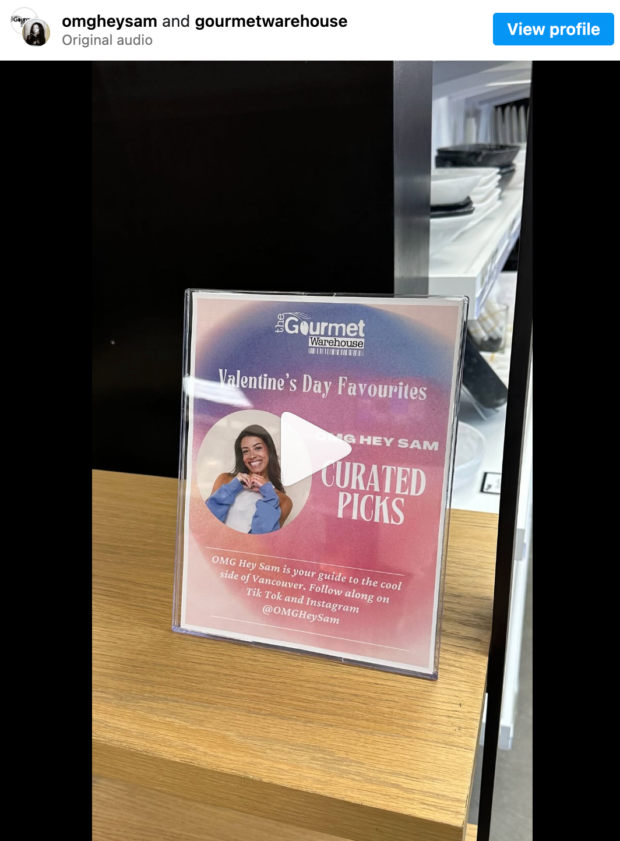
However, industry experts emphasize that this trust is fragile and requires careful operational alignment. Former Hootsuite Social Media and Influencer Marketing Strategist Eileen Kwok notes that the operational playbook for creator partnerships has matured dramatically. When the industry first emerged, strategies relied heavily on one-off sponsored posts. Today, sophisticated marketing teams orchestrate integrated campaigns featuring public relations mailer boxes, exclusive brand trips, and immersive in-real-life (IRL) activations. Heading further into 2026, brands are increasingly building cohesive ecosystems of influence across multiple digital platforms, establishing ongoing touchpoints with thought leaders rather than relying on isolated promotional bursts.

Categorizing the Creator Economy by Tier and Function
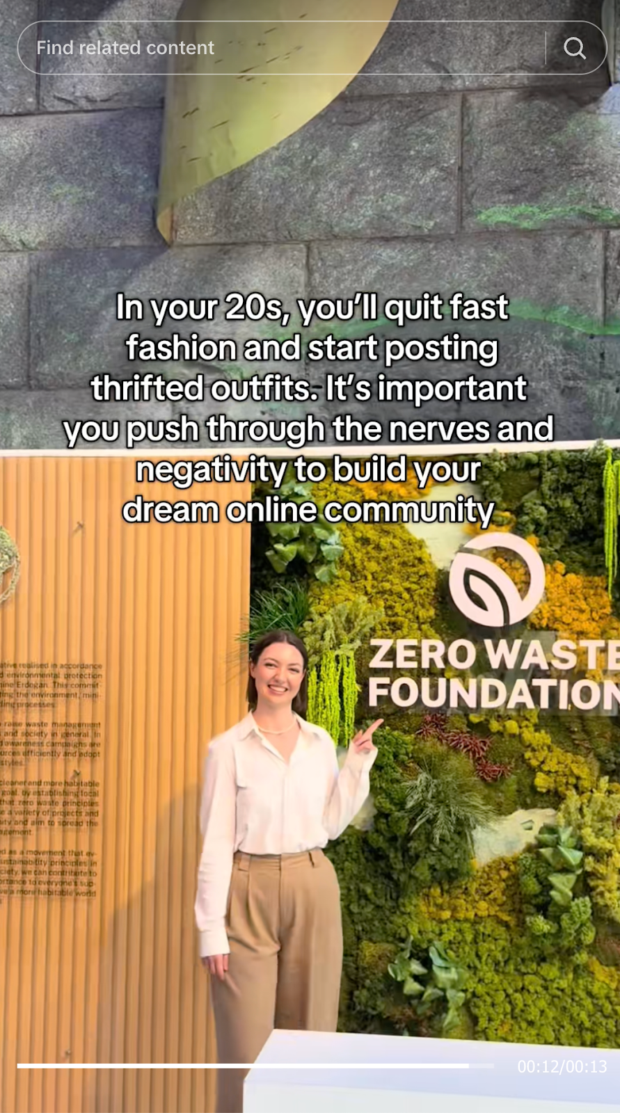
To navigate this vast ecosystem effectively, marketing professionals categorize creators into distinct tiers based on follower count, pricing models, and campaign objectives. Understanding these tiers allows brands to optimize their financial resources and match campaign goals with the appropriate level of reach and engagement.

Nano-influencers, commanding follower counts between 1,000 and 10,000, typically charge between $20 and $200 per post. Despite their modest reach, they frequently generate the highest engagement rates in the industry—often exceeding 6% on platforms like Instagram—making them ideal for local businesses, niche product testing, and hyper-targeted community building.

Micro-influencers, ranging from 10,000 to 100,000 followers with average post costs between $200 and $2,000, represent the sweet spot for growing brands seeking robust niche authority alongside scalable reach.

Macro-influencers hold between 100,000 and 1 million followers, commanding fees from $5,000 to $15,000 per post. Operating closer to digital celebrity status, they offer professional content quality and the mass visibility required for national product launches.
Finally, mega-influencers boast audiences exceeding 1 million followers, with individual posts commanding upwards of $15,000 to $50,000+. While they possess the power to make consumer products sell out instantly on a global scale, their high price tags require rigorous justification through robust conversion metrics.
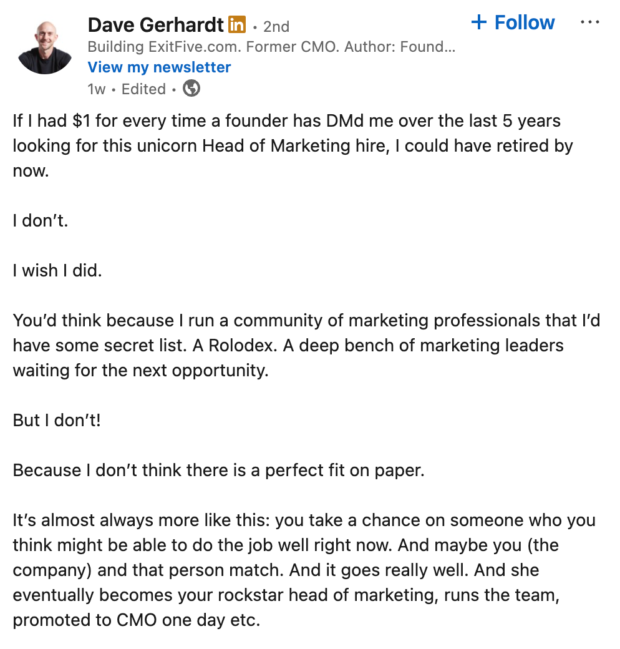
Beyond traditional follower tiers, several specialized categories have emerged to reshape corporate budgets. Employee advocacy programs—exemplified by enterprise technology leaders like Microsoft and IBM—leverage internal staff members to humanize corporate messaging, building higher trust at minimal incremental cost. Simultaneously, business-to-business (B2B) influencer marketing has exploded, with approximately 85% of B2B marketers actively partnering with industry experts and thought leaders on networks like LinkedIn. Furthermore, the advent of virtual and AI-generated influencers introduces new dimensions to the creator economy, forcing brands to weigh the benefits of absolute message control against the growing consumer demand for radical authenticity and transparent disclosure.

Platform Dynamics and Strategic Channel Selection
Selecting the correct distribution channel is critical to campaign success, as each major social network serves a distinct psychological and commercial function for consumers. Instagram remains the foundational home for lifestyle sectors such as beauty, fashion, fitness, and travel, utilizing Reels for algorithmic discovery and Stories for time-sensitive conversions. TikTok acts as the fastest-moving platform for viral product discovery, where content quality routinely outweighs follower counts, allowing smaller creators to generate millions of impressions. YouTube maintains dominance in long-form, evergreen content, with comprehensive product reviews and tutorials continuing to capture search engine traffic months or even years after publication. Meanwhile, LinkedIn serves as the preeminent ecosystem for professional services and B2B thought leadership, favoring substantive text posts, carousels, and industry newsletters over polished video assets.

Structuring a Successful Campaign: Strategy, Compliance, and ROI

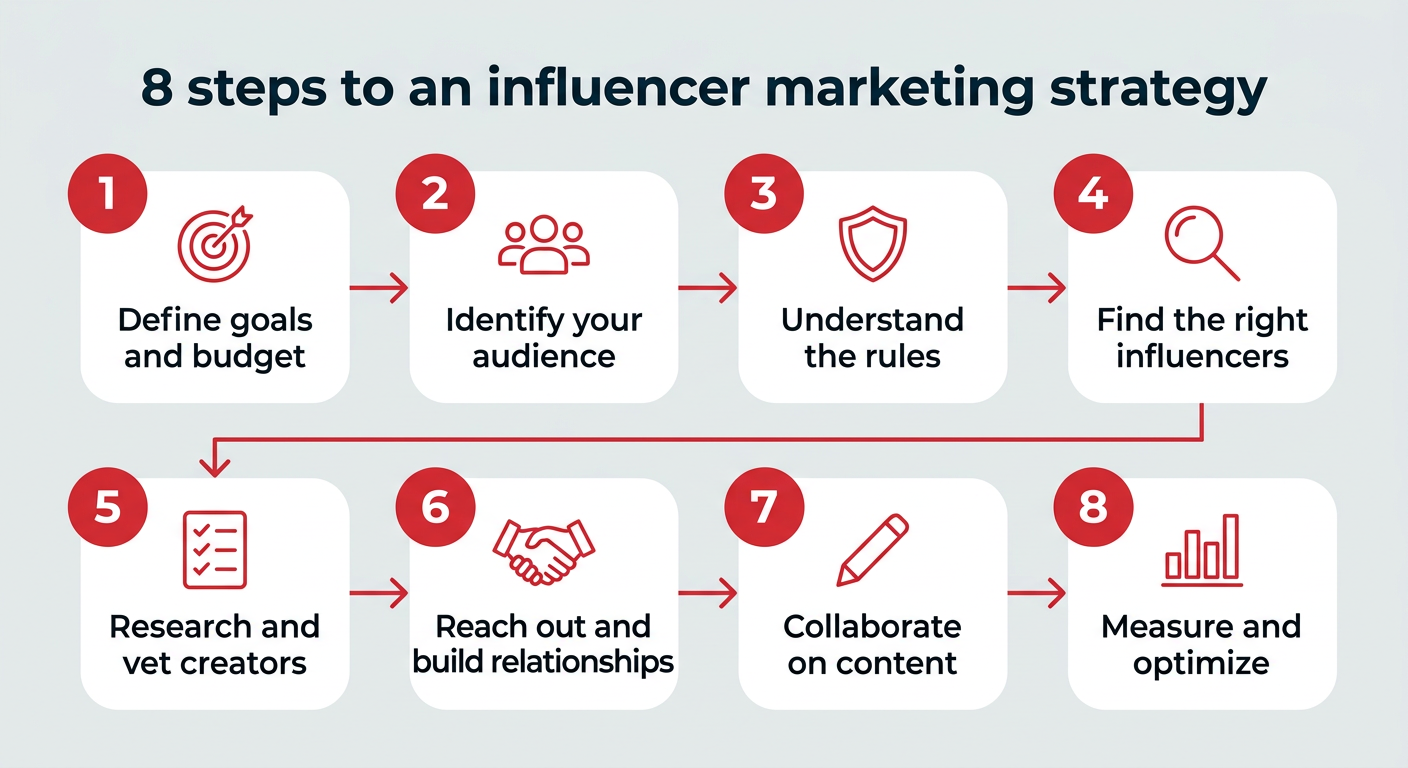
Executing a profitable influencer marketing campaign requires a rigorous, multi-step framework that minimizes risk and maximizes measurable return on investment. Industry professionals recommend beginning with clearly defined objectives and realistic budgets, moving directly into detailed audience profiling to ensure complete demographic alignment between the brand and the creator’s community.

Regulatory compliance represents another non-negotiable operational pillar. In the United States, the Federal Trade Commission (FTC) mandates strict transparency regarding sponsored content, requiring explicit and unambiguous disclosures on all paid partnerships. Similar regulatory frameworks govern international markets. Failure to secure proper disclosure can expose both the contracting brand and the individual creator to severe legal penalties and public backlash. Consequently, compliance protocols must be embedded directly into legal contracts and creative briefs from the outset.
Vetting creators involves analyzing historical content, audience sentiment ratios, and organic-to-sponsored post frequencies to ensure authenticity. Once a partnership is established, brands must transition from micro-managing content to co-creating assets with the creators, leveraging their intrinsic understanding of audience preferences. Clear creative briefs should outline core messaging, visual guidelines, and mandatory compliance terms while allowing creators the artistic freedom necessary to maintain audience trust.
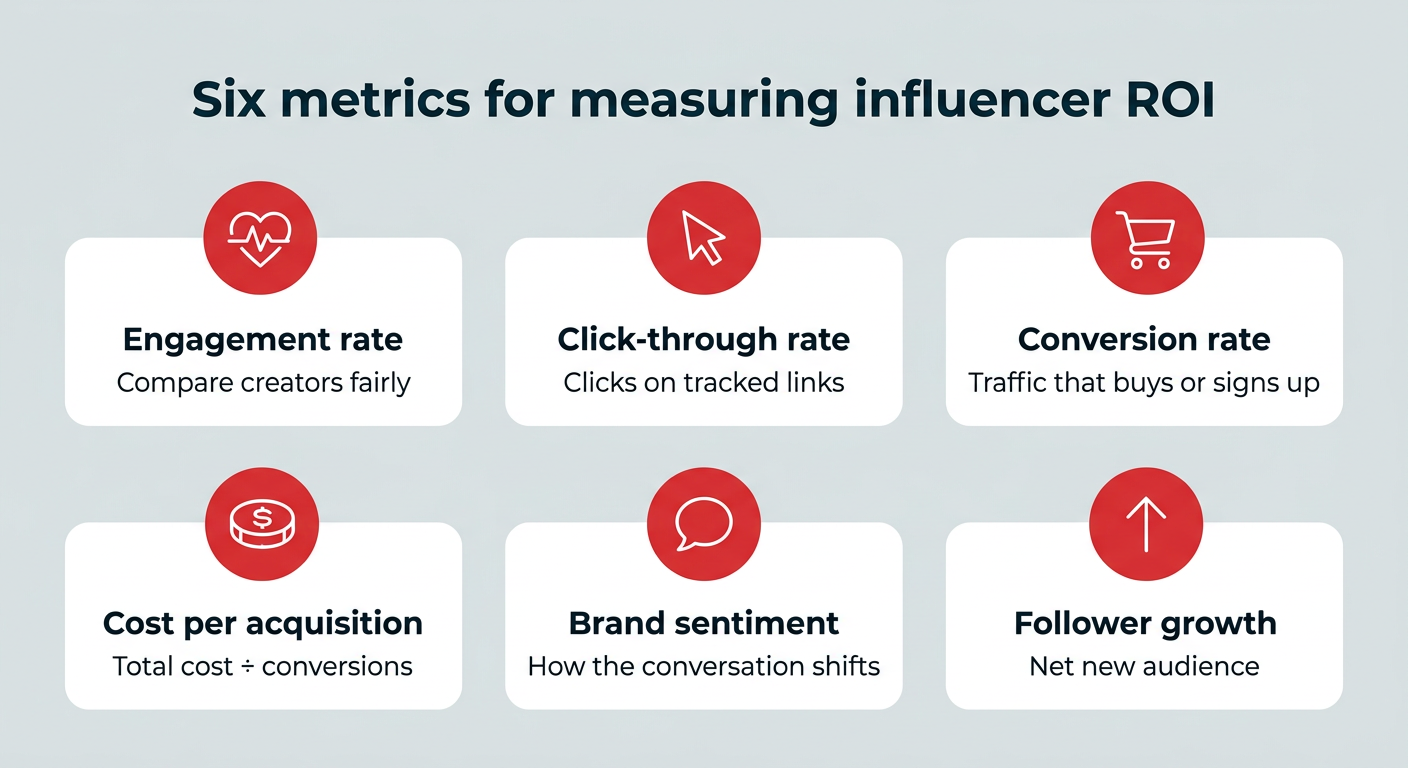
Measuring financial performance requires shifting focus away from vanity metrics—such as raw impressions or follower counts—toward hard business outcomes. Modern marketing teams deploy tracked UTM parameters, unique affiliate discount codes, and integrated social analytics suites to calculate precise conversion rates, customer acquisition costs, and shifts in brand sentiment over time. Comparing these performance indicators against established industry benchmarks ensures continuous optimization of marketing budgets.
Navigating Industry Challenges and Pitfalls

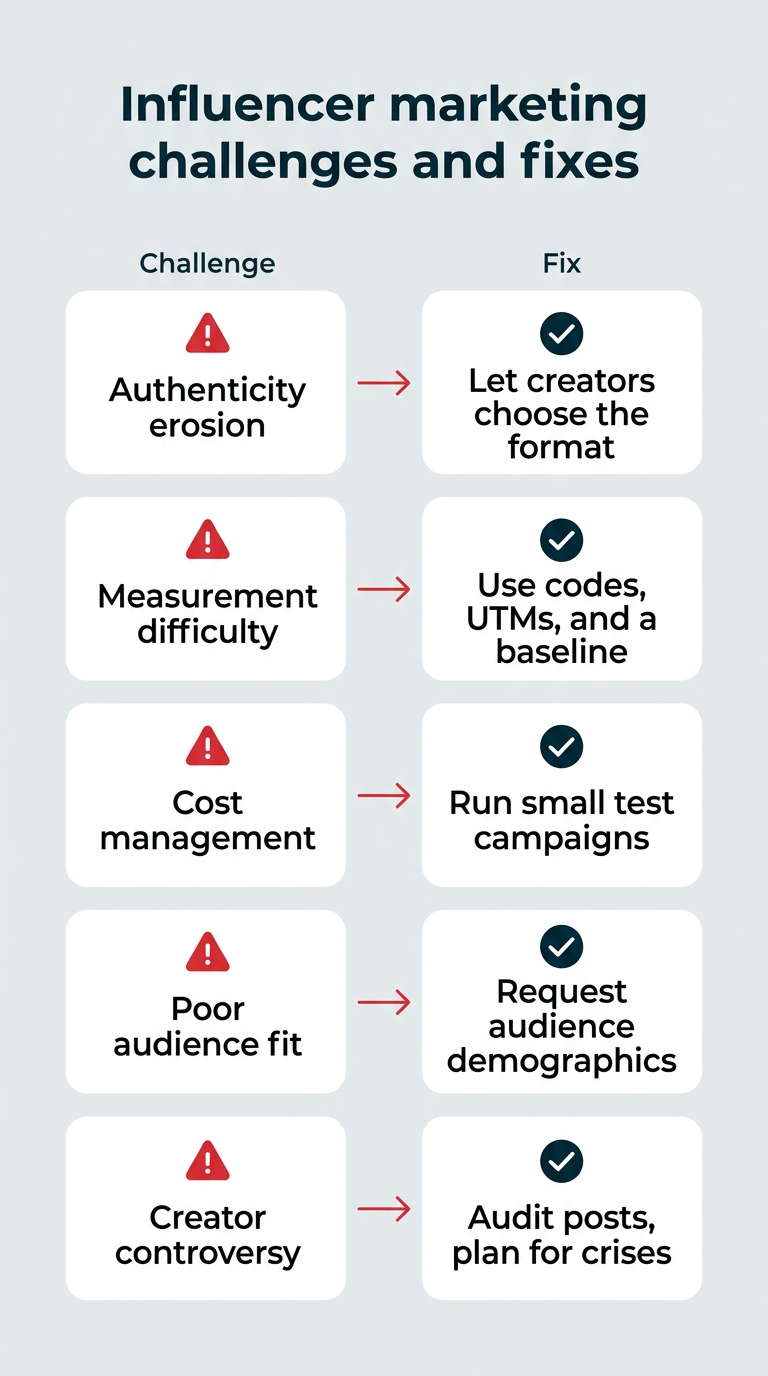
Despite its proven efficacy, influencer marketing carries inherent operational risks. Common industry challenges include content fraud, audience fatigue, brand safety concerns, and the difficulty of accurately predicting campaign sentiment. A notable cautionary tale occurred during a major sporting event campaign featuring a popular prebiotic soda brand, which gifted extravagant, customized vending machines to dozens of high-profile creators. The activation drew immediate and widespread public criticism online, with consumers arguing that the lavish display was tone-deaf and disconnected from the everyday realities of the brand’s core community. Industry analysts used the misstep to underscore a vital lesson: high visibility and viral chatter do not equate to commercial success if the overarching public sentiment is overwhelmingly negative. Effective influencer marketing requires emotional intelligence and deep cultural alignment, proving that tone and inclusivity matter just as much as raw reach.

Future Outlook and Implications for Modern Enterprises

As the digital economy looks toward the remainder of the decade, influencer marketing is projected to continue its aggressive expansion, with global platform valuations steadily climbing toward the $100 billion threshold by 2030. The integration of advanced social listening tools, artificial intelligence analytics, and cross-channel repurposing strategies will continue to refine how organizations identify and collaborate with top-tier talent. Ultimately, while technological platforms and creative formats will inevitably evolve, the foundational pillars of successful influencer marketing remain immutable: an unwavering commitment to authenticity, strategic audience alignment, rigorous compliance, and a disciplined approach to measuring real business impact.