Why Florida and Rhode Island Are Closing the Door on Apple Wallet Driver’s Licenses

While the adoption of digital identification continues to accelerate across the United States, allowing travelers to breeze through Transportation Security Administration (TSA) checkpoints and securely verify their ages with a tap of an iPhone, not every state is jumping on the bandwagon. As a growing number of jurisdictions integrate state-issued driver’s licenses and identification cards directly into the Apple Wallet app, two states have formally pushed back, indicating they have no intention of rolling out support for mobile driver’s licenses (mDLs) anytime soon—if at all.
The divergence highlights a widening gap in how local governments view the intersection of public convenience, cybersecurity, government overreach, and budgetary allocation. While major metropolitan areas and progressive states embrace digital modernization, traditionalist leaders in Florida and Rhode Island are hitting the brakes, citing distinct political and logistical hurdles.
The Current Landscape of Digital IDs in the United States
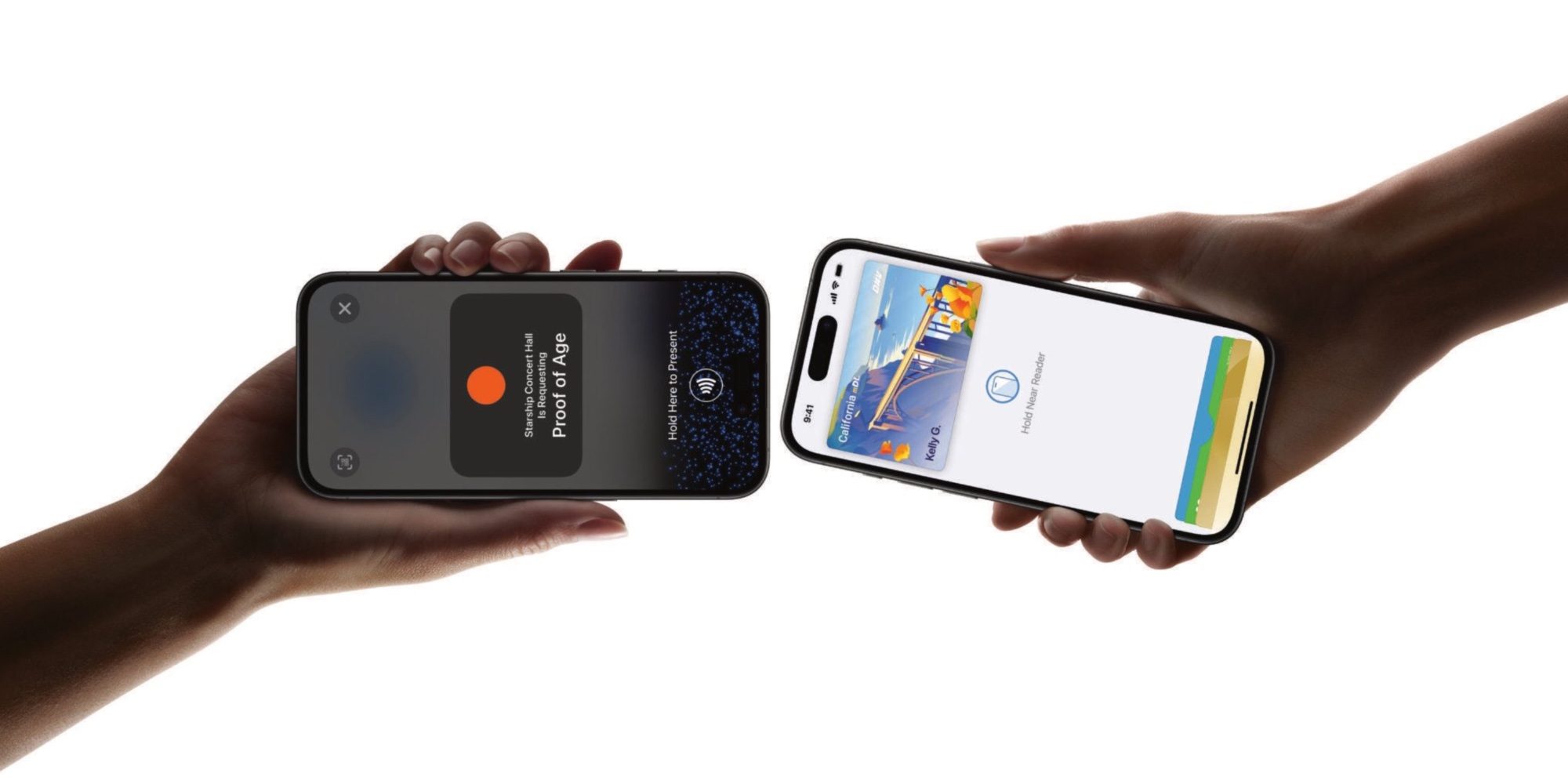
The integration of driver’s licenses into digital wallets represents one of the most significant shifts in personal identification since the advent of the plastic card. Apple first introduced support for state-issued driver’s licenses and state IDs in Apple Wallet, allowing users in participating states to add their credentials with ease. When approaching a supported TSA security checkpoint, users can simply tap their iPhone or Apple Watch against an identity reader, authenticate via Face ID or Touch ID, and securely share only the necessary information without handing over their physical device.
Over the past few years, adoption has scaled steadily. Major states such as Arizona, Colorado, Georgia, Maryland, Ohio, and others have successfully implemented the technology, leading to widespread public acceptance. Furthermore, transit hubs and security agencies nationwide have updated their infrastructure to accommodate these digital documents. Yet, despite clear consumer demand and technological readiness, structural roadblocks remain in specific regions. The contrasting stances of Florida and Rhode Island provide a fascinating case study in why some regional administrators remain deeply skeptical of mobile-first identity solutions.
Florida’s Political Roadblock and the Rejection of Surveillance Fears
In Florida, the resistance to Apple Wallet driver’s licenses is not a technical oversight or a delay in procurement; rather, it is a deliberate ideological stance driven by the state’s executive leadership.
Recently, the Florida Highway Safety and Motor Vehicles (FLHSMV) rolled out a completely redesigned physical driver’s license and identification card. Historically, major redesigns of physical credentials serve as prime opportunities for state governments to introduce companion digital iterations. However, Florida’s rollout came and went with zero announcements regarding a digital counterpart.
This omission was far from accidental. Florida Governor Ron DeSantis has emerged as a vocal critic of digital identification systems, expressing profound concerns over privacy, civil liberties, and government surveillance. Taking to social media platform X in late 2025, DeSantis made his administration’s position unequivocally clear, writing: “The convenience of a digital drivers license is outweighed by the potential for government to abuse it. Not gonna happen in FL. No digital ID.”
This posture represents a stark reversal from Florida’s previous experimentation with digital credentials. Prior to DeSantis’s firm stance, the state had briefly offered a proprietary digital ID app before abruptly pulling the plug on support in 2024. The sudden termination left local tech-savvy residents stranded and forced them to revert entirely to traditional physical cards.
Political analysts note that while DeSantis’s current term has an expiration date, the policy framework he has established leaves little room for immediate change. Unless a future administration reverses course, Florida residents hoping to store their credentials in Apple Wallet will likely have to wait indefinitely.
Rhode Island’s Fiscal Prudence and Cross-Platform Dilemmas
While Florida’s resistance is rooted in political and privacy philosophies, Rhode Island’s reluctance to adopt Apple Wallet driver’s licenses stems from a mixture of fiscal pragmatism and logistical strategy.
The state’s perspective was detailed candidly during an industry podcast appearance by Walter “Bud” Craddock, who serves as the Chair of the American Association of Motor Vehicle Administrators (AAMVA) International Board of Directors. Craddock offered deep insight into the internal debates faced by motor vehicle administrators when weighing the heavy costs of digital transformation against actual utility.

Addressing inquiries from state lawmakers who pushed for mobile ID integration, Craddock described how he resisted the pressure. “I had one of my senators approach and try to talk me into doing it. I had to give him the old Heisman move and push him back,” Craddock explained.
Craddock outlined two primary deterrents keeping Rhode Island from investing in Apple Wallet integration: regional infrastructure gaps and platform exclusivity concerns. At the time of his evaluation, no major airport terminal throughout the entire New England region possessed the upgraded hardware required to accept mobile driver’s licenses. From a budgetary perspective, spending taxpayer dollars to develop a niche digital credential system made little operational sense when local acceptance touchpoints were virtually nonexistent.
Furthermore, Craddock highlighted the friction caused by platform fragmentation. Developing a proprietary or partnered system specifically for Apple Wallet risks alienating the massive demographic of consumers who utilize Android-powered devices and Google Wallet. “The main user right now is TSA… I’m looking to do a solution that is across all platforms. Instead of just doing one for Apple or the Google Wallets, I don’t want to replicate and duplicate efforts,” Craddock noted.
Implications for Consumers and the Future of Mobile Identification
The decisions made by Florida and Rhode Island underscore a broader friction point in the rapid digitization of civic life. As the private sector pushes for seamless, software-driven convenience, state bureaucracies must balance cybersecurity risks, infrastructure costs, hardware upgrades, and public trust.

For residents living in states that actively reject mobile IDs, the inconvenience is tangible. Digital identification is no longer merely a futuristic novelty; it represents a streamlined method for age verification at entertainment venues, fast-tracked identity confirmation at domestic airports, and an added layer of physical security for individuals who prefer not to carry physical leather wallets.
Despite the roadblocks in Florida and Rhode Island, the national momentum behind Apple Wallet driver’s licenses remains remarkably strong. Several additional states are actively working through pilot programs and are expected to launch official support soon. As technology standards evolve and federal agencies increasingly advocate for standardized digital credential frameworks, public pressure may eventually force holdout states to reevaluate their positions.
Until then, motorists in Florida and Rhode Island will have to continue relying exclusively on their traditional, physical plastic cards—serving as a reminder that the digital transformation of government services is rarely a uniform or frictionless journey.
Related posts: