Apple Expands watchOS 27.0.1 Update to All Compatible Apple Watch Models Following Initial Stability Fixes

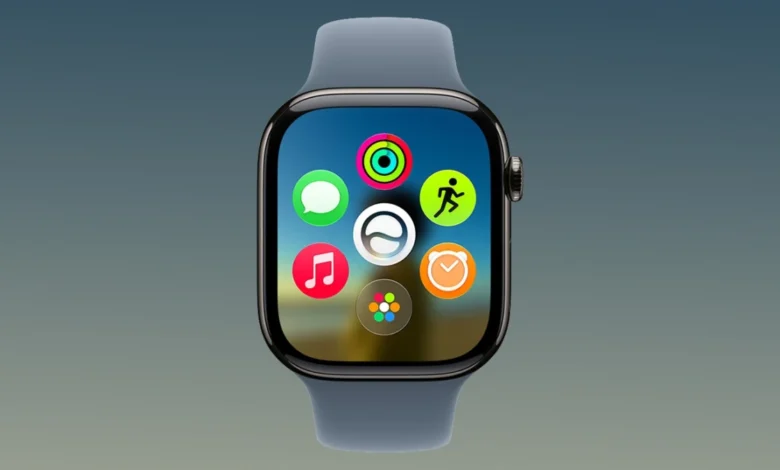
Apple has officially expanded the availability of its watchOS 27.0.1 update to include all supported Apple Watch models, ranging from the Series 9 and newer, as well as the entire Apple Watch Ultra lineup. This move follows an initial, limited release of the software on September 23, 2026, which was primarily focused on addressing critical stability issues—specifically, unexpected system reboots—that were plaguing the newly launched Apple Watch Series 12 and the latest iteration of the Apple Watch Ultra, the Ultra 4. While the initial rollout acted as a targeted patch for the flagship hardware, the subsequent release ensures that the entire current ecosystem of compatible devices receives the underlying stability improvements.
Chronology of the watchOS 27 Deployment
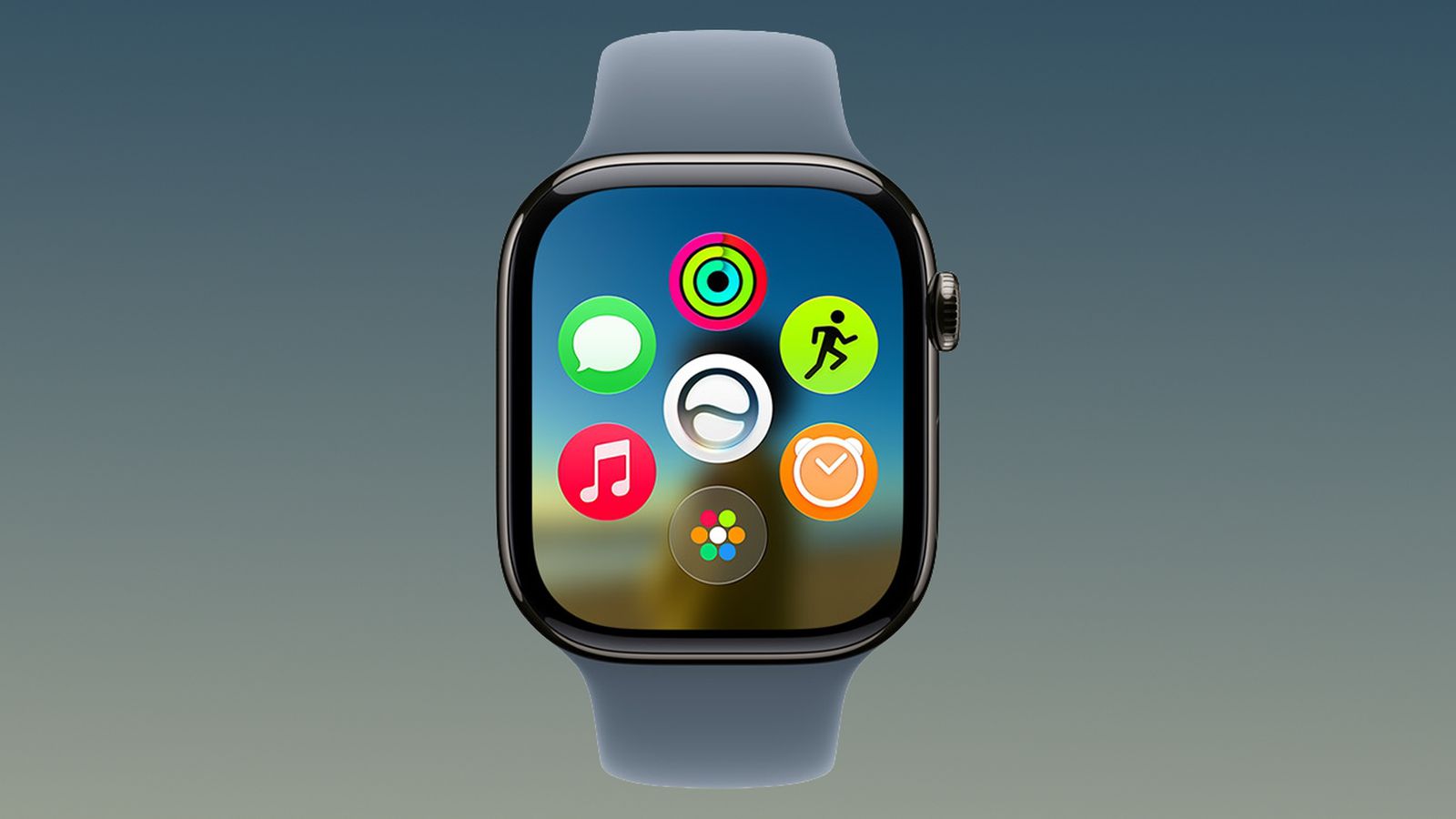
The current software landscape for Apple’s wearable division has been particularly dynamic throughout September 2026. The initial release of watchOS 27 on September 14, 2026, introduced a significant paradigm shift in how users interact with their devices, headlined by the integration of "Siri AI," overhauled Smart Stack widgets, and a refreshed collection of watch faces. However, the complexity of these new features, particularly those relying on on-device machine learning and enhanced audio processing, appeared to create unforeseen technical friction for the newest hardware models.
By mid-September, reports began circulating on various technical forums and support communities regarding the Apple Watch Series 12 and Ultra 4 experiencing frequent, spontaneous restarts. The severity of these interruptions prompted Apple to fast-track the development of watchOS 27.0.1. On September 23, the update was deployed exclusively to the affected high-end models to mitigate the hardware-specific instability. Having verified the effectiveness of the patch, Apple concluded its internal quality assurance testing for the broader user base, resulting in the September 28 release that encompasses the Series 9, Series 10, Series 11, and the preceding generations of the Apple Watch Ultra.
Understanding the Scope of the Update
Despite the technical necessity of the update, the accompanying release notes from Apple remain notably concise. The official documentation states that watchOS 27.0.1 "provides bug fixes for your Apple Watch," a standard phrasing often used when a release addresses performance regressions rather than introducing new user-facing features. Furthermore, Apple has not indicated that this specific update contains security-related patches, suggesting that the primary objective was to stabilize the OS environment across the board.
For the average consumer, the lack of granular detail in release notes often leads to uncertainty. In the context of Apple’s software engineering lifecycle, "bug fixes" in a .0.1 release typically refer to memory management optimizations, thermal throttling adjustments, or addressing specific API conflicts that occur when the watch attempts to communicate with the paired iPhone during background sync processes. Given the introduction of advanced audio intelligence features in the main watchOS 27 build, it is highly probable that the update also refines the background power consumption of these new processes to prevent the CPU from entering a state that triggers a safety reboot.
Broader Context: The "Audio Intelligence" Shift
The arrival of watchOS 27 marks one of the most significant architectural updates to the wearable platform in recent years. The inclusion of the "Audio Intelligence" suite—a collection of features designed to transcribe and interpret environmental audio—represents a departure from simple fitness tracking toward a more proactive, context-aware companion.
However, this transition has not been without controversy. Earlier in September, reports surfaced regarding the removal of certain legacy features that users had relied upon for years. The focus on newer hardware, such as the Series 12 and Ultra 4, has created a tiered experience where older models are increasingly excluded from advanced capabilities. For instance, the "Live Rewind" feature, which allows for a real-time transcript of audio captured by the watch, remains exclusive to the latest hardware. This strategic segmentation of software features serves as both a selling point for new hardware and a point of friction for users of devices released as recently as 2024 or 2025.
Regulatory Challenges and Feature Availability
The complications surrounding the rollout of watchOS 27 are further compounded by regulatory hurdles. As previously reported, owners of the Apple Watch Series 12 and Ultra 4 have faced a temporary loss of hypertension notification features upon launch. Apple has explicitly noted that these health-monitoring tools are undergoing local regulatory review in various markets.
This creates a complex scenario where a user might upgrade to the latest, most expensive hardware, only to find that their device is temporarily less capable than their previous model in specific medical contexts. The intersection of software stability issues (addressed by 27.0.1) and regulatory feature limitations highlights the challenge Apple faces in maintaining a consistent user experience while navigating global health standards and rapid hardware iteration cycles.
Implications for the Apple Watch Ecosystem
The release of watchOS 27.0.1 underscores the increasing difficulty of managing a unified operating system across a fragmented hardware lineup. With the Series 9, Series 10, Series 11, Series 12, and multiple Ultra iterations all running the same OS, the potential for edge-case bugs increases exponentially. The rapid deployment of a secondary patch within two weeks of the primary OS launch reflects Apple’s commitment to maintaining a baseline of reliability, even as the platform grows more complex.
For the industry, this event serves as a case study in modern product maintenance. As wearables evolve from simple notification mirrors to sophisticated health and AI-driven peripherals, the margin for error becomes thinner. A device that restarts unexpectedly is not merely an inconvenience; it is a failure of the device’s core value proposition as a reliable health monitor.
User Recommendations and Future Outlook
For users who have not yet updated their devices, the installation of watchOS 27.0.1 is recommended to ensure optimal performance. The update can be initiated through the "My Watch" tab in the Watch app on a paired iPhone, or directly via the Settings application on the Apple Watch itself, provided the device is connected to Wi-Fi and has at least 50% battery life.
Looking ahead, industry analysts anticipate that the next major point release—likely watchOS 27.1—will focus on reintroducing or optimizing features that were sidelined during the rush to stabilize the initial launch. As the company continues to integrate deeper AI functionality into its wearables, the focus will likely shift toward optimizing battery life and thermal management, which remain the two most significant constraints for the current generation of compact hardware.
Ultimately, while the watchOS 27.0.1 update does not introduce new bells and whistles, it serves as a necessary stabilizer for an operating system that is currently pushing the boundaries of what is possible in a sub-two-inch display format. By standardizing the stability of the software across the Series 9 through the Ultra 4, Apple is effectively resetting the foundation for the upcoming year of feature updates, ensuring that as new AI capabilities are rolled out, they are built upon a reliable and predictable system environment. Users are encouraged to stay informed through official Apple support channels, as further refinements to the watchOS 27 ecosystem are expected to arrive in the coming months to address the ongoing feature parity gaps identified by the user community.