Culture Unveils Groundbreaking Digital Retrospective Honoring South African Cultural Icon Dr. Esther Mahlangu on Her 91st Birthday
Google Arts & Culture has officially launched the first comprehensive online retrospective dedicated to the legendary South African artist Dr. Esther Mahlangu, marking her 91st birthday with an unprecedented digital archive. Titled “Then I Knew I Was Good at Painting: Esther Mahlangu, a Retrospective,” the expansive digital exhibition features more than 45 curated stories, immersive virtual tours, and innovative AI-generated recreations that bring the artist’s undocumented childhood memories to life. Developed in close collaboration with Dr. Nontobeko Ntombela—a senior lecturer at the Wits School of Arts, University of the Witwatersrand—alongside Google DeepMind, Google Arts & Culture Lab, and the design studio Domestic Data Streamers, the project bridges generations, cultures, and technologies to secure Dr. Mahlangu’s monumental legacy for a global audience.
The Main Facts of the Digital Retrospective
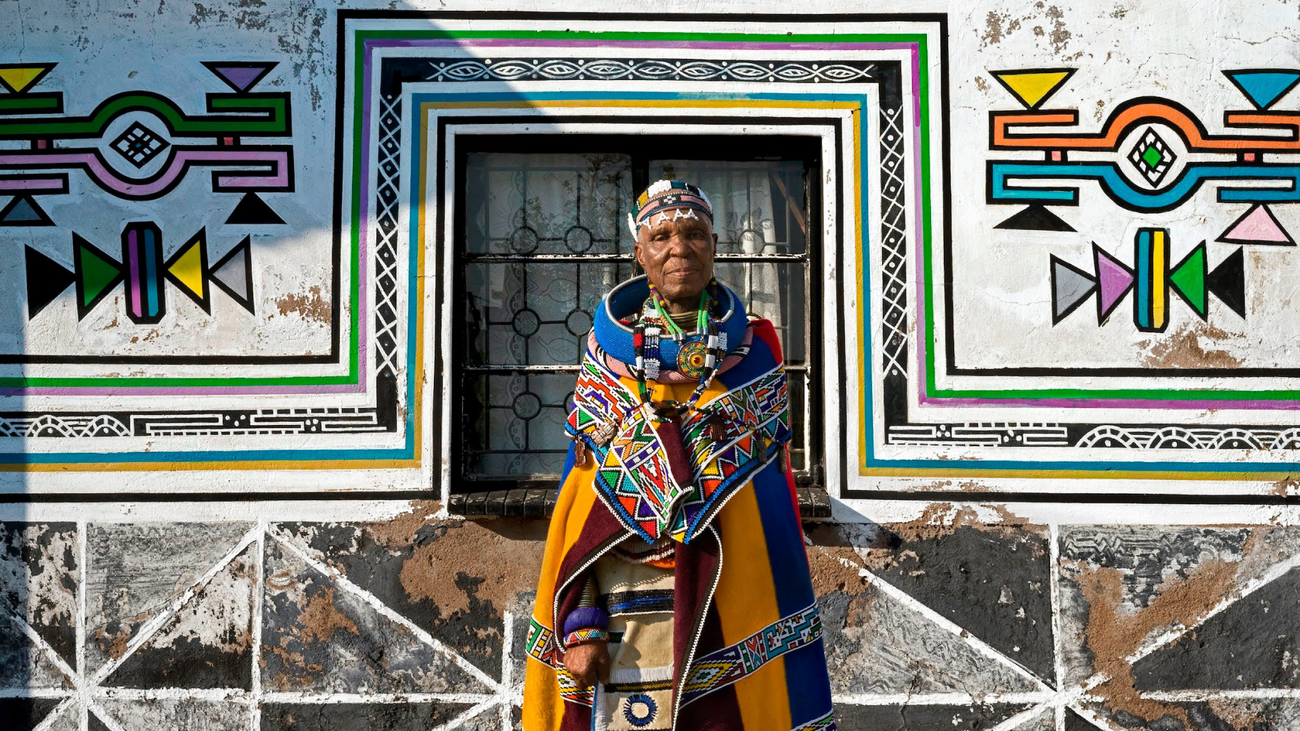
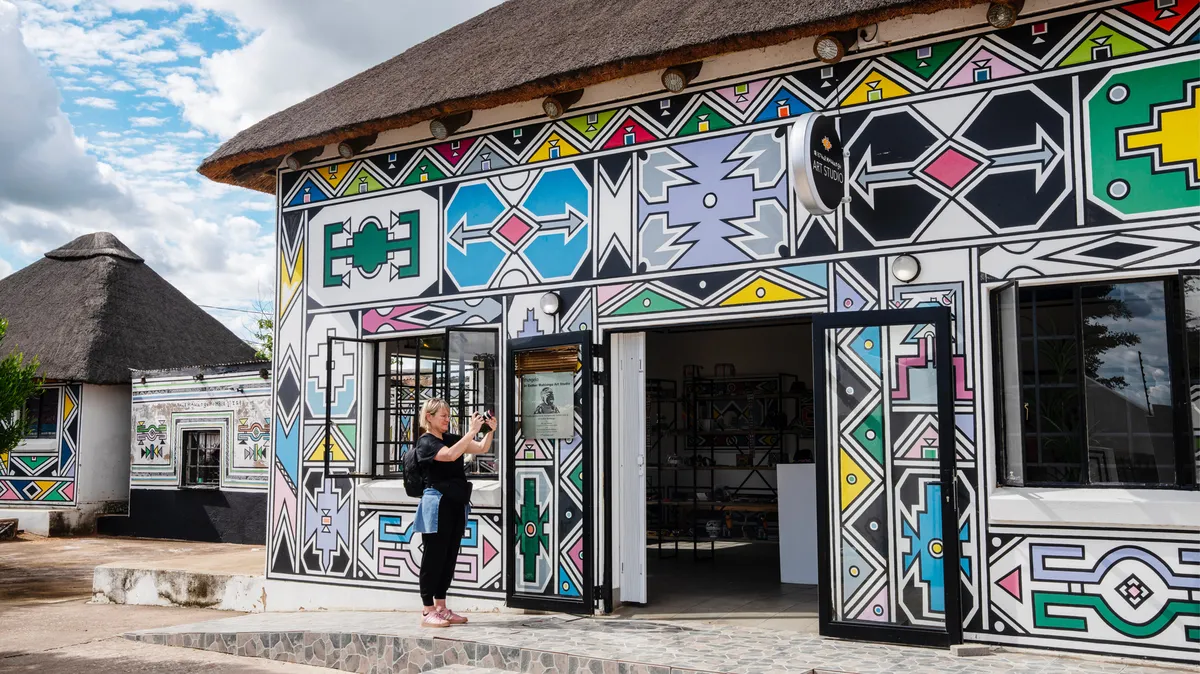
The newly launched digital collection serves as an exhaustive repository of Dr. Mahlangu’s extraordinary life, spanning decades of artistic innovation. It incorporates high-resolution imagery of her iconic large-scale murals, intimate studio pieces, rare archival materials, and Google Street View integrations of her homestead and prominent international installations.
Central to the release is the pioneering use of artificial intelligence to reconstruct a critical, previously unrecorded chapter of Dr. Mahlangu’s history. While her artistic output from 1980 onward has been thoroughly documented, her formative years—stretching from her initial discovery of painting at age 10 until her first officially recognized works—lapsed without visual archives. Through a meticulous series of workshops and recorded oral interviews, the curatorial team captured Mam’ Esther’s personal recollections of painting with chicken feathers instead of traditional brushes. Utilizing the synthetic memories methodology developed by Domestic Data Streamers, alongside Google DeepMind’s advanced video generation model Veo, the team transformed these oral histories into vivid still images and motion sequences. This technical feat visually bridges the gap in her biography, offering viewers an intimate window into the origins of a master artist.
Chronology and Historical Context of Dr. Esther Mahlangu’s Career
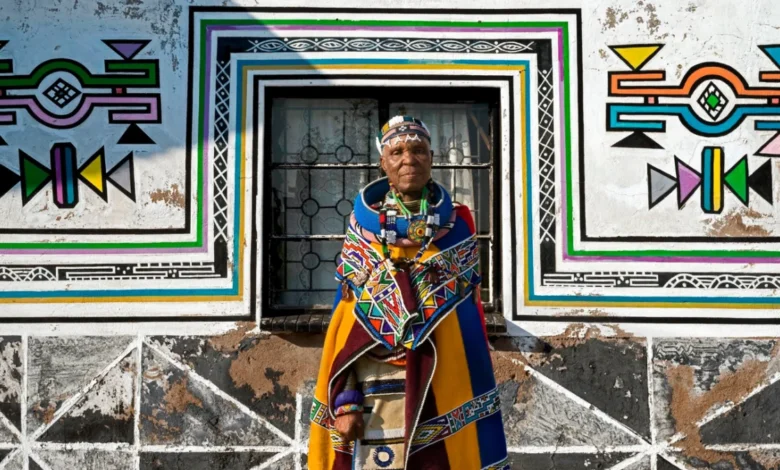
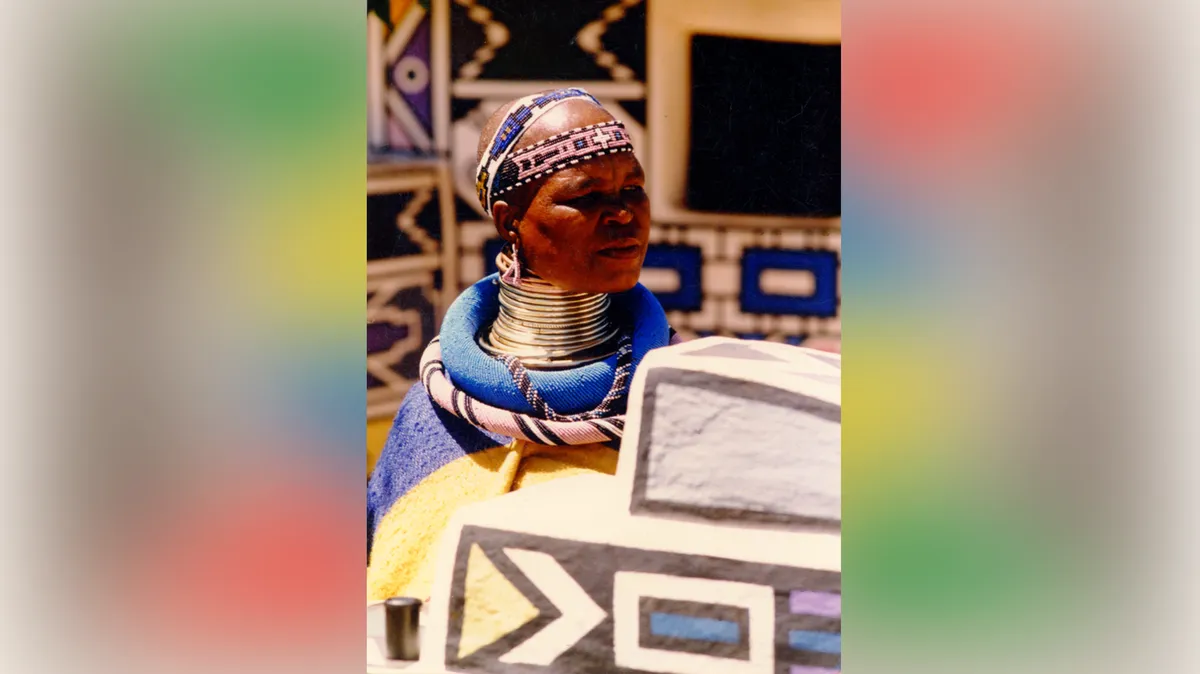
To fully understand the gravity of this digital retrospective, one must examine the trajectory of Dr. Mahlangu’s decades-long career as a global ambassador of Ndebele culture. Born in Middelburg, Mpumalanga, South Africa, in 1935, Mahlangu began painting at a young age, adhering to the centuries-old tradition of Ndebele wall painting, which is traditionally practiced by women to mark important community events, transitions, and architectural spaces.
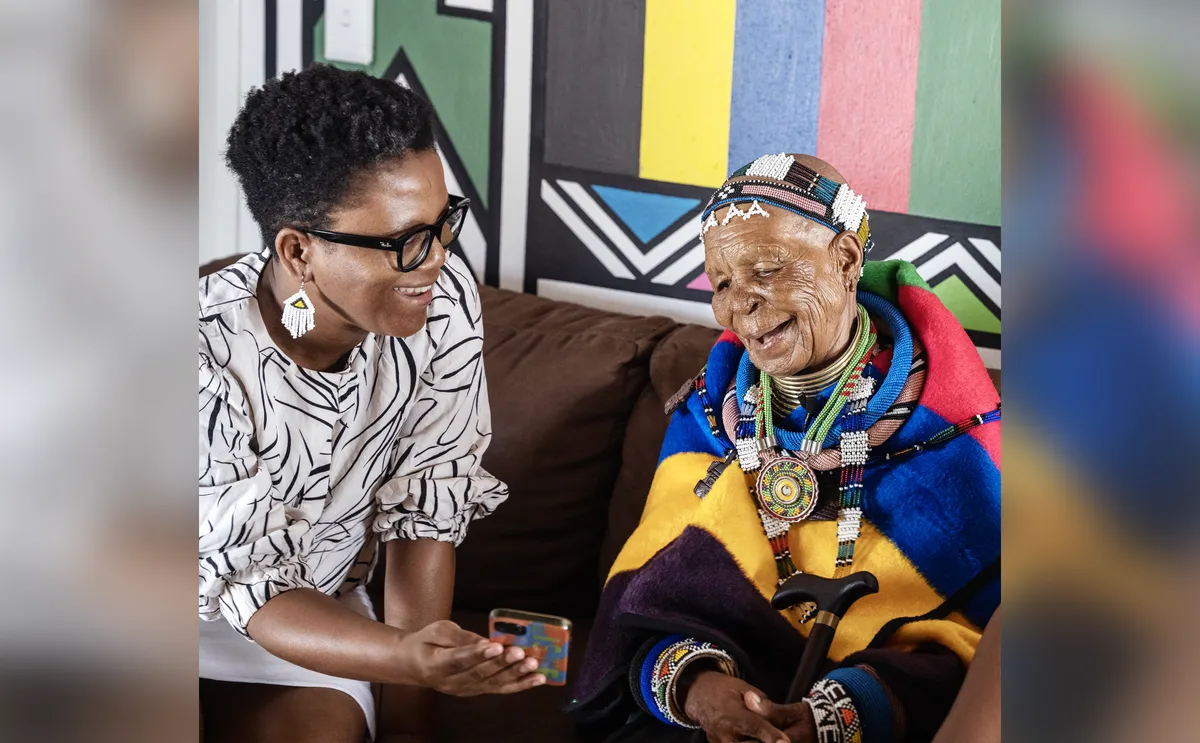
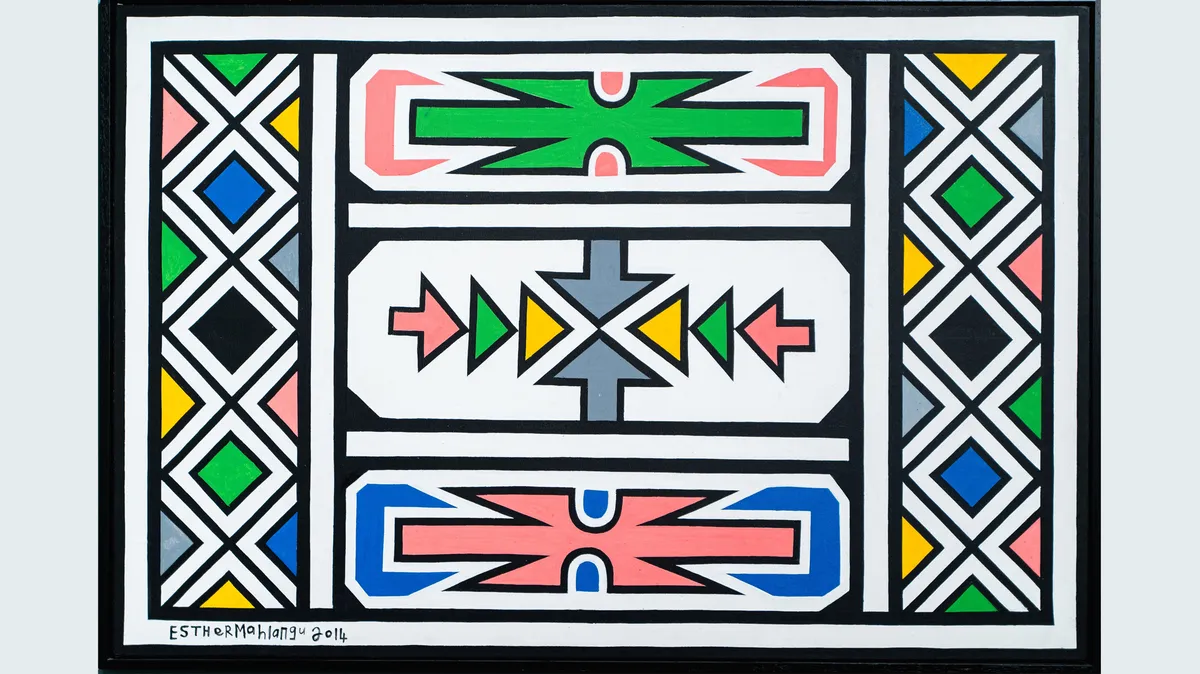
For decades, these vibrant geometric murals remained ephemeral expressions tied to rural South African homesteads. However, Mahlangu’s exceptional eye for precision, symmetry, and bold color palettes propelled her work out of domestic settings and into the international contemporary art spotlight. In 1989, she achieved global renown when she was invited to participate in the landmark "Magiciens de la Terre" exhibition at the Centre Pompidou in Paris, France. This international exposure made her the first woman to paint a BMW Art Car in 1991, transforming a modern mechanical object—a 525i sedan—into a canvas adorned with traditional Ndebele motifs.
Over the ensuing decades, Mahlangu’s career accumulated numerous milestones, including honorary doctorates, international gallery exhibitions, and permanent installations in major cultural institutions worldwide. Her work effectively redefined the boundaries between indigenous African craft and contemporary fine art, forcing global art institutions to expand their definitions of modern masterworks.
Supporting Data and Institutional Collaboration
The sheer scale of the Google Arts & Culture retrospective reflects an unprecedented convergence of global cultural institutions. The project was curated in partnership with several prominent organizations, including the Art of Contemporary Africa, Iziko Museums of South Africa, the British Museum, the Jean Pigozzi Collection, the National Museum of Women in the Arts, and the Serpentine Galleries.
The digital platform now hosts over 45 distinct exhibitions, making it the most extensive centralized database of Mahlangu’s career ever assembled. By leveraging digital architecture, the collaboration ensures that geographical barriers are dismantled, allowing students, researchers, and art enthusiasts in remote corners of the world to examine her brushwork, study archival documents, and navigate her studio environments through immersive digital spaces. The integration of advanced web technologies demonstrates how digital archiving can democratize access to fine art while safeguarding vulnerable cultural heritage against the ravages of time.
Official Statements and Reactions from Key Stakeholders
The launch of the retrospective drew enthusiastic responses from both the artistic community and technological leaders, underscoring the cultural significance of the milestone.
Dr. Nontobeko Ntombela, who has spent years researching South African women artists of the 20th century and working closely with Mahlangu’s family, emphasized the profound emotional and historical weight of the project. "My goal has always been to present a comprehensive exploration of her life and work, contributing to my long-standing research on South African women artists who have made an impact on the arts since the early 20th century," Dr. Ntombela noted. Addressing the missing archival years, she added, "This void challenged us to find new ways to tell her full story. Through a series of workshops and interviews, we were able to document a missing period of Mam’ Esther’s history… These stories became the source material for our work."
Dr. Esther Mahlangu herself expressed profound gratitude for the global platform and the meticulous care taken to preserve her heritage. In an official statement, she remarked: "Thank you to Google Arts & Culture for sharing my story, artwork, and the culture of the Ndebele nation with the world. It has always been my wish to ensure that the art and culture of my Nation lives on for those who follow."
Echoing these sentiments, Amit Sood, Vice President of Google Arts & Culture, highlighted the broader educational and cultural implications of the partnership. "We’re honored to help celebrate Dr. Esther Mahlangu’s legacy by making her work globally accessible online, offering younger generations everywhere the chance to explore Ndebele heritage and be inspired by her pioneering vision," Sood stated.
Broader Impact and Implications for Digital Art Preservation
The integration of generative AI and advanced visualization tools to recreate historical gaps marks a watershed moment in the field of digital museology. While the use of artificial intelligence in art and history has occasionally sparked debate regarding authenticity, the collaboration behind the Mahlangu retrospective establishes a rigorous ethical framework. By anchoring every AI-generated frame directly in verified oral testimonies, personal memories, and strict historical oversight by the artist and her community, the project sets a high standard for collaborative, consent-driven digital restoration.
Furthermore, this retrospective addresses a historical imbalance within global art history, which has frequently marginalized indigenous artists from the Global South, categorizing their work as anthropological artifacts rather than contemporary masterworks. By placing Mahlangu’s creations alongside the world’s leading digital museum archives, the project asserts the undeniable permanence of African contemporary art in the global canon.
As Dr. Mahlangu celebrates her 91st year, this digital monument ensures that her vibrant visual language will continue to resonate across generations. The exhibition stands not only as a tribute to an extraordinary individual life but also as a resilient testament to the endurance of Ndebele culture. Members of the public, researchers, and art admirers can explore the complete online retrospective and immerse themselves in the world of Dr. Esther Mahlangu by visitinggoo.gle/esther-mahlangu.