Apple Announces Redesigned MacBook Pro with PROLED XDR Display, Bringing Touch Support and Modern Features to the Mac Lineup

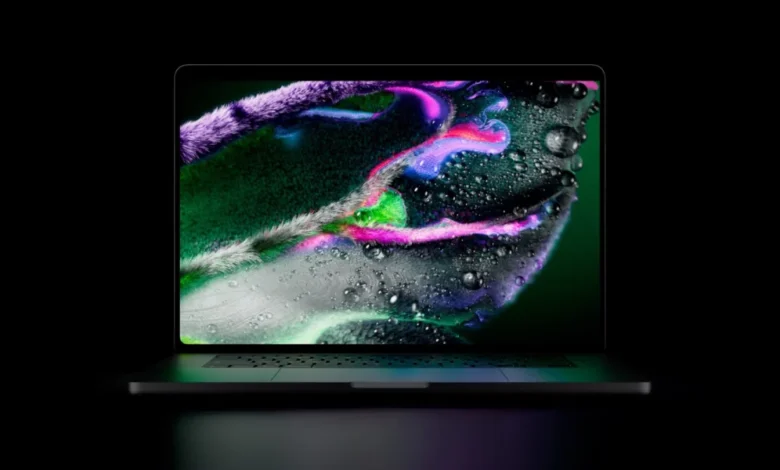
Apple Inc.’s recent unveiling of the redesigned MacBook Pro featuring PROLED XDR display technology marks a significant milestone in the evolution of personal computing, bridging the long-standing functional gap between Apple’s macOS ecosystem and its iOS and iPadOS product lines. For nearly a decade, portable devices like the iPad Pro have pioneered advanced display technologies, touch capabilities, and modern interface elements such as the Dynamic Island. The introduction of this newly redesigned MacBook Pro incorporates many of these consumer-favorite features into a professional-grade laptop, prompting long-time mobile-first users to reconsider traditional laptop hardware as a primary workstation.
However, despite the inclusion of cutting-edge hardware specifications, the omission of built-in cellular connectivity continues to present a notable challenge for mobile professionals reliant on persistent, independent internet access.
Main Facts and Technological Advancements
The newly announced MacBook Pro with PROLED XDR represents a comprehensive hardware overhaul rather than a routine iterative spec bump. Central to the device’s appeal is its advanced display architecture, which integrates PROLED XDR technology to deliver unprecedented brightness, contrast ratios, and color accuracy previously reserved for Apple’s high-end standalone monitors.
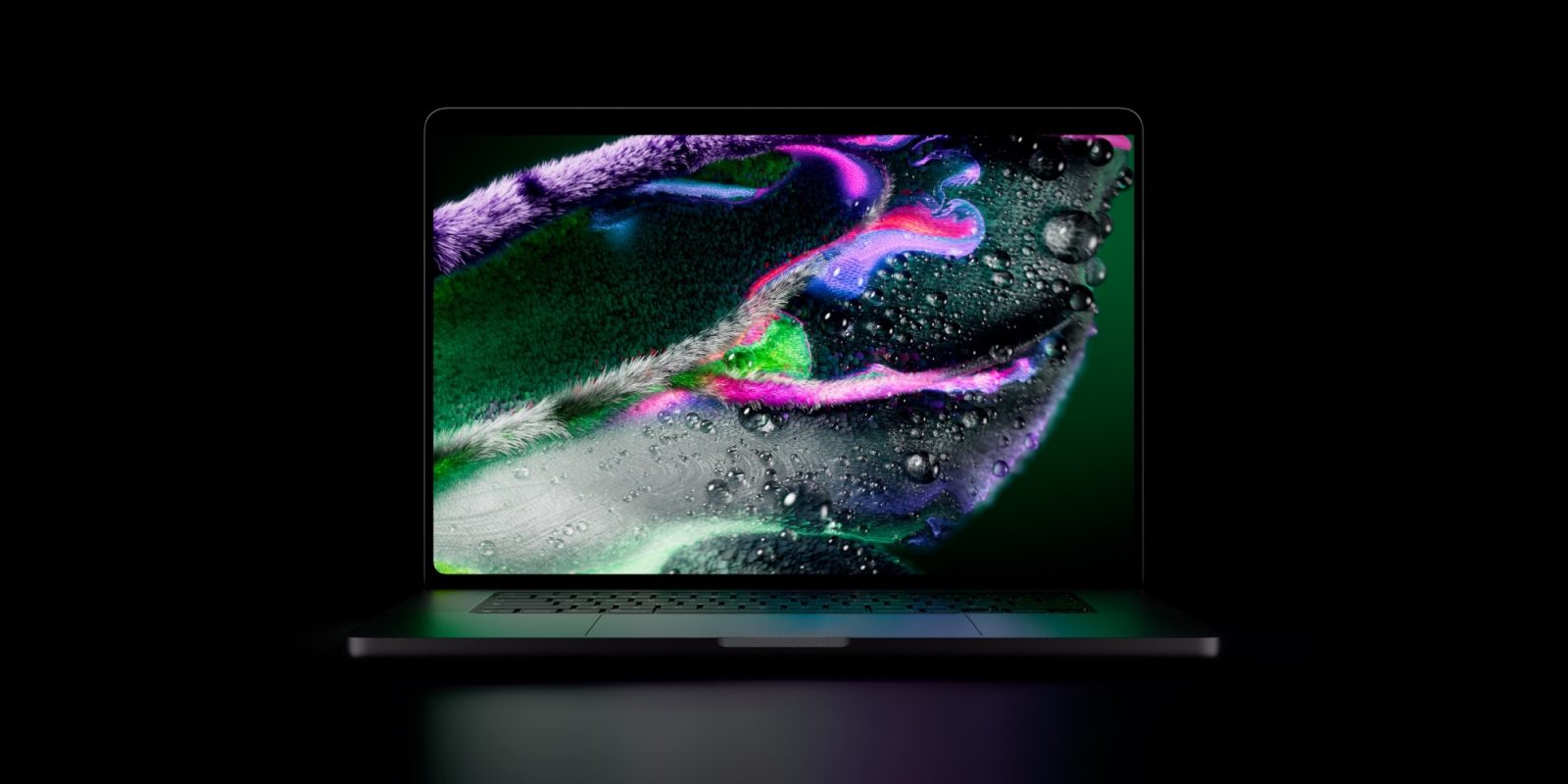
Beyond visual enhancements, the laptop introduces touch-screen functionality to the MacBook lineup for the first time—a feature long requested by users transitioning from tablets. Software integration has also taken a leap forward, with modern user interface elements trickling down from mobile operating systems into macOS. These updates aim to create a more unified user experience across all Apple devices, reducing the friction historically experienced when moving between an iPad and a Mac.
Despite these advanced capabilities, the laptop’s connectivity options remain tethered to traditional Wi-Fi and Bluetooth standards. The absence of an integrated cellular modem forces users to depend on external networking solutions, such as Wi-Fi networks or smartphone tethering, to maintain connectivity while away from a fixed broadband connection.
Background Context and Evolution of Portable Computing
To understand the significance of the new MacBook Pro, one must examine the divergent paths Apple’s product lines have taken over the past decade. Since the introduction of the iPad Pro in 2015, a distinct segment of users migrated away from traditional laptops, favoring the lightweight form factor, touch interface, and ubiquitous cellular connectivity of tablets.
During this period, the iPad and iPhone frequently served as testbeds for Apple’s consumer-facing innovations. OLED display adoption, advanced biometric sensors, and streamlined user interfaces debuted on mobile hardware well before appearing on portable Mac computers. While Mac hardware evolved dramatically in terms of processing power—particularly following the transition to Apple Silicon processors—the core interaction model of the laptop remained largely unchanged, relying exclusively on physical keyboards, trackpads, and non-touch displays.
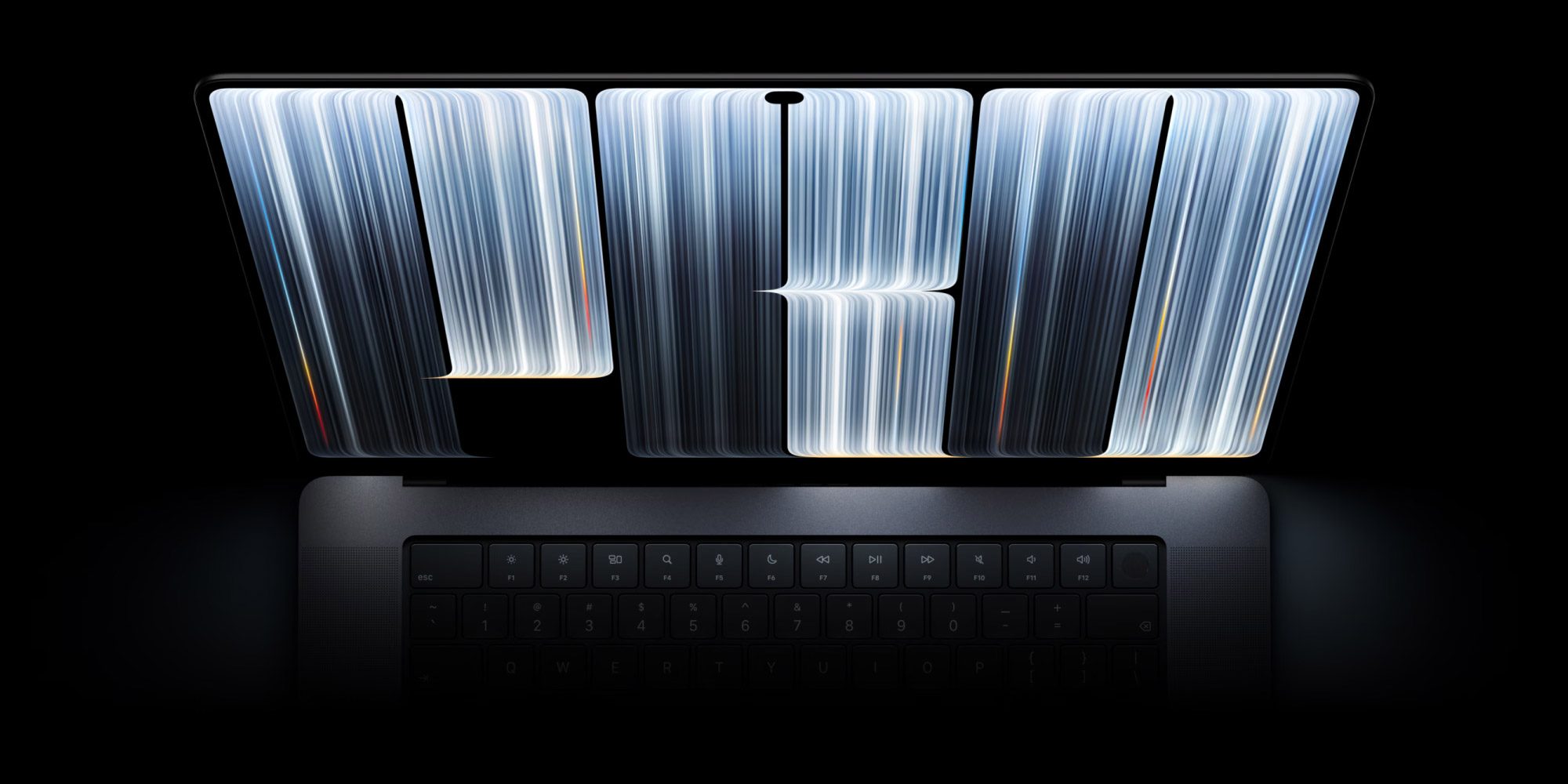
By incorporating touch support, advanced panel technology, and software paradigms traditionally associated with mobile platforms, Apple is actively blurring the lines between its product categories. This convergence addresses longstanding user demands for a hybrid computing experience that pairs the ergonomic productivity of macOS with the intuitive, tactile nature of mobile devices.
Chronology of Integration and Mobile-Mac Convergence
The convergence of macOS and mobile operating systems has accelerated over several hardware and software cycles:
- 2015: The launch of the original iPad Pro establishes a new class of large-screen tablets marketed as laptop replacements, heavily featuring touch interfaces and optional cellular connectivity.
- 2020: Apple introduces the M-series processor architecture, unifying the foundational silicon underlying both Macs and iPads, thereby narrowing the performance gap and enabling seamless application compatibility.
- 2023–2024: Software updates across iOS, iPadOS, and macOS increasingly align design languages, system settings, and interactive widgets, preparing users for a more integrated cross-platform ecosystem.
- Late 2025: Advancements in wireless networking hardware, such as the deployment of custom Apple wireless chips (including the N1 networking architecture), improve the reliability and efficiency of device-to-device tethering and handoff features.
- October 2026: Apple formally announces the redesigned MacBook Pro with PROLED XDR, bringing touch support, advanced display metrics, and modern software design elements to the flagship laptop line.
Connectivity Challenges: The Absence of Cellular Options
While the integration of touch support and PROLED XDR display technology addresses many user requirements, the persistent lack of built-in cellular connectivity remains a point of discussion among mobile professionals. For users who frequently operate outside traditional office environments—such as field journalists, remote consultants, and digital nomads—reliance on public Wi-Fi networks presents persistent security and reliability vulnerabilities.
Industry analysts note that integrated cellular connectivity has long been a differentiator for tablets and select Windows-based enterprise laptops. By omitting cellular modems from the MacBook Pro lineup, Apple continues to encourage users to utilize personal hotspot features enabled by their iPhones.
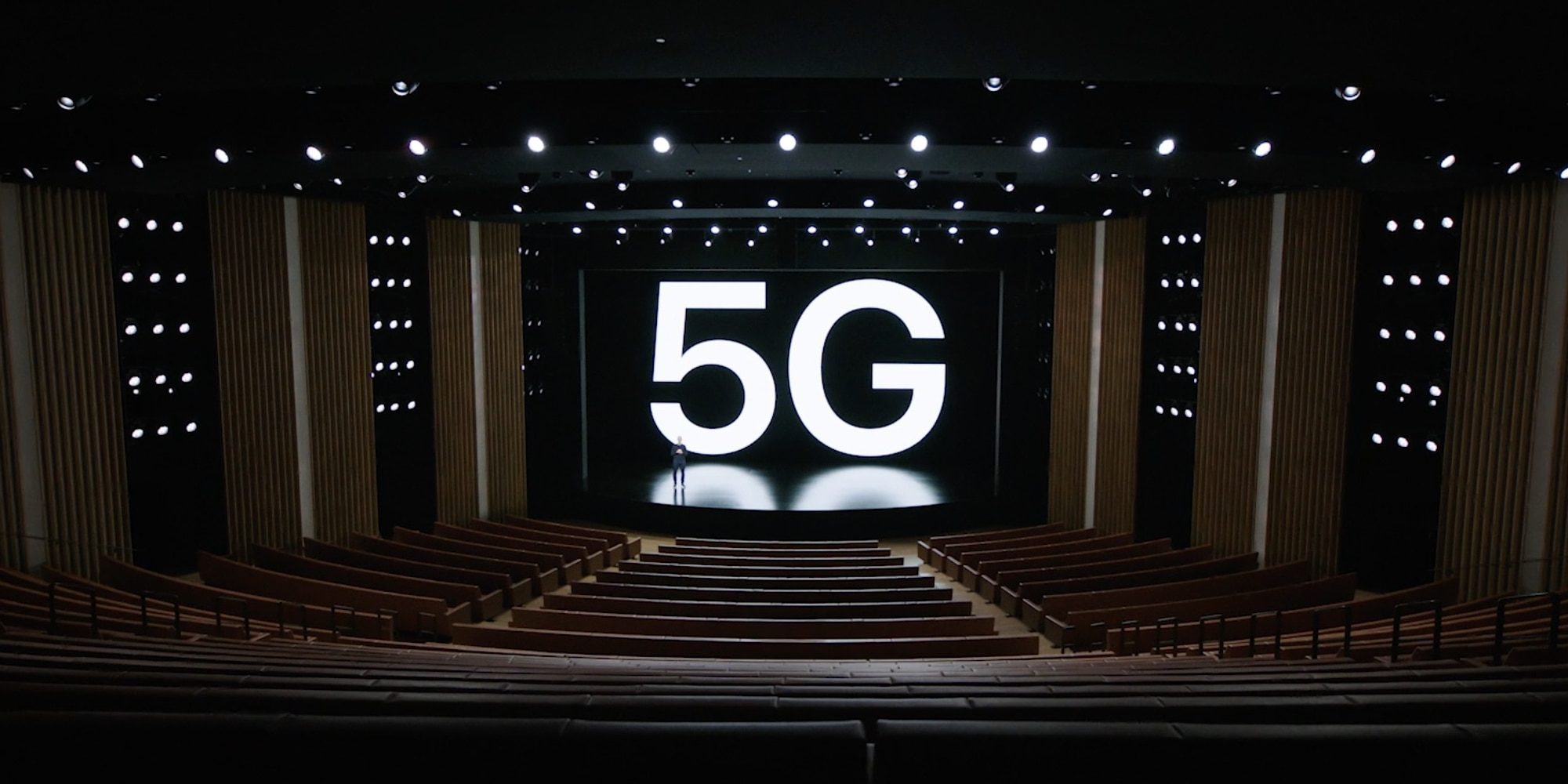
Apple has indicated that recent improvements in wireless hardware, including optimizations driven by proprietary networking chips designed to enhance connection stability and reduce power consumption, are intended to mitigate the friction of tethering. Furthermore, emerging hardware form factors, such as ultra-portable companion devices, may offer alternative routing for data access when traditional networks are unavailable. Nevertheless, the lack of a dedicated SIM or eSIM cellular slot in a device marketed toward mobile professionals remains a notable limitation for a specific subset of consumers.
Industry Implications and Market Impact
The release of the MacBook Pro with PROLED XDR carries broader implications for the high-end laptop market and consumer purchasing behavior. By narrowing the feature gap between tablets and traditional computers, Apple is prompting a reevaluation of device categorization. Users who previously relied on iPads for portability and touch navigation now have a viable pathway back to macOS without sacrificing modern display and input preferences.
From a manufacturing and supply chain perspective, the widespread adoption of advanced display technologies like PROLED XDR signals a standard shift across Apple’s professional portfolio, likely paving the way for similar panel upgrades in forthcoming desktop monitors and consumer-grade laptops.
Economically, the premium pricing tier associated with these advanced hardware specifications positions the new MacBook Pro firmly within the professional and enterprise segments. While the high cost may deter casual consumers, the convergence of high-performance computing, advanced display engineering, and refined ergonomics ensures that the device will serve as a benchmark for portable workstation design moving forward. As initial units reach consumers, real-world evaluations will determine whether these iterative hardware leaps successfully unify the modern mobile and desktop computing experience.