Apples First Touchscreen Mac and OLED iPad mini Are Now Arriving to Customers

The dawn of a new era in personal computing has officially arrived for users in the Asia-Pacific region. As of Friday, November 6, 2026, the first wave of customers in Australia and New Zealand have begun receiving their preordered Apple devices, marking the global launch of the long-anticipated PROLED MacBook Pro, the high-performance M6-equipped MacBook Pro and iMac, and the redesigned OLED iPad mini. This rollout represents a significant technological shift for Apple, as the company integrates touch-interface capabilities into its professional-grade laptop line for the first time in its history.
The Chronology of the 2026 Product Launch
The transition from rumor to reality has been rapid for Apple’s latest product cycle. The journey began in mid-October 2026, when industry analysts and supply chain observers noted a flurry of shipping activity and trademark filings. On October 28, 2026, Apple held an exclusive "Pro and Tell" media event in Los Angeles, where the company finally addressed the speculation surrounding the potential "MacBook Ultra" moniker. By opting to retain the "MacBook Pro" branding, Apple signaled a commitment to its existing high-end user base while introducing transformative hardware changes.
Following the announcement, preorders opened on October 30, 2026. The high demand for the new touchscreen-enabled displays resulted in extended lead times for online shoppers, with many shipping windows pushed into late November or early December. As of today, the physical retail experience in Australia and New Zealand serves as the primary indicator of consumer interest and supply chain health for these new units.
Technical Innovations in the PROLED MacBook Pro
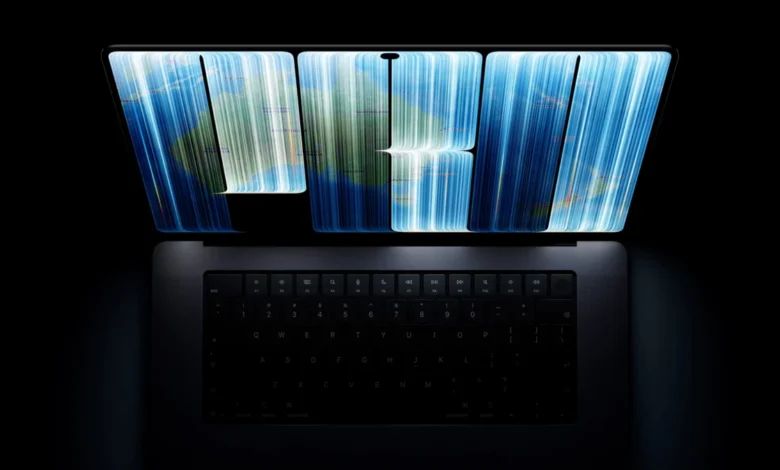
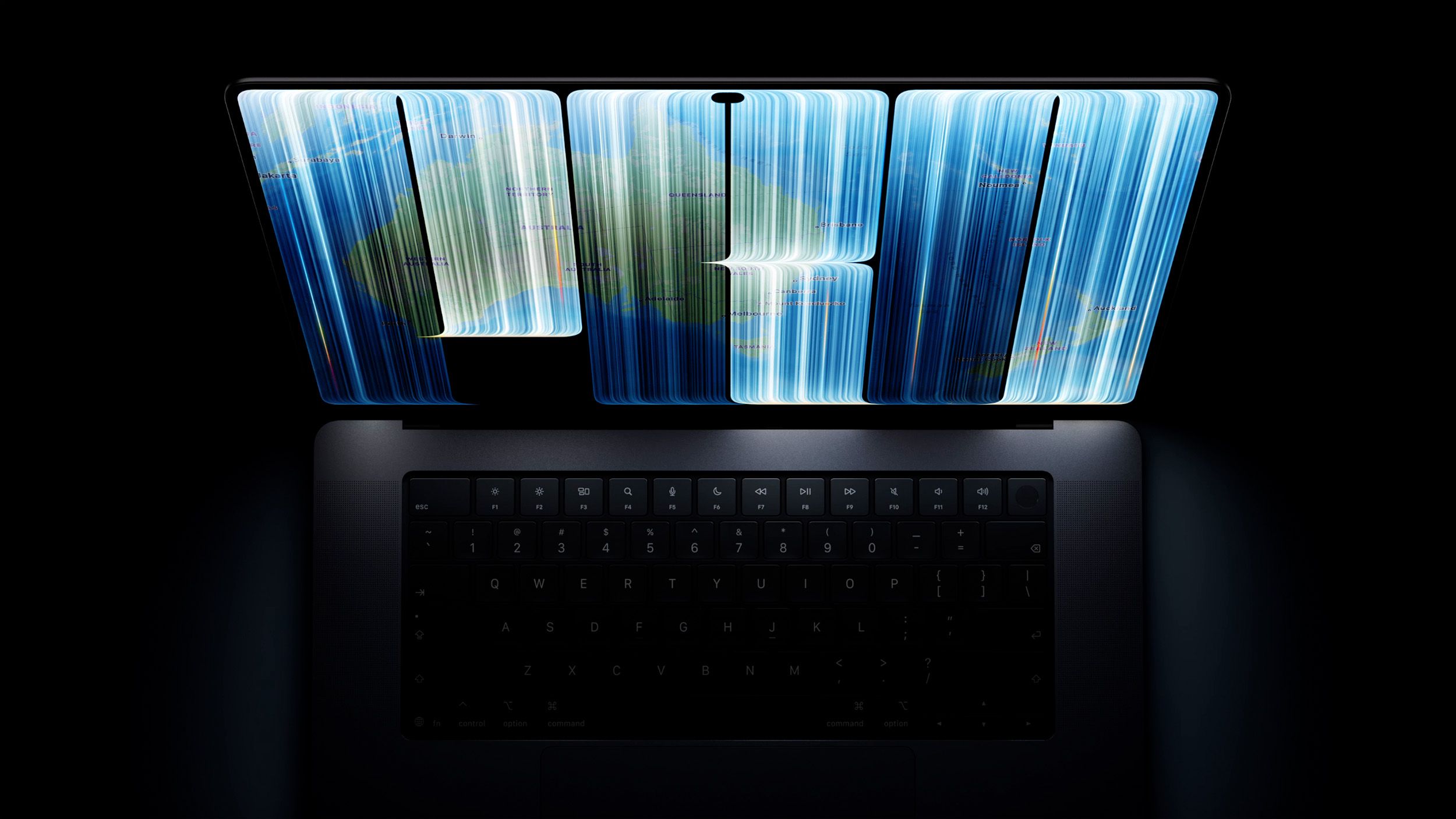
The crown jewel of this launch is the 14-inch and 16-inch MacBook Pro, featuring the proprietary PROLED display technology. This hybrid OLED-based display architecture represents the next step in panel evolution, offering deeper blacks, enhanced contrast ratios, and higher peak brightness than the previous mini-LED iterations. More importantly, the integration of touch-sensitive hardware marks a departure from Apple’s long-standing stance on macOS navigation. While the OS remains keyboard and trackpad-centric, the touchscreen interface allows for granular control in creative applications such as Final Cut Pro and Logic Pro.
Under the hood, these machines are powered by the M5 Pro and M5 Max silicon. Beyond the display, Apple has reintroduced aesthetic hallmarks of its past, most notably the glowing rear Apple logo, a feature that had been absent from the professional lineup for several years. Furthermore, the removal of the screen notch in favor of a refined Dynamic Island suggests a unified design language across Apple’s mobile and desktop ecosystems. The entry price for these powerhouses is set at $2,899 for the 14-inch model and $3,399 for the 16-inch model, positioning them firmly in the premium workstation market.
The Evolution of the iPad mini: Portability Meets Durability
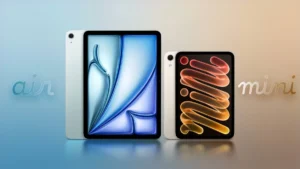
The iPad mini has received its most comprehensive overhaul in years. By adopting an OLED display, the device offers a significant upgrade in visual fidelity for a tablet of its size. However, the most striking hardware innovation is the implementation of an "Acoustic Display." By eliminating traditional speaker grilles and utilizing the screen itself as a sound transducer, Apple has successfully sealed the device enclosure.
This engineering feat has resulted in the first IP67 water and dust resistance rating for the iPad line, significantly broadening the utility of the tablet for field use. Internally, the integration of the A20 Pro chip ensures that this small-form-factor device maintains parity with the processing power required for advanced augmented reality tasks and complex creative workflows. At a starting price of $699, the device targets both professional users needing a secondary mobile display and students looking for a high-performance, durable, and portable tool.
Market Strategy and Global Availability
The launch strategy employed by Apple reflects a tiered, regional rollout designed to manage the high logistics complexity of delivering brand-new display technologies to a global audience. Australia and New Zealand serve as the first test markets, where in-store availability will provide data on the immediate retail reception. Following this, the distribution will expand rapidly across Asia, the Middle East, Europe, and finally, North America.
While the PROLED MacBook Pro and the OLED iPad mini command the headlines, Apple continues to support its core lineup with the updated 14-inch MacBook Pro and 24-inch iMac, both now featuring the M6 chip. These models, priced at $1,999 and $1,499 respectively, cater to the entry-level professional and consumer segments that prioritize reliability and processing speed over the latest display innovations.
Implications for the Computing Industry
Industry analysts suggest that the move toward touch-enabled MacBooks is a strategic response to the evolving expectations of creative professionals who frequently switch between tablet and desktop workflows. By introducing touch without sacrificing the precision of the trackpad, Apple is aiming to bridge the gap between iPadOS and macOS, perhaps laying the groundwork for a more unified software experience in the future.
Furthermore, the introduction of the Acoustic Display on the iPad mini is being watched closely by the smartphone industry. If this technology proves durable and produces high-quality audio in the long term, it could lead to the elimination of physical ports and perforations in mobile devices, enabling truly seamless, unibody hardware designs.
Consumer Reaction and Early Feedback
As the first devices reach customers, the digital landscape—ranging from official Apple forums to independent platforms like Reddit—is becoming a hub for early benchmarks and user feedback. Early discussions are focusing on the tactile responsiveness of the new MacBook Pro screen and the sound quality of the acoustic iPad mini.
"The transition feels intuitive," noted one early adopter on a tech forum. "Having the option to tap directly on the timeline in video editing apps changes the flow of work, even if the muscle memory of using the trackpad remains the primary mode of interaction."
Looking Ahead
The coming weeks will be critical for Apple as it monitors the performance of these devices in real-world scenarios. With the holiday shopping season approaching, the availability of these products will be a major factor in Apple’s fiscal fourth-quarter performance. If the PROLED technology meets consumer expectations, it is highly probable that the display architecture will migrate to the MacBook Air and other desktop monitors in the 2027 product cycle.
As the launch continues to expand globally, the focus will shift from the initial "unboxing" phase to long-term reliability assessments. Apple’s decision to maintain two distinct tiers—the high-end touch-enabled OLED models and the performance-focused M6 models—demonstrates a balanced approach to market segmentation, ensuring that the company captures both the bleeding-edge tech enthusiasts and the traditional, performance-oriented enterprise customers. As of now, the early indicators suggest that Apple has successfully navigated the complexities of its most ambitious hardware launch in years.