Beyond the Hype: Autodesk Executive Diana Colella on the Real Future of AI in 3D Animation and Production


The intersection of artificial intelligence and creative software has long been dominated by two extreme narratives: the utopian promise of boundless automated productivity, and the dystopian fear of industry-wide job displacement. At the Autodesk University 2026 (AU26) conference, however, software executives and industry leaders have worked to establish a more nuanced middle ground. Central to this messaging is Diana Colella, Executive Vice President and Head of Media & Entertainment at Autodesk. Throughout the conference, Colella and her team have continuously reiterated a singular premise: modern AI tools should act as a mechanical exoskeleton for human artists, lifting the burden of administrative and computational grunt work rather than replacing the creative force behind the monitor.
The discourse surrounding platforms like Flow Studio and integrated toolsets such as MotionMaker for Maya reflects a broader pivot in enterprise software strategy. Rather than leaning into speculative, hands-off generative platforms that produce entire assets from a single text prompt, established software developers are focusing on targeted utility. By automating tedious pipeline tasks—such as render optimization, basic asset staging, and preliminary pre-production iterations—companies like Autodesk are attempting to redefine how digital artists spend their working hours. Yet, beneath the polished keynote presentations and marketing whitepapers lies a complex reality characterized by industry skepticism, hidden software adoption, and fundamental questions regarding the economics of digital content creation.
The Operational Reality: Efficiency versus Creative Expansion
The primary marketing pitch for artificial intelligence in the creative sector has historically centered on velocity. Software developers promise faster render times, automated rotoscoping, and rapid asset generation, quantifying success by the minutes or hours shaved off a traditional production schedule. However, this narrow focus on speed often brings unintended consequences for studio employees. When a tool doubles an artist’s efficiency, executive leadership frequently responds by doubling their workload rather than granting them breathing room, fueling anxieties regarding burnout and job security.

Colella actively pushes back against this extractive model of productivity. In discussions surrounding the deployment of Autodesk’s newest creative toolsets, she emphasizes that the primary objective of workflow automation should not be the mass production of generic, superfluous content—colloquially referred to in the industry as "stuff." Instead, she argues that reclaiming hours lost to technical friction should empower artists to invest deeper thought into pre-production planning and aesthetic exploration.
This distinction holds significant financial implications for modern film and television pipelines. Pre-production is historically the phase where creative risks are most affordable; however, tight budgetary constraints and rigid deadlines often force studios to cut exploratory iterations short. By deploying AI-assisted asset staging and real-time conceptual prototyping early in the pipeline, studios can run a broader array of creative variations before financial commitments lock production into a rigid path. Consequently, animators and directors can chase unconventional artistic concepts that would have otherwise been abandoned for the sake of scheduling expediency.
The Shadow Economy of AI Adoption in Studios
Despite the rapid integration of artificial intelligence into commercial software suites, a substantial cultural hurdle remains within professional production environments: the reluctance of artists and studios to publicly acknowledge their use of these technologies. According to Colella, a significant portion of Autodesk’s enterprise customer base quietly utilizes AI-assisted features while actively requesting that their adoption remain confidential.
This hesitation is largely driven by external socio-cultural pressures. The broader public discourse surrounding generative AI—amplified daily across industry podcasts, trade publications, and social media channels—frequently frames the technology as an existential threat to human labor and copyright integrity. Consequently, openly admitting to leveraging AI tools in a professional pipeline can carry professional stigma, creating a climate where artists utilize efficiency-boosting software under a veil of secrecy.

Autodesk’s strategic response to this phenomenon has been twofold: technological integration and radical transparency. Rather than compelling studios to abandon legacy applications in favor of standalone, generative black boxes, the company has chosen to fold AI capabilities directly into familiar, industry-standard environments like Maya. By ensuring that tools like MotionMaker reside as native plugins within established workflows, Autodesk frames artificial intelligence not as a replacement for human artistry, but as an optional brush in an artist’s traditional digital toolkit. Furthermore, Colella stresses the operational necessity of software transparency, noting that modern digital artists require explicit documentation detailing how machine learning models were trained and which specific features rely on algorithmic generation before they will trust them in high-stakes production environments.
The Technical Boundaries of Generative Models in 3D
The skepticism surrounding enterprise artificial intelligence is further compounded by the technical limitations inherent in current machine learning architectures. While 2D generative video and image models have advanced rapidly—capturing mainstream media attention and sparking intense legal and ethical debates—the 3D production pipeline remains remarkably resilient to wholesale automation.
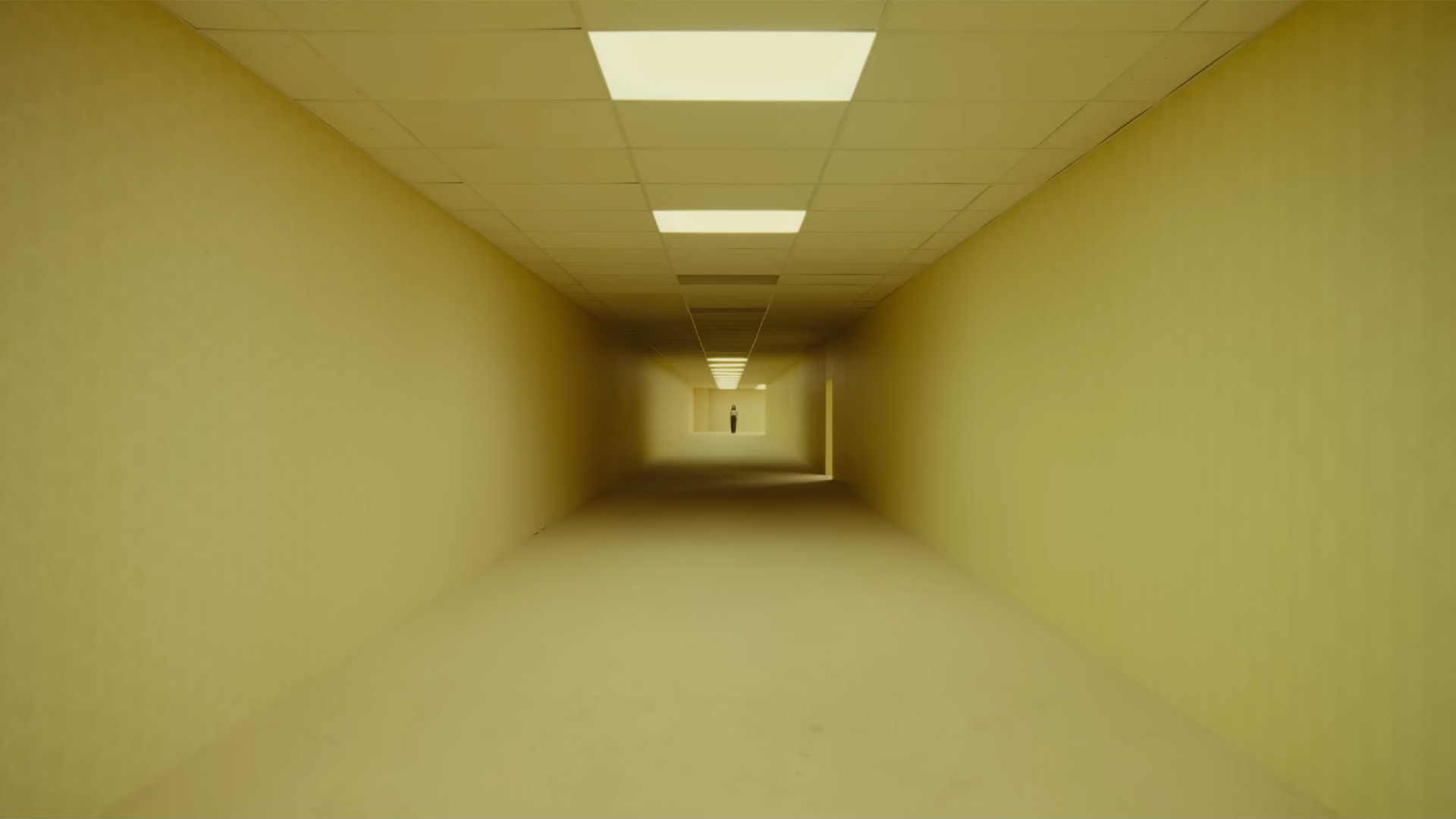
Colella points to recent shifts in independent filmmaking to illustrate the boundaries of current technology. Low-budget horror features like Obsession and the viral sensation Backrooms—the latter of which was constructed primarily within open-source platforms like Blender—demonstrate that while independent creators can bypass traditional studio financing structures, they cannot bypass the rigorous demands of professional post-production. Even when a project is initiated using non-traditional workflows, it ultimately requires industry-standard tools for color grading, compositing, and editorial finishing to achieve theatrical viability.
This technical reality explains Autodesk’s deliberate concentration on 3D software development rather than chasing the saturated 2D generative AI market. While 2D content can be easily simulated or fabricated via prompt engineering, spatial geometry, rigging, weighting, and simulation present complex computational challenges that resist simple automation. By positioning Flow Studio and its associated toolsets as sophisticated assistants for spatial computing and 3D design, Autodesk has carved out a distinct operational lane that separates enterprise software solutions from speculative consumer-facing image generators.

Market Dynamics and the Financial Stability of Enterprise Software
As the broader technology sector navigates the maturation of the artificial intelligence boom, questions regarding market sustainability loom large. Observers frequently draw parallels between current venture capital spending on generative AI startups and historical market corrections, such as the dot-com bubble of the early 2000s.
Colella offers a sharp, industry-insider perspective on this economic landscape, arguing that established enterprise software providers occupy a fundamentally different category than speculative AI startups. While the broader tech ecosystem has seen an influx of capital directed toward companies engaged primarily in fundraising rather than commercial sales, established firms like Autodesk rely on proven software-as-a-service (SaaS) subscription models and deep integration into existing studio infrastructures.
The distinction between speculative demos and shippable enterprise products remains the ultimate test for software longevity. According to Autodesk leadership, platforms such as Flow Studio are not speculative roadmap promises or proof-of-concept demonstrations; they are commercial products actively deployed in active production environments. This commercial foundation provides a protective buffer against speculative market volatility, ensuring that enterprise software development remains anchored to demonstrable utility rather than ephemeral market hype.
Broader Industry Implications and the Future of Independent Content Creation
Beyond corporate balance sheets and software architecture, the widespread adoption of AI-assisted 3D tools threatens to reshape the macroeconomics of the entertainment industry. The global media landscape is currently undergoing a significant contraction, characterized by tighter studio budgets, a reduction in greenlit television series, and a retreat from the aggressive spending associated with the early streaming boom. Major studios are scrutinizing expenditures more closely than ever, leaving independent and mid-tier creators in a prolonged holding pattern.
Colella posits that as production costs decrease through technological efficiency, the structural barriers preventing independent creators from entering the market will similarly erode. Rather than empowering major conglomerates to consolidate labor and reduce headcount—the primary fear driving industry labor disputes—democratized 3D tools may spark a renaissance in independent filmmaking. By lowering the financial threshold required to render complex visual effects and animated sequences, affordable software ecosystems could enable a new wave of creators to produce cinematic content that traditional studio executives would have previously rejected on budgetary grounds.
Ultimately, the long-term viability of artificial intelligence in creative workflows will not be judged by the speed of algorithmic generation, but by the reallocation of human time. If software developers succeed in stripping away administrative drudgery while preserving artistic agency, the technology will transition from a source of industry anxiety to an essential catalyst for creative experimentation. Conversely, if efficiency gains are viewed merely as a metric for workforce reduction, the creative sector risks sacrificing the very human intuition that defines great art. For Autodesk and its leadership, the path forward relies on ensuring that the artist remains firmly in control of the digital canvas.