California Condors Barely Escaped Extinction Decades Ago Avian Flu Could Change That 260
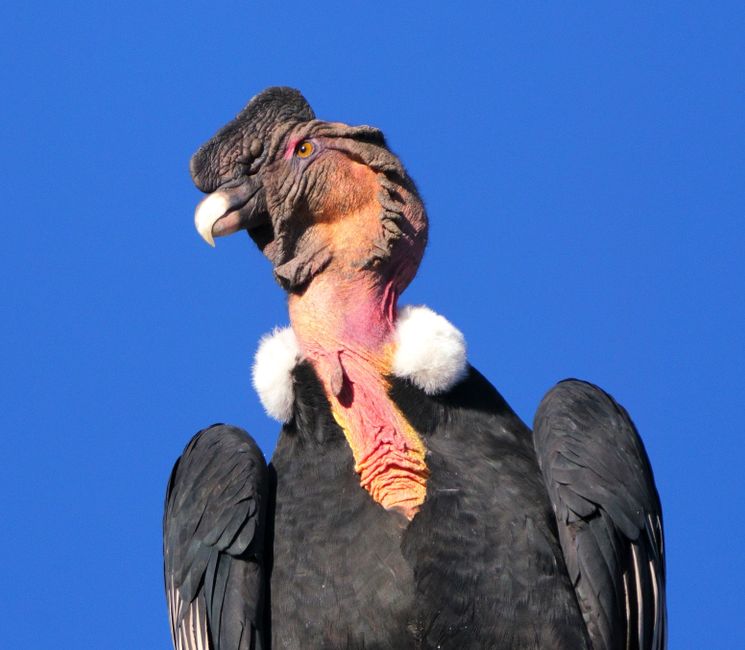
California Condors: A Second Brush with Extinction as Avian Flu Looms
The California condor, a majestic symbol of the American West, teetered on the precipice of oblivion just decades ago, its wild population reduced to a mere 22 individuals in the early 1980s. A monumental captive breeding and reintroduction program, a testament to human intervention and scientific dedication, painstakingly pulled the species back from the brink. This remarkable recovery, however, is now facing an unprecedented and potentially devastating threat: avian influenza, a highly contagious and often lethal viral disease. The specter of another near-extinction event looms large, casting a long shadow over the fragile gains made in conserving this iconic vulture.
The journey from 22 to hundreds of California condors in the wild and in captivity is a story of extraordinary conservation. Driven by habitat loss, lead poisoning from ingested carrion, and shooting, the California condor (Gymnogyps californianus) experienced a catastrophic decline throughout the 20th century. Recognizing the dire situation, the U.S. Fish and Wildlife Service initiated a Species Survival Plan in the 1970s. This led to the bold and controversial decision to capture all remaining wild condors for a comprehensive captive breeding program. This audacious gamble, a last-ditch effort to preserve the species, proved to be a resounding success. Over decades, dedicated teams at institutions like the San Diego Zoo Safari Park, Los Angeles Zoo, and the Peregrine Fund meticulously managed breeding pairs, hatched eggs, and raised chicks. Slowly, painstakingly, the numbers began to climb.
The reintroduction phase, commencing in the late 1980s, was equally critical. Carefully selected release sites in California, Arizona, and Baja California, Mexico, were established, offering suitable habitat and food sources. Ventana Wildlife Society in California and the Peregrine Fund in Arizona and Utah have been instrumental in monitoring, managing, and supplementing wild condor populations, ensuring they have access to safe food sources and receive veterinary care. The primary challenge during reintroduction, and still a significant threat today, remains lead poisoning. Hunters’ ammunition fragments, when ingested by condors feeding on carcasses, release toxic lead into their systems, causing neurological damage, starvation, and death. Conservationists have tirelessly worked with hunters and developed alternative, lead-free ammunition initiatives to mitigate this ongoing peril.
Despite the persistent threat of lead poisoning and habitat fragmentation, the California condor population has shown a remarkable upward trend. As of recent counts, the total population, encompassing both wild and captive individuals, numbers well over 500. This represents a monumental achievement in conservation, a testament to the power of targeted scientific intervention and dedicated stewardship. Wild populations are now established in several regions, including the Big Sur coast, Pinnacles National Park, and the Grand Canyon. This resurgence has allowed for a renewed sense of hope and pride in the species’ continued existence, a symbol of ecological resilience.
However, this fragile recovery is now confronted by a new and formidable adversary: avian influenza, specifically highly pathogenic avian influenza (HPAI) viruses, such as the H5N1 strain that has been devastating bird populations globally. Avian flu is a naturally occurring disease, but certain strains can mutate and become highly virulent, leading to widespread mortality in wild bird populations. These viruses spread through direct contact with infected birds, their feces, saliva, nasal secretions, and contaminated environments. The long-distance movements of migratory birds can facilitate the rapid spread of HPAI across continents, posing a constant threat to vulnerable species.
The impact of HPAI on wild bird populations has been catastrophic in recent years. Tens of millions of birds, from backyard poultry to wild waterfowl and raptors, have succumbed to the disease. Pelicans, gulls, and various raptors, including owls and eagles, have shown significant susceptibility to HPAI, often resulting in mass die-offs. This widespread mortality among other avian species raises immediate and serious concerns for the California condor. As scavengers, condors are exposed to a wide range of carcasses, increasing their potential for contracting the virus from infected prey or carrion. Their unique feeding habits place them at a higher risk of encountering and ingesting the virus.
The vulnerability of the California condor to HPAI is exacerbated by several factors. Firstly, their relatively small population size, though improved, still means that a significant outbreak could have a disproportionately devastating impact. Secondly, their long lifespan and slow reproductive rate mean that recovery from widespread mortality would be a very protracted process. A severe HPAI event could set back decades of conservation progress in a matter of months. Furthermore, the social nature of condors, gathering at carcasses, creates a perfect storm for rapid transmission within the species.
Conservation organizations and wildlife agencies are acutely aware of this emerging threat and are actively working to develop strategies to mitigate the impact of HPAI on California condors. These strategies include enhanced surveillance for the disease in wild populations, increased testing of sick or deceased birds, and proactive management of condor feeding sites. In the event of an outbreak, rapid response protocols are being developed to contain the spread and provide supportive care to affected individuals. This may involve temporary capture of condors from affected areas, isolation, and veterinary treatment.
One of the most critical aspects of HPAI management for California condors is the ability to intervene quickly and effectively. This includes having readily available diagnostic tools and veterinary expertise specifically tailored to condors. The established network of conservation partners, including zoos with specialized avian care facilities, plays a vital role in this preparedness. These facilities can provide quarantine and treatment for affected birds, offering a crucial sanctuary from the wild environment where transmission is more likely. The collaborative efforts between government agencies, non-profit organizations, and research institutions are essential in mounting a coordinated defense against this microscopic threat.
The risk of HPAI underscores the interconnectedness of ecosystems and the challenges inherent in avian conservation. The disease highlights how a threat originating from microbial evolution can quickly transcend geographical boundaries and imperil species at the forefront of conservation success stories. It emphasizes the need for ongoing research into HPAI, including understanding its transmission dynamics in different avian species and developing more effective preventative measures and treatments. The lessons learned from managing HPAI in other bird populations will be invaluable in protecting the California condor.
The successful recovery of the California condor from the brink of extinction serves as a powerful reminder of what can be achieved through dedicated conservation efforts. However, the emergence of avian influenza presents a stark reminder that the fight for species survival is an ongoing and dynamic process, requiring constant vigilance and adaptation. The conservation community is now faced with the daunting task of safeguarding this iconic species from a threat that is both natural and increasingly widespread. The future of the California condor, once secured through remarkable human intervention, now hangs precariously in the balance, awaiting the world’s ability to once again rally to its defense against a microscopic foe. The ongoing commitment to monitoring, research, and rapid response will be paramount in ensuring that avian flu does not relegate this magnificent bird to the annals of extinction.