Meta’s Muse AI Expands to Wear OS and Apple Watch, Bringing Conversational Intelligence to the Wrist

Meta Platforms has officially announced that its signature conversational artificial intelligence assistant, Muse AI, is expanding beyond standalone hardware and smartphones to mainstream smartwatches, officially bringing support to both Google’s Wear OS and the Apple Watch. The move marks a significant step forward in Meta’s hardware-agnostic strategy for its generative AI ecosystem, transforming the approachable, avatar-driven assistant into a constant, glanceable companion for users on the move.
The announcement, made via the official Muse account on X (formerly Twitter), emphasized the around-the-clock availability of the assistant now that it lives directly on users’ wrists. By integrating with the two dominant smartwatch operating systems, Meta aims to capture a larger share of the wearable computing market, allowing users to interact with Muse AI for quick queries, daily organization, messaging support, and ambient notifications without needing to pull out their smartphones.
Chronology of the Muse Ecosystem: From LLM to Wearables
The rollout onto Wear OS and Apple Watch represents the latest milestone in a rapid deployment schedule that began earlier this year. Meta initially signaled a shift in its artificial intelligence philosophy with the unveiling of Muse Spark, a new foundational large language model (LLM) designed from the ground up to prioritize speed, efficiency, and human-centric interaction.
Unlike massive, resource-heavy models that require extensive server infrastructure for every minor computation, Muse Spark was engineered to be compact and fast. According to Meta’s engineering teams, the model utilizes a multi-agent framework capable of distributing complex reasoning tasks across specialized sub-systems to maintain high accuracy while minimizing latency. Furthermore, Meta structured the model’s training data to include extensive medical and specialized knowledge bases—reportedly vetted or augmented by over a thousand practicing physicians—to handle complex health-related inquiries with greater precision.
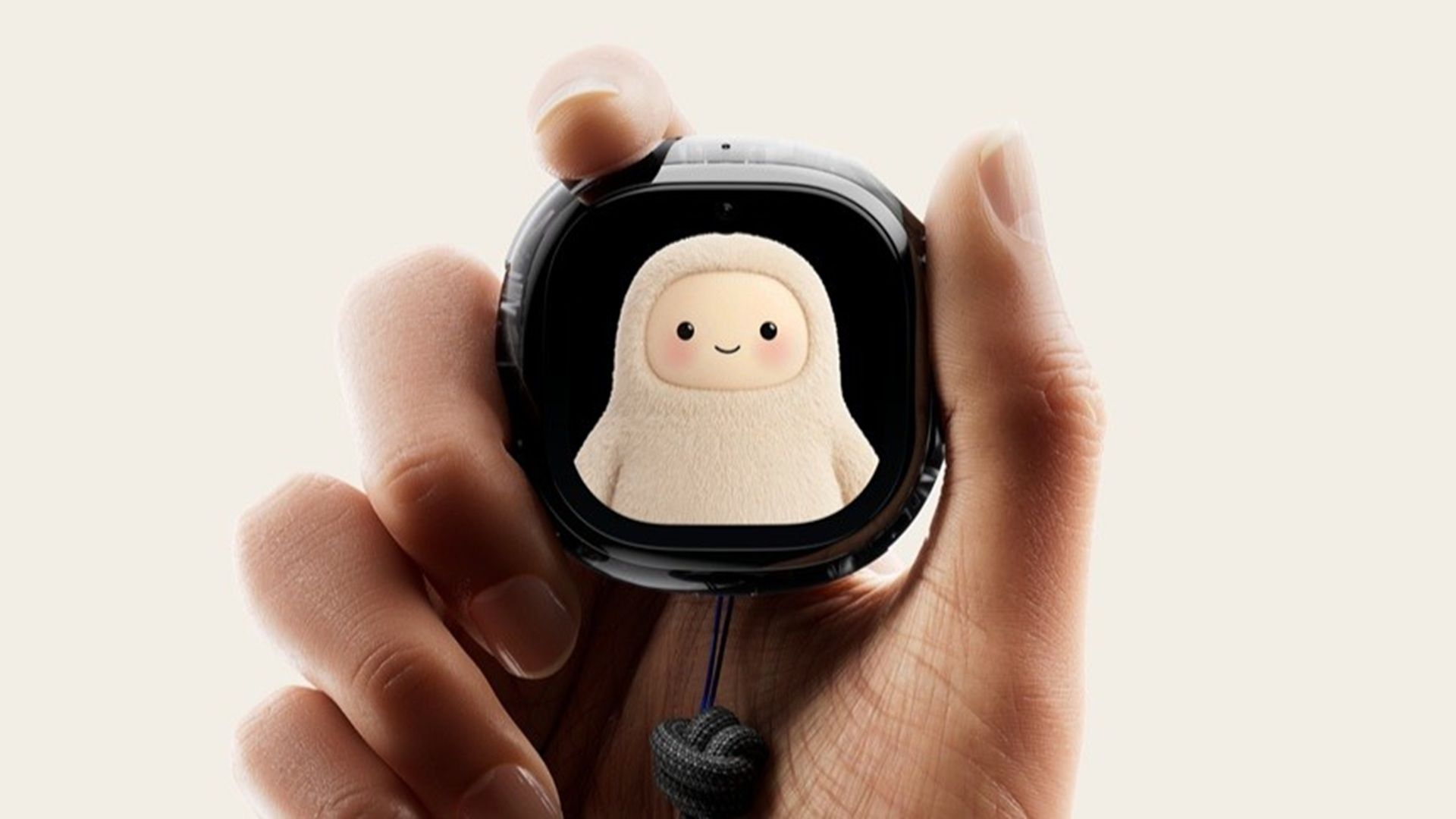
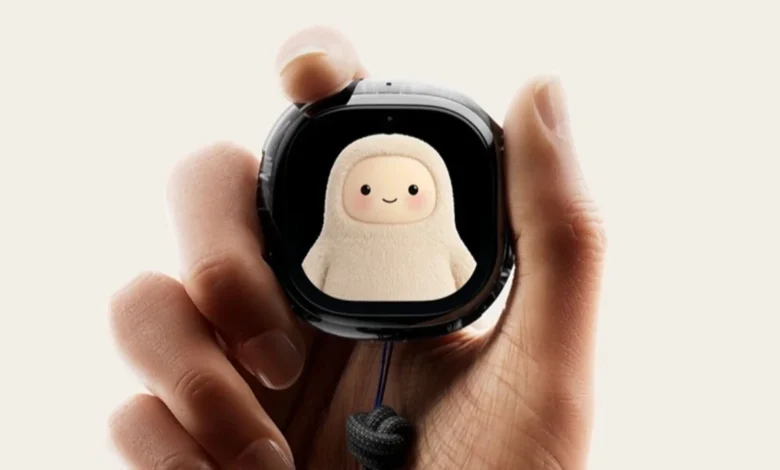
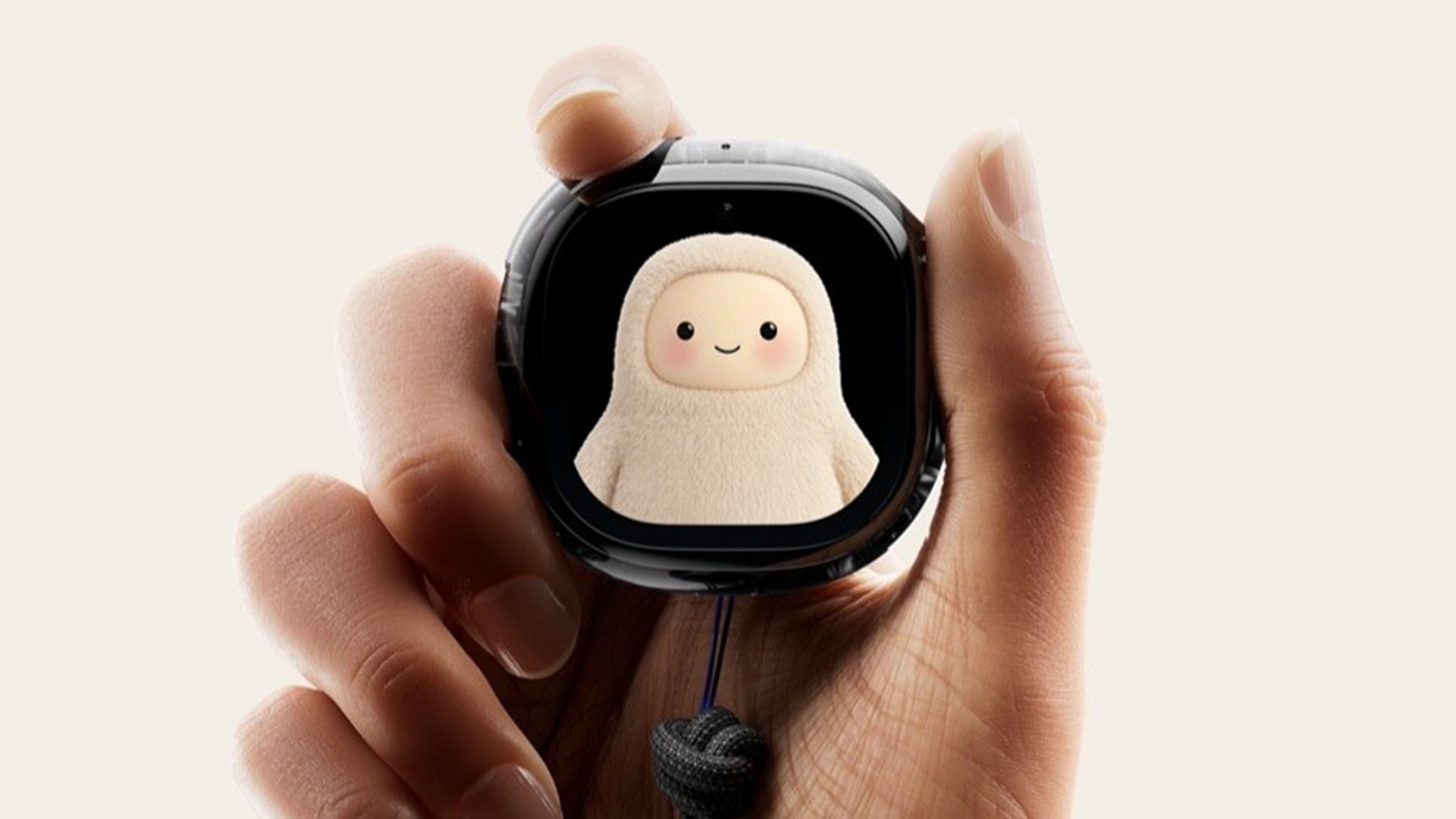
Following the introduction of Muse Spark, Meta captured public attention in September with the physical hardware debut of the "Muse Charm." Resembling a modern, high-tech Tamagotchi, the Muse Charm was introduced as a dedicated wearable AI pendant featuring a 2-inch OLED touchscreen, an integrated camera, a microphone, and onboard speakers. Designed to connect via 5G networks, the Muse Charm was pitched by Meta CEO Mark Zuckerberg as an ultra-fast alternative to smart glasses for users seeking real-time environmental context. The device’s built-in camera allows users to point the charm at physical objects—such as foreign language street signs or architectural landmarks—and ask the AI for instant translation or contextual identification.
However, the simultaneous promotion of dedicated standalone hardware like the Muse Charm and software integration into traditional smartwatches highlights a multi-pronged approach by Meta. While the charm targets users looking for a distinct, novelty gadget, the new Wear OS and Apple Watch integrations target the hundreds of millions of consumers who already wear a smartwatch daily.
Technical Capabilities and User Experience
While Meta has kept specific technical implementation details for the watch applications brief, the core architecture of Muse AI suggests a deeply integrated user experience. On smartwatches, the assistant is expected to leverage both voice input and haptic feedback to deliver responses seamlessly.
The visual identity of Muse AI remains a cornerstone of its branding. Users interacting with the assistant on Wear OS or watchOS will encounter the same expressive, animated avatar introduced during the initial Muse ecosystem reveals. This design choice leans into affective computing—the study and development of systems and devices that can recognize, interpret, process, and simulate human moods and emotions—making the AI feel less like a rigid command-line utility and more like an interactive digital pet or companion.
Industry analysts note that bringing Muse AI to smartwatches fills a crucial gap in Meta’s hardware strategy. While the company has experienced considerable success with its Ray-Ban Meta smart glasses, those devices rely heavily on audio and visual overlays. Smartwatches, conversely, offer a private, text-and-voice-friendly medium that thrives in environments where audio output from glasses might be socially intrusive or impractical.
Strategic Implications for the Wearable AI Market
Meta’s expansion into third-party smartwatch ecosystems places it in direct competition with entrenched ecosystem players like Apple’s Siri, Google’s Gemini, and Samsung’s Galaxy AI integrations. However, Meta’s strategy differs by maintaining cross-platform compatibility, ensuring that users aren’t locked into a specific smartphone brand to access the Muse experience.
By deploying Muse AI across Apple Watch and Wear OS, Meta is effectively decoupling its advanced conversational agent from its own hardware ecosystem. This mirrors the trajectory of other major AI developers who seek ubiquitous presence across operating systems rather than relying solely on proprietary device sales. For consumers, this means greater choice in how and where they access generative AI capabilities.
As wearable technology continues to merge with ambient artificial intelligence, the success of deployments like Muse on smartwatches will likely be measured by battery efficiency, response latency, and the utility of the multi-agent framework in managing micro-tasks throughout the day. With the rollout now underway globally, Meta is positioning its "people-first" AI to be the definitive voice on millions of wrists worldwide.