Pixelated Episode 117 Explores the Future of Android 17 QPR1 and the Evolution of Android on Laptops

The landscape of Google’s mobile ecosystem is undergoing a significant transformation as the company prepares for the next phase of its software lifecycle. In the latest installment of the Pixelated podcast, episode 117, hosts Damien and Will dive into the technical intricacies of the Android 17 QPR1 release and the strategic shift toward bringing a more robust Android experience to the laptop form factor. As Google continues to refine its unified vision for mobile and desktop computing, these updates signal a shift in how users will interact with the Android operating system across diverse hardware platforms.
The Evolution of Android 17 QPR1
The Quarterly Platform Release (QPR) cycle has become the cornerstone of Google’s strategy to maintain momentum between major annual Android version updates. Android 17 QPR1 represents the first significant iteration of the upcoming platform, focusing on stability, performance optimizations, and the introduction of nuanced feature sets that prepare the OS for future hardware innovations.
Historically, Google has utilized QPRs to address early-adopter feedback, patch security vulnerabilities, and introduce "Pixel-exclusive" features that eventually permeate the wider Android ecosystem. In the case of Android 17, the QPR1 update is expected to refine the Material You design language further, ensuring that interface elements remain responsive and aesthetically consistent across varying screen densities. Data from recent developer previews suggests that this update focuses heavily on background process management—a critical area for improving battery life and thermal efficiency in the latest Tensor-powered hardware.
Industry analysts note that by accelerating the QPR cycle, Google is effectively shortening the time-to-market for critical UI changes. This allows the company to pivot quickly based on user telemetry, ensuring that the Android experience remains competitive against iOS in an increasingly fragmented hardware market.
Android on Laptops: A Strategic Pivot
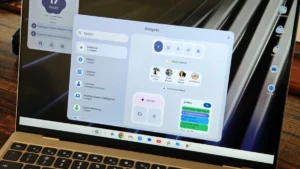
Perhaps the most notable discussion point in Episode 117 is the shifting paradigm of Android on laptops. For years, the integration between Android and ChromeOS has been characterized by cross-device services, such as Phone Hub and Nearby Share (now Quick Share). However, recent technical developments indicate that Google is exploring a more native integration of Android within laptop environments, potentially challenging the traditional divide between mobile and desktop operating systems.
The ambition to run Android on laptops is not merely a software optimization project; it is a response to the growing demand for unified productivity suites. As laptop manufacturers look to bridge the gap between tablet-style touch interactions and traditional keyboard-mouse workflows, the modular nature of the Android interface—specifically its ability to handle multi-window layouts and adaptive resizing—makes it a compelling candidate for a primary laptop OS.

This shift comes at a time when the PC market is experiencing a resurgence in demand for low-power, high-efficiency devices. By leveraging the existing Android app ecosystem, which boasts millions of applications, Google is attempting to solve the "app gap" that has plagued previous attempts at lightweight laptop operating systems. The implication for developers is significant: the requirement to build responsive, form-factor-agnostic applications is no longer optional but essential for future-proofing software in the Google ecosystem.
Chronology and Development Roadmap
To understand the significance of these developments, one must look at the timeline of Google’s recent operating system initiatives:
- Q1 2024: Google emphasizes the "cross-device" strategy, focusing on seamless handoff features between Pixel phones and tablets.
- Q3 2024: Initial whispers of "Android Desktop Mode" improvements appear in open-source commits, signaling a move toward better external display support.
- Current Quarter: The rollout of Android 17 QPR1 marks the formal integration of these desktop-centric features into the stable channel for internal testing.
- Future Outlook: Expectations are high for a unified interface rollout that will allow for native windowing on large-format screens, effectively positioning Android as a viable daily-driver OS for thin-and-light laptops.
This progression highlights a deliberate, multi-year strategy to converge the best elements of mobile fluidity with the multi-tasking capabilities of desktop computing.
The Role of Bitwarden and Proton in the Ecosystem
The latest episode of Pixelated also underscores the importance of security and privacy-centric services in the modern mobile landscape. As sponsors, Bitwarden and Proton Unlimited represent the broader industry trend toward prioritizing user data sovereignty. Bitwarden’s focus on open-source password management aligns with the growing demand for transparent security protocols in an era where credential stuffing and data breaches are at an all-time high.
Similarly, Proton’s suite of services—ranging from encrypted email to cloud storage—reflects the changing expectations of the Android user base. As Google integrates more services into its core OS, users are increasingly turning to third-party solutions to maintain a level of privacy that standard cloud integrations may not satisfy. The support for these tools within the podcast highlights a symbiotic relationship between tech journalism and the privacy-tech sector.
Implications for the Broader Tech Industry
The broader impact of the Android 17 QPR1 release and the focus on laptop integration cannot be overstated. If successful, this could signal the decline of the "separate" OS model. For manufacturers, the ability to ship devices running a native, desktop-optimized version of Android could significantly lower production costs while providing a superior user experience compared to legacy Windows-based budget hardware.
However, the transition is not without challenges. The primary hurdle remains the fragmentation of the hardware ecosystem. Unlike Apple, which maintains a vertical integration strategy covering both hardware and software, Google must ensure that Android performs reliably across a vast array of devices from various manufacturers. The QPR1 release serves as the testing ground for these universal compatibility requirements.

Furthermore, the developer community faces the challenge of optimizing applications for a broader range of input methods. While touch-first applications have long been the standard for Android, the transition to a laptop environment requires a renewed focus on keyboard shortcuts, trackpad gestures, and non-touch navigation. Google’s developer documentation has recently been updated to reflect these needs, providing new frameworks for responsive UI design that adapt based on the detected hardware.
Looking Ahead
As Damien and Will conclude in the podcast, the road ahead for Android is one of convergence and refinement. The Android 17 QPR1 release is more than just a maintenance update; it is a foundational step toward a future where the device in one’s pocket is the same as the workstation on one’s desk.
For the end-user, this means a more cohesive experience where files, settings, and application states are synced effortlessly. For the industry, it marks a significant shift in how operating systems are architected—moving away from monolithic, device-specific builds toward a modular, scalable architecture capable of powering everything from budget phones to high-end laptops.
As Google continues to solicit feedback through platforms like the 9to5Google forums and internal beta testing, the company remains under pressure to balance innovation with stability. The coming months will be critical in determining whether the desktop ambitions of the Android team can meet the high expectations of a professional user base accustomed to the established paradigms of Windows and macOS.
Ultimately, the insights shared in Pixelated episode 117 provide a window into the strategic thinking driving Google’s engineering teams. Whether through the technical deep-dives of QPR updates or the overarching vision for a unified computing platform, the trajectory remains clear: Google is building an ecosystem that transcends the limitations of individual form factors, aiming to deliver a seamless, high-performance experience that is accessible to all. As the update cycle continues, observers will be watching closely to see how these advancements manifest in consumer-ready hardware in the coming year.