Ecommerce Product Roundup: New AI Tools and Logistics Innovations Shaping the Digital Marketplace


The rapid evolution of the digital commerce landscape this week is characterized by a significant pivot toward agentic artificial intelligence, integrated cross-border logistics, and sophisticated reputation management systems. As merchants grapple with shifting consumer behaviors and the complexities of global trade, technology providers are responding with tools designed to automate, secure, and streamline the end-to-end shopping journey. This report provides a detailed examination of the latest releases, partnerships, and platform integrations impacting the ecommerce sector.
The Rise of Agentic Commerce and AI Integration
The most prominent trend emerging this week is the maturation of "agentic" AI—systems capable of performing tasks on behalf of users or merchants with greater autonomy than traditional chatbots.

Amazon Ads has taken a decisive step in this direction by partnering with OpenAI to pilot advertising services directly within ChatGPT. This integration allows advertisers to extend their reach into the conversational interface of the LLM, engaging consumers at the critical decision-making stage of their buyer journey. By embedding brand messaging within AI-driven product discovery, Amazon is signaling a move away from static search-based advertising toward intent-based conversational commerce.
Simultaneously, Mastercard is facilitating the infrastructure for this shift through the introduction of Agent Connect. As AI agents become more prevalent in shopping, they require a standardized way to interact with payment rails and merchant catalogs. Agent Connect provides a unified integration layer, allowing merchants to maintain control over business rules, pricing, and fulfillment while participating in the burgeoning ecosystem of AI-led transactions.
Advancements in Cross-Border Logistics and Payments
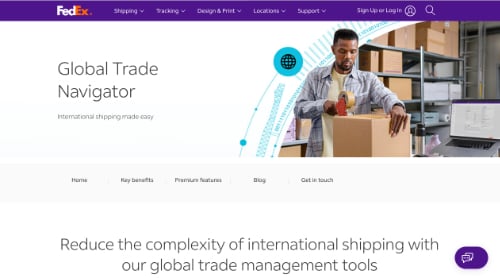
International trade remains a high-friction area for small and medium-sized enterprises (SMEs). To address this, FedEx has unveiled its Global Trade Navigator, a suite of digital tools designed to demystify the complexities of global shipping. By integrating duty and tax guarantees directly into the Shopify checkout process and offering Harmonized System (HS) code classification assistance, FedEx is attempting to reduce cart abandonment rates—a common issue when international customers face unexpected landing costs.
The logistical bottleneck is further being addressed through a strategic partnership between DHL Group and Alibaba.com. By integrating DHL’s freight-forwarding capabilities into Alibaba’s agentic AI platform, Accio, the companies aim to provide SMEs with real-time, AI-driven freight quotes. This integration is designed to reduce the manual overhead associated with shipping, potentially opening up global supply chains to smaller players who previously found the administrative burden of international logistics prohibitive.
In the realm of financial technology, Xflow has launched a specialized service for global businesses to collect payments from India. By enabling merchants to accept local payment methods like UPI and bank transfers without the need to establish a legal entity in the country, Xflow is removing a significant regulatory barrier. This service is backed by major industry players, including Stripe and PayPal Ventures, underscoring the importance of emerging market liquidity in the global ecommerce growth strategy.
Conversational Commerce and Customer Engagement
Social and conversational commerce are undergoing a transformation as brands seek to meet customers on platforms like WhatsApp. Mastercard and Flowcart have initiated a partnership in East Africa to embed secure card payments within chat-based shopping experiences. By eliminating the need for redirects to external websites, the companies are reducing friction in the purchasing funnel.

This trend toward frictionless interaction is mirrored by the launch of Instacart’s "Clementine," an AI-powered grocery shopping assistant. Clementine represents a shift in how grocery technology is being deployed, moving from simple catalog search to a personalized shopping partner that can understand natural language requests and recipe-based shopping lists. This technology is being extended to other retailers via the "Cart Assistant" white-label tool, allowing grocery chains to compete with large-scale marketplaces using their own proprietary customer data.
Furthermore, the collaboration between Telesign and B2Metric highlights the importance of data-driven security. By combining predictive analytics with secure messaging APIs, the partnership seeks to identify high-intent shopping moments while ensuring the communication remains secure, a critical requirement for maintaining consumer trust in automated environments.
Data-Driven Reputation Management and Insights
As competition intensifies, the ability to manage brand reputation and glean actionable insights from customer feedback has become a technical necessity. RankRabbit AI has introduced "Reputation AI," a tool that leverages sentiment analysis to monitor reviews across multiple platforms in real time. By automating the drafting of responses to negative feedback, the tool aims to protect merchant credibility in an era where social proof is a primary driver of conversion.

Complementing this, SurveyMonkey has released an AI Analysis Suite that allows brands to process open-ended survey responses automatically. The ability to distill large volumes of qualitative data into key themes allows merchants to iterate on products and services faster, providing a competitive advantage in customer satisfaction.
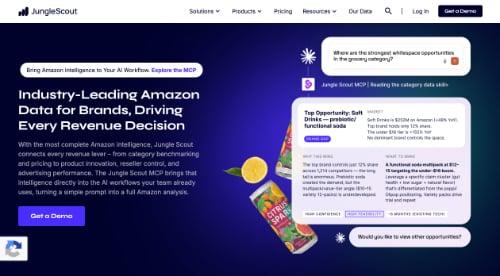
Jungle Scout is similarly focusing on intelligence with its new AI Solutions. By allowing sellers to query their own performance data through "Ask Cobalt," Jungle Scout is enabling merchants to move from passive data monitoring to active strategic planning. This reflects a broader shift toward "AI-native" workflows, where the platform’s role is to act as a strategic advisor rather than merely a repository of information.
Strategic Implications and Market Analysis
The rapid deployment of these technologies suggests a fundamental transition in the ecommerce lifecycle. Historically, merchants invested in distinct silos: a logistics provider, a payment gateway, a customer service desk, and a marketing agency. The recent wave of integrations—such as Mntn’s integration with Klaviyo for connected TV ad targeting or the M11 Labs agentic marketplace—indicates that these silos are collapsing.
The Shift Toward Agentic Infrastructure
The emergence of M11 Labs and its "Universal Commerce Protocol" highlights a nascent concern in the industry: the "trust gap." As AI agents increasingly make purchasing decisions, brands are concerned about their products being misrepresented or omitted. M11 Labs’ platform addresses this by auditing agent claims in real time, a necessary evolution as the "agent economy" matures.
Chronology of Recent Developments (September 2026)
- Early September: Mntn and Klaviyo announce integration of TV ad performance with CRM workflows to optimize cross-channel messaging.
- September 8: Lightsage secures $4 million to build an "agent-led growth" stack, signaling investor confidence in the AI-agent search ecosystem.
- September 9: Xflow launches India collections, targeting global merchants seeking easier access to the Indian consumer market.
- September 10: Ant International partners with Visa and Mastercard to develop "payment agent" standards, focusing on verifying the legitimacy of AI agents in financial transactions.
- Mid-September: Amazon Ads and OpenAI announce their partnership for conversational advertising in ChatGPT, marking a major entry of LLM-based discovery into the Amazon ecosystem.
Broader Economic Context
The emphasis on cross-border logistics and payments, particularly in emerging markets like East Africa and India, suggests that global brands are looking to mitigate domestic market saturation by expanding their footprint. The integration of AI into these processes is not merely a feature enhancement; it is a cost-reduction strategy. By automating classification, freight quoting, and regulatory compliance, companies are lowering the "cost to serve" for international customers.
The industry is currently in a phase of "infrastructure building." While the customer-facing AI tools (like grocery assistants and conversational ads) are the most visible, the backend work—standardizing payment protocols for AI agents and automating the verification of agent behavior—will likely prove more consequential for the long-term stability of the global ecommerce ecosystem. As these technologies reach maturity, the role of the merchant will continue to evolve from managing individual transactions to orchestrating complex, autonomous workflows that operate across multiple digital touchpoints.