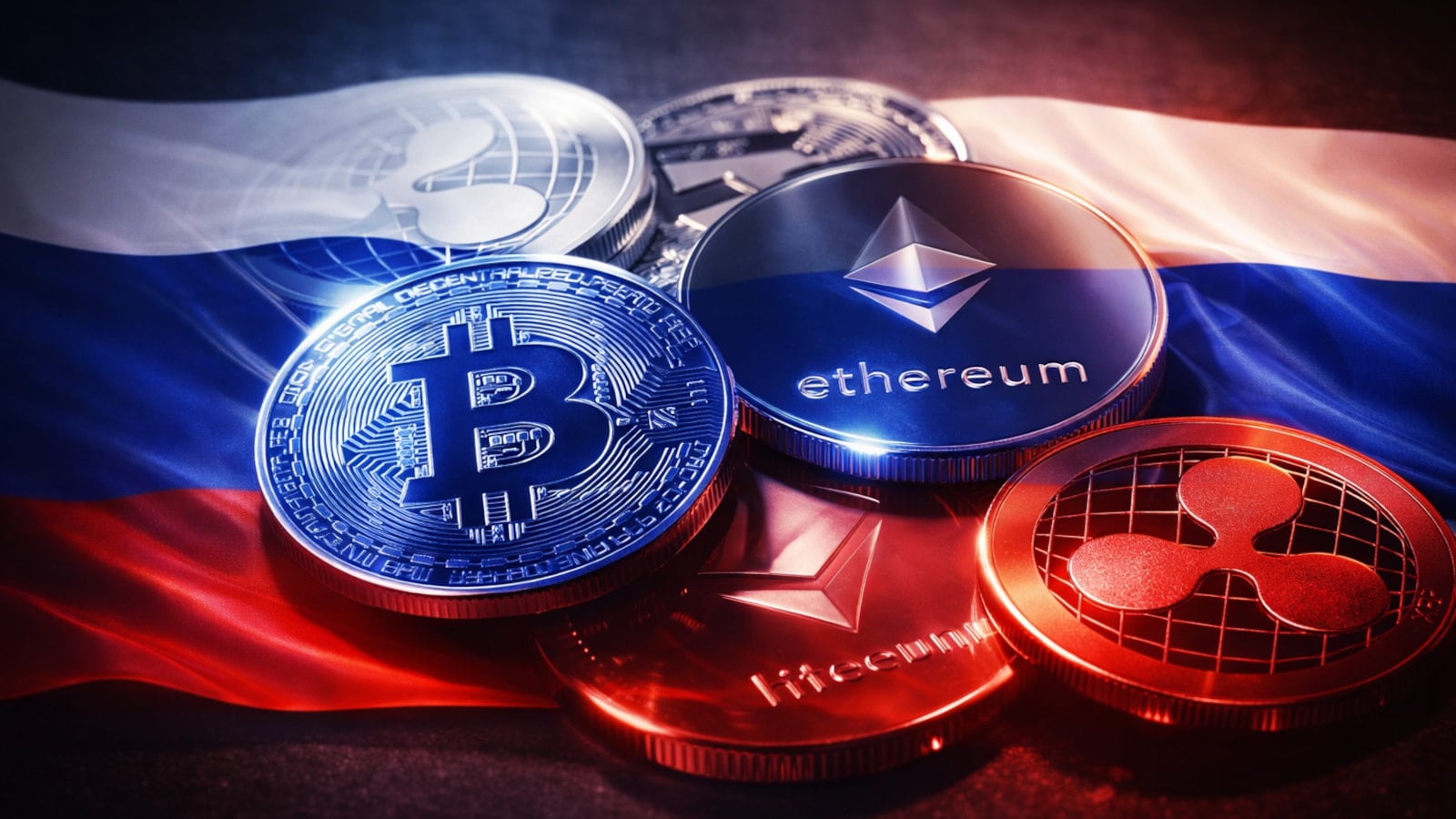
Kyrgyzstan-based cryptocurrency exchange Grinex has announced the suspension of its operations following a significant security breach that resulted in the theft of approximately $13.7 million in digital assets. In a public statement, the exchange pointed fingers at “foreign intelligence agencies,” alleging that the sophisticated nature of the attack and its digital footprint are indicative of state-sponsored actors possessing “unprecedented level of resources and technology.” Grinex asserts that the primary objective of this attack was to “directly harm Russia’s financial sovereignty.” The stolen funds, specifically from cryptocurrency wallets belonging to Russian users, were utilized by Grinex to facilitate crypto-ruble exchange operations for Russian businesses and individuals, effectively offering a pathway to circumventing international financial sanctions.
The Genesis of Grinex and its Sanctioned Past
Grinex, which launched its services in early 2023, has been widely suspected of being a rebrand of Garantex, a Russian cryptocurrency exchange that has faced significant scrutiny and regulatory action. Garantex was previously implicated in processing over $100 million in illicit transactions and facilitating money laundering. In August 2025, the U.S. Department of the Treasury officially imposed sanctions on Grinex, citing evidence that the exchange was a direct continuation of Garantex’s operations. The Treasury’s action highlighted that Grinex was accepting funds from the same actors, facilitating similar illicit activities, and essentially serving the same role as its predecessor in enabling illegal financial operations.
The continuation of these activities by Grinex, despite the sanctions against Garantex, underscored its role in providing Russia with a degree of financial autonomy. This was particularly crucial in enabling transactions and bypassing the stringent international sanctions that have impacted traditional banking and financial systems. A key component of Grinex’s operational infrastructure was the A7A5 stablecoin, a Russian ruble-backed digital currency that was adopted directly from Garantex, further solidifying the perceived link between the two entities and their shared objective of facilitating sanctioned-compliant financial flows.
Chronology of the Attack and Subsequent Developments
The security incident that led to Grinex’s operational halt occurred on Wednesday, with preliminary data from blockchain analytics firm Elliptic pinpointing the theft to approximately 12:00 UTC. The stolen cryptocurrency was subsequently moved to TRON and Ethereum addresses. From these addresses, the funds were reportedly converted into TRX (TRON) and ETH (Ethereum) through the SunSwap decentralized trading protocol, a common tactic employed by cybercriminals to obfuscate the origin of stolen assets.
Further investigations by TRM Labs, another prominent blockchain analytics firm, identified a total of 70 distinct attacker addresses involved in the Grinex hack. In a parallel development, TRM Labs also uncovered a second, related hack targeting TokenSpot, another cryptocurrency exchange operating out of Kyrgyzstan. Significantly, TokenSpot has also been identified as having ties to Grinex. This dual incident suggests a potentially broader, coordinated operation targeting exchanges with similar operational models or user bases.
TRM Labs has further linked TokenSpot to activities that align with geopolitical concerns, including Houthi-linked money laundering operations, weapons procurement, and an information influence operation in Moldova known as InfoLider. The latter has been associated with efforts to advance Russian strategic interests, adding another layer of complexity and potential geopolitical motivation to the cybercriminal activity.
Grinex’s Accusations and Lack of Evidence
Grinex’s attribution of the attack to “foreign intelligence agencies” is a bold claim that, as of this report, lacks substantiation. The exchange’s statement emphasizes the advanced capabilities and resources required for such a breach, implying a state-level actor. The stated aim of harming Russia’s financial sovereignty suggests a geopolitical motive, potentially aiming to disrupt Russia’s ability to circumvent Western sanctions.
However, neither Grinex’s public announcement nor the reports from blockchain analytics firms like Elliptic and TRM Labs have provided any concrete technical evidence or indicators that specifically point to a perpetrator, let alone a particular Western intelligence service. While the scale and sophistication of the attack are undeniable, the leap to attributing it to specific state actors without verifiable proof remains a significant point of contention and skepticism within the cybersecurity and cryptocurrency communities. BleepingComputer has reached out to Grinex for further clarification and evidence regarding their attribution, but no response had been received at the time of publication.
The Broader Implications and Potential Ramifications
The Grinex hack and its subsequent attribution raise several critical questions and highlight ongoing trends in the cryptocurrency landscape.
The Persistent Role of Crypto in Sanctions Evasion
The incident underscores the continued role that cryptocurrency exchanges play in enabling individuals and entities to bypass international sanctions. By offering direct fiat-to-crypto and crypto-to-fiat services, particularly for currencies like the Russian ruble, these platforms provide a vital, albeit illicit, channel for financial activity when traditional banking systems are restricted. The existence and continued operation of Grinex, even after being sanctioned, demonstrates the challenges faced by authorities in fully curtailing such activities.
Geopolitical Dimensions of Cyber Warfare
The accusation of Western intelligence agencies as perpetrators, if true, would signify a significant escalation in the use of cyber warfare for economic and geopolitical objectives. Targeting a financial infrastructure designed to circumvent sanctions could be viewed as a direct countermeasure, aiming to isolate a nation economically. Conversely, if Grinex’s claim is a deflection, it could be an attempt to sow discord and deflect blame from internal security failures or other actors.

The Unverified Claims and the Information War
The lack of verifiable evidence for Grinex’s claims is a crucial aspect. In the current geopolitical climate, accusations of cyberattacks are often weaponized as part of an information war. Unsubstantiated claims can be used to shape narratives, justify actions, or deflect responsibility. The cryptocurrency space, with its inherent anonymity and cross-border nature, is a fertile ground for such disinformation campaigns.
The Interconnectedness of Illicit Finance
The discovery of the TokenSpot hack, linked to Grinex and further connected to activities such as Houthi-linked operations and influence campaigns, illustrates the complex and often interconnected nature of illicit financial networks. These networks can span various geographies and engage in a multitude of criminal activities, from money laundering and sanctions evasion to potentially funding other nefarious operations.
The Need for Robust Cybersecurity and Regulatory Oversight
The Grinex incident serves as a stark reminder of the persistent cybersecurity threats facing cryptocurrency exchanges. The substantial loss of funds highlights the vulnerability of these platforms and the urgent need for enhanced security measures. Furthermore, the ongoing challenges in regulating and overseeing cryptocurrency exchanges operating across jurisdictions underscore the complexities of combating illicit financial flows in the digital age. The case also points to the critical need for greater transparency and accountability from exchanges, particularly those that operate in the shadows of international sanctions.
The incident involving Grinex and the subsequent accusations of state-sponsored involvement, while lacking concrete proof, paints a concerning picture of the evolving landscape of cybercrime, financial warfare, and the persistent use of cryptocurrencies to circumvent global financial regulations. As investigations continue and more information potentially emerges, the full ramifications of this $13.7 million hack and its attributed perpetrators will undoubtedly become clearer, offering further insights into the intricate interplay of technology, finance, and geopolitics.