India Open Network for Digital Commerce Redefines the Global E-commerce Landscape for Small Merchants and International Brands

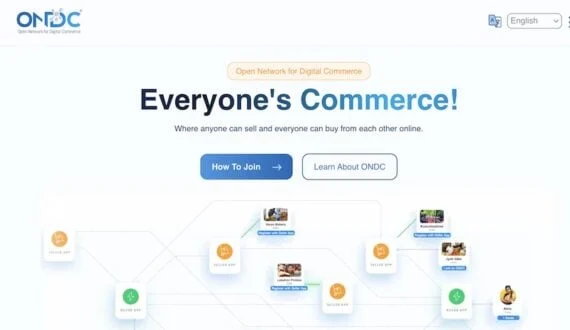
India has officially surpassed China to become the world’s most populous nation, marking a significant demographic shift that carries profound implications for the global digital economy. Despite this massive population, India’s online commerce penetration remains remarkably low when compared to mature markets like the United States or China. However, with approximately 840 million smartphone users and a median age where half the population is under 25, the country is positioned on the precipice of an unprecedented e-commerce explosion. To manage this transition, the Indian government has introduced the Open Network for Digital Commerce (ONDC), a non-profit initiative designed to democratize the digital marketplace and break the duopoly currently held by major multinational platforms.
The introduction of ONDC represents a strategic effort by Indian policymakers to balance the inevitability of digital transformation with the socio-economic necessity of protecting millions of small, physical "mom-and-pop" stores, locally known as kiranas. These small enterprises currently drive an estimated 75% of the national consumer goods sales. By creating a decentralized digital infrastructure, the government aims to ensure that the impending e-commerce boom does not result in the displacement of these traditional merchants, but rather provides them with the tools to compete in a digital-first economy.
The Evolution of the India Stack and the Birth of ONDC
To understand the significance of ONDC, it is essential to view it as the latest layer of the "India Stack"—a set of digital public goods aimed at providing identity, data, and payments services to all citizens. The most successful precursor to ONDC is the Unified Payments Interface (UPI), a government-backed peer-to-peer digital payment infrastructure that has revolutionized how money moves in India. UPI’s success in making digital payments seamless and free has provided the blueprint for ONDC.
While UPI unbundled payments, ONDC seeks to unbundle e-commerce. Historically, e-commerce has been a platform-centric model where a single entity (like Amazon or Flipkart) controls the end-to-end experience, including seller onboarding, customer acquisition, logistics, and dispute resolution. This "walled garden" approach often leads to high commissions for sellers and limited visibility for smaller players who cannot afford aggressive advertising.
ONDC, launched as a pilot in April 2022 and expanded nationwide thereafter, functions as an open-source commerce framework. It is not an application or a platform but a set of specifications designed to foster interoperability. In this ecosystem, a buyer using one app (such as Paytm or Magicpin) can purchase products from a seller listed on an entirely different app (such as Mystore or GoFrugal). This interoperability removes the need for sellers to be present on every single platform to reach a wide audience, effectively leveling the playing field for independent merchants.
Chronology of Development and Implementation
The journey of ONDC began in late 2020 when the Department for Promotion of Industry and Internal Trade (DPIIT) established a task force to explore an open network for e-commerce. The timeline of its rollout reflects a cautious yet ambitious scaling strategy:
- July 2021: The Quality Council of India and the DPIIT officially announce the ONDC project, framing it as a move to curb "digital monopolies."
- April 2022: The pilot phase launches in five cities: Delhi NCR, Bengaluru, Bhopal, Shillong, and Coimbatore. The initial focus is on grocery and food and beverages (F&B).
- September 2022: ONDC opens to the general public in Bengaluru, allowing everyday consumers to test the network through buyer apps.
- 2023: The network sees a massive surge in adoption. By mid-2023, ONDC reports a significant increase in daily transactions, expanding into categories such as mobility (auto-rickshaw and taxi hailing), fashion, and electronics.
- 2024: Global consumer packaged goods (CPG) giants and major logistics providers fully integrate into the network, signaling a transition from a "small merchant" experiment to a mainstream commercial infrastructure.
Supporting Data: The Economic Advantage of Decentralization
One of the most compelling arguments for ONDC is the drastic reduction in the cost of doing business. In the traditional marketplace model, sellers are often subjected to commissions ranging from 18% to 40%, depending on the category and the level of promotional support required. These high fees often make e-commerce unviable for small kirana stores with thin margins.
In contrast, selling fees on ONDC are currently structured between 3% and 10%. This reduction is possible because the network unbundles the services; a seller can choose their own logistics provider and payment gateway rather than being forced to use the platform’s proprietary services. Furthermore, ONDC utilizes a transparent, non-discriminatory algorithm for product sorting. Unlike traditional marketplaces that may prioritize their "in-house" brands or preferred sellers, ONDC’s protocol ensures that ratings and visibility are portable and based on merit rather than platform-specific advertising spend.
The scale of the opportunity is further highlighted by India’s digital demographics. With 840 million smartphone users, the addressable market for ONDC is larger than the entire population of Europe. Currently, only about 10% to 15% of these users actively shop online, leaving a massive "middle-India" segment that ONDC aims to capture by offering hyper-local delivery and vernacular language support through various buyer apps.
The Roles of Buyer and Seller Applications
The ONDC ecosystem is bifurcated into two distinct types of applications, each serving a specific side of the transaction:
Seller Apps: These are the gateways for merchants to enter the network. They provide the software necessary for kiranas and brands to list their products, manage inventory, and receive orders. Prominent seller apps include Mystore, which focuses on D2C brands; GoFrugal, which targets retail ERP integration; and CostBo, which assists with supply chain management. These apps empower sellers to maintain control over their data and customer relationships, which are often obscured in traditional marketplace models.
Buyer Apps: These are the consumer-facing interfaces. Instead of downloading a specific "ONDC App," consumers use existing platforms they already trust. Financial giants like Paytm and Bajaj Finserv, along with hyper-local discovery platforms like Magicpin, have integrated ONDC into their interfaces. This allows a user to buy groceries or order food directly within their banking or payment app, tapping into the ONDC network of local sellers.
Responses from Industry Stakeholders and Global Brands
The reaction to ONDC has been a mix of cautious optimism from local merchants and strategic adoption by global conglomerates. For small kirana owners, ONDC represents a "digital lifeline." Many have expressed that while they were previously intimidated by the complexity and costs of Amazon or Flipkart, the localized and lower-cost nature of ONDC feels more accessible.
Interestingly, the network has also attracted major international brands. Companies such as Unilever, Nestle, PepsiCo, Red Bull, Procter & Gamble, L’Oreal, and Johnson & Johnson have established a presence on ONDC. For these global entities, ONDC serves as an efficient additional distribution channel. It allows them to bypass the high costs of quick-commerce intermediaries like Blinkit or Zepto for certain transactions, while still benefiting from the hyper-local delivery speeds that ONDC’s logistics partners provide.
Government officials have been vocal about the network’s transformative potential. T. Koshy, the CEO of ONDC, has frequently stated that the goal is to "democratize e-commerce" in the same way that the internet democratized information. The government views this as a matter of national economic sovereignty, ensuring that the digital rails of commerce are not owned by a few foreign entities but are instead a public good available to all.
Broader Impact and Implications for the Future
The implications of ONDC extend far beyond the borders of India. If successful, the ONDC model could serve as a global template for other nations looking to regulate Big Tech and protect local economies. By treating e-commerce infrastructure as a utility rather than a private monopoly, India is pioneering a "Third Way" of digital development—one that sits between the completely private-led model of the U.S. and the state-controlled model of China.
However, challenges remain. Technical literacy among the millions of kirana owners is a significant hurdle. While the apps are designed to be user-friendly, the transition from a cash-based, physical ledger system to a digital inventory management system requires massive outreach and education. Additionally, ensuring consistent delivery quality and dispute resolution across a decentralized network of thousands of independent logistics providers is a complex operational task that ONDC is still refining.
For foreign sellers and brands, ONDC offers a unique entry point into the Indian market, but it requires a nuanced understanding of local regulations. India has strict laws regarding Foreign Direct Investment (FDI) in e-commerce, which often limit foreign entities to a marketplace model rather than an inventory-led model. Navigating these rules while leveraging the ONDC ecosystem allows brands to reach the "next 500 million" consumers who are just now beginning their digital shopping journeys.
In conclusion, ONDC is more than just a technological upgrade; it is a fundamental restructuring of the retail economy. As the network continues to expand into services like fashion, home decor, and even financial services, it will likely become the backbone of India’s trillion-dollar digital economy. For the world, it provides a compelling case study in how public policy and open-source technology can work together to create a more equitable and competitive global marketplace.