Samsung Extends Wear OS Software Support for Galaxy Watch 9 and Galaxy Watch Ultra 2 to Five Years, Setting a New Industry Standard

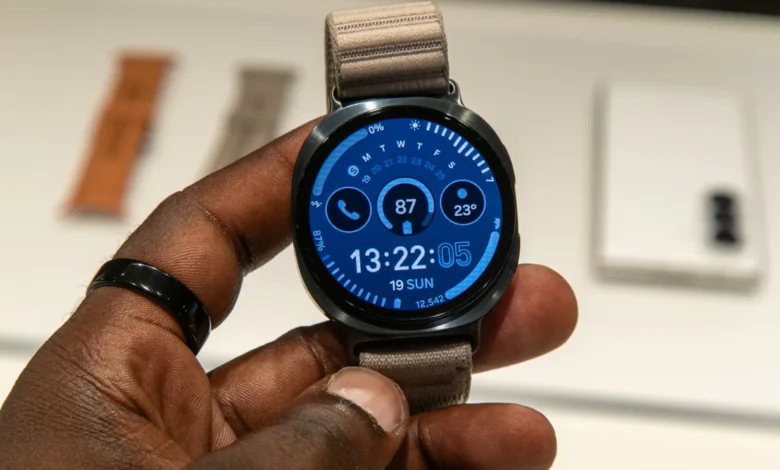
In a significant move poised to reshape consumer expectations for smartwatch longevity, Samsung has officially announced an unprecedented five years of major Wear OS software upgrades and five years of security updates for its newly unveiled Galaxy Watch 9 and Galaxy Watch Ultra 2. This commitment, revealed discreetly following the high-profile Galaxy Unpacked event in London on July 22, substantially elevates the benchmark for software support in the wearable technology market, surpassing both previous Samsung offerings and key competitors. The announcement, initially overshadowed by the launch of Samsung’s latest foldable smartphones, the Galaxy Z Fold 8 series, underscores a strategic shift towards enhanced product lifespan and sustained value for consumers investing in its premium smartwatches.
A New Benchmark in Wearable Longevity
The extension of software support to five major Wear OS upgrades marks a notable progression from Samsung’s prior policy, which offered four major OS updates alongside five years of security patches. This incremental yet impactful change places Samsung at the forefront of the Android smartwatch ecosystem regarding post-purchase commitment. For consumers, this translates into a device that remains current with the latest features, performance enhancements, and, critically, robust security protocols for an extended period. With both the Galaxy Watch 9 and Galaxy Watch Ultra 2 shipping with One UI 9, based on the recently unveiled Wear OS 7, users can anticipate receiving updates well into 2031, potentially culminating in Wear OS 12. This extended lifecycle is particularly crucial in a rapidly evolving tech landscape where software innovation frequently introduces new functionalities and essential security patches.
The competitive landscape highlights the significance of Samsung’s announcement. Google, the developer of the Wear OS platform, currently provides three years of software updates for its own Pixel Watch lineup. This disparity positions Samsung as a leader in supporting its devices, potentially influencing future policies across the Android wearable segment. While Apple, a dominant force in the smartwatch market, operates within its proprietary watchOS ecosystem, its devices typically receive updates for several years, though specific commitments vary. Samsung’s move directly challenges other Android wearable manufacturers to re-evaluate their own support strategies, fostering a more competitive environment beneficial to consumers.
The Genesis of the Announcement: Galaxy Unpacked 2024
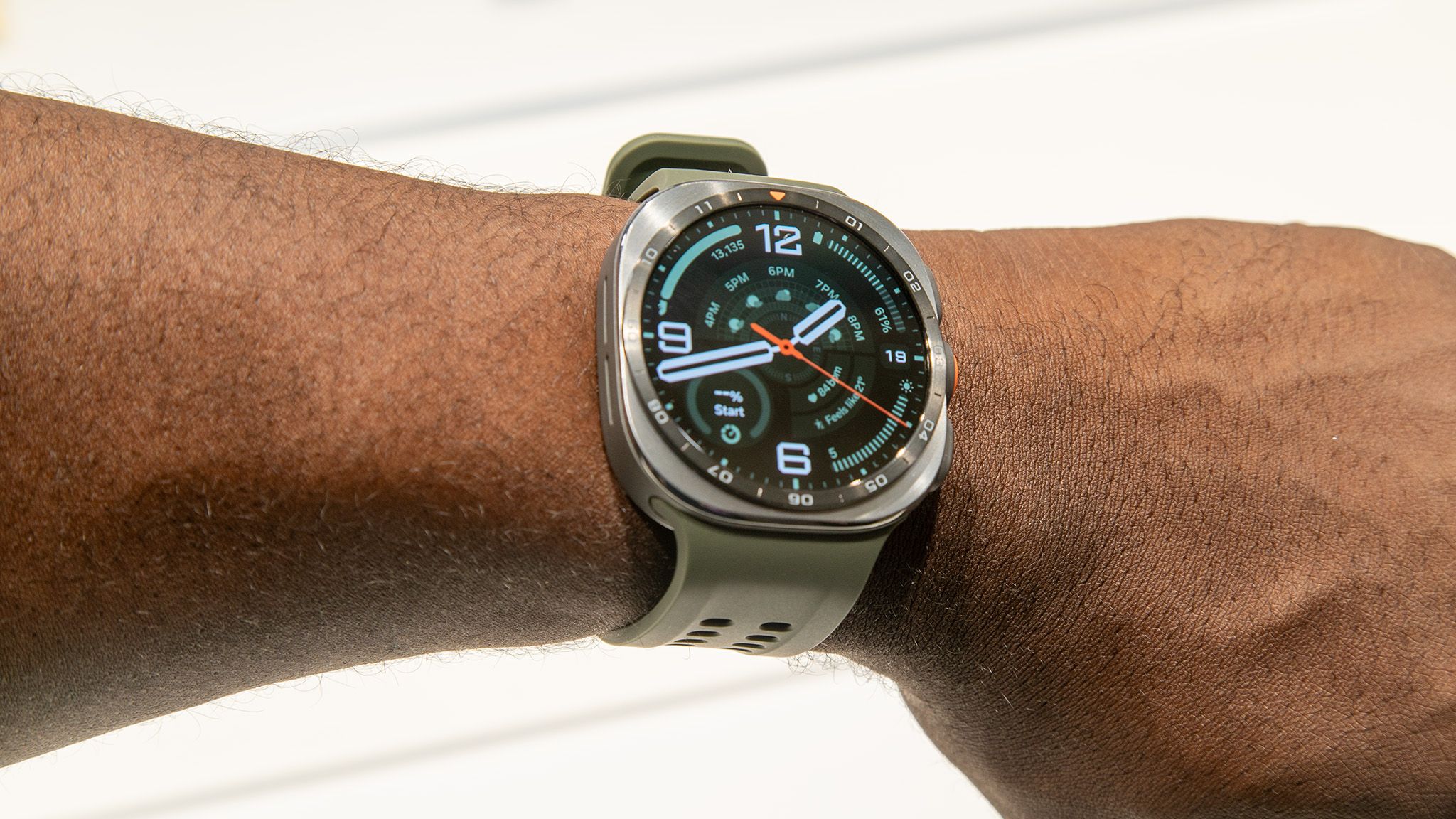
The revelation of this extended support policy followed the much-anticipated Galaxy Unpacked event held in London on July 22. This global showcase traditionally serves as Samsung’s platform for unveiling its flagship devices, and the 2024 edition was no exception. While the event primarily focused on the revolutionary advancements in the Galaxy Z Fold 8 series, featuring cutting-edge foldable display technology and enhanced multitasking capabilities, Samsung also took the opportunity to introduce its latest wearable innovations. The Galaxy Watch 9 and Galaxy Watch Ultra 2 were presented as companions to the foldable phones, boasting meaningful upgrades such as larger batteries, improved fitness tracking capabilities, and refined design aesthetics. However, the critical detail regarding the extended software support was not prominently featured during the main keynote presentation, leading to its discovery post-event by tech observers like SamMobile. This understated unveiling suggests that while a significant commitment, Samsung opted to let the core product features of its foldables and the immediate hardware enhancements of the watches take center stage, allowing the software support detail to emerge as a pleasant surprise for prospective buyers and industry analysts.
The Galaxy Unpacked event itself is a testament to Samsung’s ongoing strategy of fostering a comprehensive ecosystem of interconnected devices. By launching new smartwatches alongside its flagship phones, Samsung aims to offer a seamless user experience across its product portfolio, encouraging brand loyalty and ecosystem lock-in. The smartwatches, therefore, are not merely standalone gadgets but integral components of a broader Samsung-centric digital lifestyle.
Technological Foundations: The Snapdragon Wear Elite Chipset
A key enabler for this expanded software commitment is the integration of the new Snapdragon Wear Elite chipset within the Galaxy Watch 9 and Galaxy Watch Ultra 2. This advanced processor represents a significant leap forward in wearable technology, built on an efficient 3-nanometer (3nm) manufacturing process. The transition to a smaller process node allows for a greater number of transistors to be packed into a smaller area, leading to improved performance, enhanced power efficiency, and reduced heat generation. Qualcomm, the developer of the Snapdragon Wear Elite, claims that this new chip delivers up to 32% better performance compared to its predecessor.
This performance boost is not merely about faster app loading or smoother animations; it’s fundamental to the long-term viability of the device. More powerful hardware can comfortably handle future Wear OS iterations, which are likely to introduce more demanding features, sophisticated AI algorithms, and advanced sensor processing. By designing these watches with a robust, future-proof chipset, Samsung ensures that the hardware can keep pace with software advancements for the entire five-year support window. This symbiotic relationship between advanced hardware and extended software support is critical for maintaining a premium user experience over time. Without a powerful underlying architecture, even the most generous software update policy would eventually fall short, leading to degraded performance and user frustration. The 3nm process also contributes to the larger batteries mentioned, allowing for potentially longer battery life even with increased processing demands, further enhancing the appeal of these new smartwatches.
A Chronology of Samsung’s Software Support Evolution
Samsung’s journey in wearable software support has been marked by continuous evolution and strategic shifts. Historically, Samsung’s smartwatches predominantly ran on its proprietary Tizen OS. While Tizen offered a unique user experience and robust performance, its limited app ecosystem eventually led Samsung to collaborate with Google. This partnership culminated in the adoption of Wear OS for its Galaxy Watch 4 series onwards, beginning a new era for Samsung’s wearables.
- Pre-2021 (Tizen OS Era): Samsung provided regular updates for its Tizen-based smartwatches, but these were typically tied to Tizen OS versions rather than Wear OS. Support duration varied, but the focus was on enhancing Samsung’s own ecosystem.
- 2021 (Galaxy Watch 4 Series – Wear OS Debut): With the Galaxy Watch 4, Samsung made a pivotal shift to Wear OS, co-developed with Google. At this point, Samsung committed to offering four major Wear OS upgrades and five years of security updates. This was already a leading policy within the Android wearable space and a strong differentiator.
- 2022-2023 (Subsequent Galaxy Watch Generations): The Galaxy Watch 5 and Watch 6 series continued with this established four-major-OS-updates and five-year-security-updates policy, consistently outperforming Google’s own Pixel Watch in terms of promised longevity.
- July 2024 (Galaxy Watch 9 & Ultra 2 – Policy Expansion): The latest announcement signifies an expansion to five major Wear OS upgrades, while maintaining the five years of security updates. This represents a conscious decision by Samsung to push the boundaries further, aligning with a broader industry trend towards longer device support across various product categories.
This chronology illustrates Samsung’s consistent effort to provide superior software longevity, first within its Tizen ecosystem and now as a key player in the Wear OS arena. The latest policy is not an anomaly but a logical progression of a long-standing commitment to customer value and product lifecycle.
Market Context and Competitive Landscape
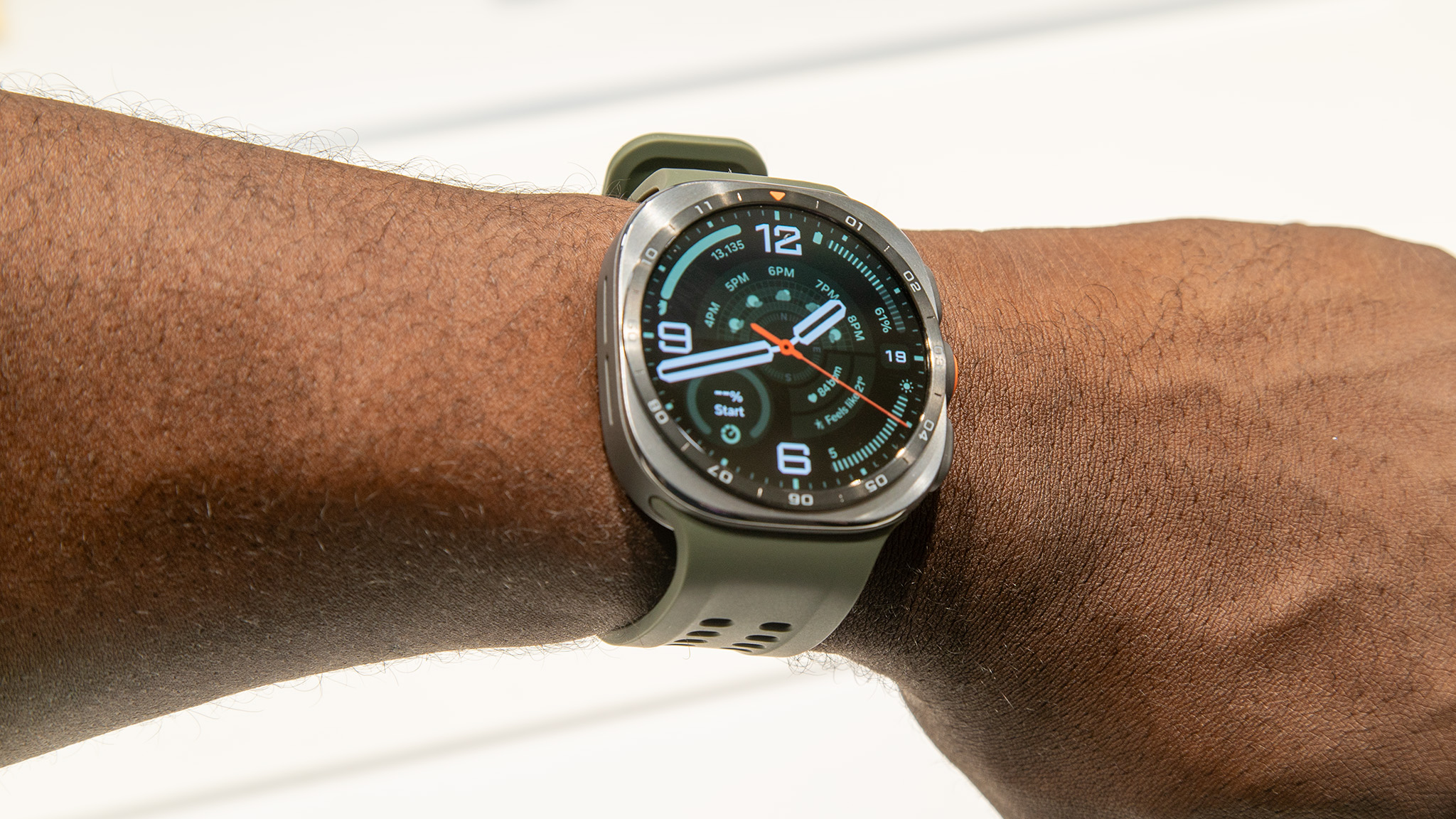
The global smartwatch market is fiercely competitive, dominated by a few key players. Apple, with its Apple Watch series, commands a significant market share, particularly in premium segments. In the Android ecosystem, Samsung stands as the primary competitor, alongside Google’s Pixel Watch and various offerings from brands like Garmin, Fitbit (now owned by Google), and Fossil.
- Apple Watch: While Apple doesn’t explicitly state "X years of OS updates," Apple Watches typically receive watchOS updates for 5-6 years, sometimes even longer, depending on the model. This sets a high bar for perceived longevity.
- Google Pixel Watch: As mentioned, Google’s policy of three years of software updates for its Pixel Watch has been a point of contention among some users and analysts, especially given its premium pricing. Samsung’s new policy puts direct pressure on Google to potentially re-evaluate its stance, particularly as Wear OS is a Google product.
- Other Wear OS Manufacturers: Brands like Fossil, Mobvoi, and others in the Wear OS space have historically offered shorter update cycles, often struggling with timely updates due to hardware limitations or differing priorities. Samsung’s move could force these players to either improve their offerings or risk falling further behind in consumer appeal.
- Fitness Trackers (Garmin, Fitbit): While not direct competitors in the "smartwatch" sense for all features, these brands focus heavily on health and fitness tracking, offering robust app ecosystems and long battery life. Their software support models differ, often focusing on feature enhancements rather than annual OS upgrades.
Samsung’s extended support can be seen as a strategic differentiator in this crowded market. In an era where consumers are increasingly conscious of environmental impact and seeking better value for their investments, a longer-supported device is a powerful selling point. It helps justify the premium price tags of the Galaxy Watch 9 ($380 starting) and Galaxy Watch Ultra 2 ($700 starting), making them more attractive long-term propositions compared to alternatives with shorter lifespans.
Implications for Consumers, Industry, and Sustainability
The implications of Samsung’s extended software support are far-reaching, affecting consumers, the wider tech industry, and even environmental sustainability efforts.
- For Consumers: Enhanced Value and Longevity: The most immediate benefit for consumers is the significantly enhanced value proposition. A smartwatch is an investment, and knowing it will receive critical updates for five years provides peace of mind. This means access to new features, improved performance, and, crucially, continued security against emerging threats. It also delays the need for an upgrade, potentially saving money and reducing purchasing frequency. For users who appreciate cutting-edge technology but also seek durability and sustained performance, this policy makes Samsung’s latest smartwatches highly compelling.
- For the Industry: Raising the Bar and Competitive Pressure: Samsung’s move is likely to put considerable pressure on other smartwatch manufacturers, especially those within the Wear OS ecosystem, to match or even exceed this level of commitment. Google, in particular, may find its three-year policy for Pixel Watch increasingly difficult to justify in comparison. This competitive pressure could ultimately lead to an industry-wide improvement in software support, benefiting all consumers. It also highlights a growing trend across the tech sector, where consumers are demanding longer support for all devices, from smartphones to laptops and now wearables.
- Sustainability and Reduced E-Waste: In an era of increasing environmental consciousness, longer software support contributes positively to sustainability efforts. By extending the usable life of a device, the need for frequent upgrades is reduced, thereby minimizing electronic waste (e-waste). E-waste is a significant global environmental concern, and initiatives that promote device longevity play a crucial role in mitigating its impact. Samsung’s commitment aligns with broader corporate social responsibility goals and resonates with environmentally aware consumers.
- Future-Proofing the Wearable Experience: With Wear OS continually evolving, incorporating more advanced health tracking, AI capabilities, and smart home integrations, a longer support window ensures that users can fully experience these innovations as they roll out. The new Snapdragon Wear Elite chipset, combined with five years of OS updates, means these watches are better "future-proofed" against obsolescence, allowing them to adapt to future technological paradigms.
Pricing, Availability, and the Value Proposition
The Galaxy Watch 9 starts at $380 in the U.S., while the premium Galaxy Watch Ultra 2 is priced at $700. Both models are slated for availability starting August 7. While these price points position them at the higher end of the smartwatch market, the extended software support significantly enhances their long-term value. For an investment of several hundred dollars, consumers are now assured that their device will remain technologically relevant and secure for half a decade. This extended lifecycle helps to amortize the initial cost over a longer period, making the overall ownership experience more economical and satisfying.
The Galaxy Watch 9, as the standard model, offers a compelling balance of features and affordability, while the Galaxy Watch Ultra 2 aims at the enthusiast market with its robust build, advanced features, and higher price tag. In both cases, the five-year software commitment reinforces Samsung’s dedication to providing a premium and enduring product experience. This strategic decision by Samsung, though quietly announced, is a powerful statement about its confidence in its hardware and software capabilities, and its commitment to fostering a more sustainable and value-driven approach in the dynamic wearable technology market. It sets a new standard that will undoubtedly shape consumer expectations and competitive strategies for years to come.