Msi Gaming Teases Its Own Steam Deck Competitor
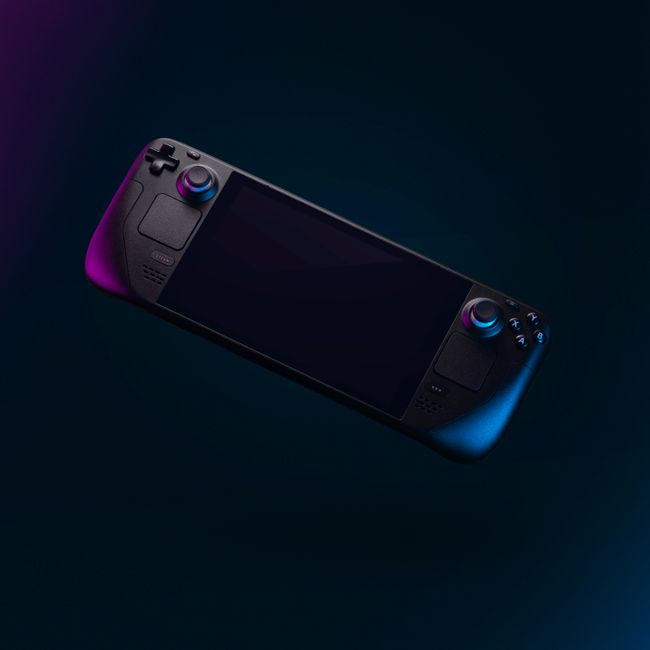
MSI Gaming Teases Own Steam Deck Competitor: A Deep Dive into the Potential and Implications
The handheld gaming PC market is poised for a significant shake-up, with MSI Gaming, a titan in the PC hardware and gaming laptop space, reportedly on the cusp of launching its own contender to Valve’s highly successful Steam Deck. While concrete details remain scarce, a steady stream of leaks, official teasers, and industry whispers paints a compelling picture of a device that could significantly alter the landscape of portable PC gaming. This article will dissect the available information, explore the potential specifications and features, and analyze the profound implications of MSI’s entry into this burgeoning market.
The initial hints of MSI’s ambition emerged through patent filings and regulatory database entries, a common precursor to product launches for major manufacturers. These early indicators pointed towards a dedicated handheld device, distinct from their existing line of gaming laptops or portable consoles like the MSI Claw, which utilizes Intel processors. The focus appears to be on a device specifically engineered for the unique demands of handheld PC gaming, suggesting a more refined and potentially more powerful offering than previous attempts by other manufacturers to adapt existing technologies. The term "Steam Deck competitor" is not merely speculative; it reflects Valve’s significant market penetration and the establishment of a de facto standard for this new gaming category. MSI’s strategic move suggests a recognition of the immense potential and a desire to capture a substantial share of this growing audience.
Key to any Steam Deck competitor’s success will be its hardware specifications. While official announcements are absent, industry analysts and tech enthusiasts have been piecing together a plausible set of components. The prevailing theory centers around AMD’s APUs (Accelerated Processing Units), a logical choice given their proven performance in compact gaming devices. The Steam Deck itself leverages a custom AMD APU, and it’s highly probable that MSI will opt for a similar, or even an upgraded, architecture. This could include AMD’s Zen 2 or Zen 3 CPU cores paired with RDNA 2 or RDNA 3 graphics. The performance implications of this are substantial: higher clock speeds, more compute units, and improved power efficiency could translate to better frame rates, higher graphical fidelity, and longer battery life – all critical factors for a handheld gaming experience. RAM is another crucial element. The Steam Deck utilizes 16GB of LPDDR5, a configuration that has proven to be a sweet spot for current PC game requirements in a handheld form factor. It’s reasonable to assume MSI will match or exceed this, potentially offering higher clock speeds or even more capacity in higher-tier models.
The display is another area where MSI can differentiate itself. The Steam Deck features a 7-inch, 1280×800 IPS display with a 60Hz refresh rate. While serviceable, this is an area ripe for improvement. MSI could opt for a higher resolution display, perhaps 1080p, for a sharper image. A higher refresh rate, such as 90Hz or even 120Hz, would significantly enhance the smoothness of gameplay, particularly in fast-paced titles. Furthermore, the inclusion of OLED technology is a distinct possibility. OLED panels offer superior contrast ratios, deeper blacks, and more vibrant colors, which would undoubtedly elevate the visual experience. The size of the display is also a factor, with 7.5 to 8 inches being a likely sweet spot that balances portability with screen real estate.
Storage options are also a critical consideration. The Steam Deck offers 64GB, 256GB, and 512GB NVMe SSD configurations. Given the increasing size of modern PC games, MSI will likely offer similar or larger internal storage options. The inclusion of an SD card slot for expandable storage, as seen on the Steam Deck, is almost a given. However, faster SD card standards, such as UHS-II, could offer quicker loading times for games installed on external media.
Ergonomics and control schemes are paramount for any successful handheld device. The Steam Deck’s unique controller layout, featuring two trackpads, joysticks, and a full array of buttons and triggers, has been a key factor in its adaptability to various PC game genres. MSI has a wealth of experience in designing comfortable and functional input devices for its gaming laptops and peripherals. It’s expected that they will bring this expertise to bear on their handheld. This could involve a refined button layout, improved joystick resistance, and potentially innovative control solutions. The build quality and materials used will also be crucial for long-term comfort and durability. A premium finish and solid construction would further distinguish MSI’s offering.
The software ecosystem is arguably the most significant challenge for any Steam Deck competitor. Valve’s SteamOS, built on Linux, is heavily optimized for the Steam Deck and boasts excellent compatibility with a vast library of Steam games through its Proton compatibility layer. For MSI’s device to succeed, it needs a compelling software strategy. This could involve several approaches. One possibility is a custom Linux distribution pre-loaded with Steam and optimized for their hardware. Another, perhaps more challenging but potentially more user-friendly, option is the inclusion of a Windows operating system. While Windows on a handheld introduces its own set of optimization challenges, it would grant immediate access to the entirety of the Windows gaming ecosystem, including games not available on Steam or those with poor Linux compatibility. MSI would then need to develop robust drivers and software to ensure a seamless Windows experience on their portable hardware. The integration with MSI’s existing software suite, such as MSI Center for performance monitoring and customization, is also a likely feature.
Beyond the core hardware and software, several other features could set MSI’s device apart. The inclusion of a high-quality integrated speaker system would enhance the audio experience without the need for headphones. Fast charging capabilities are a necessity for any portable device, and MSI could implement proprietary fast-charging technology to minimize downtime. The potential for modularity or upgradeability, while a complex undertaking in a handheld form factor, could also be a differentiator for enthusiasts. Advanced cooling solutions, drawing on MSI’s expertise in thermal management for high-performance laptops, could enable sustained peak performance without excessive fan noise.
The implications of MSI entering the handheld PC gaming market are far-reaching. Firstly, it signifies a growing maturity and mainstream acceptance of this nascent category. Valve’s success with the Steam Deck proved the demand, and MSI’s entry validates it as a significant market segment worth investing in for major hardware manufacturers. This competition will undoubtedly drive innovation, leading to better-performing, more feature-rich, and potentially more affordable handheld gaming PCs for consumers.
Secondly, MSI’s brand recognition and established distribution channels could significantly broaden the appeal of handheld PC gaming. While the Steam Deck has garnered considerable attention, it is still primarily associated with PC gaming enthusiasts and those already within the Valve ecosystem. MSI, with its broad consumer base and global presence, has the potential to introduce handheld PC gaming to a wider audience, including console gamers and casual PC users.
Thirdly, the competition will likely force other manufacturers to accelerate their own handheld development efforts. Companies like ASUS with their ROG Ally, and potentially others, will need to innovate aggressively to remain competitive. This increased competition could lead to a wider variety of form factors, price points, and feature sets, offering consumers a greater choice than ever before. The market could mature rapidly, with specialized devices catering to different needs, from budget-friendly options to high-end, flagship experiences.
However, challenges remain. The primary hurdle for any Steam Deck competitor is achieving seamless compatibility with a wide range of PC games. Valve’s Proton has made incredible strides, but it’s not a perfect solution for all titles. MSI will need to either leverage an existing compatibility layer or develop their own robust solution. Furthermore, the price point will be a critical factor. The Steam Deck’s competitive pricing has been a major driver of its success. MSI will need to find a balance between offering premium features and maintaining an attractive price. The power efficiency of the chosen hardware will also be crucial, as it directly impacts battery life, a fundamental aspect of the handheld experience.
In conclusion, MSI Gaming’s rumored foray into the handheld PC gaming market, as a direct competitor to the Steam Deck, represents a pivotal moment for the industry. The potential for enhanced specifications, improved display technology, and refined ergonomics, coupled with MSI’s established brand and market reach, could democratize and elevate the handheld PC gaming experience. The ensuing competition promises to foster rapid innovation, ultimately benefiting consumers with a broader and more compelling selection of portable gaming devices. The success of such a venture will hinge on MSI’s ability to navigate the complex software landscape, deliver a compelling user experience, and strike the right balance between performance, features, and affordability. The coming months will be crucial in unveiling the full scope of MSI’s ambitions and witnessing how this highly anticipated device shapes the future of gaming on the go.


