Navigating the Rise of Social Media Search Engines: How Platforms Are Replacing Traditional Discovery and What It Means for Brands

The digital information landscape is undergoing a fundamental structural shift as billions of internet users bypass traditional search engines in favor of typing queries directly into social media platforms. Rather than relying passively on algorithmic feeds or navigating domain-heavy search results pages, contemporary audiences—led predominantly by digitally native generations—are treating networks like TikTok, Instagram, YouTube, and LinkedIn as primary search engines. This transition has forced digital marketers, content creators, and enterprise strategists to rethink their search optimization frameworks, moving far beyond legacy website-centric tactics to capture high-intent users directly inside mobile apps.

Understanding the Mechanics of Active Social Search
A social media search engine is defined by active query behavior, wherein a user inputs specific search strings into a platform’s search bar rather than passively scrolling through a curated feed. This distinction separates algorithmic content delivery from intentional information retrieval. Recent data from the Pew Research Center underscores the scale of this behavioral shift among younger demographics. Statistics indicate that 90% of U.S. teens routinely use YouTube, while 63% utilize TikTok. Furthermore, approximately one in five teens report being on these platforms almost constantly. As Generation Alpha transitions into their teenage years, they arrive with deeply ingrained expectations of immediate, media-rich, and conversational answers delivered via mobile devices.

Tech platforms have actively accommodated this evolution. Major networks including TikTok, Instagram, and YouTube have integrated advanced artificial intelligence features into their search interfaces. These enhancements include intelligent query suggestions embedded directly within comment threads, keyword-driven searches that transcend traditional hashtags, and automated results summaries grouped by complex topics. Consequently, search functionality has evolved from a secondary app feature into a foundational navigation surface. Generations Z and Alpha actively seek out curated, easily digestible content produced by creators and brands they perceive as authentic, frequently favoring social platforms over Google or Bing when discovering, evaluating, and saving information using a single mobile interface.
Contrasting Social Search with Traditional Search Infrastructure
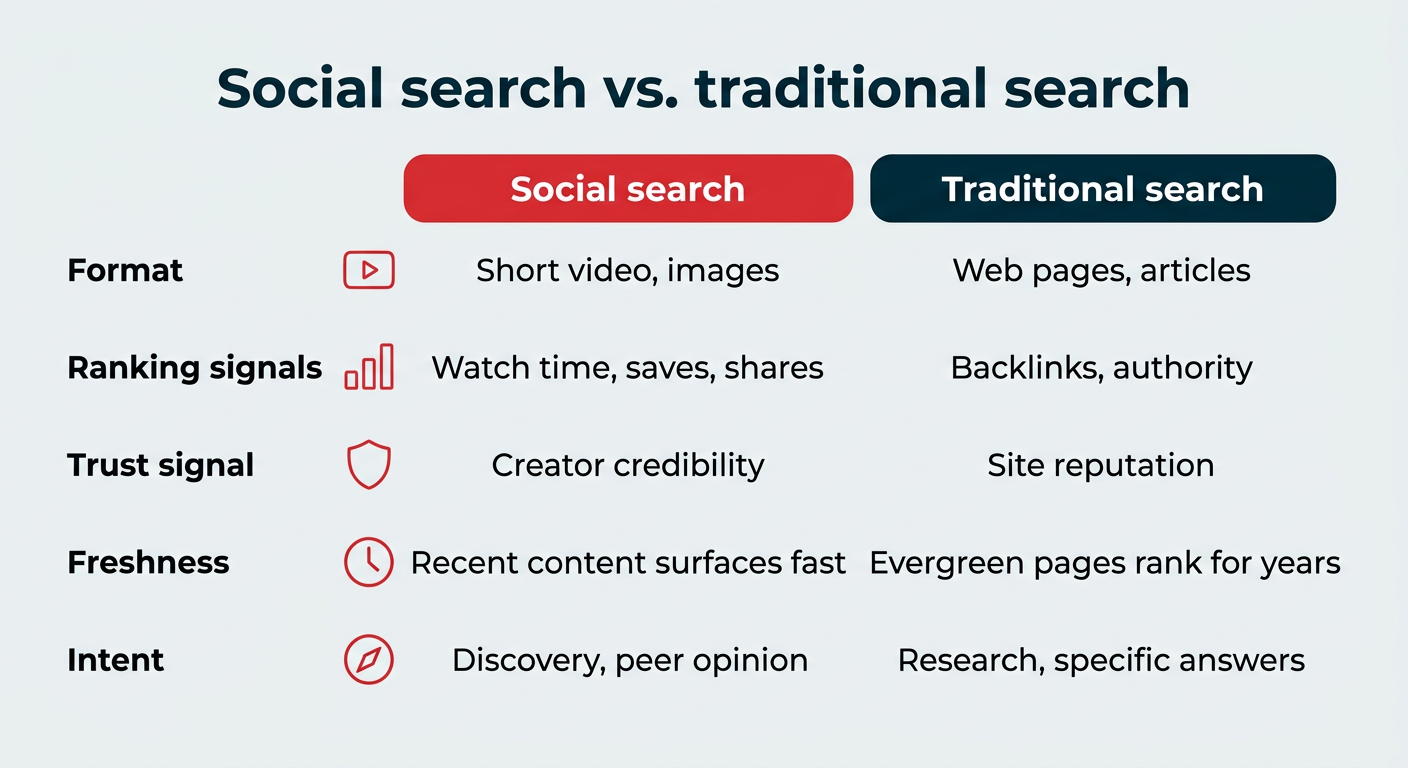
To effectively navigate modern digital marketing, organizations must recognize the core structural differences between social media search engines and traditional search engines like Google. Traditional search architecture predominantly indexes web pages, relying heavily on backlink profiles, domain authority, and structured data to determine page ranks. Conversely, social platforms reward creator credibility, community engagement, and multimedia relevance.
On platforms like TikTok and Instagram, content visibility is dictated by natural language keywords embedded in captions and on-screen text, coupled with behavioral metrics such as watch time, saves, shares, and comment volume. Notably, social search features a powerful freshness bias. A newly established account with zero historical authority can dramatically outperform an enterprise brand if its content yields high initial user engagement and directly answers a query.

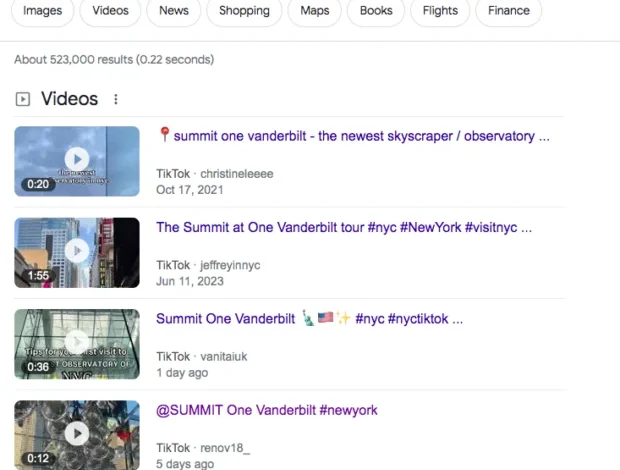
Despite these operational differences, the two ecosystems are increasingly symbiotic. Major search engines routinely index social media content from platforms such as TikTok, Instagram, Reddit, and LinkedIn, frequently displaying these social posts directly within traditional search results pages. This cross-platform indexing means that a single, well-optimized social post can generate compounding visibility across both social and traditional search domains. Traditional search captures consumers at the point of transactional intent when they already know what they want, whereas social search captures audiences earlier in the lifecycle during the exploratory and inspirational phases.
Platform-Specific Search Optimization Strategies

Search mechanics vary widely across individual social networks, rendering a one-size-fits-all optimization approach ineffective. Organizations must tailor their publishing and tagging frameworks to align with the unique ranking signals of each platform.
TikTok operates as a massive visual and audio search engine, processing over three billion searches daily. The platform’s indexing system scans video captions, on-screen text, audio transcripts, and user comments to contextualize content. To rank successfully on TikTok, creators must verbally articulate primary keywords, display them clearly on screen, and reinforce them within the written caption.

Instagram search has similarly evolved beyond rigid hashtags and account names to process broad natural language keywords. By analyzing captions, alt text, and Reels text overlays, Instagram surfaces dynamic video content that matches search intent. Optimizing for Instagram requires writing descriptive captions utilizing terms that users naturally type into the search bar.
LinkedIn functions as a professional search engine driven by people, companies, and comprehensive content fields. Profile optimization is critical for B2B marketers, as prospective buyers and enterprise decision-makers utilize LinkedIn’s granular filters—such as industry, company size, and job role—to research potential vendors before initiating direct contact. Comprehensive completion of profile fields, job titles, and specialized skills directly impacts search visibility.

Meanwhile, platforms like YouTube, Pinterest, and Reddit command substantial search equity. YouTube relies heavily on video titles, descriptions, chapters, transcripts, and watch retention. Pinterest operates as a visual search engine driven by boards, pin titles, and rich descriptions optimized for planning and purchase intent. Reddit has emerged as a dominant search destination for consumer reviews and peer recommendations, heavily favored by traditional search engines for opinion-based queries.
Implications for Brand Awareness and Competitive Intelligence

The shift toward social search profoundly alters how brand awareness is cultivated. Statistical insights indicate that approximately 73% of Gen Z consumers utilize social media as their primary channel for discovering new products. Optimizing content for search ensures that brand assets continue to surface months after publication to audiences who previously had no awareness of the organization.
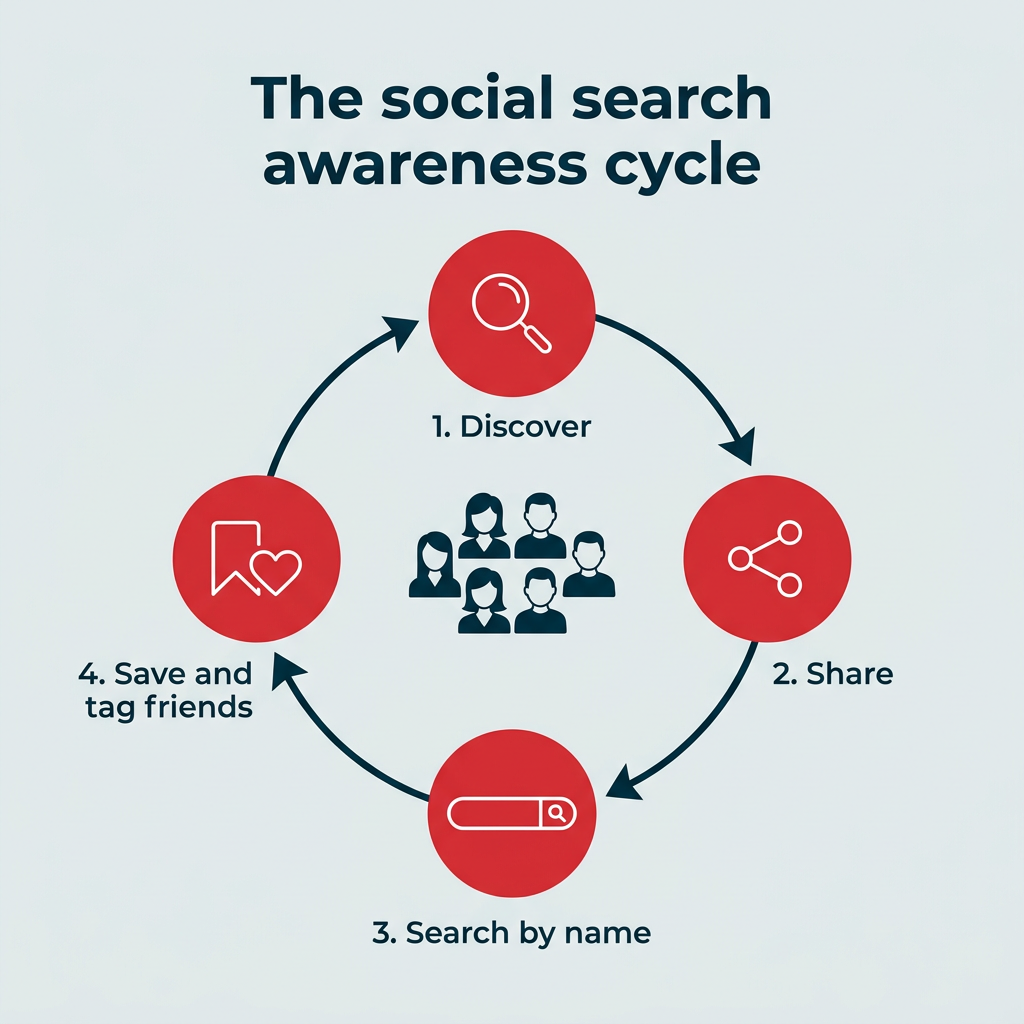
This dynamic fosters a self-reinforcing awareness cycle. Consumers discover a brand via social search or algorithmic recommendations, share that content within their peer networks, and generate user-generated content (UGC). This activity drives further direct-name searches, cultivating engagement signals—such as saves and tags—that signal platform algorithms to elevate the content further.
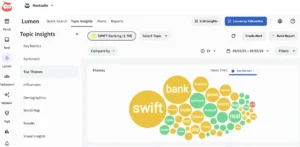
Furthermore, social search serves as a potent tool for competitive intelligence. Monitoring how audiences discuss competitors in search results allows market researchers to identify industry gaps, evaluate rival keyword strategies, and benchmark performance across digital channels. Free and enterprise-grade listening tools—ranging from basic Boolean web searches to advanced AI-driven platforms like Lumen by Talkwalker—enable organizations to track brand mentions, analyze sentiment shifts, and detect potential public relations crises before they escalate.
Best Practices for Effective Social Search Optimization

To capitalize on the growing dominance of social media search engines, marketing professionals should implement a standardized set of optimization protocols across all active channels:
- Optimize Profiles Comprehensively: Ensure that brand profiles feature descriptive, relevant keywords within handles, names, bios, and foundational metadata fields, making it easy for both users and algorithms to categorize the business.
- Integrate Keywords Naturally: Incorporate primary target keywords organically into textual posts, captions, on-screen video text, and spoken audio tracks to assist automated platform transcription systems.
- Leverage Location and Accessibility Tags: Utilize robust location-tagging features to capture high-intent local searchers, and write detailed alt text for images to provide additional contextual signals.
- Prioritize High-Value Engagement Signals: Focus content creation strategies on generating saves, shares, and high watch-completion rates, as these metrics carry significantly more algorithmic weight than vanity metrics alone.
- Conduct Periodic Audits: Review platform search performance on a quarterly basis, adapting keyword strategies to reflect shifting user terminology and emerging search features.
As consumer behavior continues to favor decentralized, peer-validated, and mobile-first discovery, mastering social media search engines is no longer an optional supplementary tactic. It is a core requirement for modern digital visibility, brand protection, and long-term market acquisition.
Related posts: