Optimizing Digital Reach: A Comprehensive Guide to Facebook’s Evolving Ad Size Specifications


In the dynamic and intensely competitive landscape of digital advertising, mastering the technical specifications for ad creative across Meta’s vast ecosystem is no longer merely a best practice—it is a fundamental requirement for achieving campaign efficacy and maximizing return on investment. With billions of users engaging daily across Facebook, Instagram, Messenger, and its Audience Network, Meta platforms represent an unparalleled opportunity for brands, but only if their messages are delivered flawlessly. The precise dimensions, aspect ratios, and file specifications of ad content directly impact user experience, ad performance, and ultimately, campaign success.

The Evolving Landscape of Meta Advertising and Its Global Reach
Meta Platforms, Inc. continues to dominate a significant portion of the global digital advertising market, with its flagship platform, Facebook, boasting over 3.07 billion monthly active users as of Q4 2023. This immense reach, coupled with sophisticated targeting capabilities, makes Meta an indispensable channel for marketers worldwide. The advertising ecosystem, however, has evolved considerably since Facebook’s inception. What began with simple banner ads has transformed into a complex array of interactive formats, including immersive videos, dynamic carousels, full-screen stories, and short-form reels. This evolution, driven by shifting user consumption habits—particularly the pronounced shift towards mobile devices, with over 80% of Facebook users accessing the platform via mobile only—necessitates a granular understanding of ad creative requirements. Meta’s continuous refinement of its ad guidelines underscores its commitment to maintaining a high-quality user experience and ensuring advertisers can deliver impactful messages without technical impediments.

The Crucial Role of Ad Specifications in Campaign Performance
Adherence to Meta’s specific ad dimensions and guidelines is paramount for several reasons. Firstly, correctly sized ads integrate seamlessly into the user interface, appearing native and less intrusive. This optimized visual presentation enhances the overall user experience, reducing friction and improving receptiveness to the ad message. Conversely, improperly sized ads risk undesirable cropping, pixelation, or distortion, which can severely detract from brand professionalism and user engagement. Meta’s algorithms are designed to favor well-optimized content, often leading to broader distribution and more efficient ad delivery. Campaign analytics consistently demonstrate that ads conforming to specifications exhibit higher click-through rates (CTR) and lower costs per impression (CPM), directly translating into a more favorable return on ad spend (ROAS).
A Detailed Overview of Facebook Ad Sizes Across Key Placements
To navigate this intricate ecosystem effectively, advertisers must be cognizant of the specific requirements for each ad placement. The following table provides a comprehensive overview of popular Facebook ad sizes and specifications:
| Placement | Recommended Size (px) | Aspect Ratio | File Types | Max File Size |
|---|---|---|---|---|
| Feed (Image) | 1440 x 1440 or 1440 x 1800 | 1:1 or 4:5 | PNG, JPG | 30MB |
| Feed (Video) | 1440 x 1440 or 1440 x 1800 | 1:1 or 4:5 | MP4, MOV, GIF | 4GB |
| Carousel | 1080 x 1080 or larger | 1:1 (or 4:5 for Advantage+ catalog only) | PNG, JPG, MP4, MOV, GIF | 30MB (image), 4GB (video) |
| Stories | 1440 x 2560 | 9:16 | PNG, JPG, MP4, MOV, GIF | 30MB (image), 4GB (video) |
| Reels (Image Overlay) | 1080 x 1080 or larger | 1.91:1 to 1:1 | PNG, JPG | 30MB |
| Reels (Video) | 1440 x 2560 | 9:16 | MP4, MOV, GIF | 4GB |
| In-stream Video | 1080 x 1080 or larger | 16:9 or 1:1 | MP4, MOV, GIF | 4GB |
| Marketplace | 1080 x 1080 or larger | 1:1 | PNG, JPG | 30MB |
| Right Column | 1080 x 1080 or larger | 1:1 | PNG, JPG | 30MB |
| Search Results | 1080 x 1080 or larger | 1:1 | PNG, JPG, MP4, MOV, GIF | 30MB (image), 4GB (video) |
| Business Explore | 1080 x 1080 or larger | 1.91:1 to 1:1 | PNG, JPG, MP4, MOV, GIF | 30MB (image), 4GB (video) |
| Collection | 1080 x 1080 or larger | 1:1 or 9:16 | PNG, JPG, MP4, MOV, GIF | 30MB (image), 4GB (video) |
| Audience Network Banner | 320 x 50 | Banner | PNG, JPG | 30MB |
| Audience Network Interstitial | 320 x 480 or 480 x 320 | 9:16 or 16:9 | PNG, JPG, MP4, MOV | 30MB (image), 4GB (video) |
Facebook Feed Ads: The Core of Engagement
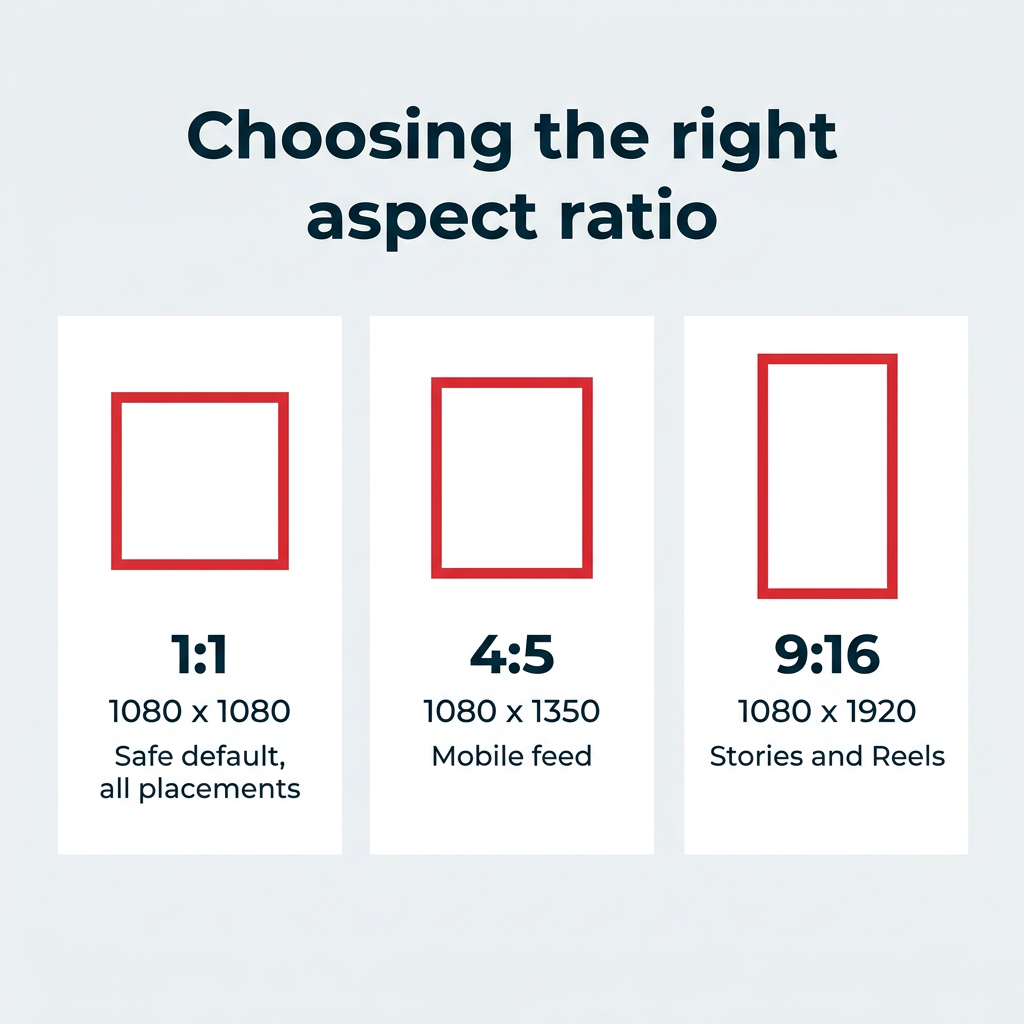
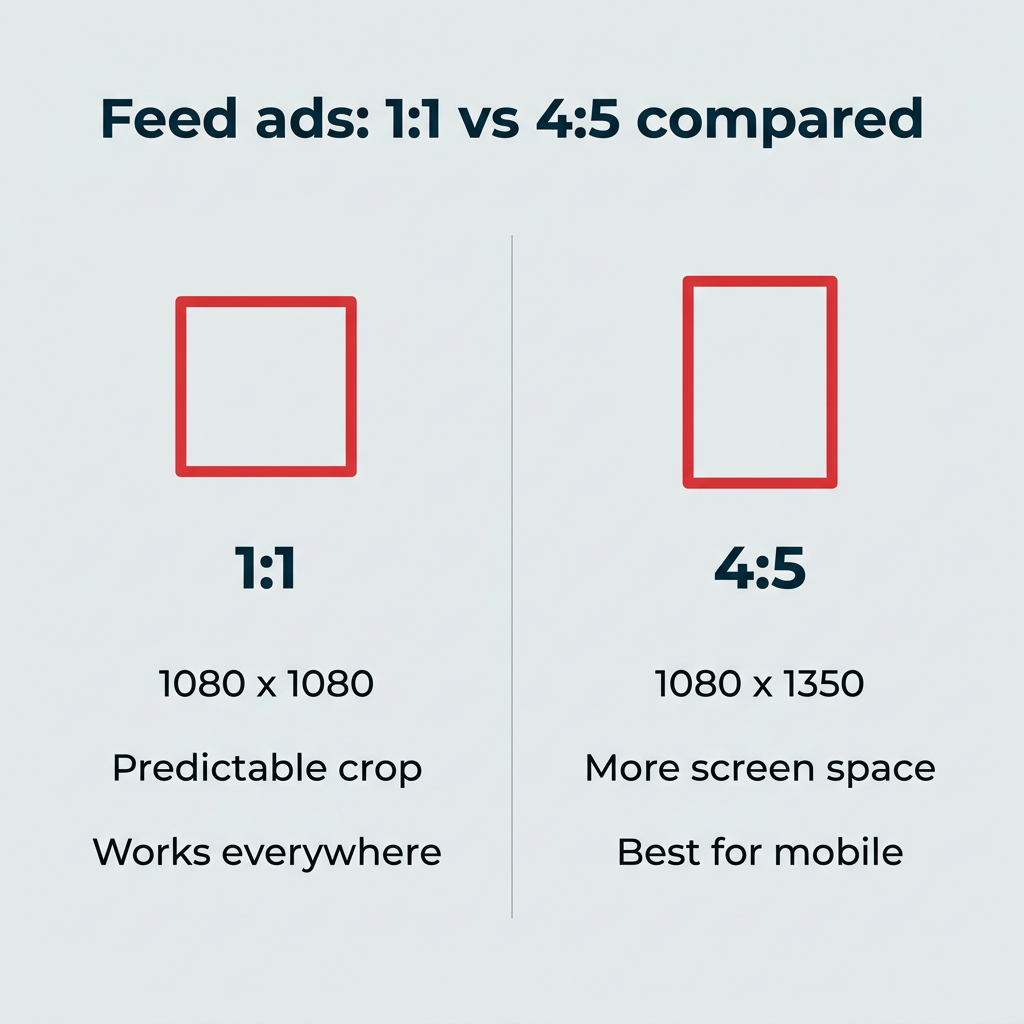
The Facebook News Feed remains a primary battleground for advertiser attention. Feed ads can be single images, videos, or carousels. For mobile feeds, a 4:5 aspect ratio (e.g., 1440 x 1800 px) is often favored as it occupies more screen real estate, effectively pushing competing content out of immediate view. However, for campaigns designed to run across multiple placements, a 1:1 (square) aspect ratio (e.g., 1440 x 1440 px) offers predictable cropping and universal compatibility. The dedicated video feed, accessible via desktop or mobile, also adheres to these specifications, with video ads clearly labeled as "sponsored."
Carousel Ads: Dynamic Storytelling and Product Showcasing
Carousel ads, allowing between two and ten images or videos, each with its own link, are celebrated for their versatility. They are not confined to the feed and can appear in Stories, Reels, and in-stream placements, maintaining a consistent 1:1 aspect ratio. A particularly effective variant for e-commerce is the collection carousel, which dynamically pulls images and links from an advertiser’s product catalog, streamlining the path to conversion.

Stories and Reels: Immersive Vertical Experiences
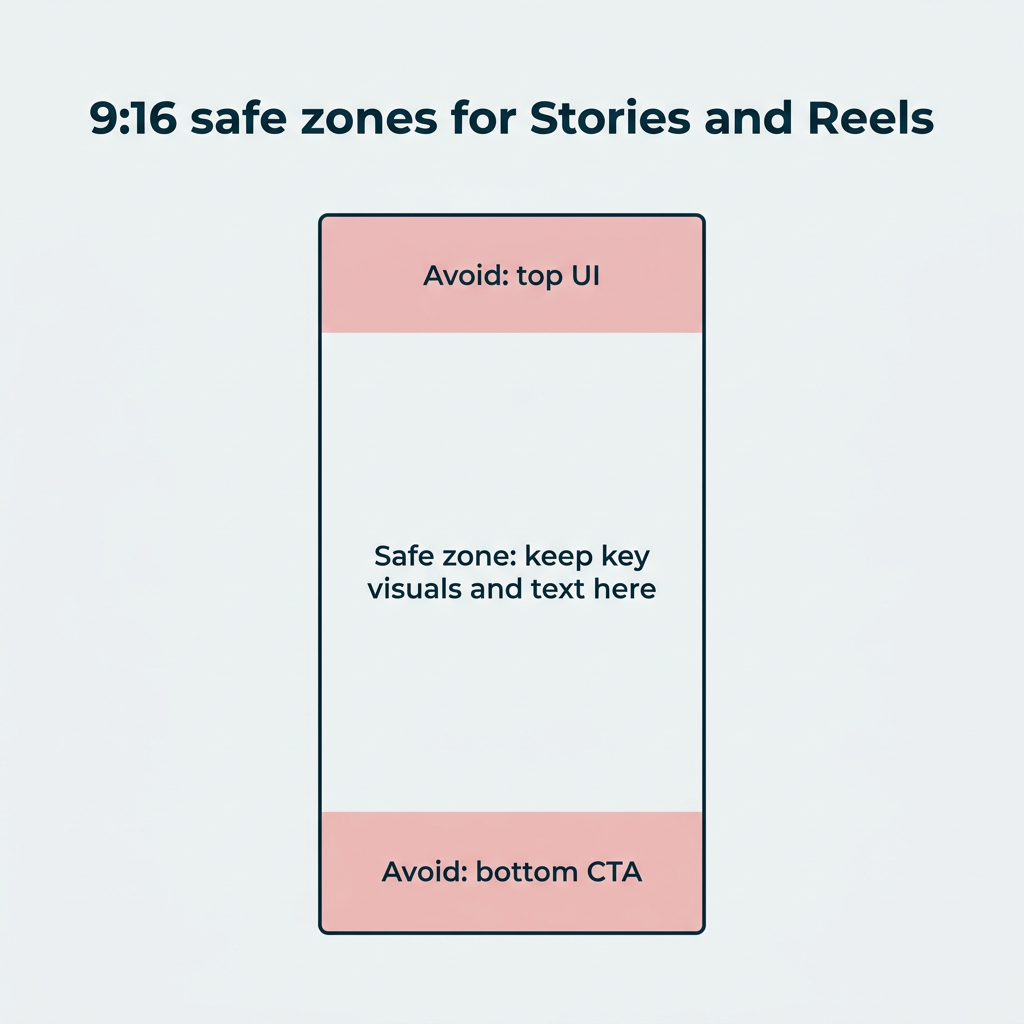
The rise of vertical, full-screen content formats like Stories and Reels has significantly altered creative strategies. With a 9:16 aspect ratio (e.g., 1440 x 2560 px), these placements demand visually arresting content. For both image and video Stories, attention must be paid to "safe zones"—the central 1080 x 1420 px area—to ensure crucial visuals and call-to-action buttons are not obscured by UI elements at the top and bottom of the screen. Reels ads, whether promoting an existing Reel or created specifically for advertising, uniquely allow a call-to-action button. Image overlay ads within Reels provide a subtler advertising approach, appearing at the bottom of organic content, requiring a concise and impactful visual.
In-Stream Video Ads: Strategic Interruptions
In-stream video ads are strategically placed at the beginning, during, or after organic video content, including live streams. Advertisers can choose between shorter, non-skippable formats or longer, skippable ones (allowing users to close after five seconds). These ads are effective for reaching audiences already engaged with video content, though their interruptive nature necessitates high-quality, relevant creative to prevent user frustration.
Collection Ads: The E-commerce Powerhouse
Distinct from standard carousel ads, Collection ads are specifically designed for e-commerce, drawing product images and videos from an Advantage+ product catalog managed in Commerce Manager. These ads, typically 1:1 aspect ratio, create an "Instant Experience" on mobile devices—a full-screen, mini-storefront when a product is tapped, offering a frictionless shopping journey. On desktop, they function more like traditional carousel ads, linking directly to product pages. A newer format also allows collection ads to appear at the bottom of 9:16 Facebook Reels or video ads, showcasing up to four products within the immersive video environment.
Marketplace Ads: Capitalizing on Purchase Intent
Facebook Marketplace ads are primarily image-based, appearing within the Marketplace tab and often distributed across the broader Facebook platform via Meta’s Advantage+ placement algorithm. These ads target users with high purchase intent, making them exceptionally effective for driving sales. They are always clearly marked as "sponsored."

Additional Niche Placements
Beyond these prominent formats, several niche placements offer targeted advertising opportunities:
- Right Column Ads: Exclusive to desktop, these image-only ads (1:1 aspect ratio) are ideal for driving traffic or raising brand awareness. Meta advises against including text on the image due to their small size.
- Search Results Ads: Appearing directly on the search results page, these ads leverage user intent. For instance, a search for "planner" might yield an ad from a planner company, significantly increasing click-through probability. They support both image and video (1:1 aspect ratio).
- Business Explore Ads: Available only on mobile, these ads appear when a user taps an organic business post and scrolls to "Explore more" in a related category. They blend organic and paid content from similar businesses, offering discovery opportunities.
- Audience Network Ads: Extending Meta’s reach beyond its core apps, the Audience Network offers banner (320×50 px), interstitial (320×480 or 480×320 px), native, and rewarded video formats. Each requires specific creative tailoring for optimal performance within third-party applications and websites.
Universal Guidelines for Optimal Creative

Regardless of the specific placement, several universal guidelines apply to nearly all Facebook ads:
- Image File Types: PNG and JPG are universally accepted.
- Maximum Image File Size: 30MB across all placements.
- Video File Types: MP4, MOV, and GIF are widely supported.
- Maximum Video File Size: 4GB across all placements.
- Text on Image: While Meta no longer enforces a strict 20% text rule, experience shows that ads with less text overlaid on images generally perform better and receive broader delivery. This insight is crucial for maintaining effective reach.
Strategic Implications for Advertisers in 2024 and Beyond

The granularity of Meta’s ad specifications presents both challenges and significant opportunities for advertisers. The primary challenge lies in the need for adaptive creative strategies, requiring marketers to produce multiple assets tailored to different placements and aspect ratios. This demands efficient creative production workflows and robust asset management. However, the opportunities are equally compelling: by aligning creative perfectly with platform requirements, advertisers can create highly engaging, non-disruptive ad experiences that resonate deeply with target audiences.
Industry experts emphasize the strategic importance of A/B testing different ad creatives and leveraging Meta’s Advantage+ creative optimization tools, which can dynamically adjust ad formats to perform best across various placements. The consistent advice from Meta and marketing professionals alike is that a "mobile-first" design philosophy should underpin all creative development, given the overwhelming proportion of mobile users.

Looking ahead, Meta’s continuous investment in AI-driven ad solutions suggests an ongoing evolution in how ads are optimized and delivered. Future trends may include even more sophisticated dynamic creative optimization, potentially leveraging generative AI to automatically adapt content to individual user preferences and platform nuances. As Meta pushes towards more immersive experiences, advertisers must anticipate and prepare for new formats that may integrate augmented reality (AR) or virtual reality (VR) elements, demanding yet another layer of technical understanding.
In conclusion, the success of advertising campaigns on Meta platforms is inextricably linked to a meticulous understanding and strict adherence to its ad size specifications. This technical proficiency ensures not only the smooth delivery of content but also plays a critical role in enhancing user engagement, optimizing campaign performance, and ultimately, securing a competitive advantage in the digital marketplace. Advertisers must treat these guidelines not as mere technical hurdles, but as fundamental tools for crafting impactful and effective digital narratives.
Related posts: