T-Mobile Offers $1,100 Discount on Samsung Galaxy S26 Ultra as Smartphone Competition Heats Up

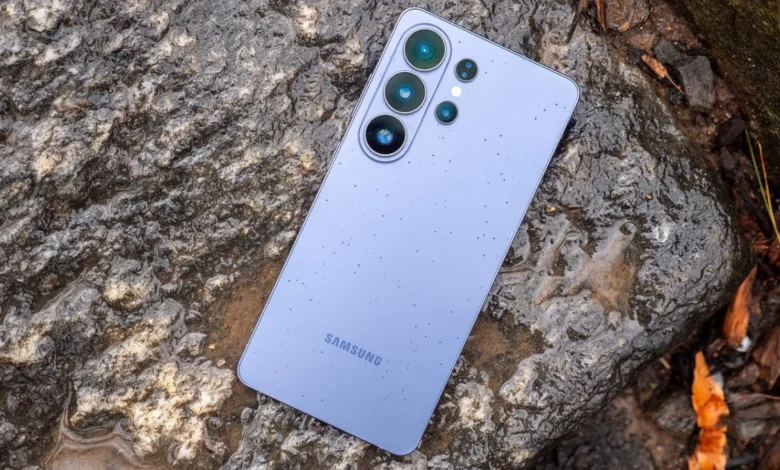
The high-end smartphone market of 2026 has entered a period of intense competition, highlighted by major hardware launches and aggressive carrier promotions. Following Apple’s unveiling of the iPhone 18 Pro earlier this week, major telecommunications providers have begun rolling out financial incentives to capture market share among consumers looking to upgrade their primary mobile devices. Among the most notable promotional campaigns is a new offering from T-Mobile, which provides an $1,100 discount on the Samsung Galaxy S26 Ultra for customers who add a new line under specific unlimited service tiers.
This promotional push underscores a broader trend in the telecommunications and consumer electronics industries: flagship devices continue to command steep retail prices, making carrier subsidies and promotional financing central to consumer purchasing decisions. While tech analysts and consumers evaluate the technical merits of rival ecosystems, retail promotions frequently serve as the deciding factor for buyers navigating the high-end smartphone landscape.
Main Facts and Promotional Details
T-Mobile’s current promotion targets consumers interested in Samsung’s premier flagship device, the Galaxy S26 Ultra. Under the terms of the offer, eligible customers can save $1,100 by adding a new line of service tied to the carrier’s "Experience More" or "Experience Beyond" unlimited plans.
Crucially, this substantial reduction does not require a device trade-in—a condition that typically applies to deep-discount carrier promotions. By eliminating the trade-in requirement, T-Mobile has lowered the barrier to entry for customers who may be switching carriers or adding a supplementary line without an older handset to exchange.
The structure of the discount spreads the remaining device cost over a 36-month installment agreement. Consequently, the out-of-pocket cost for the hardware is reduced to approximately $5.56 per month over the three-year financing period.
The underlying unlimited plans required for the promotion include standard features such as unlimited domestic talk, text, and high-speed data across T-Mobile’s expansive 5G network. Additionally, the plans incorporate a designated allotment of mobile hotspot data and various international roaming and communication benefits. The higher-tier Experience Beyond plan further bundles subscription services like Hulu and Netflix, while extending eligibility benefits typically reserved strictly for new subscribers.
Single-line pricing for the Experience More and Experience Beyond plans begins at $90 and $100 per month, respectively. However, the carrier applies structural discounts for multi-line accounts combined with AutoPay. For instance, families or small businesses adding four lines under the Experience More plan can reduce the per-line cost to $42.50 per month, bringing the total base service charge to $170 monthly before taxes and fees.
Chronology of the 2026 Flagship Launches
The timing of T-Mobile’s promotion aligns closely with the annual autumn cadence of major smartphone releases. The competitive cycle for late 2026 formally intensified earlier in the week when Apple hosted its media event to introduce the iPhone 18 Pro.
Apple’s official preorder window for the iPhone 18 Pro is scheduled to open on September 12, setting off a wave of consumer attention across the technology sector. As prospective buyers weigh the merits of Apple’s latest ecosystem against Android alternatives, competing manufacturers and carriers capitalize on the heightened consumer focus by introducing counter-offers.
Samsung’s Galaxy S26 Ultra, which occupies the upper echelon of the Android market, has been positioned as a primary rival to Apple’s latest hardware. By launching a major financial incentive while the conversation surrounding the iPhone 18 Pro is at its peak, T-Mobile aims to intercept consumers who might otherwise lean toward the Apple ecosystem during the crucial pre-ordering window.
Technical Comparison and Industry Context
The rivalry between the iPhone 18 Pro and the Samsung Galaxy S26 Ultra forms the backdrop for current consumer deliberations. Both devices represent the pinnacle of mobile engineering for their respective developers, incorporating advanced silicon, high-resolution display technologies, and specialized computational photography features.
The iPhone 18 Pro introduces Apple’s new A20 Pro processor, designed to deliver high computational efficiency and graphics performance. Industry benchmarks and early technical assessments suggest the A20 Pro will compete directly with the Snapdragon 8 Elite Gen 5 processor utilized in the Galaxy S26 Ultra. Additionally, Apple’s device emphasizes battery longevity enhancements and advanced videography capabilities, including native Dolby Vision support.
Conversely, the Samsung Galaxy S26 Ultra maintains distinct hardware advantages that appeal to a specific segment of the consumer base. Notably, the Samsung flagship is engineered to be lighter than its Apple counterpart, addressing historical user feedback regarding the heft of ultra-tier devices. Furthermore, the S26 Ultra retains productivity-focused features such as an embedded S Pen stylus and proprietary software implementations like Privacy ID, catering to enterprise users and power consumers.
Despite these technological differentiators, market analysts note that incremental yearly hardware upgrades often matter less to the average consumer than overall cost of ownership. With retail prices for premium smartphones frequently exceeding the thousand-dollar mark, the financial terms of acquisition play a decisive role in market adoption rates.
Broader Economic Implications and Consumer Impact
The reliance on long-term installment agreements tied to multi-year service contracts remains a foundational business model for major cellular carriers in the United States. While multi-year commitments lock customers into specific provider networks for extended periods, they simultaneously democratize access to hardware that might otherwise require substantial upfront capital.
T-Mobile’s decision to waive the trade-in requirement for the Galaxy S26 Ultra promotion reflects a strategic shift in promotional mechanics. In previous years, capturing maximum savings necessitated surrendering a functional, recent-model smartphone in good condition. By removing this prerequisite, the carrier addresses a wider demographic of potential switchers—particularly users coming from older devices whose trade-in value would typically be negligible, or consumers hesitant to part with secondary hardware.
As the telecommunications sector navigates the remainder of 2026, analysts anticipate continued promotional activity from major carriers—including Verizon and AT&T—as they respond to Apple and Samsung’s hardware pipelines. For consumers, this competitive environment provides an opening to acquire top-tier technology at significantly reduced effective costs, provided they are willing to commit to long-term service agreements with specific network operators.