ZiiGaat Seraphim IEM Review: A Striking Hybrid Monitor Blending Flagship Aesthetics with V-Shaped Performance

The global market for In-Ear Monitors (IEMs) has experienced an unprecedented surge in recent years, particularly within the competitive landscape colloquially known in audiophile circles as the "Chi-Fi" (Chinese Hi-Fi) market. Industry analysts estimate that well over two hundred distinct IEM models enter the consumer marketplace annually. While this prolific production rate introduces a significant volume of entry-level and experimental devices, discerning consumers typically focus their attention on established manufacturers renowned for acoustic engineering consistency, such as ZiiGaat, Dunu, Kiwi Ears, Aful, and Juzear. Within this crowded ecosystem, manufacturers continually seek to balance high-end acoustic architecture with accessible pricing tiers, striving to capture the attention of both casual listeners and dedicated audio enthusiasts.
Product Overview and Specifications
Launched in October 2026, the ZiiGaat Seraphim enters the highly competitive mid-tier market segment with an MSRP of $259. Designed to bridge the gap between high-end flagship performance and consumer-grade affordability, the Seraphim incorporates a sophisticated hybrid driver configuration.
- Price: $259
- Release Date: October 2026
- Driver Configuration: 5 drivers total (2 Dynamic Drivers + 3 Knowles Balanced Armature drivers)
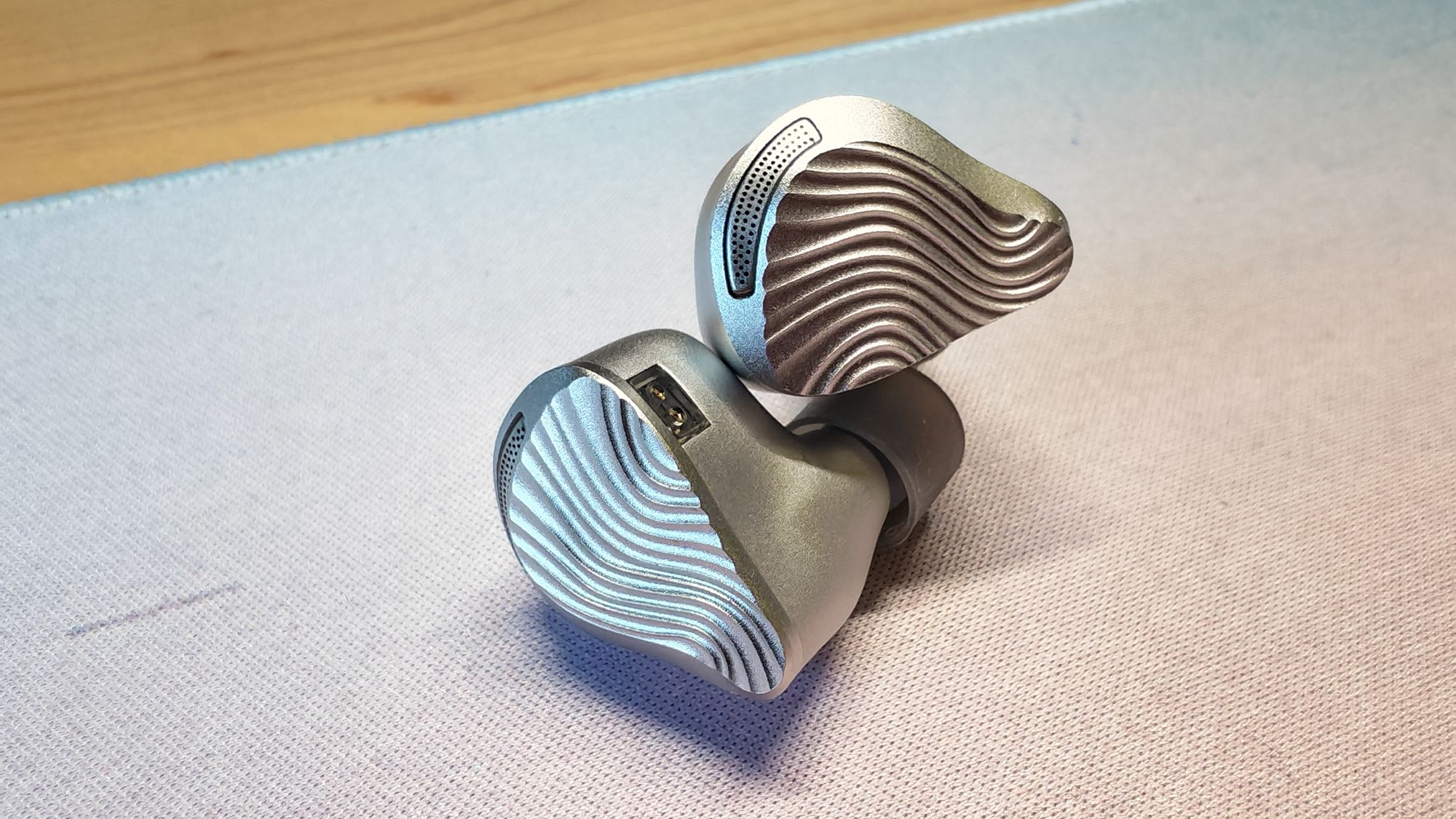
- Chassis Material: CNC-machined aluminum shells, faceplates, and sound nozzles
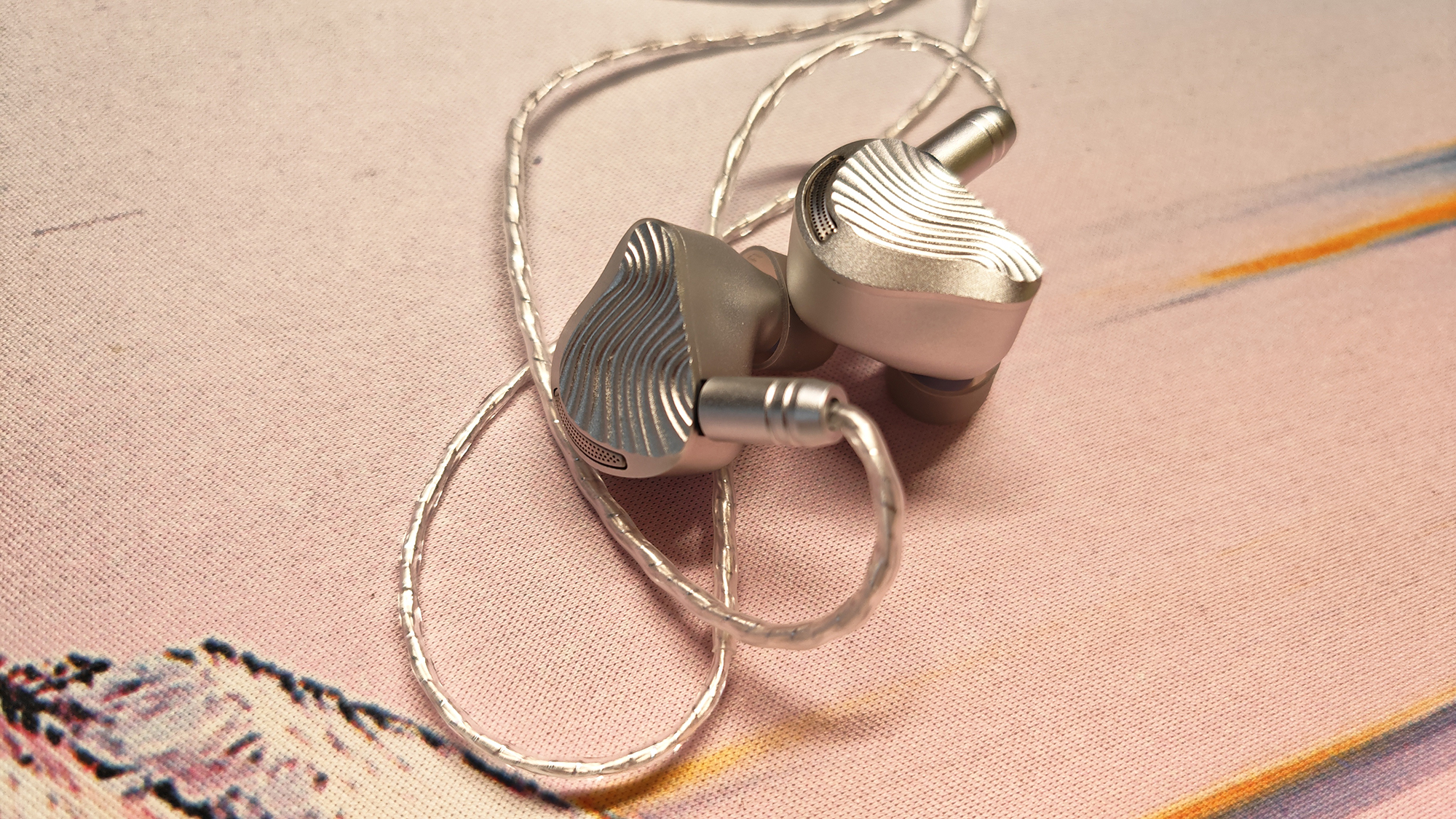
- Cable System: 1.2-meter modular cable featuring interchangeable 3.5mm single-ended and 4.4mm balanced terminations
- Impedance: 9Ω at 1kHz
- Sensitivity: 125.5 dB/Vrms at 1kHz
- Weight: 5 grams per earpiece
The acoustic tuning of the Seraphim was spearheaded by industry collaborator Jay Audio, widely recognized for his analytical approach to frequency response tuning. By combining an isobaric dual dynamic driver setup with three Knowles balanced armature drivers, ZiiGaat structured the Seraphim to deliver a high-resolution acoustic signature without imposing the financial burden typically associated with flagship-tier audio equipment.
Acoustic Performance and Frequency Analysis
The overall acoustic presentation of the ZiiGaat Seraphim is defined by a dynamic, high-contrast V-shaped sound signature. While early pre-release community speculation drew comparisons to ultra-high-end reference monitors such as the Subtonic Storm, listening evaluations indicate distinct tuning philosophies. Where reference monitors prioritize linear neutrality and expansive mid-range presence, the Seraphim is engineered to deliver authoritative sub-bass impact alongside a pristine, extended treble response.
Low-Frequency Response (Bass)
At the core of the Seraphim’s low-end performance is its isobaric dual dynamic driver arrangement. This configuration is engineered to manage deep-frequency reproduction with minimal distortion. Testing reveals a pronounced sub-bass extension that delivers a forceful, tactile physical impact. Crucially, the mid-bass region remains tightly controlled, preventing unwanted acoustic bleed into the lower mid-range. This design choice maintains rhythmic clarity, allowing complex bass guitar lines and authoritative electronic sub-bass frequencies to remain distinct and well-separated within the mix.
Mid-Range Performance
The mid-range profile, driven by the integrated Knowles balanced armature drivers, exhibits a distinct lean characteristic. Upper-register vocals and high-frequency instrumentation project forward with notable clarity and transparency, allowing complex acoustic arrangements and vocal harmonies to cut through the mix effectively. However, the lower mid-range can present as slightly thin on certain recordings, occasionally reducing the natural chest resonance and physical warmth of deeper male vocals. Despite this minor tonal recession, overall instrument separation remains a primary strength, rendering individual notes on acoustic guitars and pianos with sharp definition.
High-Frequency Response (Treble)
The treble presentation represents one of the most technically accomplished aspects of the Seraphim’s acoustic profile. The upper frequencies are extended and well-resolved, introducing sufficient air and sparkle to unveil micro-details without introducing the abrasive peaks common in aggressively bright audio monitors. While exceptionally energetic mixes can occasionally push the treble region toward fatigue on specific tracks, the vast majority of standard music libraries benefit from a smooth, controlled high-frequency delivery suitable for extended listening sessions.
Build Quality, Ergonomics, and Design
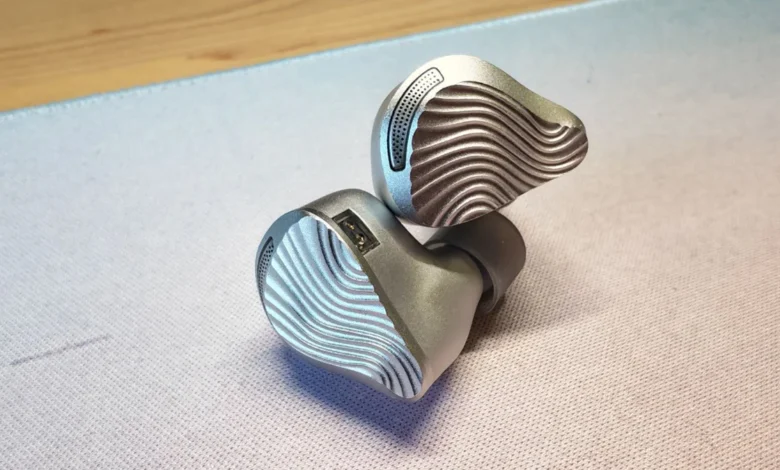
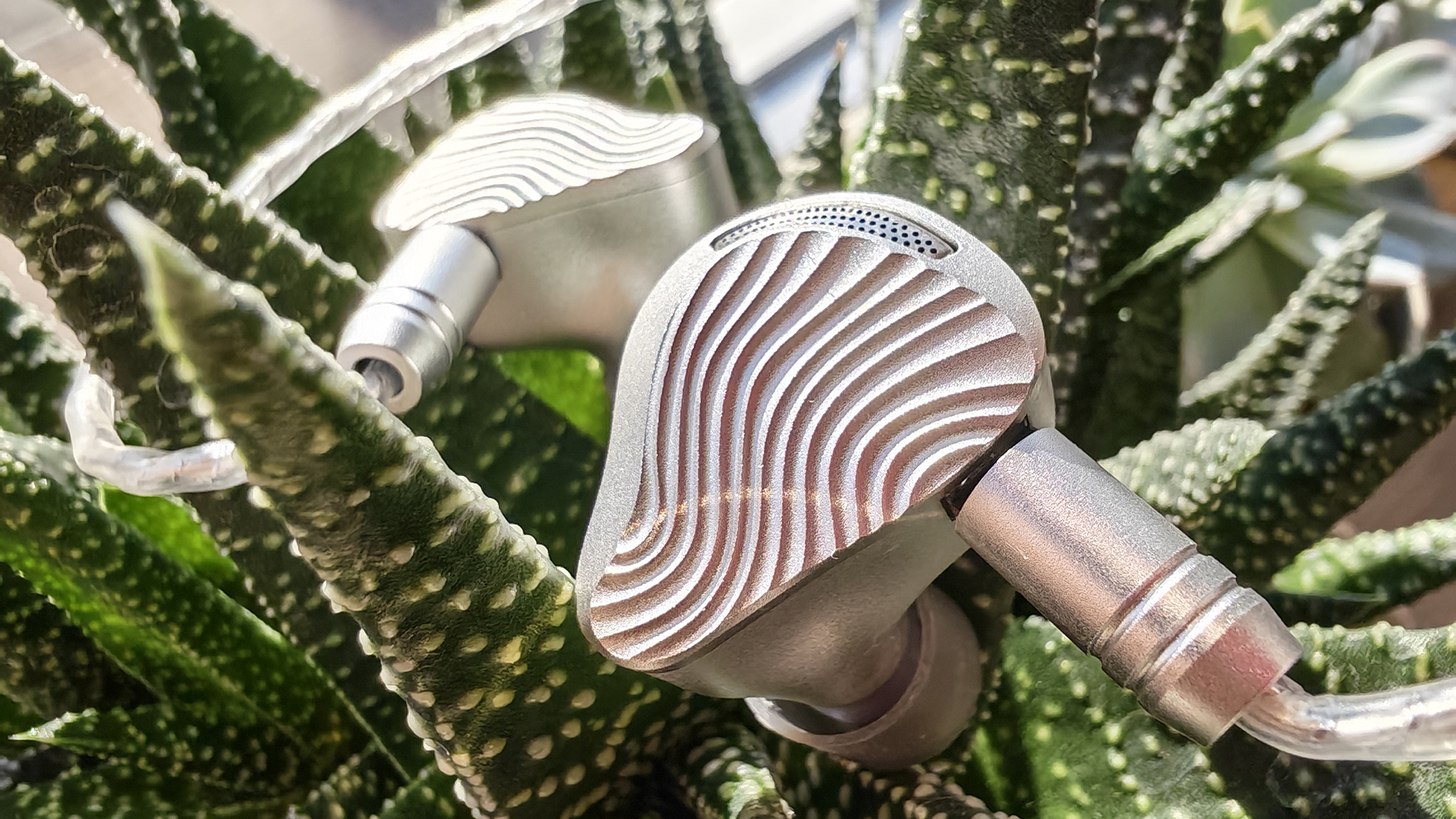
Constructed from CNC-machined aluminum, the Seraphim shells offer a robust physical build while maintaining a lightweight profile at just 5 grams per earpiece. The aesthetic presentation features minimalist metallic contours and understated faceplates, successfully projecting a premium visual identity.
The included 1.2-meter modular cable departs from the thicker, heavier aftermarket cables favored by some audiophiles. Instead, the manufacturer opted for a more flexible, lightweight cable profile designed to eliminate microphonics and wrap smoothly for storage.
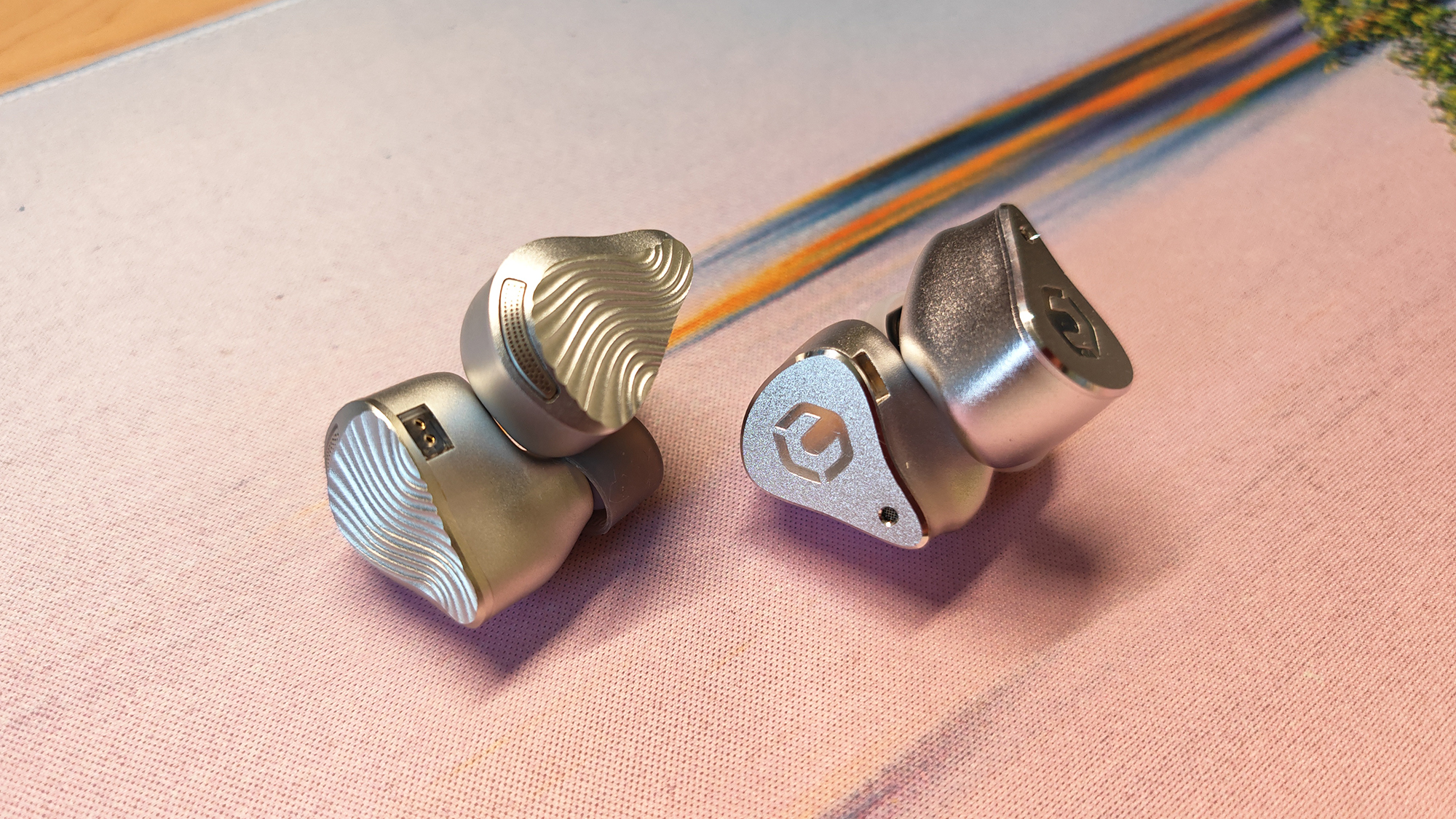
Ergonomically, the monitors feature robust, machined nozzles that dictate a relatively shallow insertion depth. Consequently, users may need to experiment with alternative ear-tip selections—such as longer, rounded silicone designs—to secure an optimal acoustic seal, particularly given the rigidity of the aluminum chassis. Once properly fitted, the mid-sized form factor ensures secure daily comfort for extended desktop or mobile use.
Comparative Market Analysis
Positioned at the $259 price point, the ZiiGaat Seraphim competes directly within a crowded bracket where consumers demand superior technical performance, reliable accessory ecosystems, and polished industrial design.
ZiiGaat Seraphim vs. CrinEar Reference
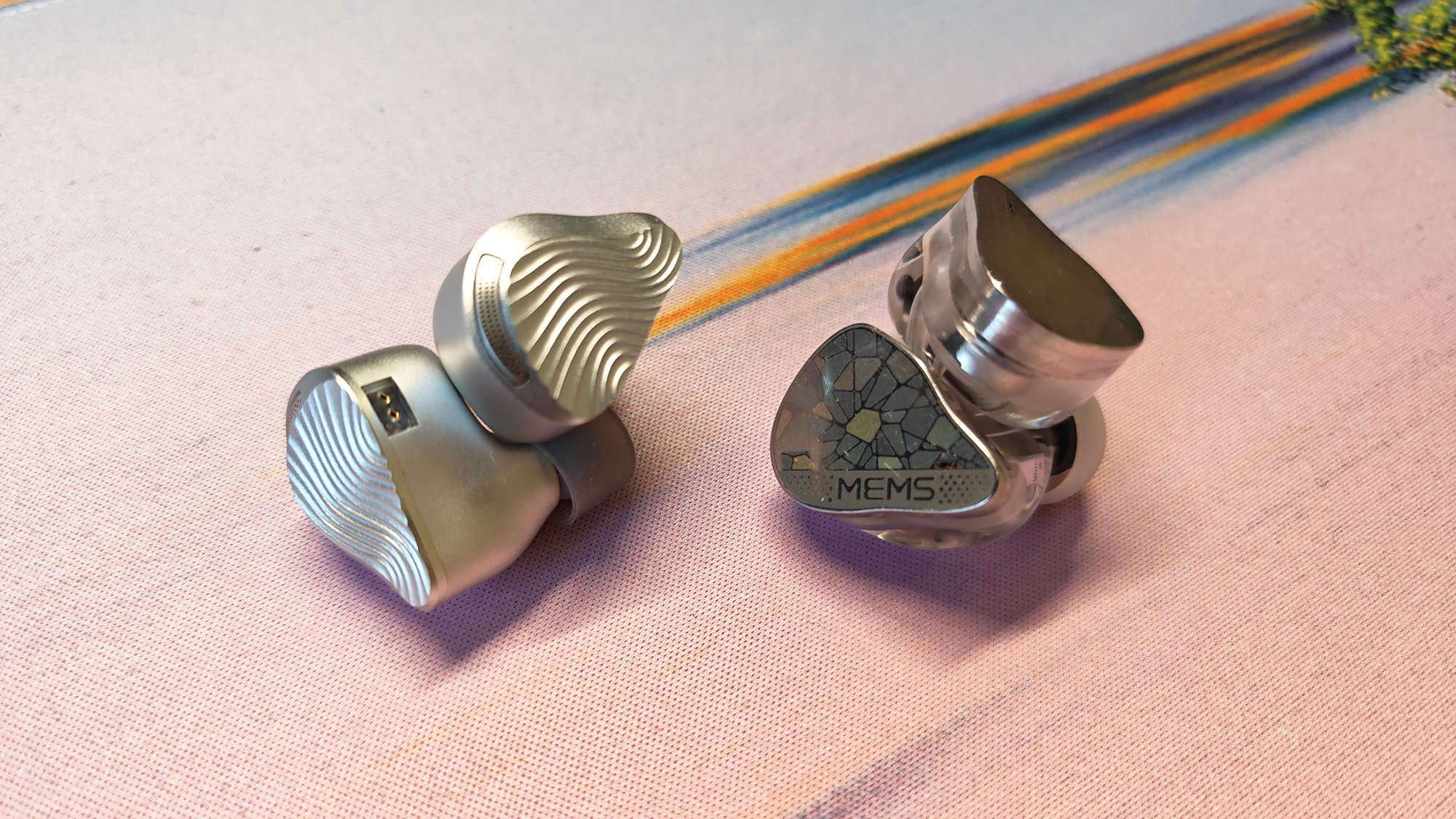
Priced at $350, the CrinEar Reference targets an entirely different consumer demographic by prioritizing strict acoustic neutrality, natural vocal timbre, and a full mid-range. Aesthetically, the Seraphim adopts a similarly sleek metallic philosophy but executes a more visually engaging faceplate design than its rival. Functionally, the Seraphim trades tonal purity for an exciting, high-contrast V-shaped profile with enhanced sub-bass slam, whereas the Reference offers a more subdued, analytically accurate presentation. Additionally, the Reference’s deeper physical nozzle design typically achieves a more consistent universal fit out of the box.
ZiiGaat Seraphim vs. Binary EP321
At $310, the Binary EP321 serves as a direct competitor utilizing advanced driver technology to achieve rapid ultra-high-frequency response. While the EP321 matches the Seraphim in visual flair through iridescent faceplates, it diverges significantly in acoustic tuning. The EP321 provides a warmer lower mid-range, resulting in thicker, more natural vocal body compared to the leaner presentation of the Seraphim. Listeners prioritizing physical sub-bass impact will find the Seraphim preferable, whereas those seeking natural mid-range warmth and extended treble air generally lean toward the EP321.

Broader Market Implications
The release of the ZiiGaat Seraphim underscores a broader industry trend toward democratizing advanced hybrid acoustic architectures. By integrating dual dynamic drivers with multiple balanced armatures into a CNC-machined aluminum chassis priced below the $300 threshold, manufacturers continue to elevate consumer expectations for mid-tier audio hardware.
While tuning compromises—such as a recessed lower mid-range—illustrate the inherent challenges of balancing multi-driver hybrid systems, the Seraphim demonstrates that high-performance acoustic engineering and striking visual design can successfully coexist in an increasingly competitive global marketplace.
Related posts: