The Apple Watch Could Get Blood Oxygen Monitoring Back Through Software Changes Court Documents Reveal Hardware Still At Large

Apple Watch Blood Oxygen: A Software Fix Could Rekindle Lost Functionality, Court Documents Suggest Hardware Remains Capable
Recent court documents have shed significant light on the situation surrounding the Apple Watch’s blood oxygen monitoring feature, particularly in the context of the ongoing patent dispute with Masimo. These filings strongly indicate that the hardware necessary for this vital health metric remains fully functional within affected Apple Watch models. This revelation shifts the focus squarely onto the software as the sole impediment, suggesting that a future software update could potentially reinstate the blood oxygen monitoring capabilities for users. The legal proceedings have, inadvertently or not, provided a detailed, albeit technical, roadmap for understanding why the feature was disabled and, more importantly, how it might be brought back.
The core of the issue lies in a patent infringement ruling that compelled Apple to halt the importation and sale of certain Apple Watch models equipped with blood oxygen sensing technology. Masimo, a medical technology company specializing in noninvasive monitoring, successfully argued that Apple’s blood oxygen sensor infringed on its patents. This legal victory led to an import ban, effectively removing the Series 9 and the latest Ultra 2 models from U.S. shelves at their peak. However, the very existence of these models, featuring the blood oxygen sensor technology, directly implies that the underlying hardware is present and capable. The court documents, therefore, serve as an almost direct confirmation that Apple possesses the physical components necessary for blood oxygen measurement. The problem isn’t a lack of hardware; it’s a legally imposed restriction on its utilization.
The crucial distinction between hardware capability and software enablement is at the heart of this discussion. While the physical sensor and its associated components are demonstrably present and operational within the affected Apple Watches, the software that interprets the data from these sensors and presents it to the user has been specifically altered or disabled to comply with the court’s injunction. This suggests that Apple’s engineers designed the system with a degree of modularity, where the hardware’s functionality could be controlled and managed through software. The import ban did not necessitate a physical removal or disabling of the sensor itself; rather, it triggered a regulatory compliance response that targeted the software interface and data processing. Consequently, the potential for a software-based solution emerges as a highly plausible, if not probable, path forward.
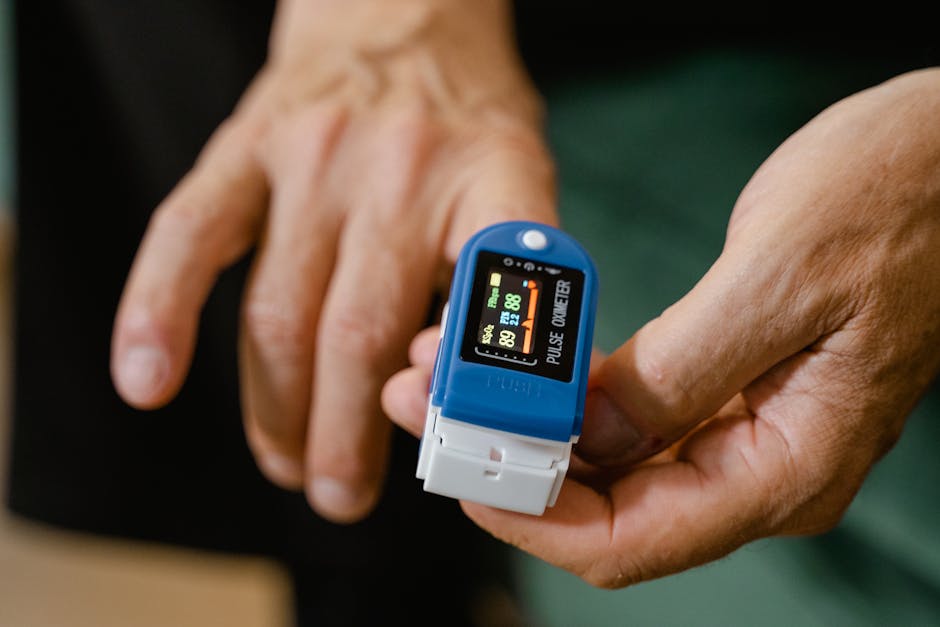
The court documents, particularly those detailing Apple’s legal arguments and potential remedies, provide insights into the intricate workings of the blood oxygen monitoring feature. They reveal the specific patents Masimo claimed Apple infringed upon, and in doing so, indirectly map out the technological components and algorithms that constitute the blood oxygen measurement process. Apple’s defense has often revolved around arguing for the non-infringing nature of its implementation or seeking to differentiate its technology. However, the court’s decision has forced a reconsideration of how this technology is presented and utilized. The legal battles highlight that the blood oxygen sensor works by emitting light into the skin and measuring how much light is absorbed. Different wavelengths of light are used to detect the difference between oxygenated and deoxygenated blood. This process is then translated into a blood oxygen saturation (SpO2) reading. The patents in question likely relate to specific aspects of this light emission, absorption measurement, or the subsequent data processing and algorithmic interpretation.
The possibility of a software-only fix is further supported by Apple’s history of leveraging software updates to introduce or enhance functionalities on its devices. The company is renowned for its ability to iterate on its operating systems and hardware in tandem. Features like ECG monitoring, fall detection, and even the initial rollout of blood oxygen sensing itself were all enabled and refined through software. This precedent strongly suggests that if a legally viable path exists, Apple possesses the technical expertise and infrastructure to re-enable blood oxygen monitoring via a software update. The challenge, therefore, becomes not one of technical feasibility but of legal and strategic navigation.
Apple’s strategy in response to the import ban has been a delicate balancing act. While appealing the ruling and exploring technical workarounds, the company has also had to adhere to the court’s directives. The current situation, where the hardware is confirmed to be present but the feature is disabled, presents Apple with a unique opportunity. If a software-based solution can be developed that demonstrably avoids infringing on Masimo’s patents, it would allow Apple to reintroduce the blood oxygen monitoring feature without the need for a hardware redesign. This could involve altering the way the sensor data is processed, modifying the algorithms used for calculation, or even re-contextualizing the feature’s presentation to users. The court documents have, in essence, provided Apple with a detailed blueprint of what needs to be avoided.
The legal ramifications of any future software change are paramount. Apple will need to ensure that any new implementation of blood oxygen monitoring does not fall foul of the existing patent infringement rulings. This likely involves extensive legal review and possibly consultation with Masimo or the International Trade Commission (ITC). The objective would be to create a software solution that is sufficiently distinct from Masimo’s patented technology to withstand further legal challenges. This might entail exploring alternative methods of light measurement, employing different signal processing techniques, or focusing on specific aspects of data interpretation that are not covered by Masimo’s intellectual property. The court’s focus on the specific mechanisms and algorithms used for blood oxygen measurement is therefore critical.
Furthermore, the court documents also implicitly highlight the complexity and sophistication of the blood oxygen monitoring hardware. It’s not simply a matter of a sensor; it’s an integrated system involving light emitters, photodiodes, and advanced signal processing chips. The fact that this entire system is embedded within the Apple Watch and has been deemed capable of infringing on existing patents underscores its advanced nature. The import ban, while a significant setback for consumers and for Apple’s sales in the U.S., has also inadvertently confirmed the robustness and potential of the underlying technology. The hardware is not a weak point; it’s the software’s interface with that hardware that has been legally restricted.
The consumer impact of this situation is undeniable. Many users purchased Apple Watches with blood oxygen monitoring as a key feature, valuing its health insights. The subsequent disabling of this functionality has understandably led to frustration and a sense of loss. The revelation from court documents that the hardware remains capable offers a glimmer of hope. It suggests that this functionality is not irretrievably lost and that a future software update could restore it. This possibility is significant for current users who may be hesitant to upgrade to newer models without this feature, and for potential buyers who are weighing the benefits of an Apple Watch.
Looking ahead, the path to restoring blood oxygen monitoring will likely involve a multi-pronged approach from Apple. This would include continued legal efforts to challenge or circumvent the existing ruling, alongside intensive research and development focused on software-based solutions. The court documents provide a valuable, albeit legalistic, foundation for understanding the technical boundaries within which Apple must operate. The goal will be to achieve a legal resolution that allows for the reintroduction of this health feature, thereby reinstating its full value proposition for Apple Watch users. The focus on software as the primary lever for change, as suggested by the court filings, positions Apple to potentially resolve this issue without a costly and time-consuming hardware redesign.
The technical specifics revealed within the court documents offer a unique window into the proprietary technology that underpins the Apple Watch’s health features. Understanding the exact nature of the infringing patents is key to appreciating the nuances of the legal challenge. It’s not a blanket prohibition on blood oxygen sensing itself, but rather on how Apple implements it. This distinction is crucial for envisioning a future where the feature is reinstated. For instance, if Masimo’s patent covers a specific ratio of light absorption at certain wavelengths, Apple might be able to adjust its algorithms to use slightly different ratios or even incorporate data from other, non-infringing sensors in its calculation. The court documents are, in essence, a detailed technical specification of what Apple cannot do, which paradoxically becomes a guide for what it can do differently.
The ongoing legal battle between Apple and Masimo is a prime example of the complexities at the intersection of cutting-edge technology and intellectual property law. While the immediate outcome resulted in a functional limitation for Apple Watch users in the U.S., the detailed revelations from court documents offer a compelling argument for the potential of a software-driven restoration of blood oxygen monitoring. The hardware, as confirmed by its presence and the nature of the legal dispute, remains a fully capable component. The onus is now on Apple’s software engineering and legal teams to find a legally compliant and technically sound solution that can bring this valuable health feature back to its devices. The ongoing dialogue within the court proceedings, though adversarial, is inadvertently providing the roadmap for such a resolution.


