The Cat in the Hat Social Media Trend Sparks National Security Concerns and School Disruptions Across the United States

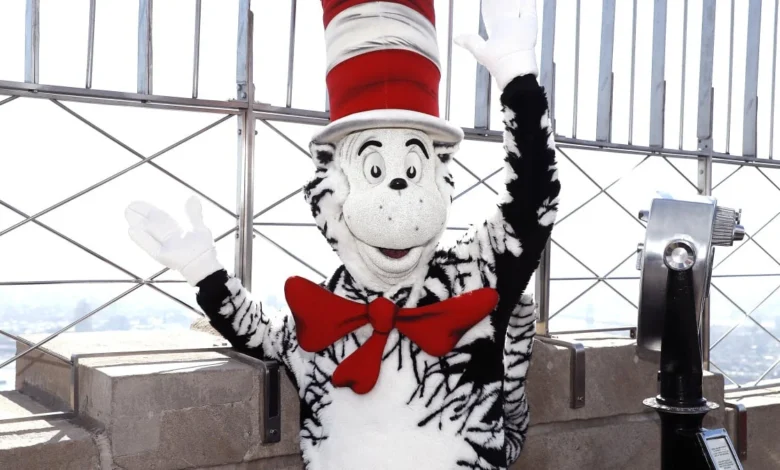
The innocuous imagery of Dr. Seuss’s most famous feline has been weaponized in a disturbing new wave of digital misinformation that is currently upending the safety protocols of American educational institutions. What began in late June as a niche internet meme—characterized by dark, absurdist humor—has rapidly mutated into a widespread phenomenon involving AI-generated threats, resulting in school lockdowns, intensive police investigations, and at least one documented juvenile arrest. This trend, which leverages the unsettling, hollow-eyed aesthetic of the 2003 live-action film adaptation of The Cat in the Hat, serves as a stark case study in how synthetic media can be manipulated to trigger genuine, real-world panic.
The Genesis of a Digital Nightmare
The roots of the phenomenon can be traced to a late-June TikTok post that paired a manipulated clip of Mike Myers’ character from the 2003 film with a sinister, dissonant soundtrack. The original video, which gained significant traction by amassing over four million views in its first week, established a dark tone that invited users to engage in "horror-themed" creative edits. The trend gained momentum following the public auction of the original film costume, which provided creators with high-resolution, eerie source material of a static, uncanny suit that appeared far more threatening outside the controlled environment of a movie set.
Throughout July and August, the meme evolved from simple absurdity into a narrative-driven horror story. Users began crafting a fictional lore centered on a "Cat in the Hat serial killer" stalking communities in the United Kingdom and Ireland. By leveraging generative artificial intelligence, creators produced realistic-looking doorbell camera footage and low-light photographs showing the character looming in driveways or peering through bedroom windows. Because these images were synthesized to look like legitimate home-security captures, they bypassed the initial skepticism typically applied to viral content, effectively "localizing" the threat for viewers across the globe.
Chronology of the Escalation
The progression from online amusement to systemic threat followed a predictable but destructive path:
- Late June 2026: Initial TikTok memes emerge, utilizing footage from the 2003 film to create eerie, dark-humor content.
- Mid-July 2026: The trend shifts to the UK and Ireland, with AI-generated "sightings" being presented as local news on social media platforms.
- August 2026: The phenomenon crosses into the United States. Copycat accounts begin shifting from generic horror fiction to targeted harassment.
- Late August 2026: The trend reaches a boiling point in Kentucky, Texas, and Tennessee, as accounts begin explicitly naming students and schools in threats.
- September 2026: Law enforcement agencies, including state Homeland Security divisions, formally categorize the posts as "threats to public safety," leading to school closures and arrests.
From Meme to Malicious Activity
The transition from a harmless meme to a criminal concern occurred when the content shifted from generalized fear-mongering to specific, targeted threats. By incorporating the names of real students and local high schools into captions and audio overlays—phrases like "you’re next" or "don’t leave your window open"—the perpetrators moved from the realm of internet fiction into the sphere of credible threat assessment.
In Kentucky, this escalation led to immediate administrative action. Assumption High School in Louisville, for example, transitioned to virtual learning and canceled all extracurricular activities after receiving reports of threats that mentioned the school and its student body by name. Similar incidents were reported in Oldham and Bullitt counties. In the latter, the swift reporting by a student to school leadership allowed for a rapid police response that, while ultimately determining no immediate physical threat existed, underscored the immense pressure placed on local law enforcement and educational administrators to maintain order.
Official Responses and Law Enforcement Analysis
Law enforcement agencies across the country have been forced to dedicate significant resources to what are essentially digital hoaxes. The Kentucky State Police and the Louisville Metro Police Department’s Homeland Security Unit have been tasked with auditing these posts to distinguish between juvenile pranks and actionable threats.
"Every report must be treated with absolute seriousness," stated a spokesperson for one of the affected school districts. "We cannot afford the luxury of assuming these are just memes when the safety of our students is explicitly mentioned."
This stance is backed by tangible consequences. In Allen County, Kentucky, a juvenile was taken into custody on charges related to the dissemination of these threats. Police departments in Texas, Michigan, and Oklahoma have similarly increased patrols around school perimeters, with some districts implementing "precautionary lockdowns" to reassure parents and faculty. The Tennessee Office of Homeland Security has established a tracking system to monitor the spread of these posts, urging the public to report any content that links the fictional character to local institutions.
Broader Implications and Societal Impact
The "Cat in the Hat" panic bears a striking resemblance to the "killer clown" phenomenon of 2016. However, the current situation represents a significant evolution in the technology of fear. During the 2016 panic, individuals had to physically dress up and stand in public spaces to create a threat. Today, the barrier to entry has vanished; an individual can now manufacture a convincing, high-stakes threat from the anonymity of a smartphone screen.
The implications for digital literacy and public safety are profound. First, the incident highlights the speed at which misinformation can cause institutional disruption. When a school closes, it impacts the economic productivity of parents, the academic progress of students, and the operational budget of the district. Second, it illustrates the difficulty law enforcement faces when policing digital platforms. Because the trend is decentralized and global, finding the original source of a "threat" is nearly impossible, forcing police to react to the symptoms rather than the root cause.
Furthermore, the "Cat in the Hat" case serves as a warning regarding the democratization of AI. As high-quality, synthetic imagery becomes easier to generate, the threshold for what constitutes a "believable" threat is lowering. The psychological impact on students, who are the primary targets of these memes, cannot be ignored. The feeling of being watched—whether in their homes or at school—creates an atmosphere of anxiety that detracts from the educational mission.
Conclusion: The Cost of the Joke
As of early September 2026, the fervor surrounding the trend shows signs of cooling, yet the long-term impact remains. Educational leaders are now facing calls to implement new digital safety curricula to help students identify synthetic media and understand the legal consequences of participating in "joke" threats.
Authorities continue to issue the same warning: intent does not mitigate the legal outcome. A student who posts a threat as a "joke" or for "clout" is subject to the same disciplinary measures as a credible threat-maker, including suspension, expulsion, and criminal prosecution. While the Cat in the Hat may be a creature of fiction, the disruption caused by this digital trend is firmly rooted in the reality of modern law enforcement. The message from officials is clear: the internet is no longer a sandbox where the rules of civil society can be ignored without consequence. As the lines between digital content and physical reality continue to blur, the responsibility for maintaining public order increasingly falls on the digital literacy of the citizenry and the swift, decisive action of local authorities.
Related posts: