Whoop Launches Whoop Humans Social Network as Wearable Tech Giants Push Deeper Into Medical Wellness and Remote Health Tracking

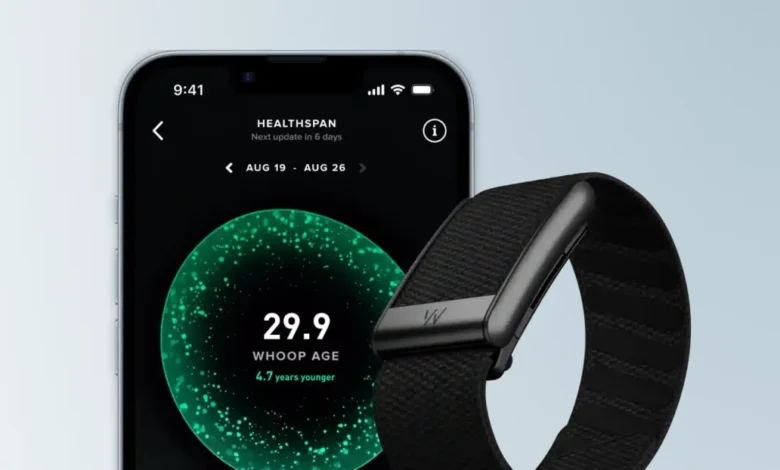
Fitness technology company Whoop is expanding its ecosystem beyond individual health metrics with the introduction of a dedicated social network titled Whoop Humans. Rolled out at no additional cost across all membership tiers within the proprietary Whoop application, the feature allows users to share custom health metrics, workouts, sleep scores, and personal achievements with friends, family members, and chosen health professionals.
Unlike the company’s existing communal feature, Teams—which relies on open leaderboards and group-wide visibility—Whoop Humans is engineered for intimate, highly customized sharing. Members retain granular control over their privacy, choosing precisely who can follow them and which specific data points are visible to individual connections. As the wearable technology sector rapidly evolves to incorporate preventive care, remote patient monitoring, and medical-grade diagnostics, the launch of Whoop Humans highlights a broader industry shift toward interconnected digital health ecosystems.
From Isolated Tracking to Connected Wellness Communities
Since its inception, Whoop has focused on screen-less biometric monitoring, delivering continuous feedback on strain, recovery, and sleep to athletes and fitness enthusiasts. However, the market dynamics of wearable technology have shifted dramatically. Companies are increasingly moving away from closed-loop personal tracking toward collaborative health management, recognizing that social accountability and familial oversight can drive engagement and improve health outcomes.
The Whoop Humans feature is entirely opt-in, addressing long-standing concerns regarding personal data exposure in digital spaces. Users can attach commentary and photographs to their metrics, while followers can leave reactions and comments. According to internal beta testing data cited by Whoop CEO Will Ahmed, the network has revealed that users experience higher engagement when connections report low recovery scores rather than optimal ones. This behavioral insight suggests that the feature could serve as an informal early-warning system, alerting family members or trainers when an individual is experiencing fatigue, illness, or acute stress.
Privacy safeguards are central to the platform’s architecture. Members can selectively share metrics, remove followers at will, and activate a “stealth mode” to temporarily obscure their data without altering long-term settings. Furthermore, sensitive activities are excluded from sharing by default, and medical-grade alerts or clinical data are strictly omitted from the social layer. The company also employs content moderation protocols, allowing users to report disturbing comments or media for internal review.
The Strategic Shift Toward Medical Wellness and Aging Demographics
The introduction of Whoop Humans coincides with the company’s aggressive pivot toward medical wellness. Much like its primary competitor, Oura, Whoop is positioning itself to capture the lucrative market opportunities presented by an aging global population. Over the past eighteen months, Whoop has reported significant growth among demographics aged 60 and older.
This demographic expansion has been supported by deliberate product integration. Whoop has previously incorporated FDA-cleared electrocardiogram (ECG) functionality, atrial fibrillation detection, blood pressure insights, routine blood testing integrations, and medical record uploads into its platform. Notably, the company secured inclusion in a pilot Medicare program that reimburses qualifying medical wearables capable of demonstrating measurable improvements in patient health outcomes.
Industry analysts note that features like Whoop Humans will likely find strong adoption among adult children monitoring the baseline health and recovery metrics of aging parents. This bridges the gap between consumer fitness trackers and remote patient monitoring devices traditionally prescribed in clinical settings.
Market Consolidation and Competitive Pressures
The competitive landscape for smart wearables is undergoing unprecedented consolidation and capital deployment. The announcement of Whoop Humans follows Oura’s acquisition of AI-native primary care startup Counsel Health for $625 million, a transaction signaling that hardware manufacturers are eager to bundle clinical services directly with wearable devices.
Addressing the M&A environment, Ahmed indicated that further consolidation among artificial intelligence firms, clinician networks, and wearable technology developers is inevitable. Backed by substantial funding rounds—including a Series G raise that valued the company at approximately $10 billion earlier in the year—Whoop is actively evaluating acquisition opportunities to expand its digital healthcare footprint. The company projects its active membership base will approach 4 million users by the end of the year, driven by a compound annual growth rate in software subscriptions exceeding 70% over a three-year period.
Despite mounting competition from tech conglomerates, Whoop continues to scale its physical retail footprint. The company confirmed plans to launch in approximately 500 Ulta Beauty retail locations next March, with a long-term target exceeding 1,000 stores. This retail expansion aligns with a reported doubling of Whoop’s female demographic over the past year.
The competitive pressure remains intense. Whoop faces established market incumbents and new entrants alike, including Google’s screenless Fitbit Air band and reports that Apple is developing a rival fitness tracker modeled after the Whoop form factor. Nevertheless, executive leadership maintains that hardware replication does not equal market dominance, emphasizing the company’s dedicated focus on performance-driven consumers and clinical integration.
Corporate Governance, Data Privacy, and Future Outlook
As Whoop positions itself as a comprehensive personal health brand, questions regarding data monetization and regulatory compliance remain paramount. Ahmed reiterated that the company strictly prohibits the sale or licensing of member data to third parties.
"Our product is not you; it’s the membership," Ahmed stated, addressing data privacy concerns.
Regarding corporate governance and financial transparency, Whoop has not disclosed specific revenue figures or profitability metrics, though the company currently employs approximately 1,200 personnel. While an initial public offering (IPO) has not been scheduled for the immediate future—especially amid broader market uncertainty that recently caused competitors to shelve public listing plans—leadership confirmed that the company intends to pursue a public offering eventually.
As Whoop Humans goes live, the feature will serve as a test case for whether consumers are willing to blend intimate biometric data sharing with social networking. If successful, the platform could redefine how families, athletes, and medical professionals collaborate on preventive health and wellness management in the digital age.