The Paradigm Shift: How "Query Fan-Out" Redefines Content Visibility in the Age of AI

The digital landscape is undergoing a profound transformation, with the advent of large language models (LLMs) fundamentally altering how information is discovered and consumed. A critical, yet often misunderstood, mechanism at the heart of this change is "query fan-out," a sophisticated background process employed by AI systems to construct comprehensive answers. This phenomenon explains why content that confidently occupies the first page of traditional Google search results might still remain unnoticed or uncredited by leading LLMs like ChatGPT, Perplexity, and Google’s AI Overviews.

The Evolution of Search and AI’s Approach
For decades, search engine optimization (SEO) has primarily revolved around ranking pages for specific keywords. The goal was to appear at the top of a search engine results page (SERP), driving traffic directly to a website. However, AI systems operate with a different objective: to synthesize a complete, nuanced answer directly to the user, often without requiring them to click through to an external page. This represents a paradigm shift from link-based discovery to direct information provision.
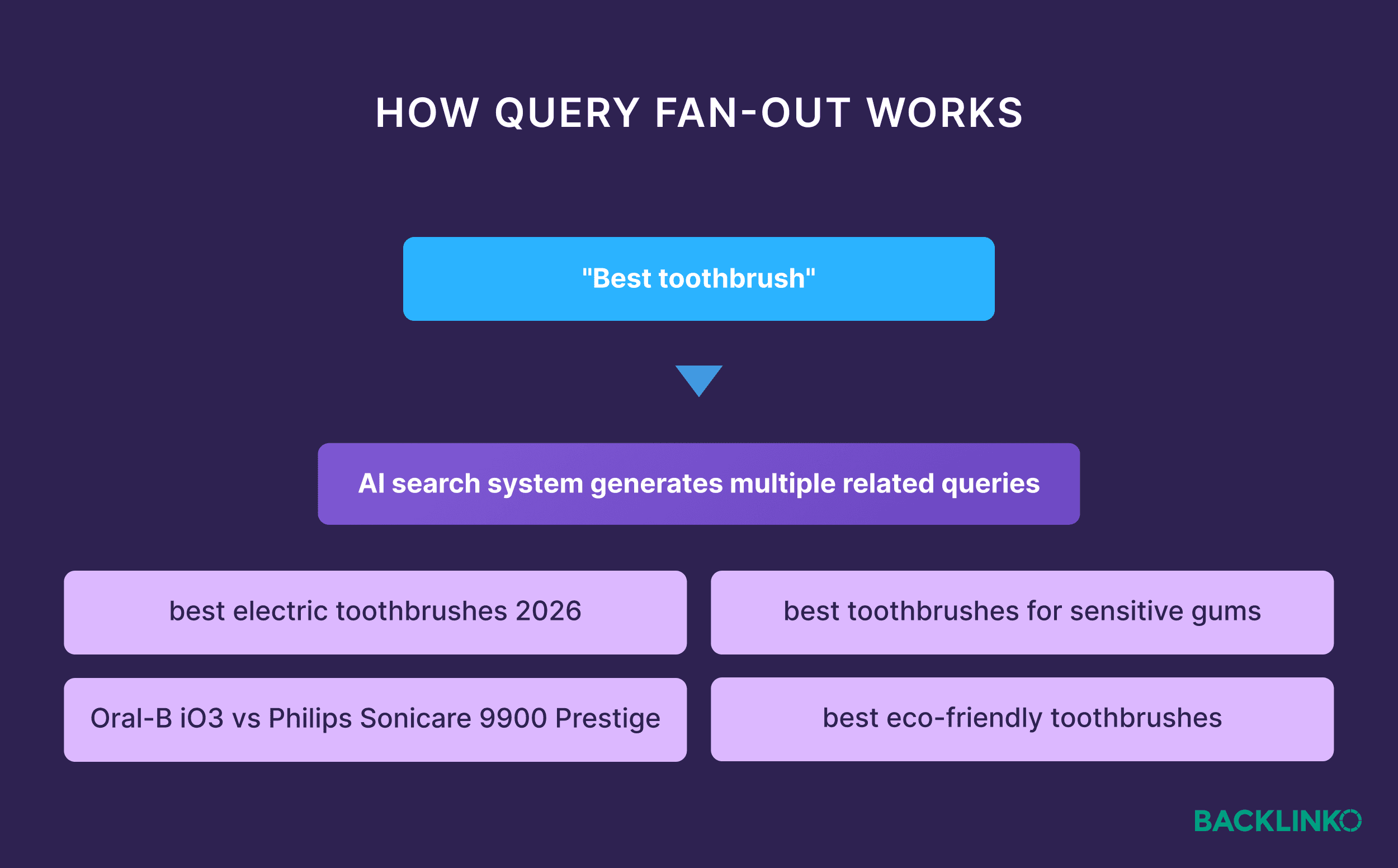
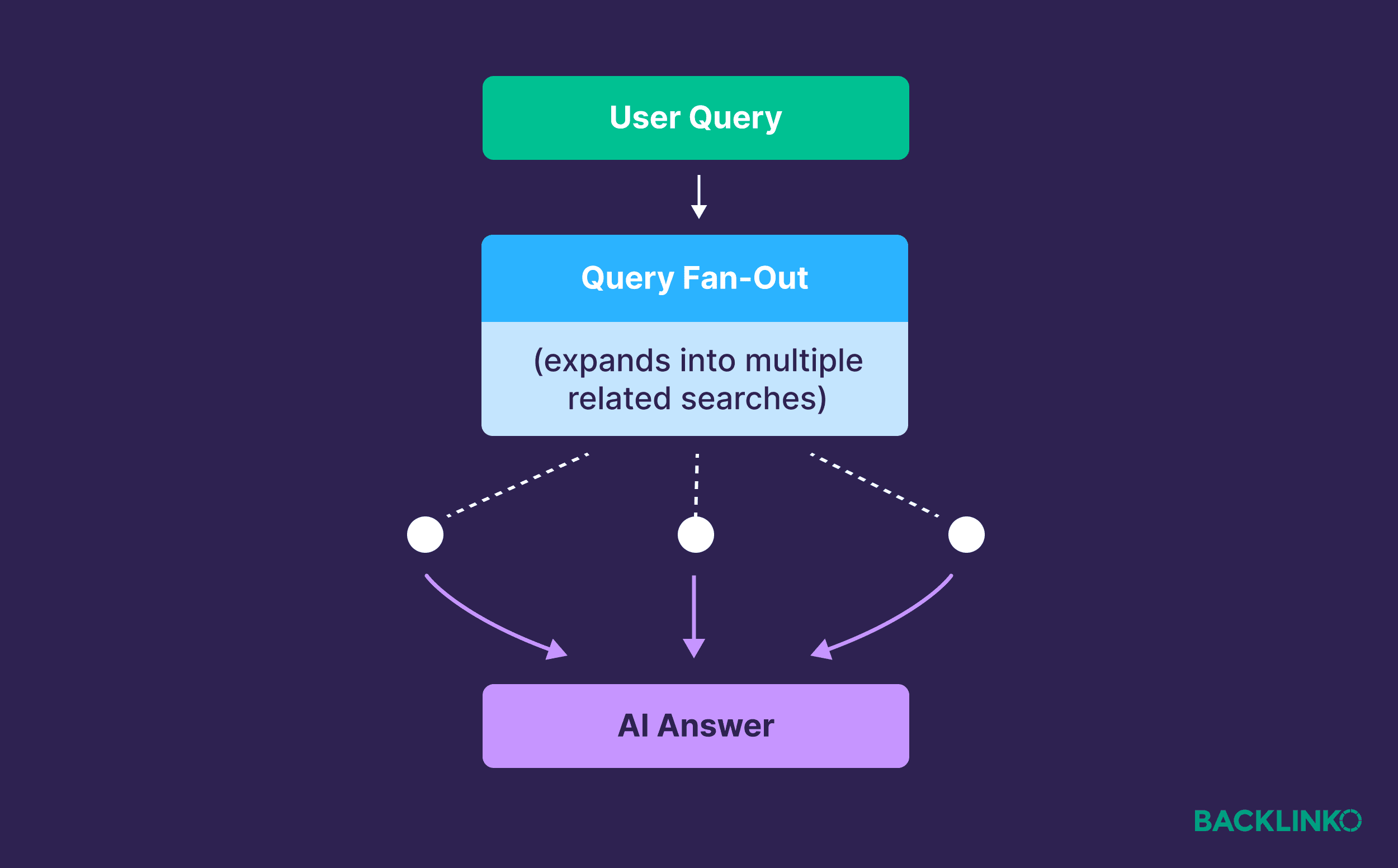
When a user poses a question to an AI, the system doesn’t merely consult the highest-ranking webpage for that exact phrase. Instead, it initiates a "query fan-out," breaking down the original complex query into a multitude of related, granular sub-queries. These sub-queries delve into various aspects, contexts, and user intents implied by the initial question. The AI then casts a wide net, retrieving information from an array of sources – irrespective of their conventional search engine ranking positions – to gather the most relevant and reliable passages that collectively address the user’s intent.
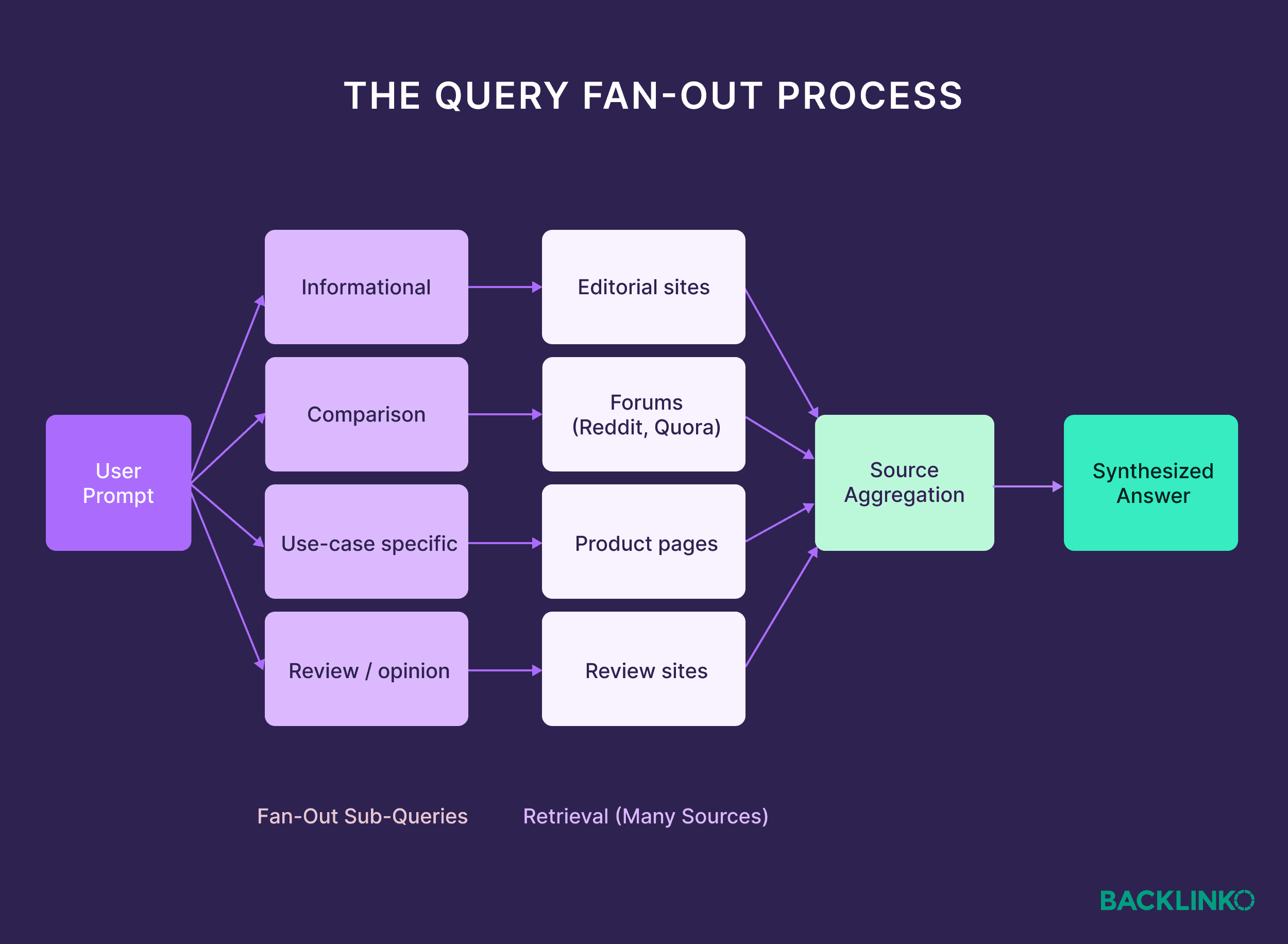
This re-evaluation of source importance means that while high traditional SEO rankings are certainly not detrimental, they are no longer the sole determinant of AI visibility. In this new era, coverage and retrievability emerge as the paramount metrics for digital content success. If a brand’s content, or mentions of its products/services by third parties, do not appear within the diverse set of results generated by these fan-out sub-queries, its chances of being cited or included in an AI-generated answer are significantly diminished.
Understanding Query Fan-Out: A Deeper Dive
Query fan-out is best understood as an AI’s internal brainstorming session. Imagine a user asks, "What is the best electric car for long commutes in cold weather?" A traditional search might prioritize pages titled "Best Electric Cars 2024" or "EVs for Winter Driving." An AI, using query fan-out, would decompose this into:
- "Most energy-efficient electric cars" (Reformulation)
- "Electric car battery range in cold climates" (Implicit need)
- "Charging infrastructure for electric cars on long trips" (Related topic)
- "Reliability of specific EV models in sub-zero temperatures" (Entity expansion/Personalized)
- "Comparison of Tesla vs. Hyundai Ioniq 5 for long-distance driving" (Comparative)
- "User reviews electric cars cold weather performance Reddit" (Social Proof)
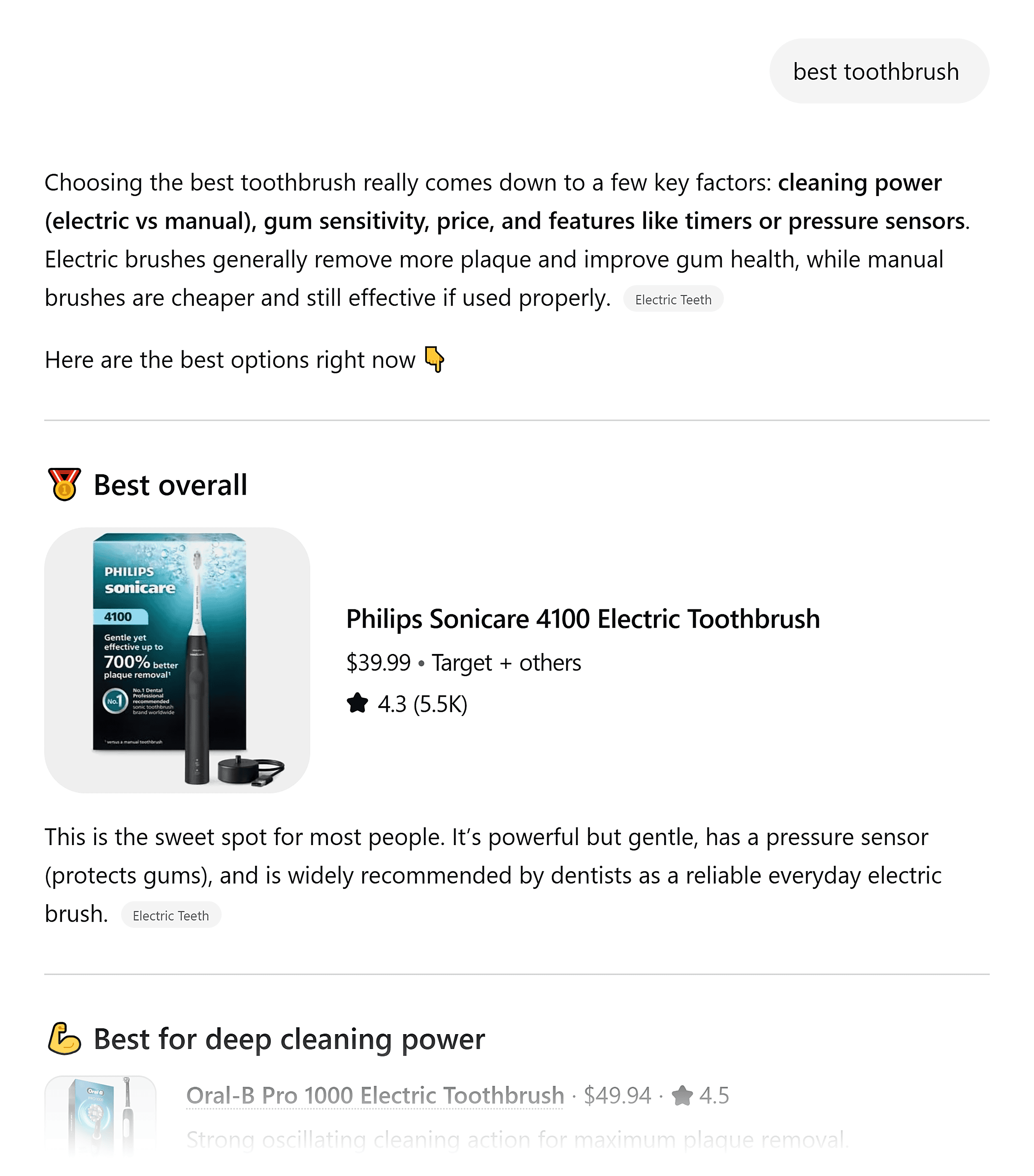
The AI then searches for answers to each of these sub-questions, drawing from a diverse corpus that might include academic papers, technical specifications, forum discussions, product reviews, and journalistic articles. The final response is a synthesis of these findings, presenting a holistic answer that anticipates and addresses various facets of the user’s implicit needs, even from a seemingly simple initial prompt.
This process distinguishes AI-powered search from conventional search in several crucial ways:
- It is not a direct ranking system: AI does not simply list pages based on authority or keywords.
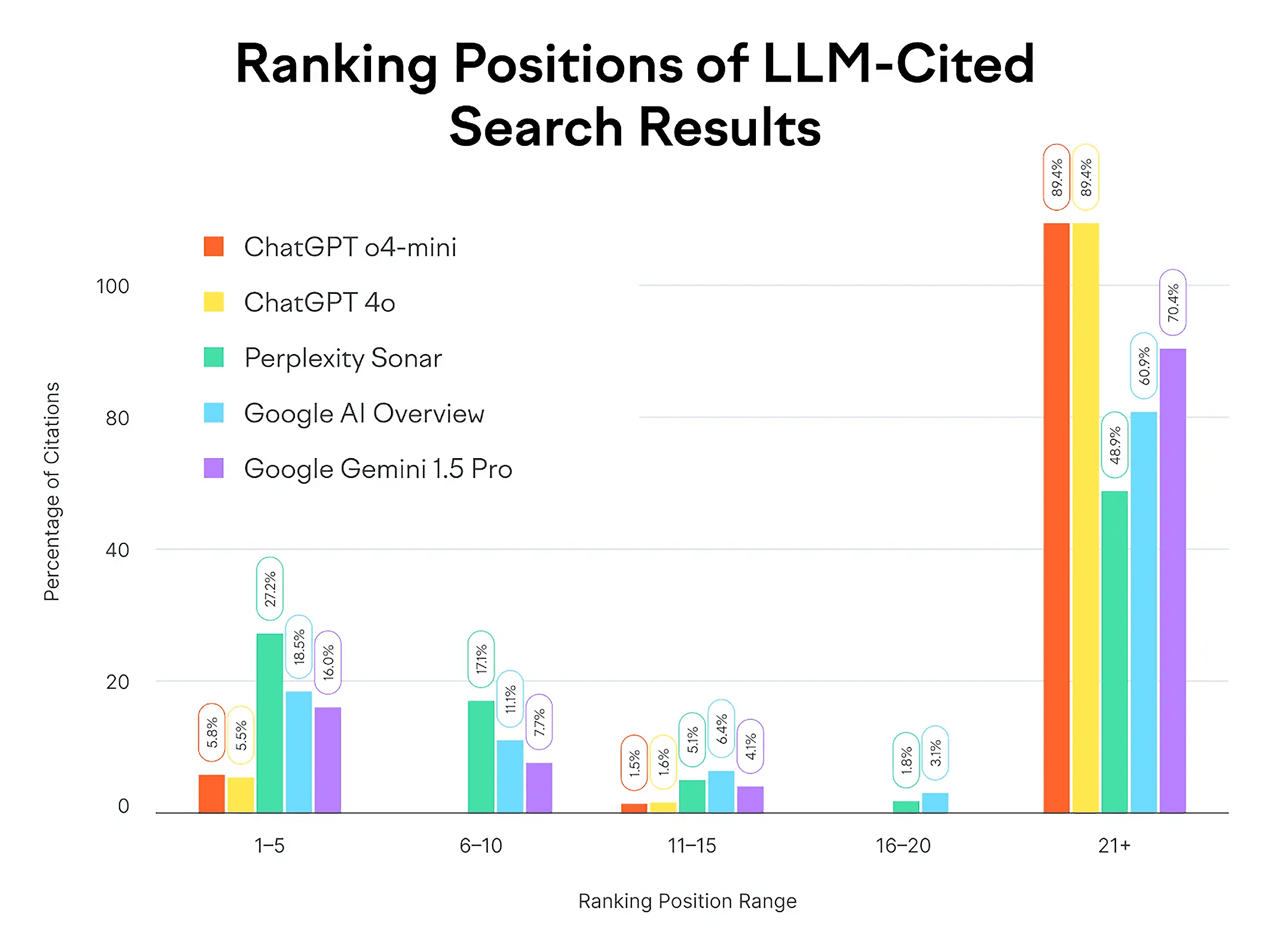
- It is not confined to top results: A Semrush study revealed that ChatGPT cites pages ranking 21st or lower almost 90% of the time, demonstrating a clear departure from traditional SERP dominance.
- It focuses on passage retrieval, not page linking: AI extracts and synthesizes specific snippets of information, meaning the precise location and clarity of an answer within a page are more important than the page’s overall ranking.
Implications for Content Strategy and the Buyer’s Journey
The emergence of query fan-out necessitates a fundamental re-evaluation of content strategy for businesses and publishers alike.

1. Decentralized Authority and Citation: The traditional SEO model emphasized building domain authority to rank highly. With AI, authority becomes more granular. A lesser-known site with a highly relevant, accurately phrased passage on a specific sub-query might be cited over a top-ranking page from an industry giant if its content is more retrievable and directly answers a sub-query. This empowers niche experts and highly specialized content.

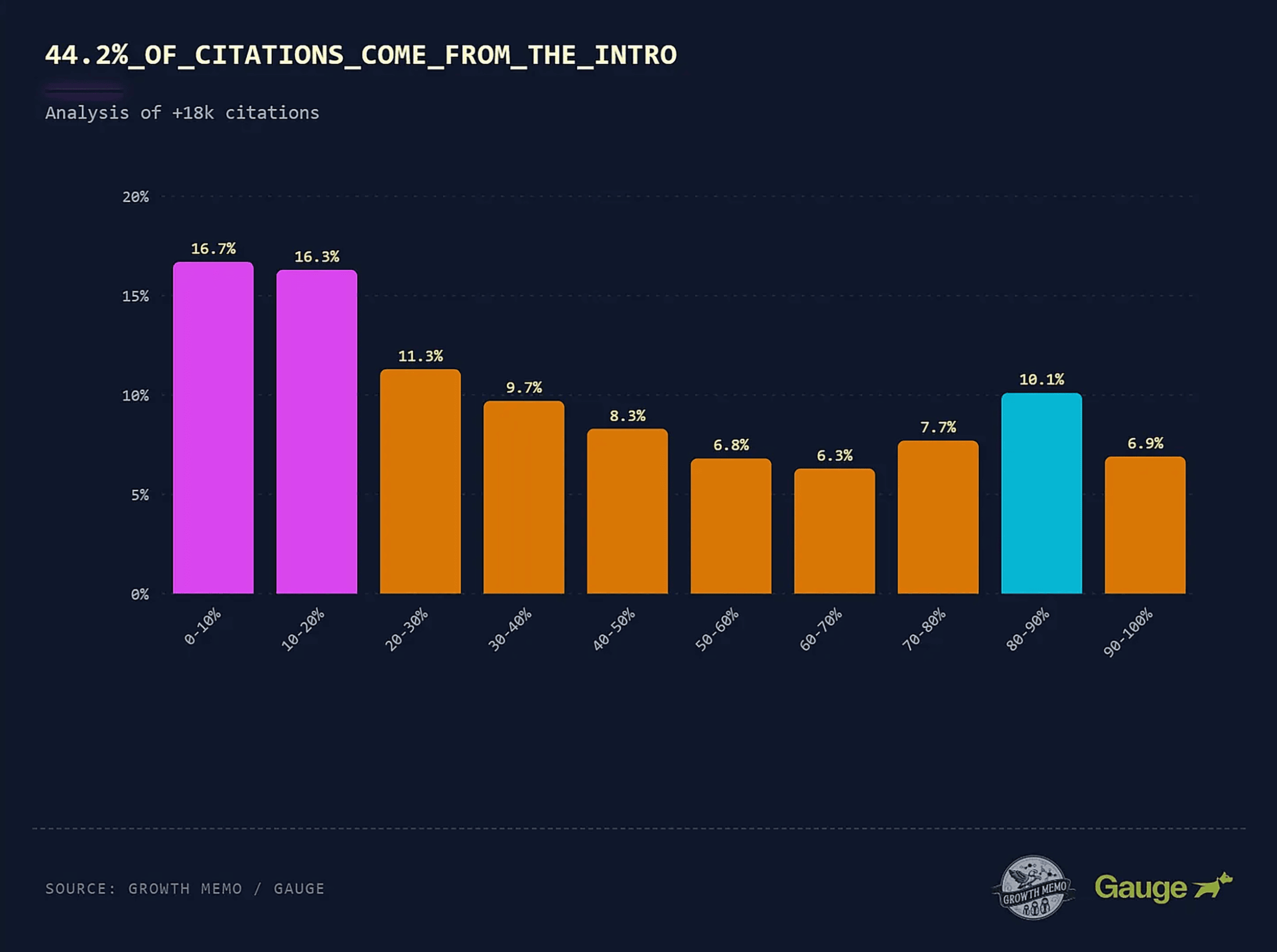
2. The Primacy of "Atomic" Answers: AI systems are designed to extract specific answers. This means content should be structured so that individual sections or paragraphs can stand alone and directly resolve a distinct sub-query. Kevin Indig’s analysis of 1.2 million ChatGPT responses showed that 44.2% of citations came from the first 30% of a page, underscoring the importance of front-loading key information and providing concise, clear answers early on.
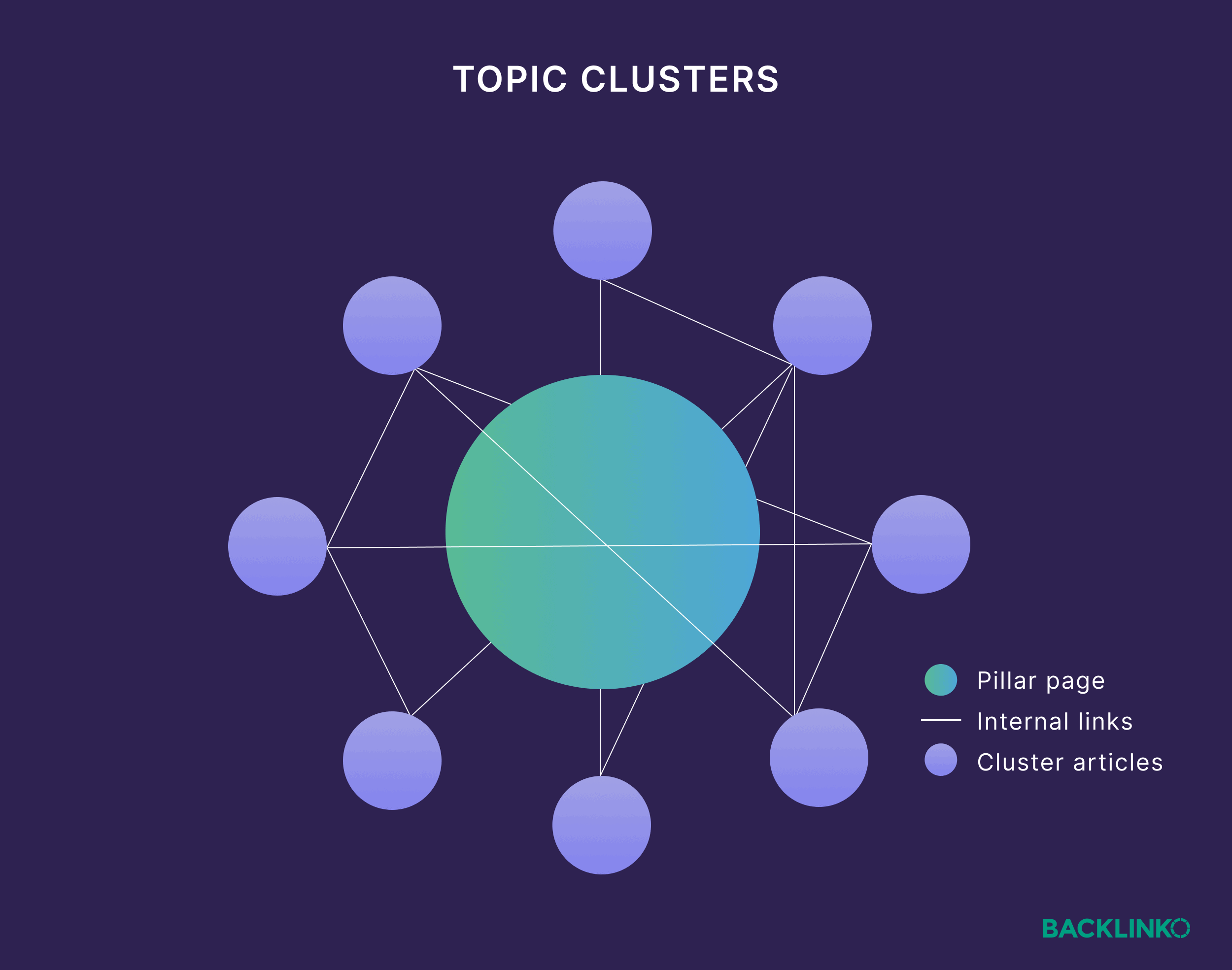
3. Topic-Centric vs. Keyword-Centric Optimization: The focus shifts from optimizing for individual keywords to achieving comprehensive topical authority. Rather than creating disparate pieces of content targeting single keywords, brands must develop robust topic clusters and pillar pages that thoroughly cover a subject from multiple angles, anticipating the full spectrum of sub-queries an AI might generate. This interconnected web of content enhances the likelihood of overall AI visibility.
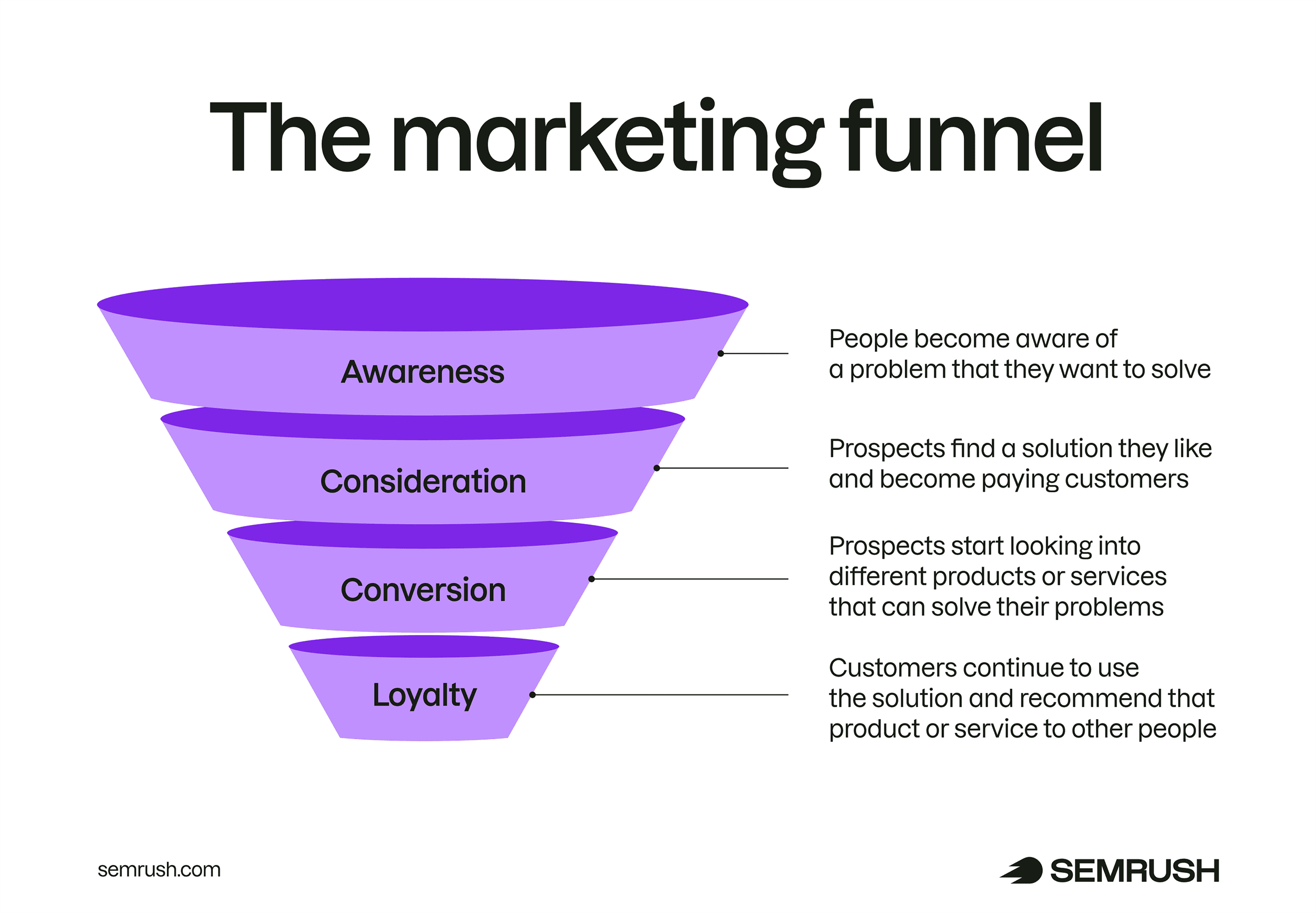
4. The Collapsing Buyer’s Journey: The conventional marketing funnel (awareness, consideration, decision) has long guided content creation. AI, through query fan-out, effectively collapses these stages into a single interaction. A user’s initial query, even if seemingly "top-of-funnel," can trigger sub-queries that span educational context, comparative analysis, and specific product recommendations. Content must therefore be capable of addressing multiple stages of the buyer journey simultaneously within a single piece or interconnected content hub. This requires a more integrated and holistic approach to content development.
A Six-Step Workflow for Enhanced AI Visibility
To adapt to this new landscape, digital marketers and content creators can implement a structured workflow:
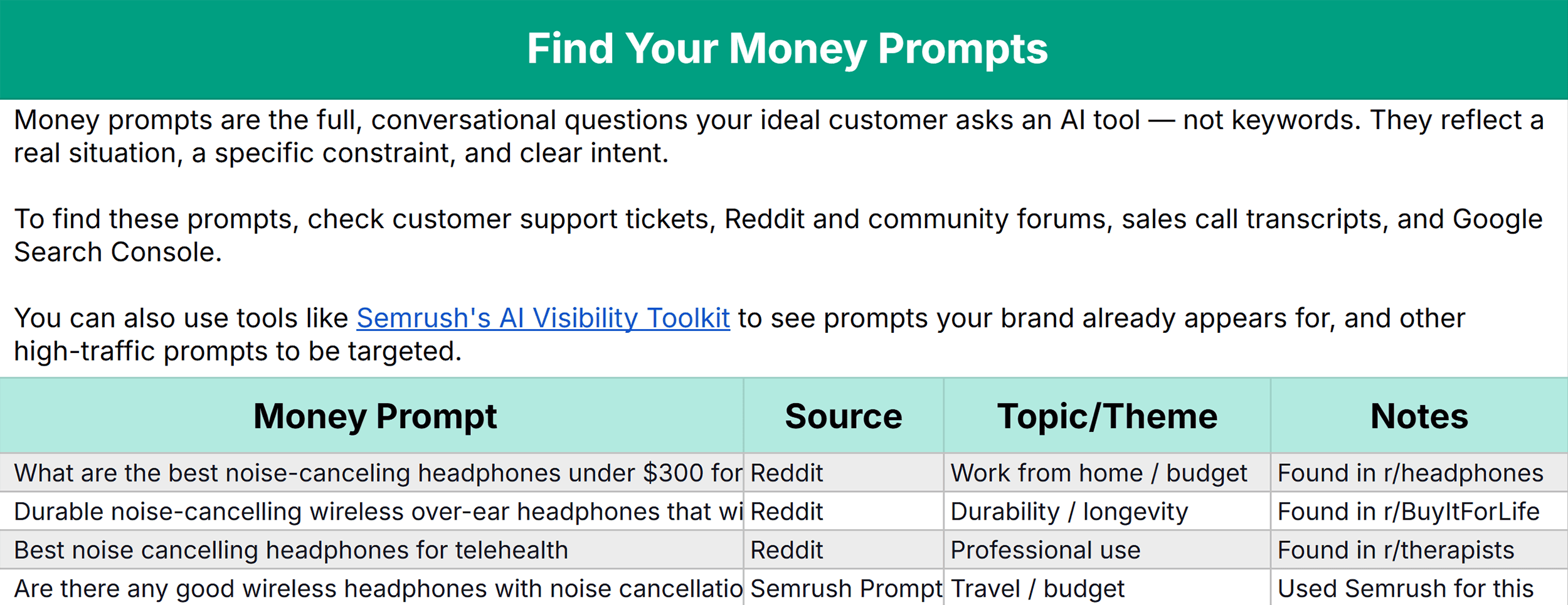
Step 1: Identify "Money Prompts"
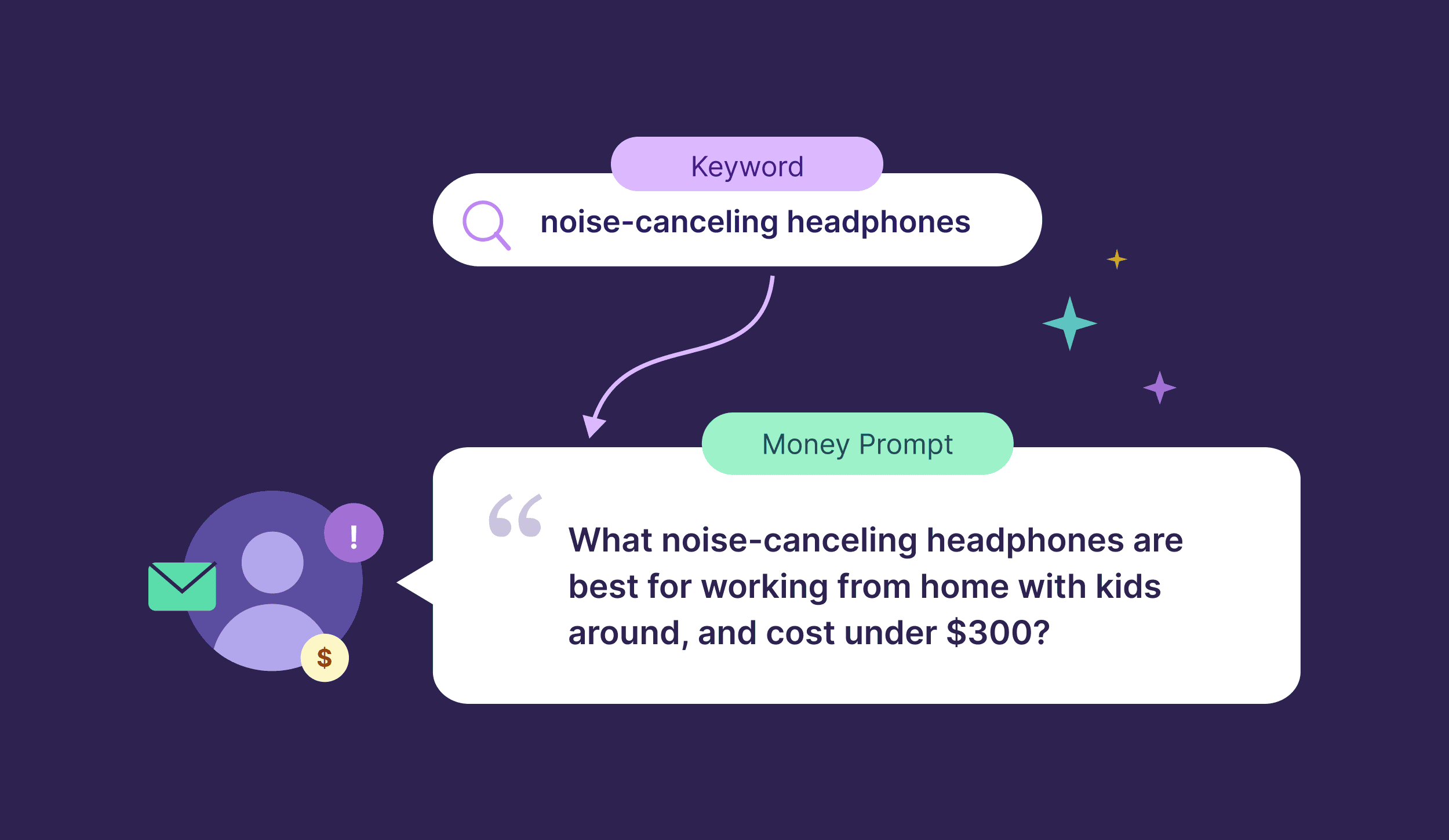
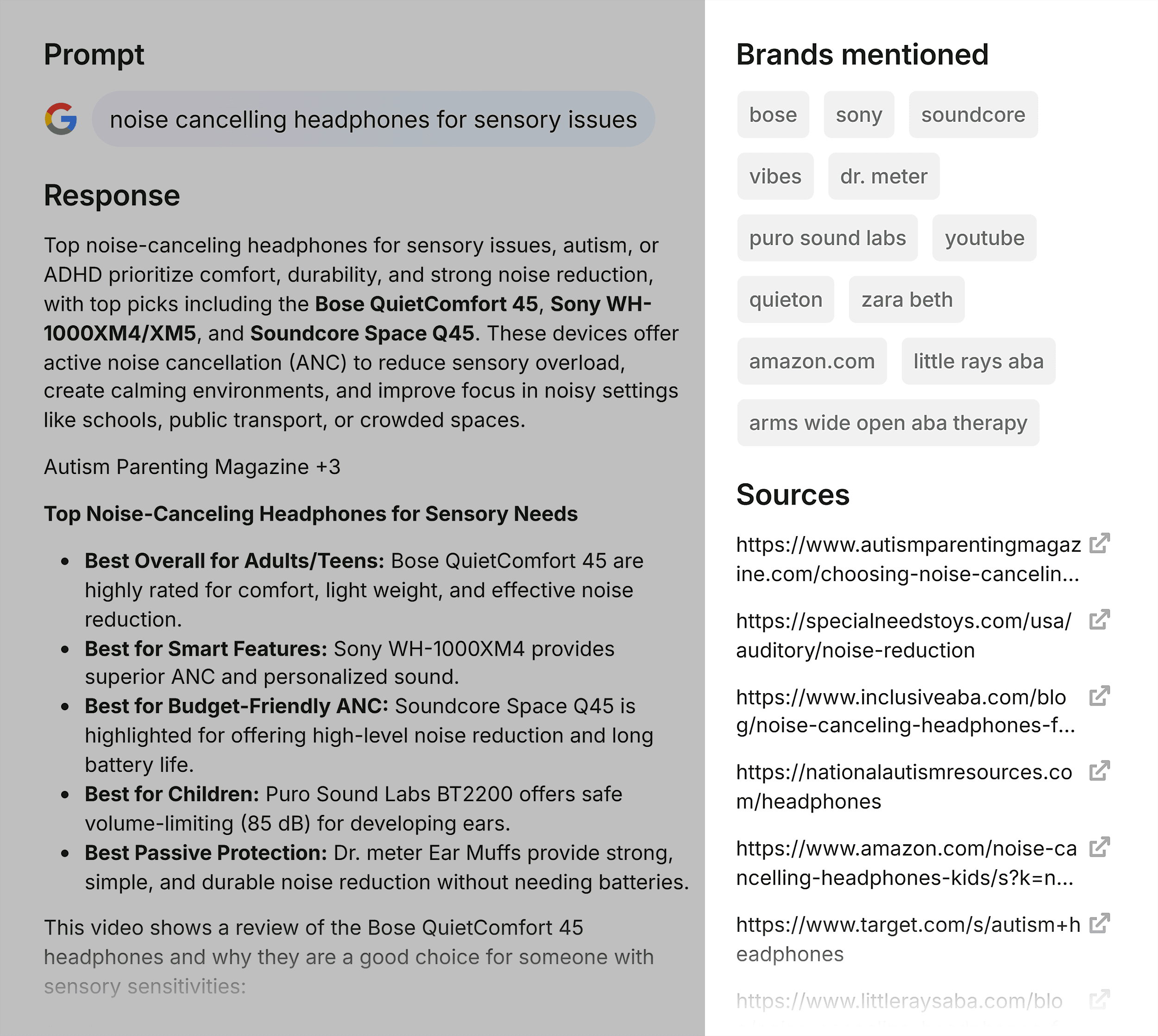
These are high-commercial-intent conversational phrases or questions that your ideal customer would ask an AI when seeking solutions that your product or service provides. Unlike traditional keywords, money prompts are typically longer, more detailed, and reveal a deeper intent. For example, instead of "CRM software," a money prompt might be "What CRM software integrates best with marketing automation for small businesses under $50/month?"
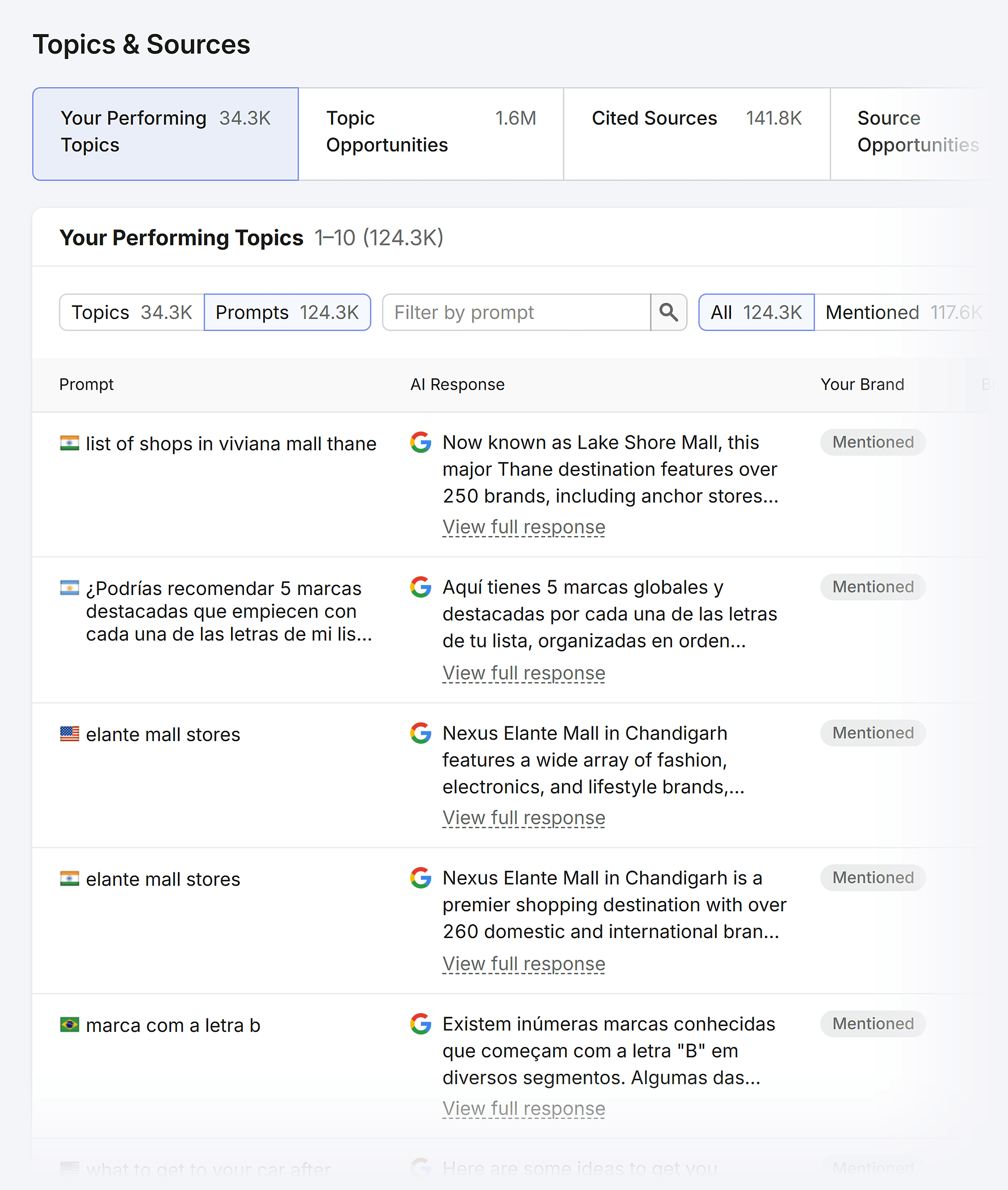
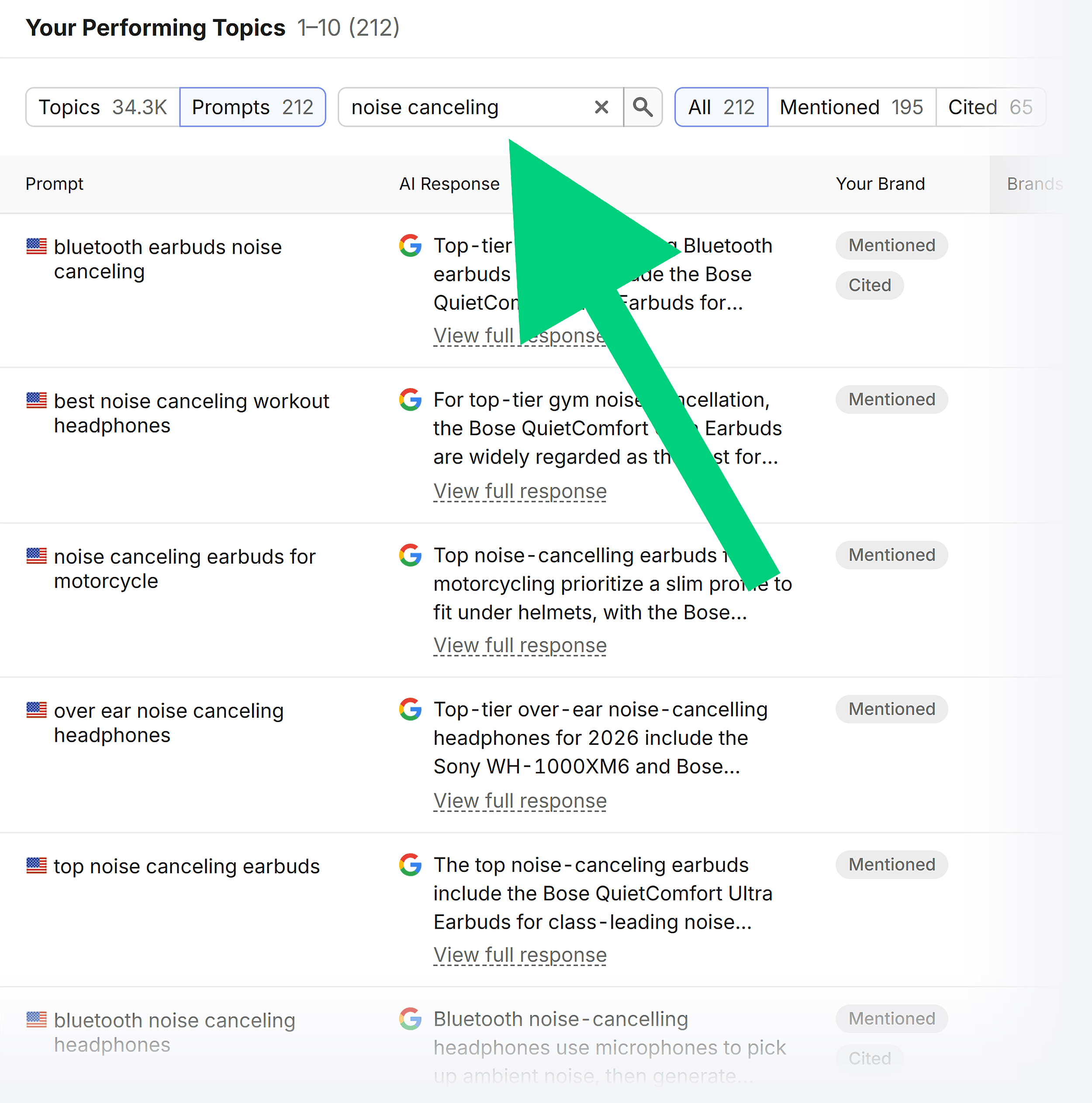
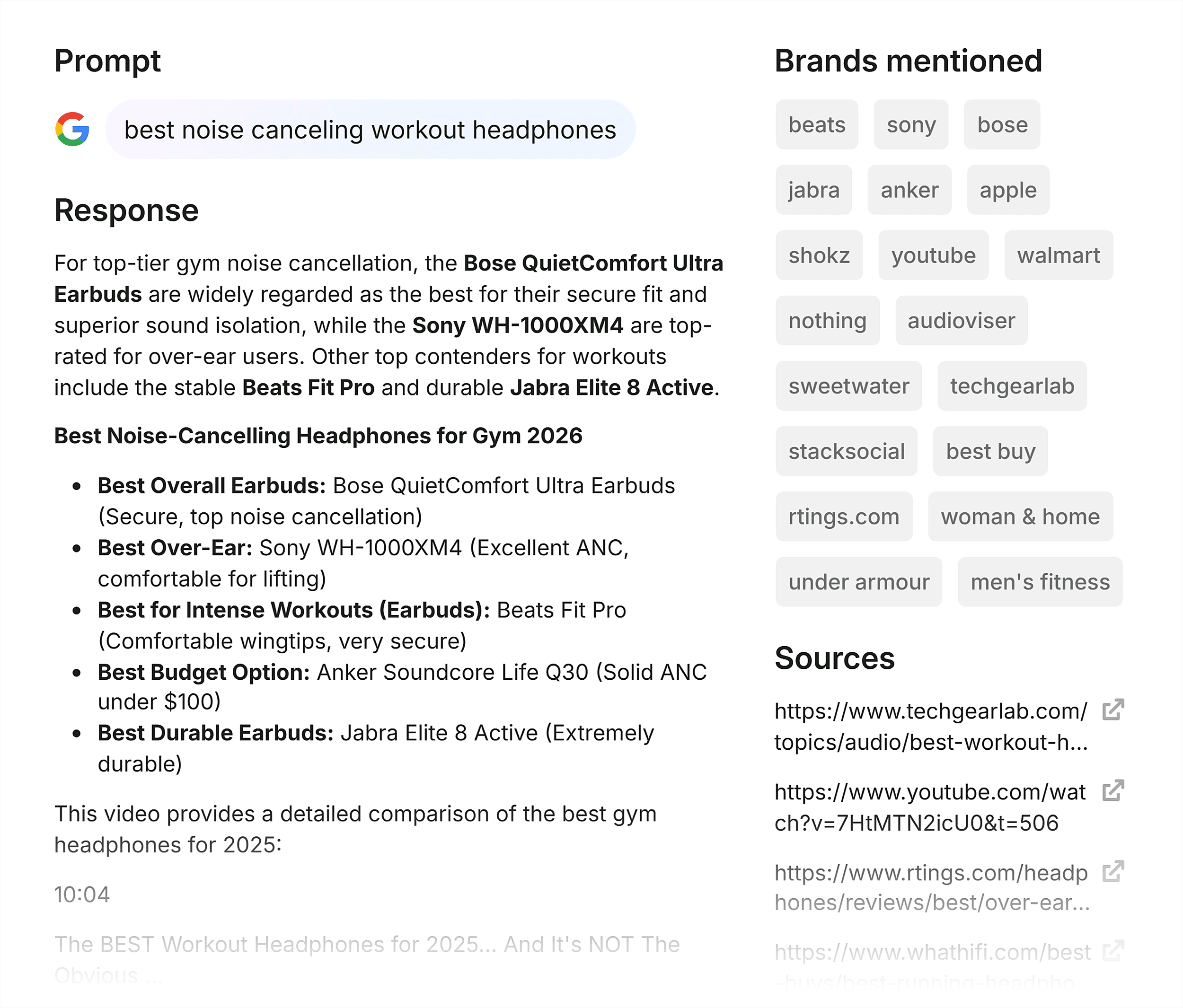
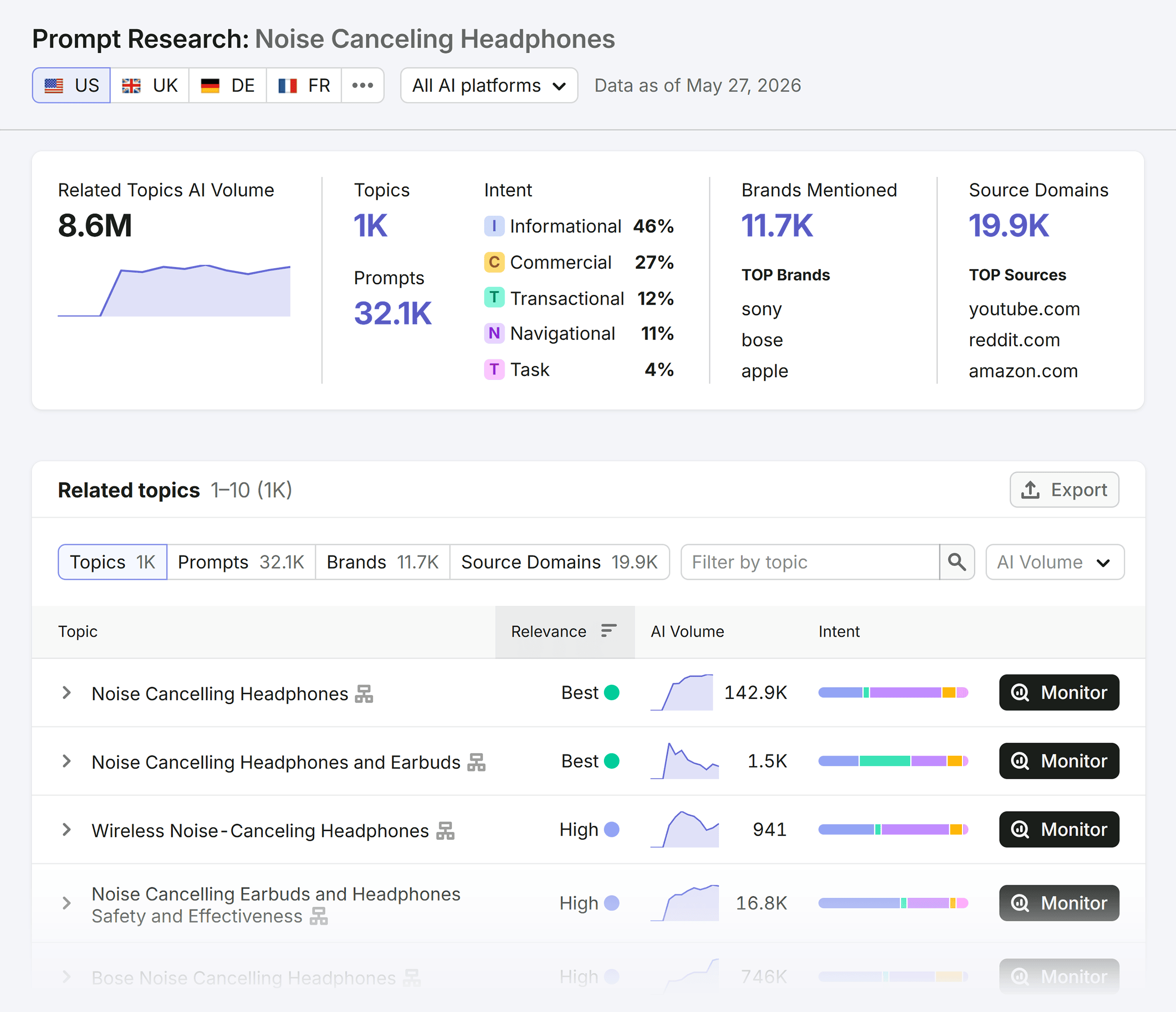
- Discovery: Leverage sources where real users articulate needs: Reddit, Quora, industry forums, customer support transcripts, and AI-specific tools like Semrush’s AI Visibility Toolkit, which provides actual user prompts and AI responses.
Step 2: Generate the Query Fan-Out Set
Once money prompts are identified, generate the array of sub-queries an AI would derive.
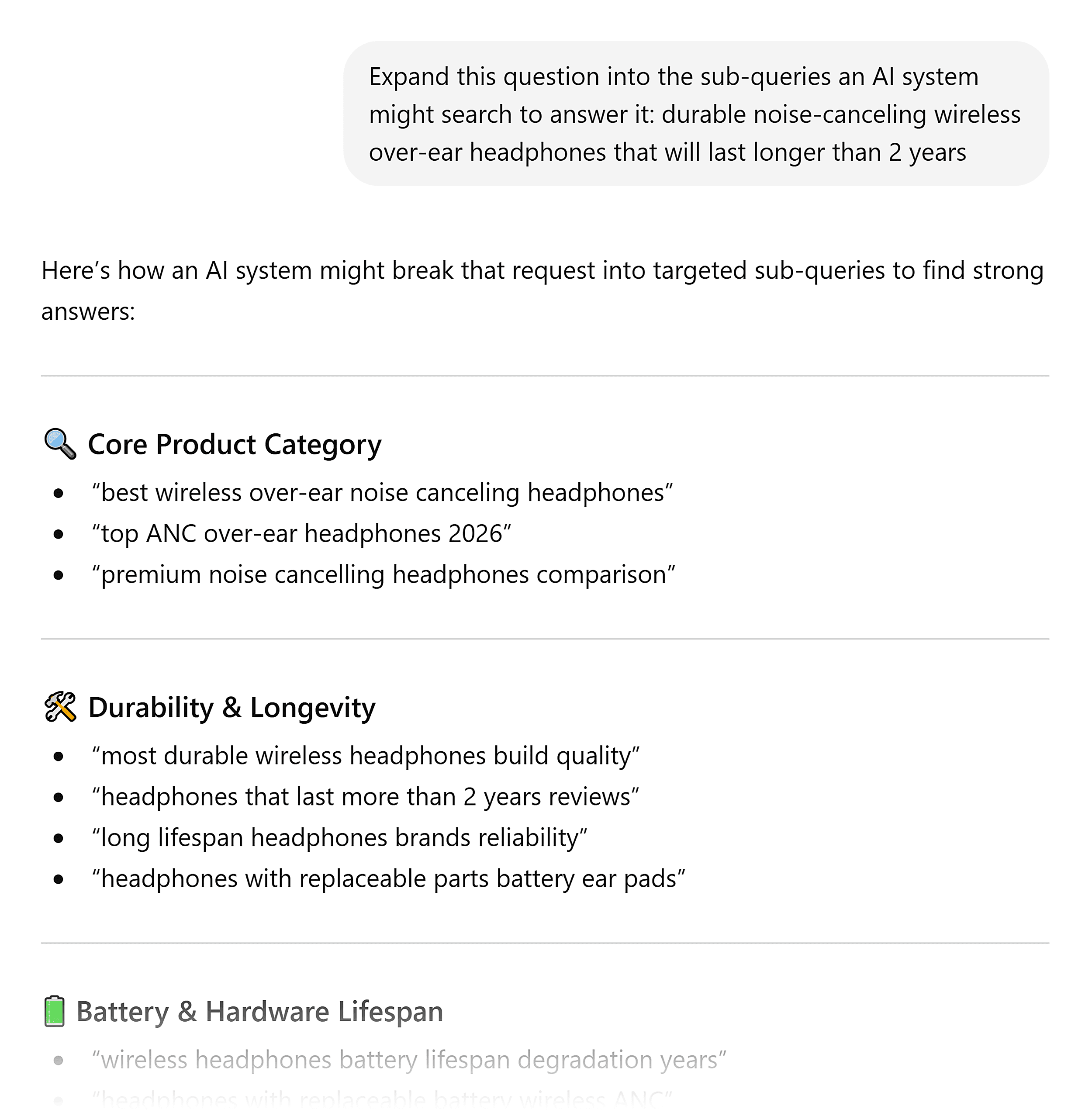
- Manual Method: Use AI platforms (ChatGPT, Perplexity) with a specific prompt template, asking the AI to "decompose this query into all related sub-questions and implicit user needs."
- Automated Tools: Utilize specialized tools like Backlinko’s ChatGPT Query Fan-Out Tool (Chrome extension) or Semrush’s toolkit to automate the extraction of sub-queries and categorize them by type (reformulation, comparative, implicit, personalized, entity expansion, related). This categorization is crucial for understanding the diverse informational needs the AI is trying to satisfy.
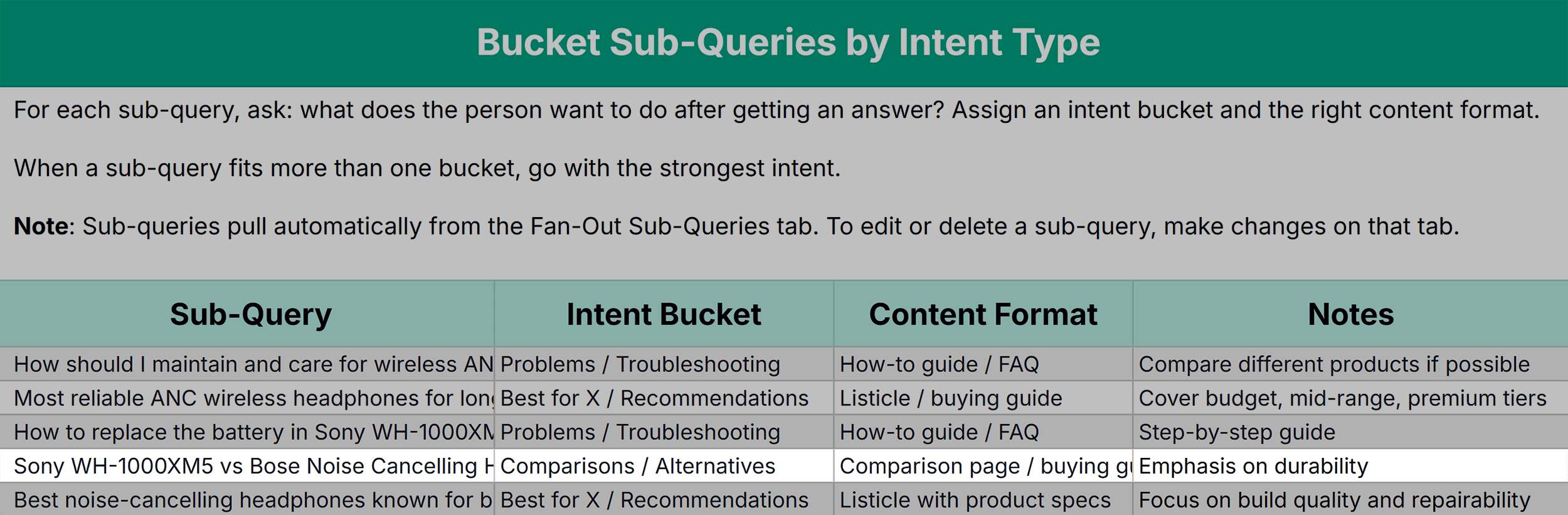
Step 3: Bucket Sub-Queries by Intent Type
Categorize each sub-query based on the underlying user intent. This dictates the optimal content format.
- Definitions/Basics: "What is X?" -> Explainer articles, glossary sections.
- Comparisons/Alternatives: "X vs. Y," "Alternatives to X" -> Comparison pages, head-to-head analysis.
- Best for X/Recommendations: "Best X for Y use case" -> Listicles, comprehensive buying guides.
- Problems/Troubleshooting: "How to fix X," "Why does X happen?" -> How-to guides, FAQ sections.
- Pricing/Value: "How much does X cost," "Is X worth it?" -> Pricing pages, value comparison tables.
- Social Proof/Discussions: "Reviews of X," "User experience with Y" -> Review roundups, curated user feedback.
This step ensures that new content is created with a clear purpose and format aligned with how AI processes information.
Step 4: Audit Existing Content for Gaps
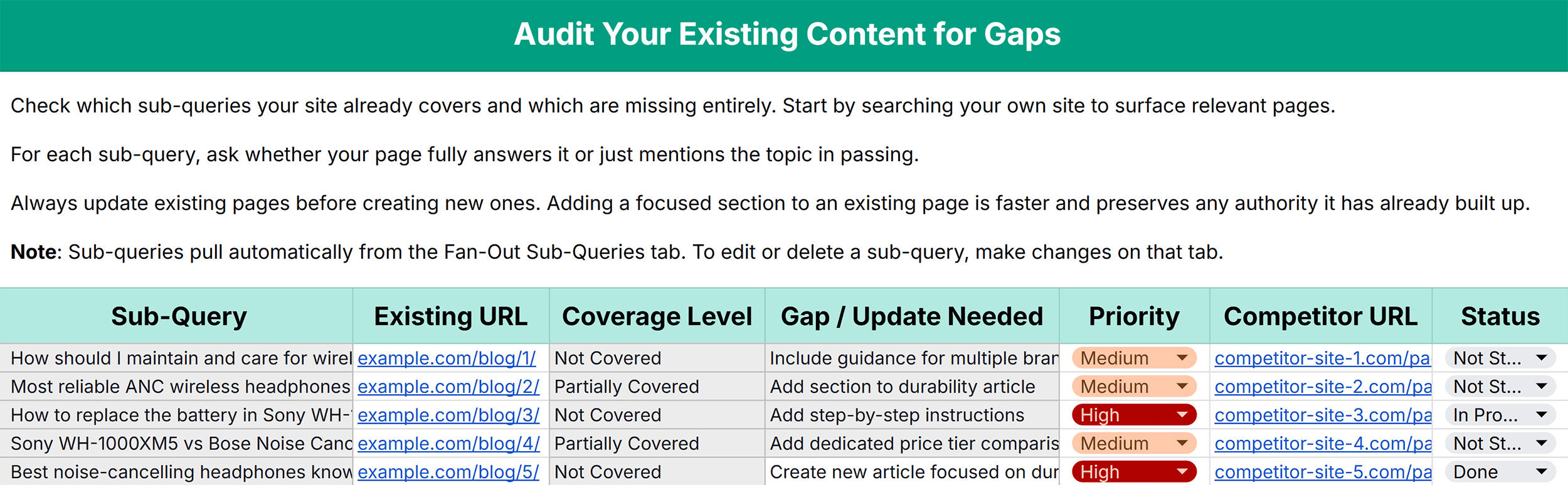
Assess your current content against the identified sub-queries and their intent types.
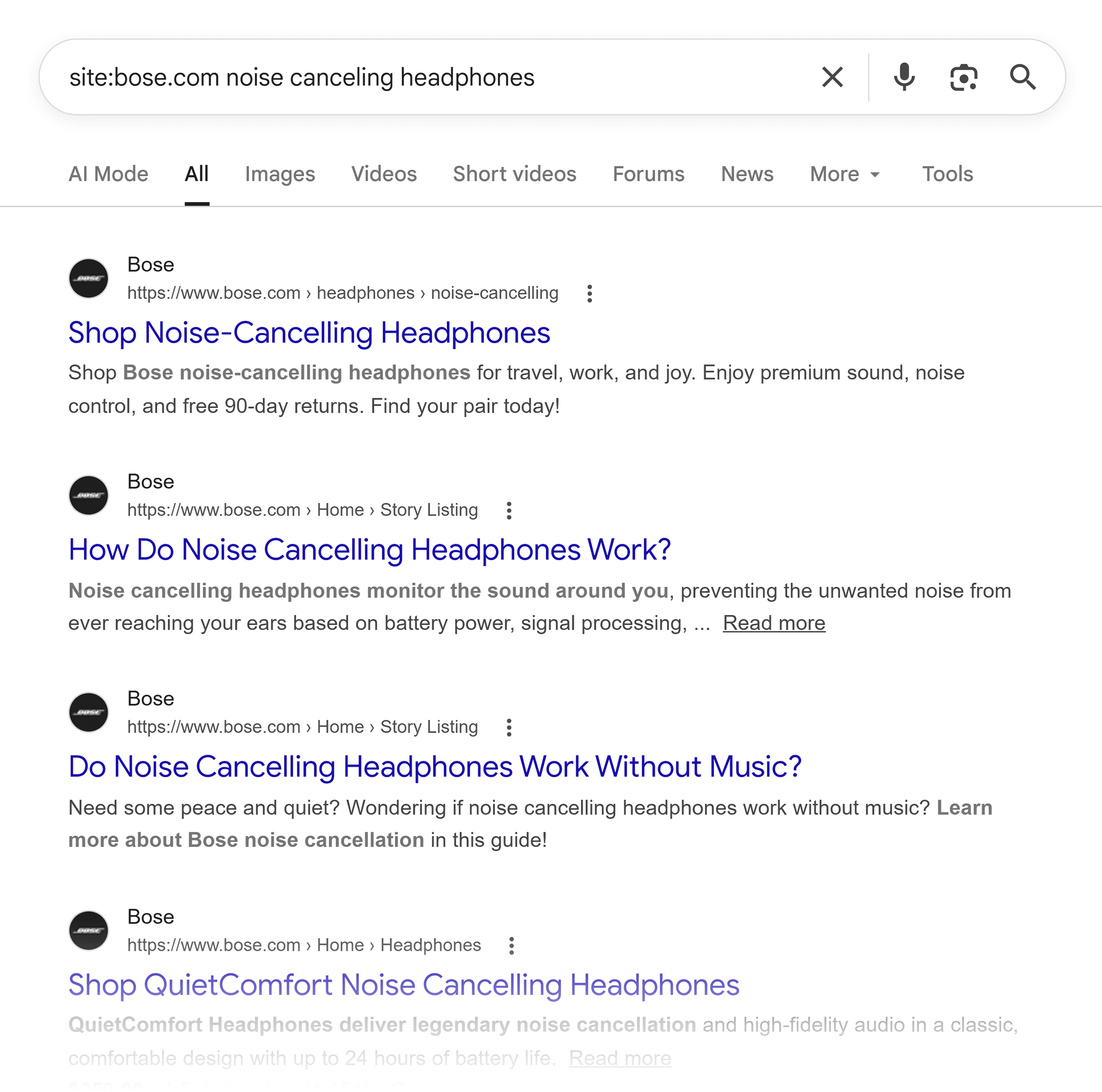
- Internal Search: Use
site:yourdomain.com [sub-query topic]on Google to find relevant pages. - Evaluation: Determine if each sub-query is:
- Not covered: Requires new content.
- Partially covered: Mentions the topic but lacks a self-contained, definitive answer. Requires expanding existing content.
- Fully covered: Provides a complete, extractable answer.
- Competitive Analysis: Use AI visibility tools to see which competitors are being cited for your money prompts and their sub-queries. This highlights both opportunities and threats.
Step 5: Structure Content for AI Extraction
This is where content creation meets AI optimization.
- Fill Gaps: Develop new content for uncovered sub-queries or enhance existing content with dedicated, self-contained sections.
- Descriptive Subheadings: Use H2s and H3s that clearly state the question being answered.
- Concise Answers: Provide direct answers to questions at the beginning of relevant sections.
- Structured Data: Employ tables, lists, and schema markup (e.g., FAQ schema, How-To schema) to present information in an easily parsable format for AI.
- Summarize Key Takeaways: Conclude sections with brief summaries that AI can readily extract.
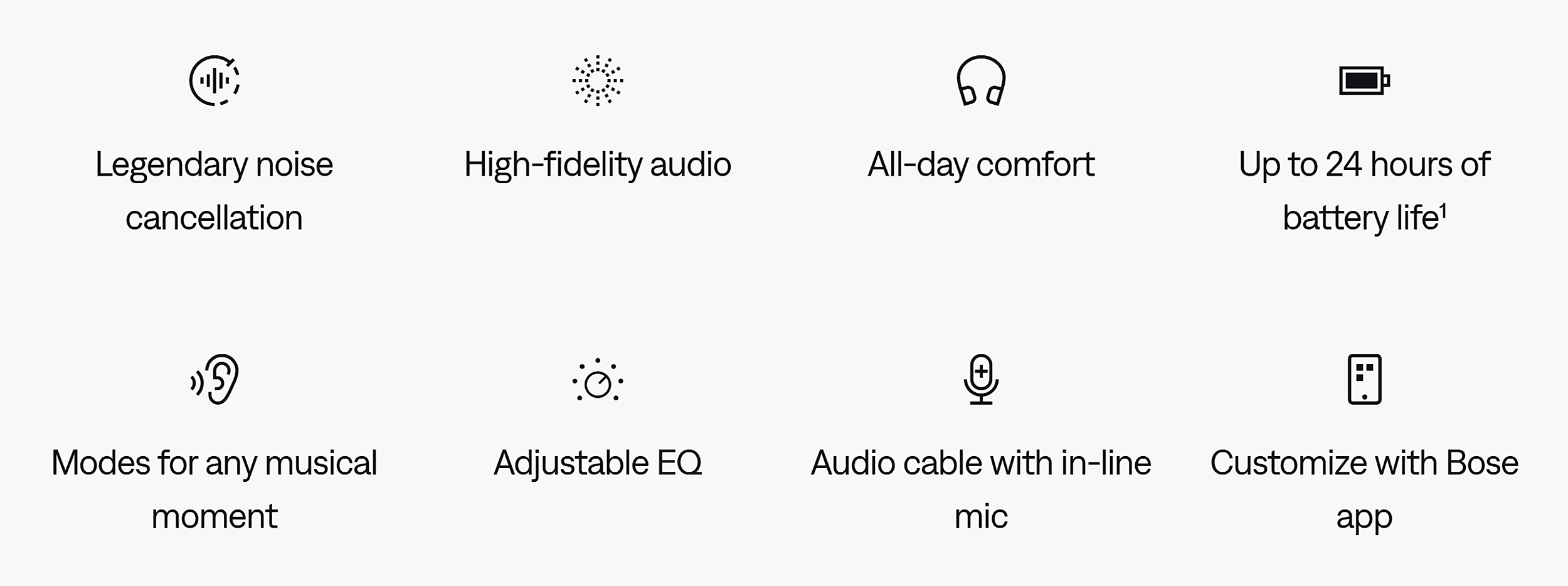
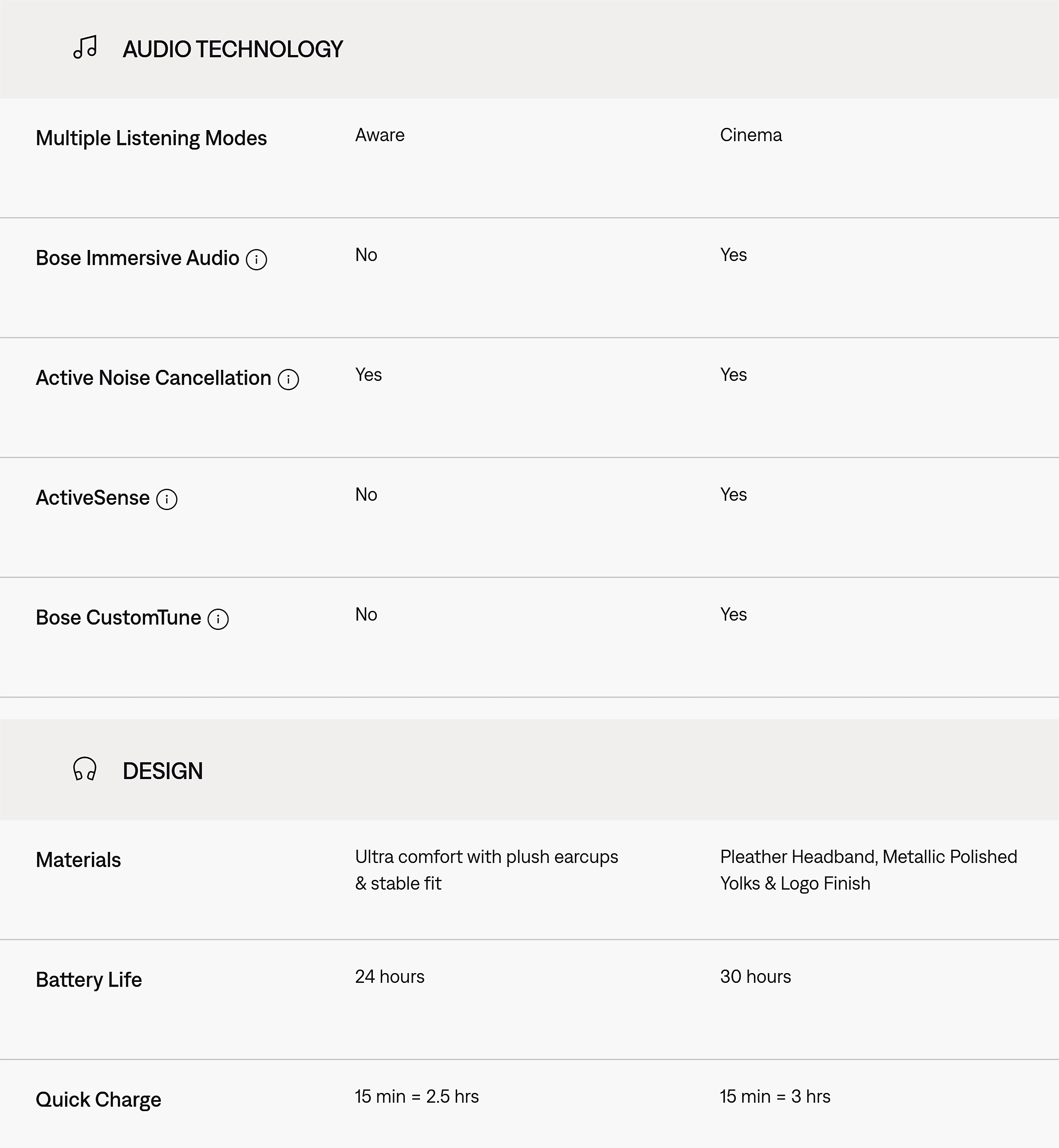
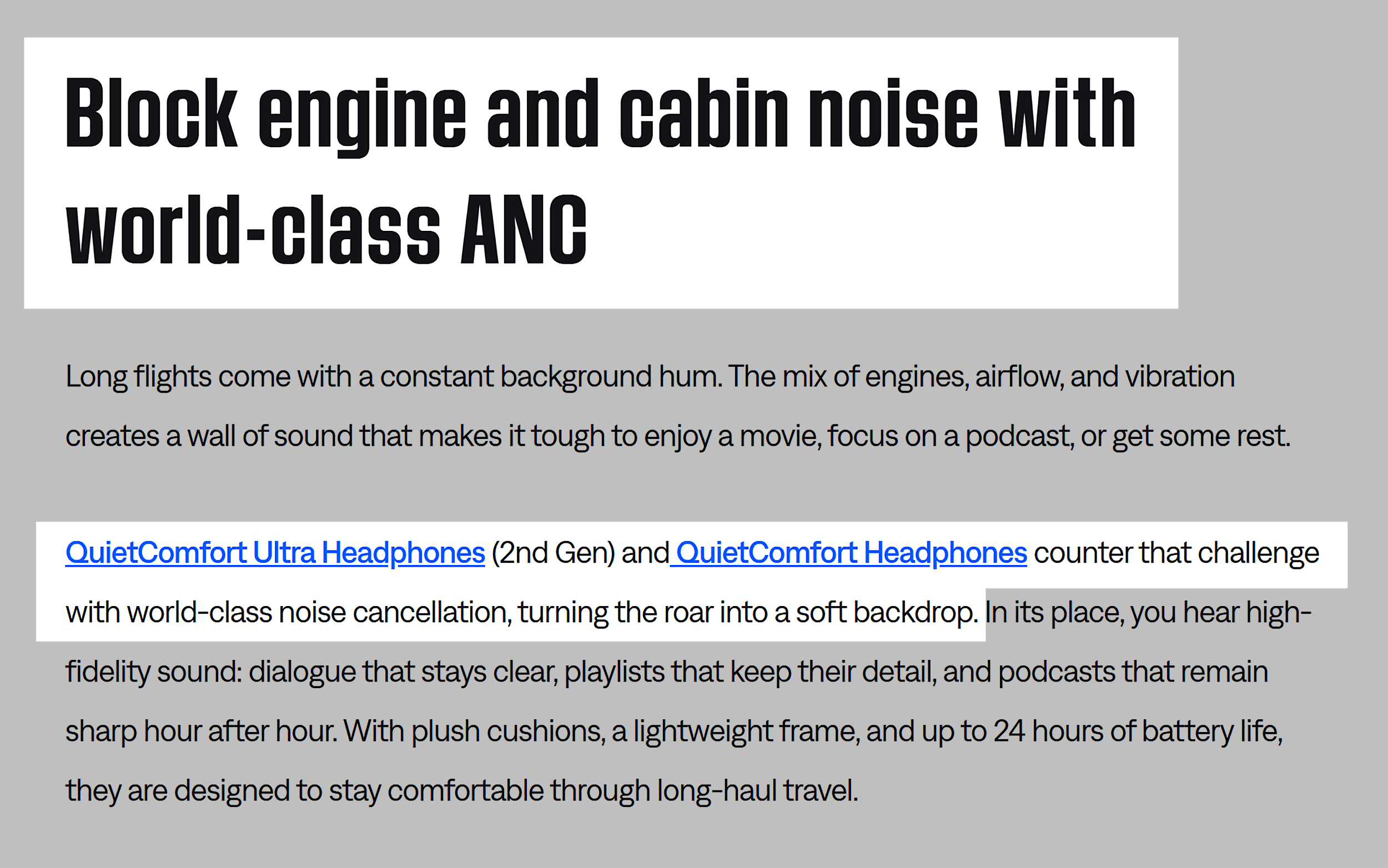
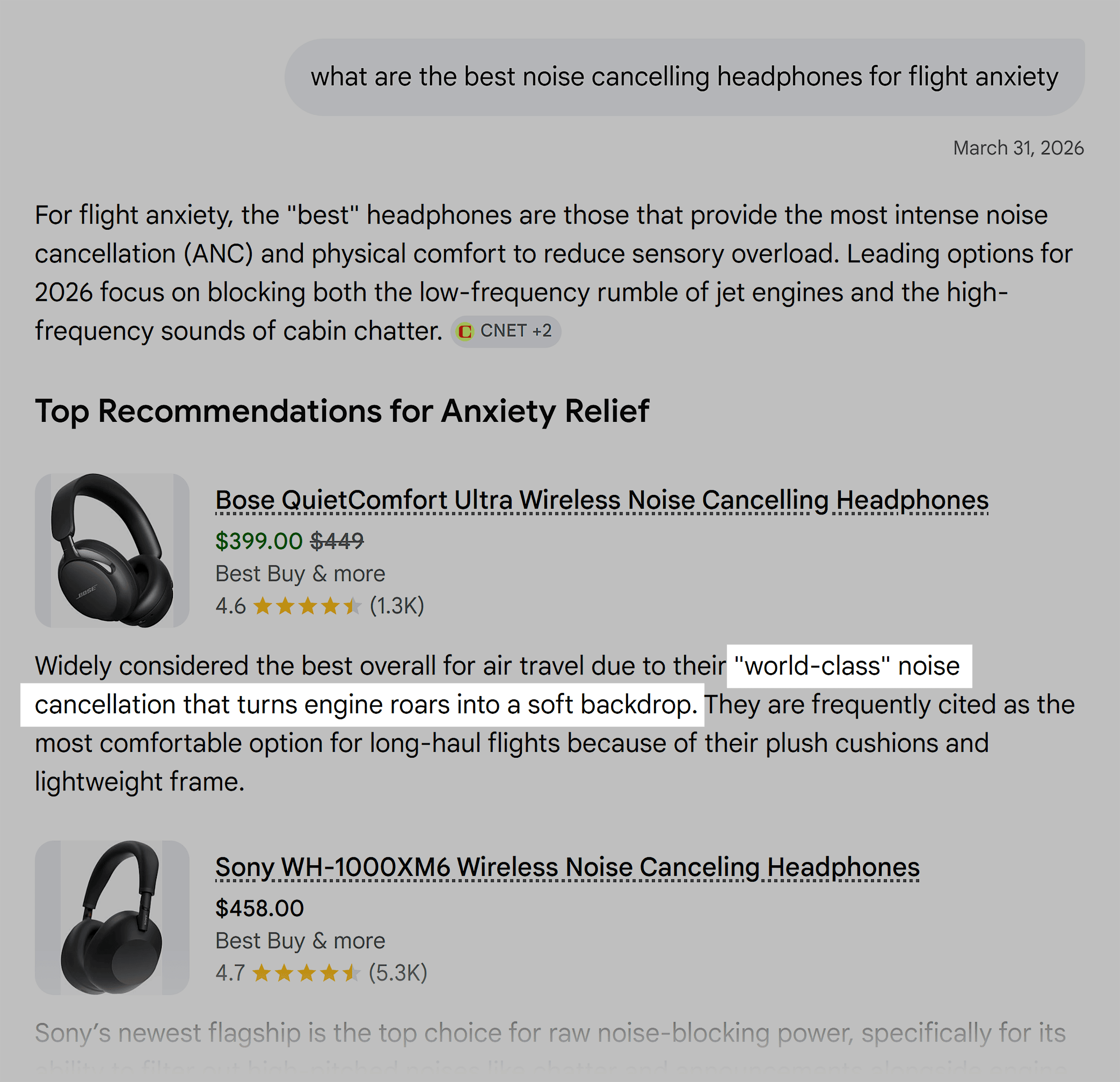
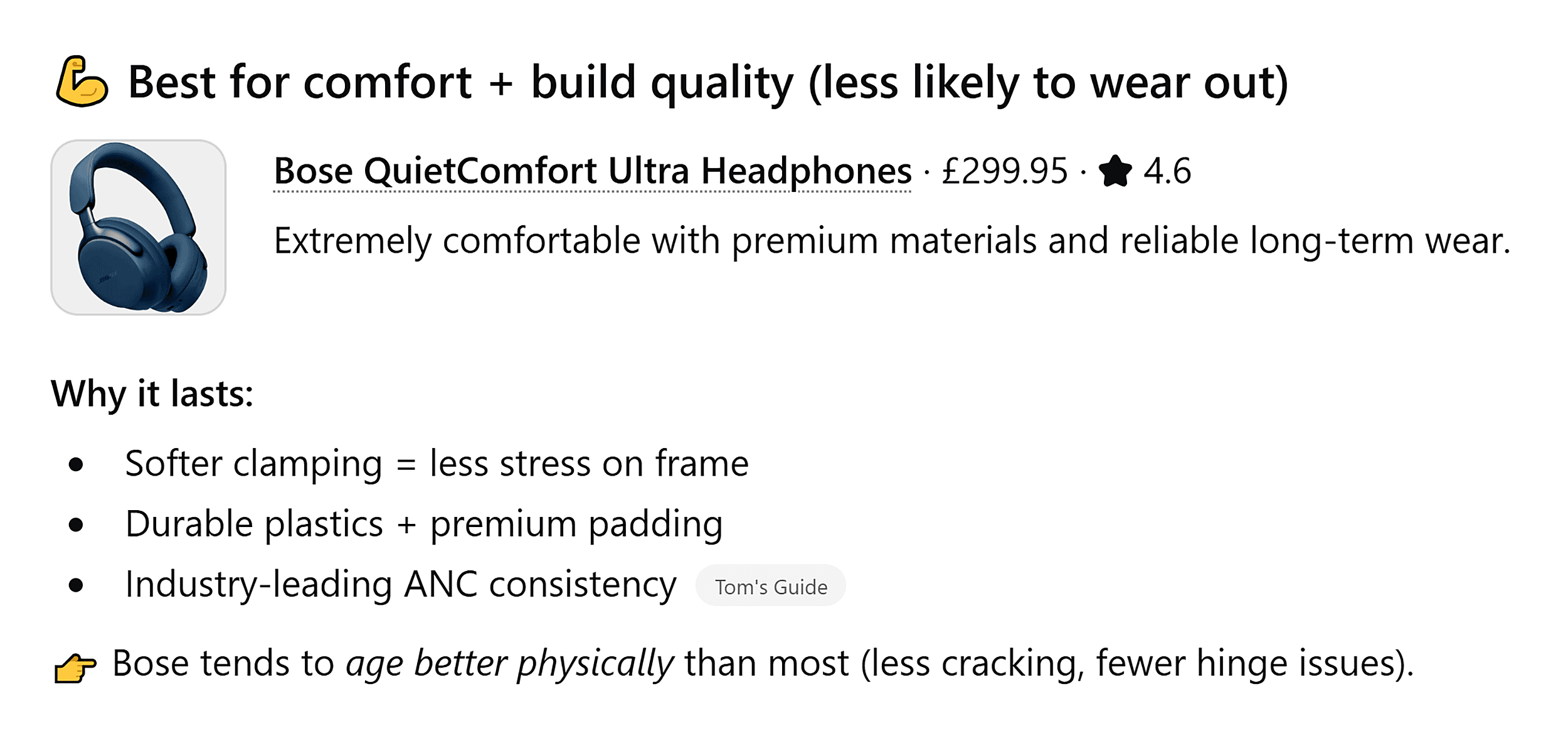
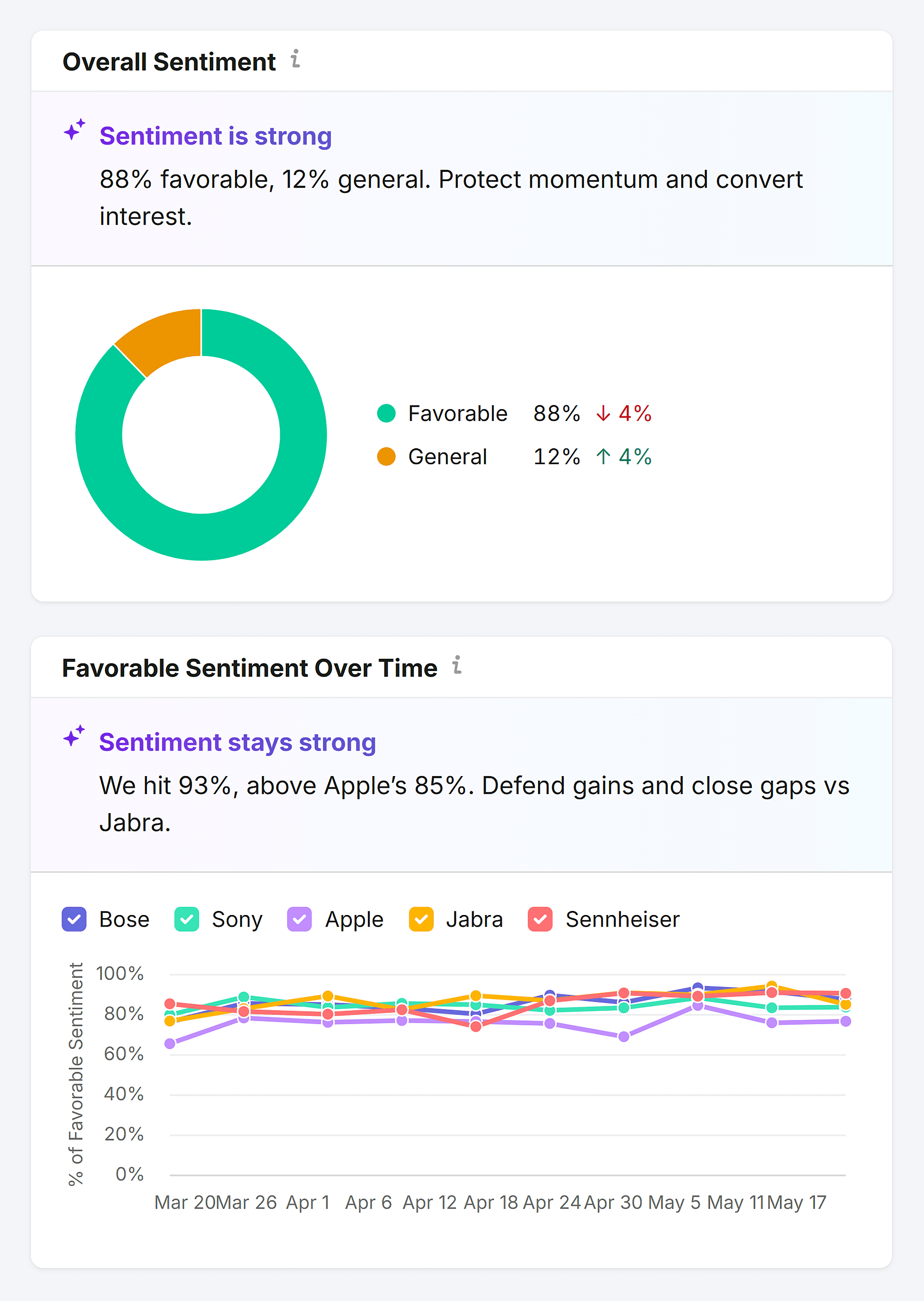
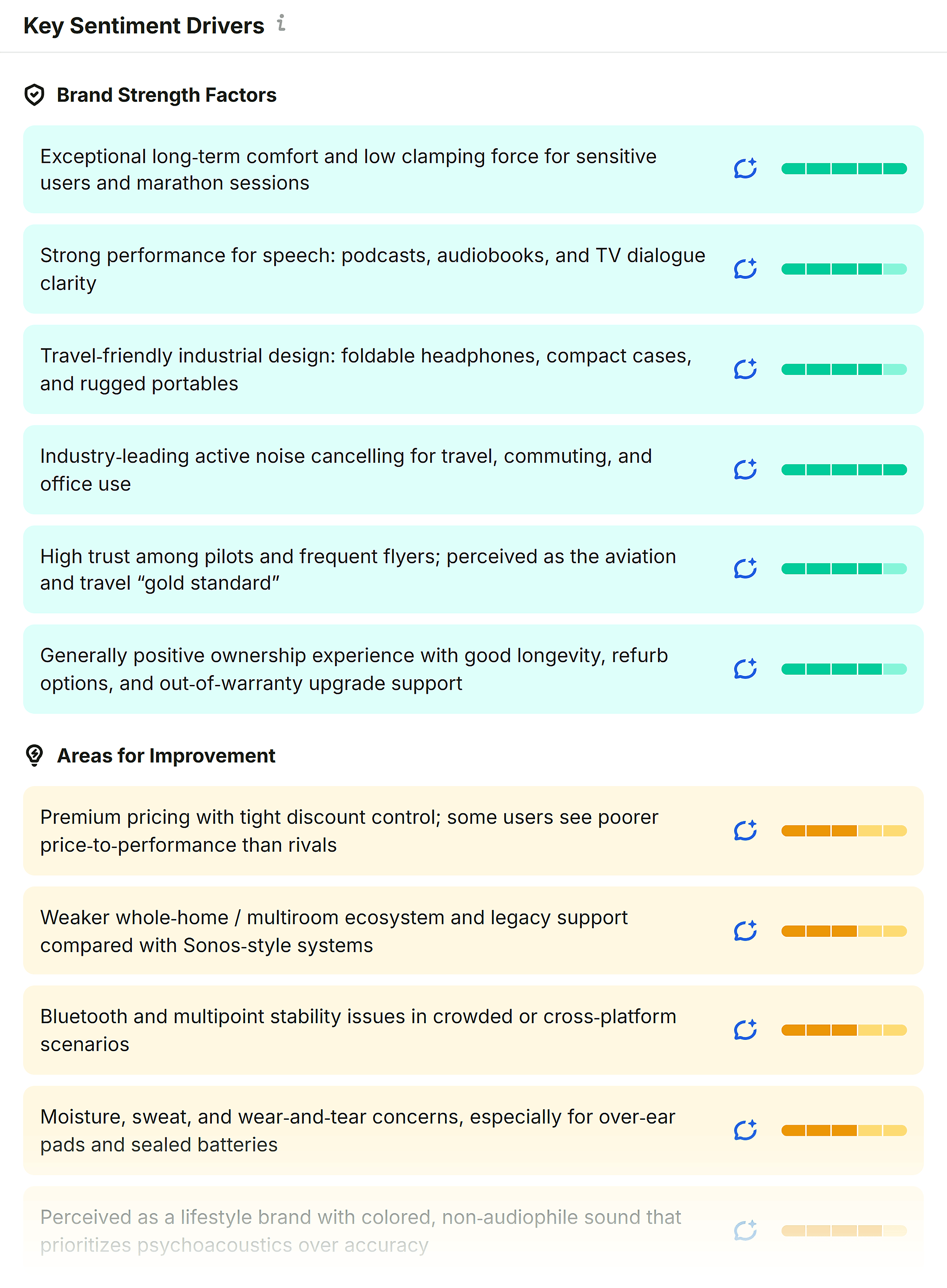
- Example from Industry: Brands like Bose excel here, using prominent, scannable product features, structured comparison tables, and dedicated landing pages for specific use cases (e.g., "noise-canceling headphones for flights") that directly match potential AI sub-queries.
Step 6: Measure Performance in AI Search
Traditional SEO metrics are insufficient. New tools and approaches are needed to track AI visibility.
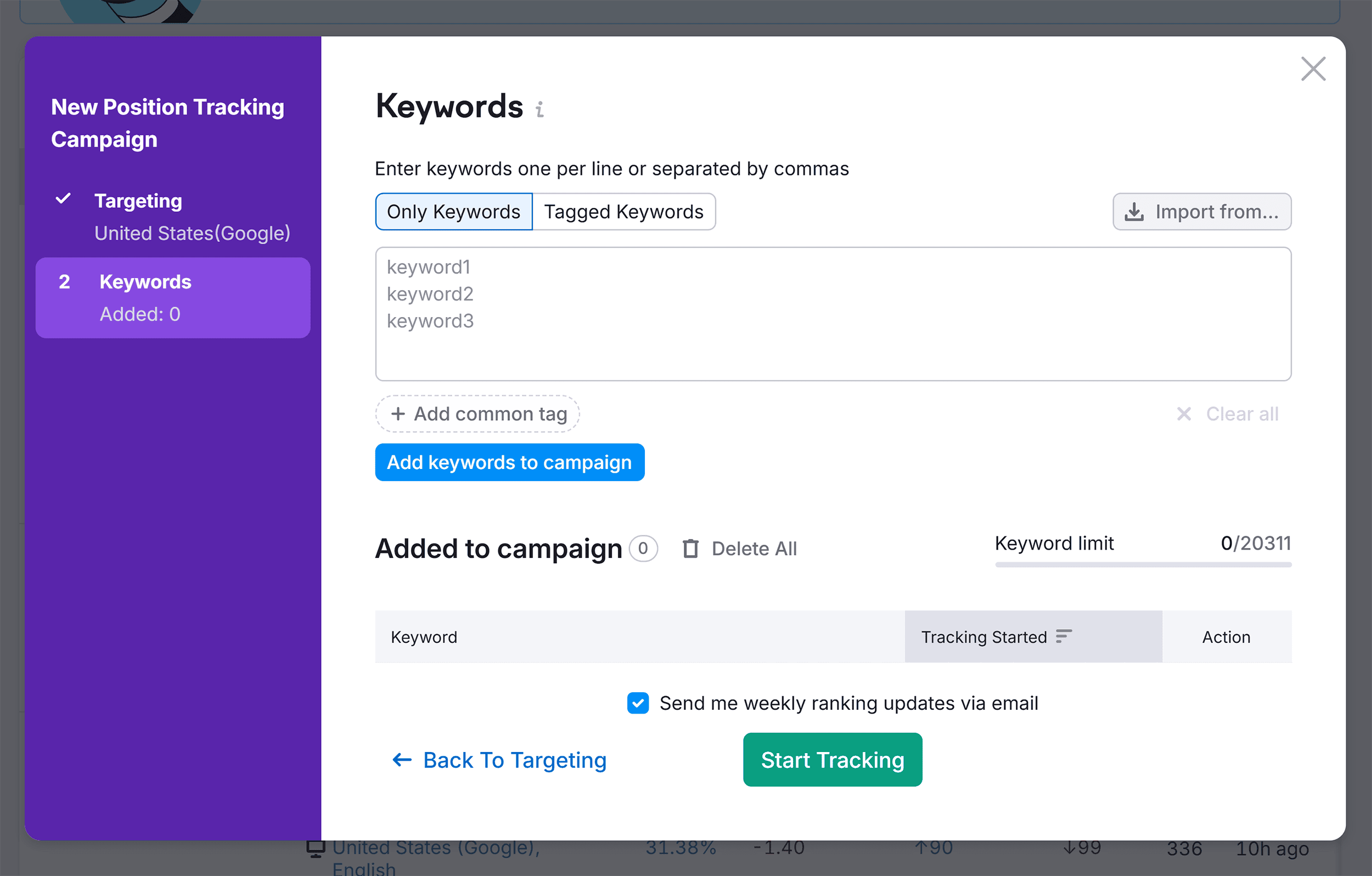
- Manual Tracking: Regularly run your money prompts through various LLMs (in incognito mode to avoid personalization bias) and record mentions, sources, and sentiment.
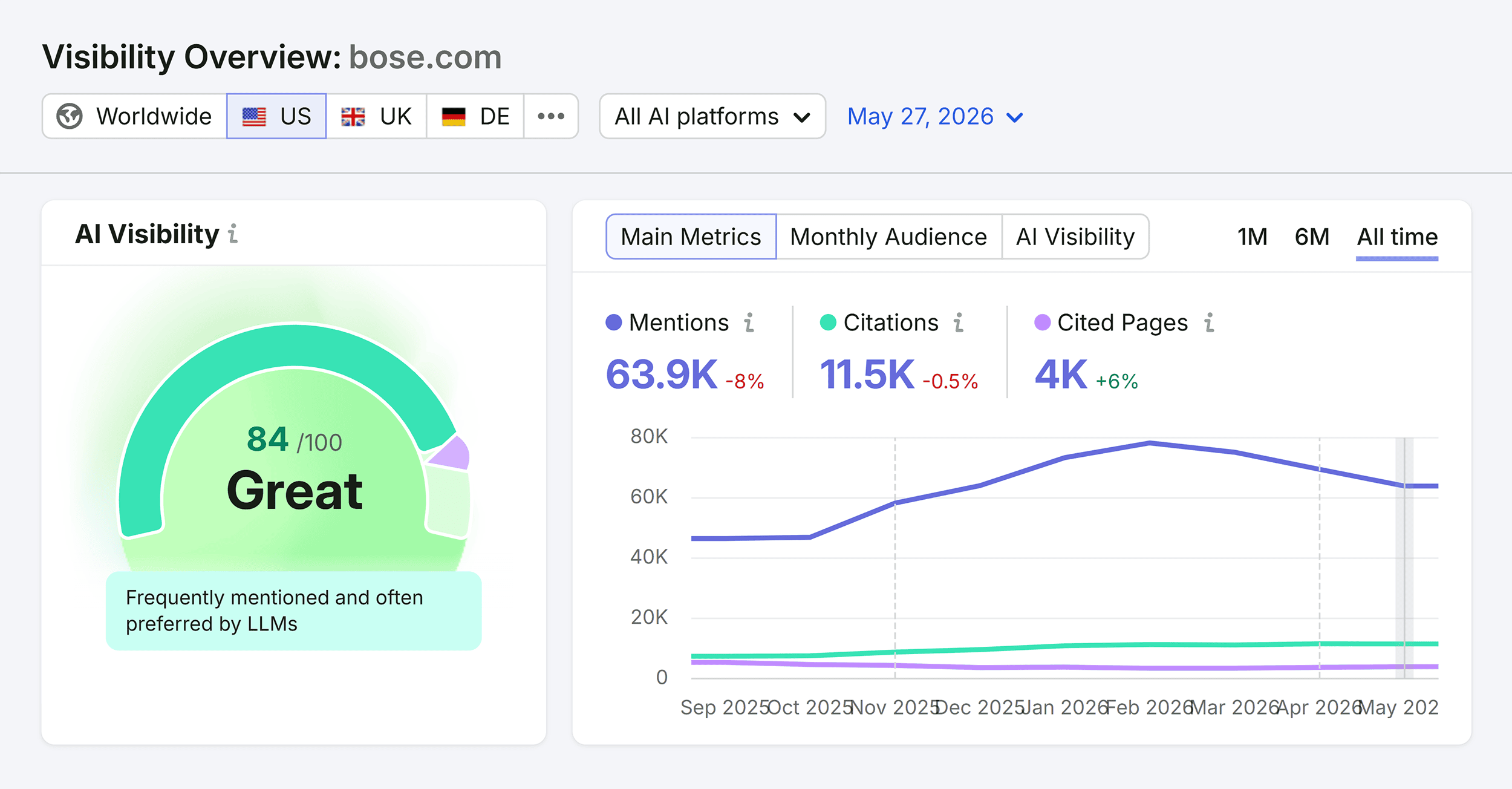
- AI Visibility Tools: Utilize platforms like Semrush’s Prompt Tracker to automate monitoring for changes in mentions and citations. The AI Visibility Overview provides a comparative score against competitors, while the Perception tool tracks brand sentiment and identifies key drivers (both positive and negative) within AI responses, flagging content opportunities.
- Ongoing Process: AI search is dynamic. Regular monitoring and content updates are essential to maintain and grow AI visibility.
Platform-Specific Nuances in Query Fan-Out
While the core concept of query fan-out applies broadly, each AI platform exhibits unique characteristics in its implementation:
-
ChatGPT: For general informational queries, it often draws from its vast training data. However, for questions requiring fresh data, comparisons, or real-world context, it performs live web searches. Its "Thinking mode" can reveal the internal reasoning process, leading to numerous cited sources. Content optimized for ChatGPT benefits from comprehensive topical coverage and clearly structured comparative data.
-
Perplexity: This platform is known for its highly conversational and personalized approach. It layers conversational context (past user queries, stated preferences) with real-time web searches. This means your content must be robust enough to remain accurate and useful even when paired with unpredictable user-specific contexts. Specificity and self-contained answers are paramount.
-
Claude: Claude prioritizes clarifying user intent before generating a response. Instead of immediately fanning out, it often asks follow-up questions to refine its understanding. Consequently, it tends to generate fewer, more targeted sub-queries. For content creators, this emphasizes the importance of addressing specific, well-defined use cases directly, rather than attempting to cover every conceivable angle on a single page. Anticipating user follow-up questions within your content can also be highly effective.
-
Google AI Overviews: These concise, AI-generated summaries appear directly within Google’s main search results. They synthesize information from Google’s existing web index, similar to enhanced featured snippets. Optimization here relies on providing highly condensed, factual, and summary-ready answers early in your content, often using bullet points, numbered lists, and clear definitions.
-
Google AI Mode: This is a dedicated conversational search interface within Google, designed for complex, multi-part questions. Like AI Overviews, it draws on Google’s index but offers greater interactive depth. For both Google AI offerings, the strategy remains consistent: front-load answers, use descriptive subheadings, and structure content so individual passages are self-sufficient and easily extractable. Advanced techniques, such as using Screaming Frog with a Gemini API, can help SEOs uncover the specific fan-out queries Google’s AI generates.
Conclusion: A New Frontier in Digital Visibility
The era of AI search is not merely an evolution; it’s a revolution in how information is processed and delivered. Query fan-out is the engine driving this change, demanding a shift from a keyword-and-ranking-centric mindset to one focused on comprehensive topical coverage, granular answer retrievability, and user-centric intent fulfillment. Brands that embrace this new reality by proactively identifying money prompts, structuring their content for AI extraction, and diligently measuring their AI visibility will be the ones to thrive. The framework outlined here provides a repeatable pathway for businesses to adapt, ensuring their valuable content is not only found but actively utilized and cited by the intelligent systems shaping our digital future. Ignoring this shift risks obsolescence, while strategic adaptation promises unparalleled opportunities for brand mention, authority, and engagement.