TikTok Shop Emerges as a Transformative Frontier for Food and Beverage CPGs, Reshaping Innovation and Consumer Engagement

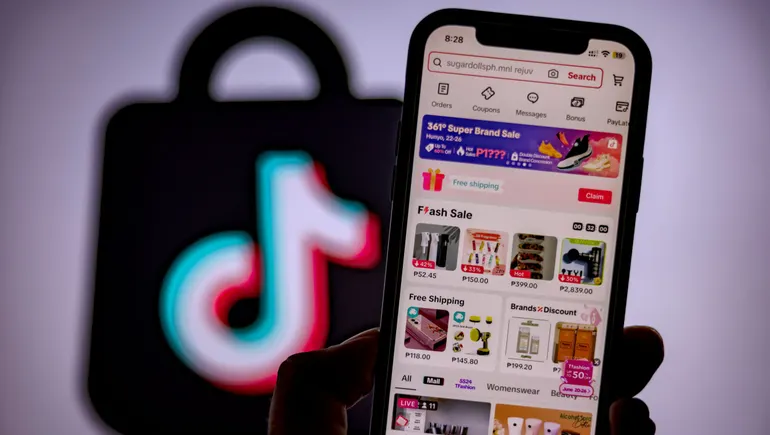
TikTok’s integrated in-app shopping system, TikTok Shop, is rapidly solidifying its position as a critical new battleground for food and beverage companies, signaling a profound shift in consumer packaged goods (CPG) retail and marketing strategies. Major industry players, including global giants like PepsiCo, Mars, and Hershey, are increasingly dedicating significant resources to engage with the platform, recognizing its burgeoning potential to drive sales and inform product development. This strategic pivot underscores a broader industry realization that social media, once primarily a marketing channel, has evolved into a powerful direct-to-consumer sales ecosystem.
The growth trajectory of TikTok Shop’s food category has been nothing short of meteoric, with company reports indicating sales more than doubling year over year. This exponential expansion presents an exceptionally lucrative, albeit nascent, growth channel for food manufacturers. Beyond direct sales, companies are leveraging the platform to gain real-time insights that directly influence their innovation pipelines, enabling unprecedented agility in responding to viral internet trends such as the "Dubai chocolate" phenomenon or the sudden surge in demand for freeze-dried candies. This dynamic interplay between content, commerce, and consumer feedback is fundamentally altering traditional CPG innovation cycles.
The Rise of Discovery Commerce and TikTok’s E-commerce Evolution
This accelerated growth within the food sector mirrors a wider industry phenomenon TikTok terms "discovery commerce." Unlike traditional e-commerce where consumers actively search for known products, discovery commerce thrives on serendipitous encounters, where users stumble upon products through engaging content, often driven by creator recommendations or viral trends. This model capitalizes on the platform’s algorithm, which excels at surfacing personalized content, leading to impulse purchases fueled by inspiration rather than necessity.
In 2023, the platform witnessed over 103 billion searches from U.S. users explicitly demonstrating purchase intent, a testament to its growing commercial influence. Concurrently, total transaction volume on TikTok Shop surged by nearly 80% year over year, with enterprise brand sales climbing an impressive 97%. These figures highlight TikTok Shop’s swift transition from a niche experiment to a formidable e-commerce player, compelling CPG brands to rethink their digital strategies.
TikTok’s journey into e-commerce began incrementally, initially integrating rudimentary shopping links and affiliate programs. However, the official launch of TikTok Shop in key markets like the UK and later the US marked a full-fledged commitment to becoming an integrated shopping destination. This strategic move was a direct response to the platform’s inherent virality and the observed consumer behavior of discovering products through short-form video content. The platform’s success in countries like Indonesia, where social commerce has deeply permeated daily life, provided a clear blueprint for its global expansion.
Insights from the Forefront: Navigating the New Food Retail Landscape
Amanda Parker, TikTok Shop’s head of food, articulates the platform’s distinctive role within the CPG food and beverage industry. She emphasizes that TikTok Shop functions as a "discovery platform driven by content," seamlessly merging inspiration with direct purchasing opportunities within a single, unified system. This integration significantly shortens the path to purchase for consumers, whether they are encountering an entirely new brand or a novel product from a beloved legacy manufacturer.
"We’re taking what was once just inspiration and allowing for a direct opportunity to purchase, all within one system," Parker states. "That translates to a much shorter path to purchase for consumers discovering a totally new brand or a new product from one they already know and love."
TikTok Shop’s broad appeal extends from agile, content-first brands to emerging CPGs and even established conglomerates with decades of market presence. For nascent brands, the platform offers an unparalleled direct path to consumer trial, effectively lowering the barrier to entry by reducing reliance on traditional retail partnerships for initial success. Legacy brands, on the other hand, are finding renewed interest in their existing product lines and discovering new demographics, often through creative content that reimagines familiar items. The platform also serves as a prime launching pad for new innovations and exclusive product releases, capitalizing on its engaged audience.
Catalysts for Success: What Works on TikTok Shop
Given TikTok’s inherently visual nature, products that are visually compelling tend to thrive. This extends beyond appealing packaging to the actual usage occasion and sensory attributes that can be showcased on camera. Parker points to examples like a protein bar’s unique texture being pulled apart, or the vibrant colors of a candy salad, as content that drives intrigue. While "smell-o-vision or taste-o-vision" are not yet available, the visual storytelling capacity is paramount.
Cultural relevance is another critical success factor. Viral trends, such as the "candy salad" or the aforementioned "Dubai chocolate," gain traction because they are easily captured and shared across the platform. Products with distinctive form factors or extreme flavors—be it super spicy or intensely sour—that elicit strong, authentic reactions on camera also perform exceptionally well. Furthermore, functional foods and beverages, whose benefits can be clearly articulated and aligned with a creator’s personal health and wellness journey, resonate strongly with specific audience segments. Ultimately, products that possess the intrinsic ability to "stop your scroll" are the ones that capture attention and drive conversions.
Reshaping Innovation Cycles: From Trend to Table with Unprecedented Speed
One of the most profound impacts of TikTok Shop on the CPG industry is its ability to compress product innovation cycles. The platform acts as a real-time laboratory where content trends can rapidly translate into commercialization opportunities. Parker cites the example of "popped candies," a trend that originated organically through user-generated content. Early adopters and agile, TikTok-native brands swiftly commercialized this concept. This rapid market validation then prompted established brands like Skittles to innovate on an accelerated timeline, even choosing TikTok Shop as the exclusive launch platform for their own popped candy offering, bringing the innovation full circle to where the trend began.
"That cycle—from content trend to quick commercialization to longer-term product development—is fundamentally changing how food and beverage brands think about the speed of innovation, the source of innovation, and line extension opportunities," Parker explains. This paradigm shift means that CPG brands are no longer solely relying on lengthy market research and development processes. Instead, they are actively monitoring viral trends, engaging with creators, and even co-creating products in response to real-time consumer demand. The implications extend to traditional retail, with retailers increasingly monitoring TikTok for emerging trends, pressuring brands to quickly capitalize on popular movements. This "ricochet effect" is reshaping product development strategies across the entire industry ecosystem.
Strategic Imperatives for Brands: Maximizing TikTok Shop’s Potential
For brands looking to harness the full power of TikTok Shop, several strategic considerations are paramount. Firstly, a content-forward and visually appealing product selection is crucial. Prioritizing items that are easily demonstrable and inherently attractive to creators ensures higher engagement and conversion rates. The platform thrives on authentic storytelling, and products that lend themselves to creative video content naturally perform better.
Secondly, speed is of the essence. In a constantly evolving digital environment, brands must be prepared to capitalize on viral moments. While predicting virality is impossible, establishing agile operational frameworks—including robust inventory management and fulfillment capabilities—is critical to prevent stockouts and capitalize on sudden surges in demand.
Patience, paradoxically, is also a virtue. Gaining traction on TikTok Shop, like any new channel, requires sustained effort and iterative learning. Brands should view the platform as an invaluable source of quick feedback, offering a faster loop for consumer insights than many traditional channels. This direct access to community feedback allows for rapid product refinement and marketing adjustments. Brands are encouraged to use TikTok Shop for product launches, consumer trials, and fostering direct relationships with their audience.
Finally, brands must recognize the "halo effect" that investment in TikTok Shop can generate across their broader omnichannel business. The visibility and brand affinity cultivated on TikTok often cascade into increased sales through other retail channels, underscoring the platform’s comprehensive impact.
The Creator Economy and Authentic Marketing
A defining characteristic of TikTok Shop’s success is the preeminence of creator-led content over traditional, polished advertising. Authentic, direct-relationship content from individual creators consistently outperforms highly produced commercials. TikTok users place a high degree of trust in creator recommendations, viewing them as genuine endorsements rather than paid advertisements. This "living room-type recommendation experience" fosters a deeper connection and drives higher conversion rates. The emphasis is on authentic, high-quality content that resonates with the audience, not necessarily on high-budget production values.
Optimizing Assortment and Avoiding Common Pitfalls
When considering product assortment for TikTok Shop, the primary recommendation is to feature a "hero product" complemented by variety packs and bundles. Variety packs, in particular, enhance discoverability by allowing consumers to sample multiple flavors or iterations, increasing the likelihood of finding a personal favorite. Brands should also strategically leverage "tentpole moments"—seasonal products, limited-time offerings, and holiday-themed bundles—to create spikes in engagement and sales, alongside their always-on product offerings.
However, brands often make critical errors by approaching TikTok Shop with expectations derived from other channels. Amanda Parker cautions against treating TikTok Shop solely as another social media platform or a direct-to-consumer (DTC) website. It is a unique amalgamation of both, requiring a distinct strategy. A common pitfall is viewing TikTok Shop and the broader TikTok platform as disconnected entities. In reality, they are intricately linked; strategies for TikTok Shop will inevitably influence media spend on the main platform, and vice versa. It functions as a closed-loop system where investment in one area generates a cascade of benefits throughout the entire business ecosystem. Brands that fail to grasp this interconnectedness risk suboptimal performance and missed opportunities.
Broader Industry Implications and Future Outlook
The ascent of TikTok Shop in the food and beverage sector signals a significant realignment in the CPG landscape. It forces traditional retailers to innovate their digital strategies and perhaps even collaborate with social commerce platforms to stay competitive. For CPG manufacturers, it necessitates greater agility in product development, a deeper embrace of influencer marketing, and a willingness to cede some control over brand messaging to creators.
The logistical challenges, such as managing inventory for unpredictable viral demand and navigating new fulfillment models, remain key considerations. However, the benefits of direct consumer feedback, accelerated innovation, and unparalleled reach make TikTok Shop an indispensable channel. As social commerce continues its global expansion, driven by platforms like TikTok, it is poised to permanently alter how food and beverage products are discovered, marketed, and sold, pushing the industry towards a more dynamic, responsive, and consumer-centric future. This shift represents not merely an additional sales channel, but a fundamental evolution in the relationship between brands and their consumers.
Related posts: