TikTok Unveils Comprehensive Brand Safety Center and Advanced Protection Tools to Reinforce Advertiser Trust in the APAC Region

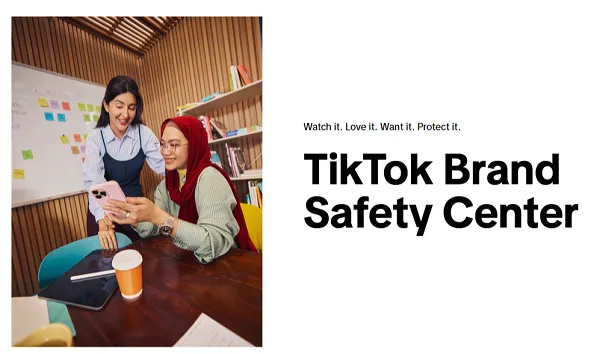
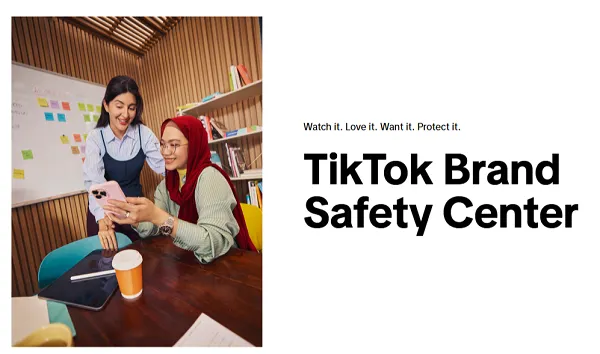
TikTok has officially rolled out a robust suite of brand safety resources, headlined by the launch of a dedicated Brand Safety Center website designed to provide advertisers with streamlined access to guidance, advisory tools, and compliance frameworks. Unveiled during the annual APAC Responsible Media Forum held in Singapore, the new suite of features marks a significant step forward in the platform’s ongoing efforts to reassure corporate marketers, safeguard intellectual property, and establish rigorous standards for artificial intelligence integration in digital advertising.
The newly introduced digital hub serves as a centralized repository for marketing professionals navigating the fast-paced and culturally dynamic environment of short-form video. By consolidating expert advice, technical documentation, and regulatory frameworks into a single accessible portal, TikTok aims to demystify platform safety and empower brands to execute campaigns with greater confidence and precision.
A Centralized Hub for Marketers and Advertisers
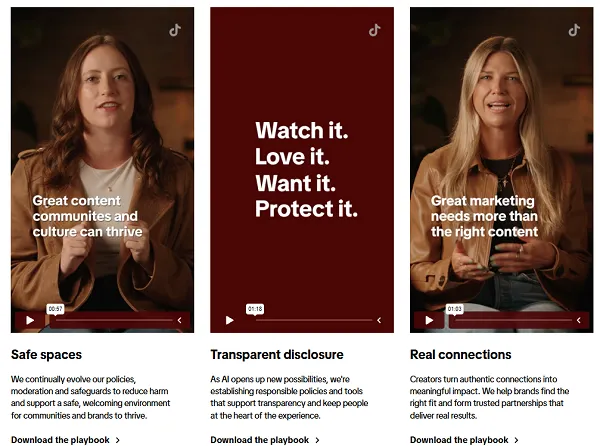
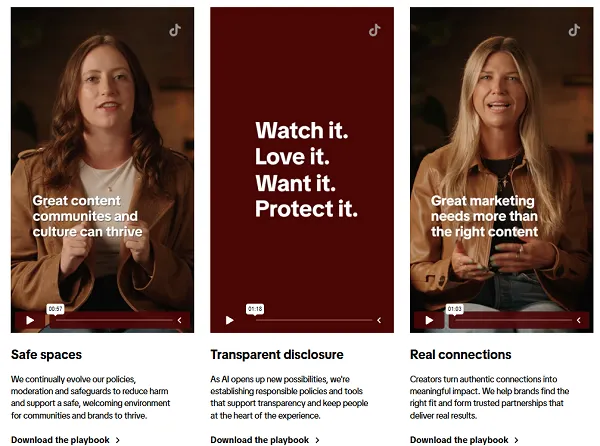
At the core of the newly launched Brand Safety Center is a comprehensive library of educational video content featuring TikTok’s internal product, policy, and safety experts. These video modules break down complex platform dynamics, offering marketers strategic insights into key considerations such as audience engagement, content adjacency, and risk mitigation.
In addition to video tutorials, the website provides direct access to critical literature, most notably the newly published Brand Protection Playbook and the AI Safety Essentials for Advertisers overview. These documents are tailored to address the modern challenges of digital marketing, providing actionable steps for businesses seeking to maintain brand integrity while leveraging cutting-edge platform features.
The introduction of these resources comes at a crucial time for the digital advertising ecosystem. As brands increasingly allocate larger portions of their marketing budgets to short-form video platforms, the demand for transparent, predictable, and secure environments has never been higher. TikTok’s proactive approach in establishing clear operational boundaries is seen by industry analysts as a necessary mechanism to bridge the gap between creative freedom and corporate governance.
Advanced Tools for Risk Mitigation and IP Protection
Beyond educational resources, TikTok has introduced a suite of advanced brand protection tools embedded directly within the platform’s business center architecture. These tools are engineered to give advertisers proactive control over their digital footprint and shield them from potential vulnerabilities.
Among the key additions is a brand perception insights tool, which allows businesses to evaluate how their campaigns and associated content are perceived by diverse user demographics within the TikTok ecosystem. By leveraging data-driven insights, marketers can identify potential areas of risk, adjust their targeting parameters in real time, and ensure alignment with their core corporate values.
Furthermore, the platform has rolled out enhanced copyright and trademark infringement reporting mechanisms, alongside fortified counterfeit protection measures tailored specifically for e-commerce sellers. These features address persistent challenges in the digital marketplace, offering robust legal and technical recourse for brands whose intellectual property may be compromised by unauthorized third parties.
By integrating these safeguards into the standard merchant workflow, TikTok is attempting to create a more secure commercial environment that encourages enterprise-level participation, particularly among luxury goods manufacturers and consumer packaged goods (CPG) brands that are traditionally protective of their intellectual property rights.
The APAC Responsible Media Forum: Context and Strategy
The debut of the Brand Safety Center and its accompanying tools took place against the backdrop of the APAC Responsible Media Forum, which convened in Singapore last week. The high-profile event gathered industry leaders, policymakers, media executives, and brand representatives to discuss the evolving landscape of digital trust, media accountability, and technological innovation across the Asia-Pacific region.
Singapore, serving as a regional hub for numerous multinational technology corporations and advertising agencies, provided an appropriate setting for the announcements. During the forum, TikTok executives shared comprehensive updates regarding the platform’s localized efforts to protect businesses operating within the APAC market. These disclosures highlighted the company’s heavy investments in moderation infrastructure, automated detection systems, and human oversight teams dedicated to maintaining a wholesome digital ecosystem.
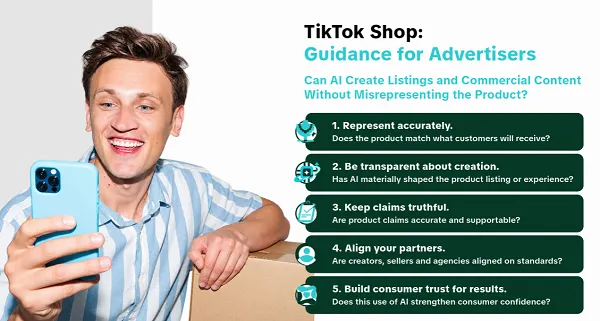
The forum also served as a platform for TikTok to formally lay out its responsible artificial intelligence framework. As generative AI tools become increasingly accessible to creators and advertisers alike, the potential for synthetic media manipulation, unauthorized likeness usage, and algorithmic misfires has escalated. TikTok’s AI safety framework establishes strict boundaries for the commercial application of artificial intelligence, ensuring that automated content generation adheres to stringent ethical guidelines and legal standards.
Industry Implications and the Broader Digital Landscape
The launch of TikTok’s Brand Safety Center carries profound implications for the broader digital advertising industry. For years, social media platforms have faced intense scrutiny from regulatory bodies, advertisers, and consumer advocacy groups regarding content moderation, brand safety, and the monetization of controversial material. By institutionalizing transparency and providing granular control mechanisms, TikTok is positioning itself as a mature, enterprise-ready advertising medium capable of competing directly with legacy search and social giants.
From an analytical perspective, these developments reflect a broader industry shift from reactive content moderation to proactive risk prevention. Historically, platforms often addressed safety concerns after incidents occurred, leading to public relations crises and temporary advertiser boycotts. By equipping brands with diagnostic tools like brand perception analytics and comprehensive playbooks prior to campaign deployment, TikTok is effectively shifting the responsibility of brand safety into a collaborative framework shared between the platform and the marketer.
Moreover, the emphasis on AI safety addresses one of the most pressing concerns of the modern technological era. As artificial intelligence reshapes the creation and distribution of digital media, establishing a clear code of conduct for AI utilization is paramount. TikTok’s proactive stance may well establish a benchmark for other social media platforms grappling with the integration of generative technologies into commercial workflows.
Moving Forward: Strengthening the TikTok Brand Presence
As digital marketing continues to evolve, the ability of a platform to guarantee a secure and predictable environment will remain a primary determinant of its commercial viability. TikTok’s latest initiatives demonstrate a clear understanding of these market demands.
The combination of educational infrastructure, advanced risk-detection tools, robust intellectual property protections, and a transparent AI framework provides a comprehensive foundation for brands seeking to establish or expand their presence on the platform. While the ultimate effectiveness of these tools will be tested as they are deployed at scale across millions of active campaigns, the initial response from the marketing community has been largely receptive.
For brands navigating the dynamic currents of contemporary digital culture, the new Brand Safety Center and its associated resources offer a valuable compass. By bridging the gap between algorithmic innovation and corporate accountability, TikTok is laying the groundwork for a more sustainable, secure, and mutually beneficial relationship with the global advertising community.